
Advanced Ferrous Metallurgy Solutions with calcined bauxite for Mexico's Steel Industry

Optimizing smelting efficiency and material purity for the North American industrial corridor through high-performance metallurgical additives.

Advanced Ferrous Metallurgy Solutions with calcined bauxite for Mexico's Steel Industry

Providing the Mexican metallurgical sector with high-grade materials to enhance the structural integrity and chemical precision of ferroalloy production.

Current State of Ferroalloy Smelting in Mexico

Analyzing the operational landscape of Mexico's black metal smelting industry.

Mexico's smelting industry is currently characterized by a strategic shift toward the USMCA trade corridor, increasing the demand for high-precision metallurgical material. The geographical advantage of the Gulf coast ports allows for efficient import of raw materials, yet local plants struggle with the volatility of energy costs and environmental regulations.

The integration of carbon raiser has become critical for Mexican steel mills aiming to reduce furnace residence time and lower oxidation losses. As the automotive sector in Querétaro and Puebla expands, the requirement for specialty steels has pushed smelting plants to upgrade their chemical additives to meet tighter tolerances.

Furthermore, the industry faces a challenge in balancing high-output production with carbon emission targets. This has led to an increased adoption of purified graphitized petroleum coke to improve electrical conductivity in submerged arc furnaces, thereby optimizing energy consumption across the region's smelting hubs.
Evolution and Development Trajectory of Mexican Smelting

From traditional blast furnaces to precision alloy engineering.

Market Development History

In the early 2000s, the Mexican ferrous metallurgy sector relied heavily on traditional coke and raw ores, focusing primarily on volume for construction-grade steel wire rod. The process was energy-intensive with limited control over trace impurities.

Between 2010 and 2020, a technical pivot occurred. Smelters began integrating refined additives and adopting precision dosing of carbon sources. The introduction of standardized graphitized petroleum coke allowed for more stable electrical arcs and reduced electrode wear.

Since 2021, the focus has shifted toward "Green Steel" and high-performance alloys. The industry is now incorporating advanced refractory materials and high-purity additives to support the production of high-tensile automotive components.

Future Development Trends

Decarbonization of Smelting Processes

The next 3-5 years will see a transition toward hydrogen-based reduction and the use of bio-carbon sources to replace traditional coal, aligning with North American environmental protocols.

Digitalization of Thermal Control

AI-driven thermal monitoring will optimize the injection of materials, ensuring that the reaction between the ore and the additives occurs at the peak efficiency point.

High-Purity Material Specialization

There is a growing trend toward ultra-low sulfur and phosphorus materials to satisfy the requirements of advanced aerospace and electric vehicle manufacturing in Mexico.

Future Outlook for Mexico's Ferroalloy Sector

Strategic foresight based on global metallurgical search trends and regional demand.

Sustainable Carbon Sourcing
Transitioning to low-emission carbon raisers to meet international ESG standards for Mexican exports.
Precision Alloying
Increasing use of micro-alloying elements to produce high-strength steel for the automotive supply chain.
Refractory Optimization
Upgrading furnace linings with high-density alumina to resist chemical erosion in aggressive smelting cycles.
Smart Logistics Integration
Implementing real-time supply chain tracking for critical metallurgical imports to ensure zero-downtime production.

Industry Outlook

Google search trends in North America indicate a sharp rise in queries related to "low-carbon steel production" and "high-purity ferroalloys," suggesting that Mexican plants will soon compete on sustainability rather than just cost. The integration of high-performance materials will be the primary differentiator.

The synergy between the US and Mexican steel markets will likely lead to a standardized grade of additive requirements, making the use of high-consistency materials an absolute necessity for any plant operating within the North American trade zone.

Local Application Scenarios in Mexico

Practical implementation of metallurgical additives in regional industrial hubs.

1. Automotive Steel Grade Production in Puebla

Utilizing precision carbon raiser to ensure the exact carbon content required for high-strength chassis steel used by global OEMs in Puebla's automotive cluster.

2. Infrastructure Reinforcement in Mexico City

Implementing high-grade steel wire rod for seismic-resistant construction projects, requiring strict metallurgical purity to ensure ductile performance.

3. Industrial Furnace Refractory Upgrade in Monterrey

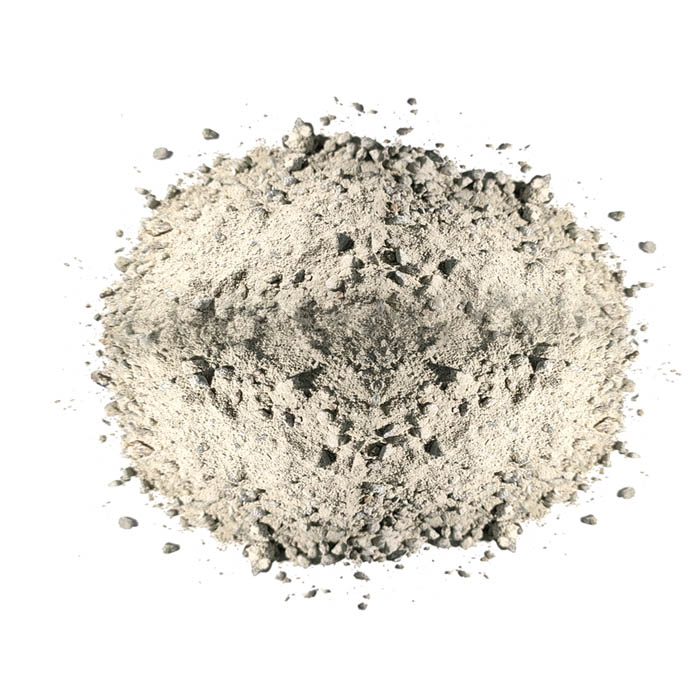
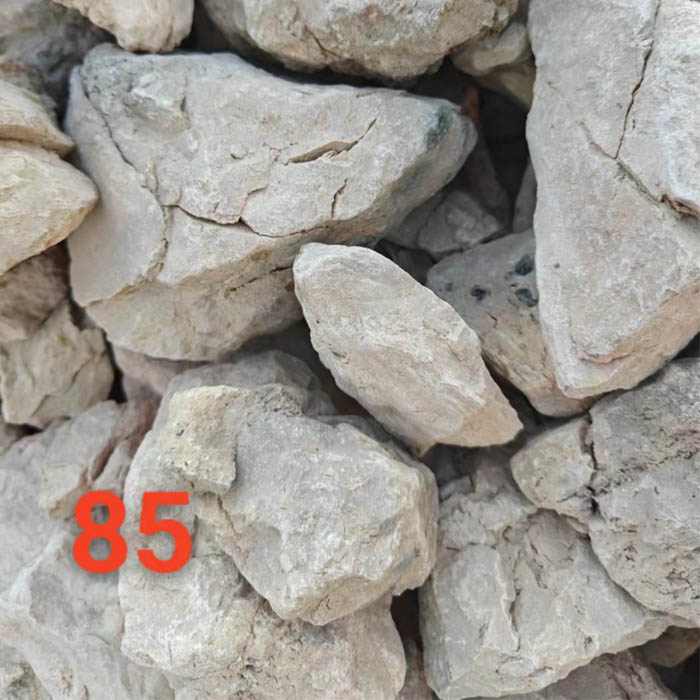
Using calcined bauxite for the lining of smelting furnaces in Monterrey's heavy industrial zone to increase heat resistance and prolong equipment lifespan.

4. High-Efficiency Ferrochrome Smelting in Veracruz

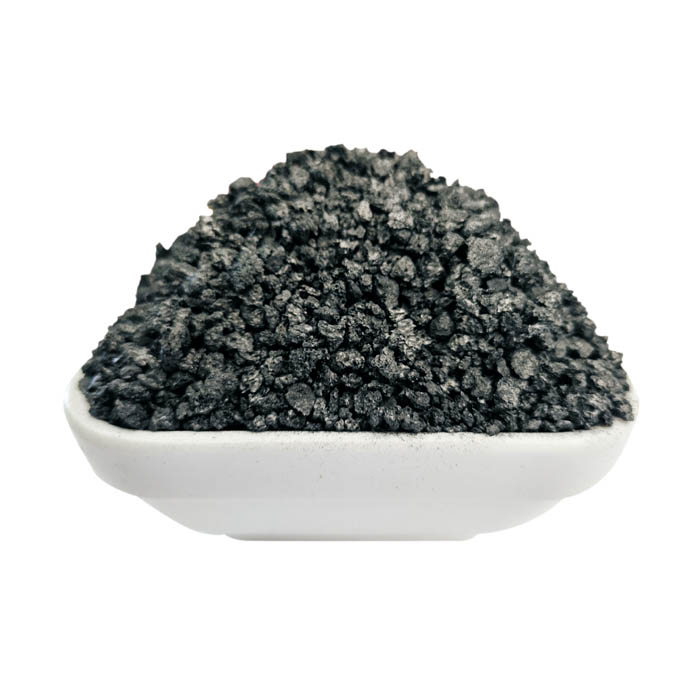
Integrating graphitized petroleum coke as a conductive additive in coastal smelting plants to reduce energy loss during the reduction process.

5. Specialty Alloy Casting for Aerospace in Querétaro

Deploying premium metallurgical material to produce aerospace-grade alloys that meet the rigorous certification standards of the North American aviation industry.

Brand Story

Global Development Journey of Xingtai Luxi Environmental Technology Co., Ltd.

Foundational Engineering

Established with a mission to solve the impurity challenges in ferroalloy smelting, we began by refining the purity of carbon-based additives.

Technological Breakthrough

Developed advanced graphitization processes to create high-conductivity coke, drastically reducing energy consumption for our global partners.

Global Expansion

Expanded our footprint into North America, providing customized metallurgical solutions tailored to the specific regulatory environments of Mexico and the USA.

Environmental Commitment

Integrated eco-friendly production cycles to ensure that our materials help clients achieve their carbon-neutrality goals without sacrificing yield.

Future Innovation

Currently investing in nano-material additives to redefine the boundaries of steel strength and durability for the next generation of industry.

Comprehensive Product Portfolio for the Mexican Metallurgy Market

A curated selection of high-performance materials designed for North American industrial standards.

Common Questions in Mexico's Smelting Industry

Technical guidance and market insights for metallurgical professionals.

How does high-purity carbon raiser improve smelting yield in Mexico?

It reduces the amount of slag formed and minimizes carbon loss during the oxidation phase, allowing for faster tapping times and higher material recovery rates.

What are the benefits of using calcined bauxite for furnace linings in tropical climates?

Calcined bauxite provides superior thermal stability and chemical resistance, preventing lining degradation caused by high humidity and extreme temperature fluctuations common in coastal Mexico.

Can graphitized petroleum coke reduce energy costs in submerged arc furnaces?

Yes, its high electrical conductivity lowers the electrical resistance of the burden, reducing the kilowatt-hours required per ton of alloy produced.

What metallurgical material is best for automotive-grade steel wire rod?

A combination of low-sulfur ferroalloys and precision carbon sources is essential to ensure the tensile strength and fatigue resistance required for automotive springs and cables.

How to ensure consistency in metallurgical material imports to Mexico?

Partnering with suppliers who provide detailed chemical analysis reports (COA) for every batch and utilize standardized North American shipping protocols.

What is the impact of impurity levels in carbon raisers on alloy quality?

High levels of ash or sulfur in the raiser can lead to inclusions in the final steel, reducing the structural integrity and increasing the risk of cracking in high-stress applications.

Optimize Your Smelting Process Today

Get expert technical support and high-performance materials delivered directly to your plant in Mexico.

Contact Us Now

If you are interested in our products, you can choose to leave your information here, and we will be in touch with you shortly.