
Mar . 21, 2026 01:55 Back to list
Comprehensive Guide to Boiler Refractory Materials for Optimal Performance
Boiler Refractory Materials: A Comprehensive Guide
Ensuring the efficiency and longevity of boilers requires selecting the right boiler refractory materials. These materials are crucial for withstanding the extreme temperatures and corrosive environments within a boiler system. This article will provide an in-depth look at boiler refractory materials, their types, applications, and factors to consider when making a purchase. Understanding these materials is vital for optimizing boiler performance and minimizing maintenance costs. You can find a comprehensive range of high-quality boiler refractory materials at Xingtai LuXi Refractory Co., Ltd.
What are Boiler Refractory Materials?
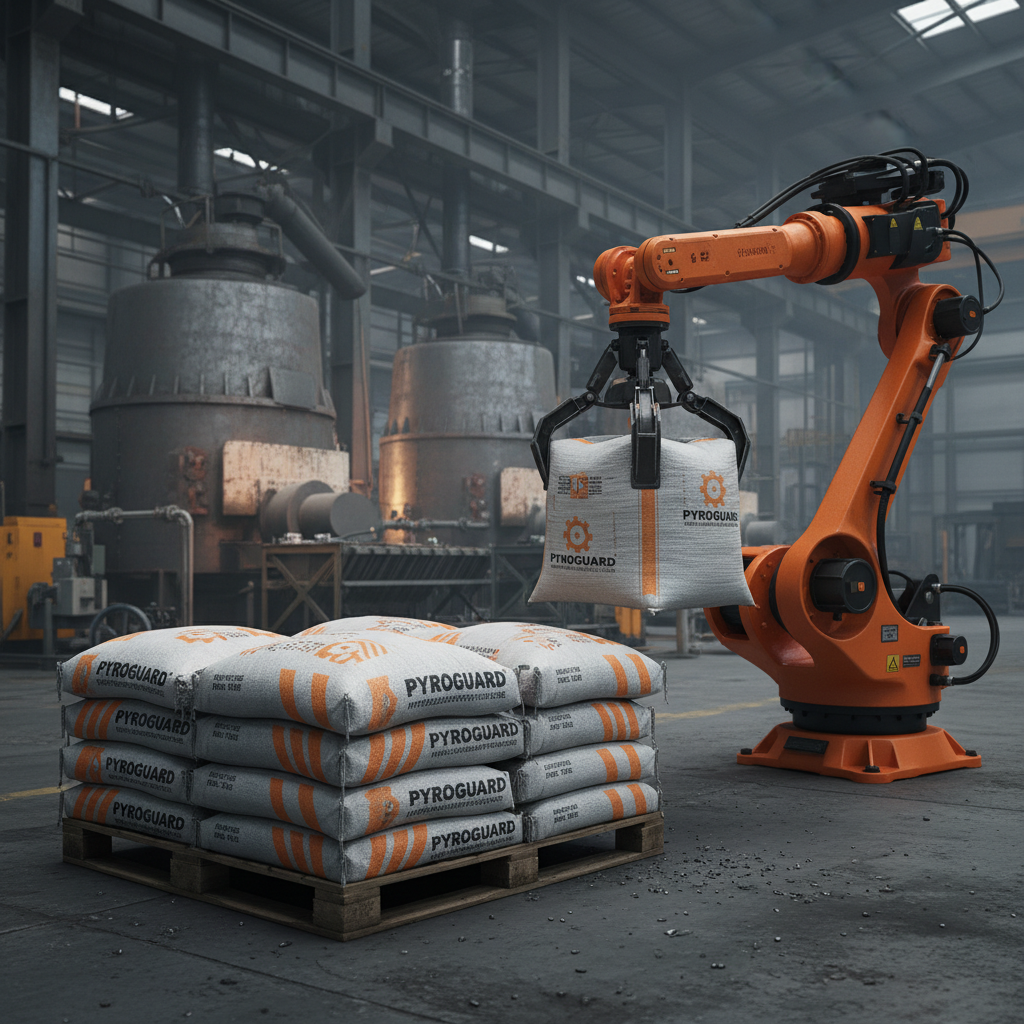
Boiler refractory materials are non-metallic materials designed to withstand extremely high temperatures, often exceeding 1,000°C (1,832°F), without significant deformation or degradation. They’re used to line the interior of boilers, furnaces, incinerators, and other high-temperature equipment. Their primary function is to retain heat within the system, improving energy efficiency and protecting the boiler's structural steel from heat damage. These materials also help resist corrosion from combustion gases and chemical attacks. Properly installed refractory lining is fundamental to safe and efficient boiler operation.
Key Benefits: High temperature resistance, excellent thermal insulation, chemical stability, and protection of structural steel.
Types of Boiler Refractory Materials
Several types of refractory materials are used in boilers, each with distinct properties and applications. Common types include:
- Fireclay Bricks: Cost-effective and suitable for general-purpose applications.
- High-Alumina Bricks: Offer superior high-temperature strength and resistance to slag attack.
- Silica Bricks: Excellent thermal shock resistance, ideal for areas prone to rapid temperature fluctuations.
- Magnesia Bricks: Highly resistant to basic slags, commonly used in metallurgical applications.
- Castable Refractories: A mixture of refractory aggregates and binders, cast into shape on-site.
- Ceramic Fiber: Lightweight, excellent thermal insulation, used for lining and insulation.
The specific type of refractory material chosen will depend on the boiler's operating temperature, the type of fuel being burned, and the specific stresses the lining will be subjected to.
Material Selection Criteria: Temperature, fuel type, thermal shock, chemical resistance, cost.
Comparing Refractory Materials for Boiler Applications
Choosing the right boiler refractory material depends on a comprehensive comparison of their properties. Here's a comparison of some popular materials:
Applications of Refractory Materials in Boilers
Different parts of a boiler require different refractory materials. For example:
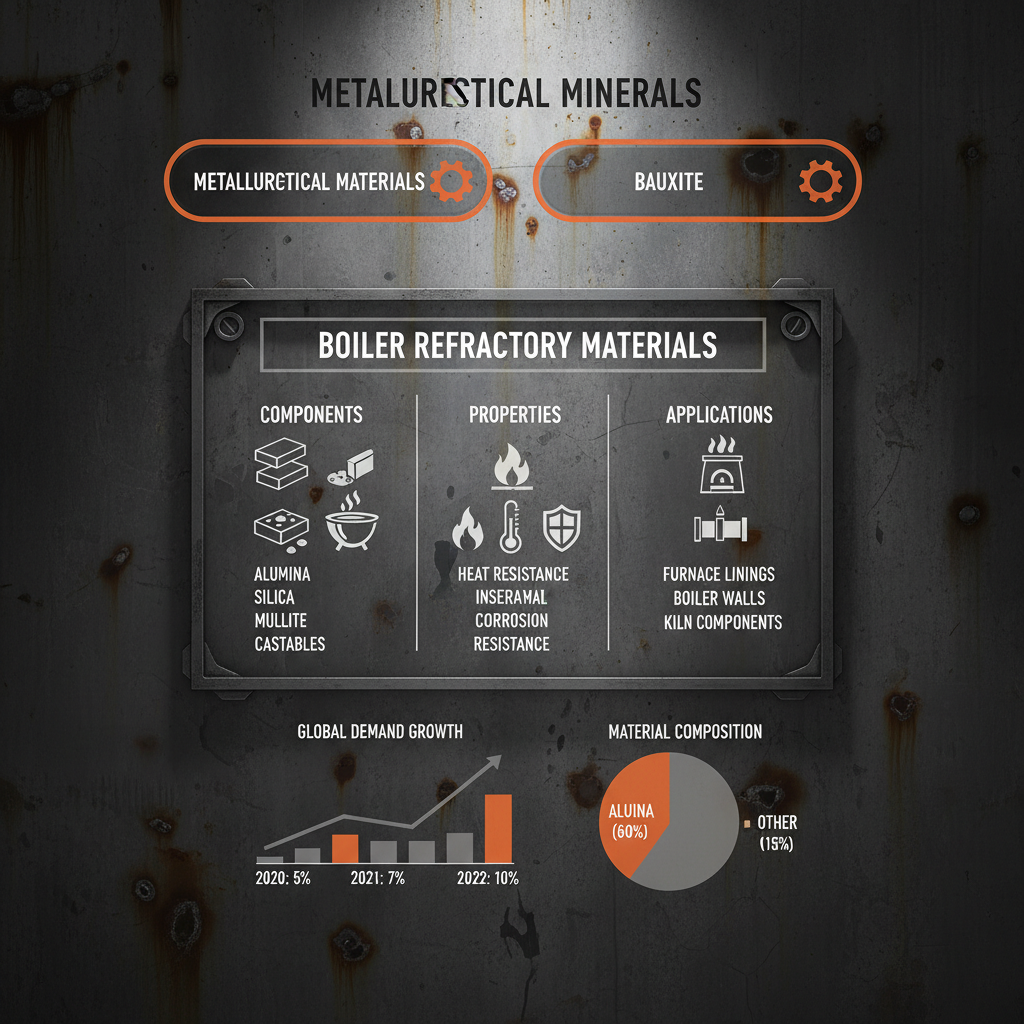
- Furnace Walls: High-alumina bricks and castable refractories for high-temperature resistance.
- Roof and Crown: Silica bricks for their thermal shock resistance.
- Burner Areas: Magnesia or chromite bricks for resistance to slag attack.
- Boiler Floor: Castable refractories offering wear resistance.
Proper installation and maintenance of these materials are crucial for extending their service life and ensuring optimal boiler performance. Xingtai LuXi Refractory Co., Ltd. provides solutions tailored to these specific applications.
Factors to Consider When Purchasing Boiler Refractory Materials
When sourcing boiler refractory materials, consider these factors:
- Material Properties: Match the material to the specific operating conditions of the boiler.
- Supplier Reputation: Choose a reputable supplier with a proven track record of quality and reliability.
- Cost: Balance cost with performance and longevity.
- Availability: Ensure timely delivery to minimize downtime.
- Technical Support: Seek suppliers offering technical assistance and guidance.
Xingtai LuXi Refractory Co., Ltd. offers expert guidance and a wide range of high-quality refractory solutions.
Conclusion: Selecting the Right Refractory for Boiler Efficiency
Choosing the right boiler refractory materials is crucial for optimizing performance, extending boiler lifespan, and ensuring safety. By carefully considering the factors discussed in this article and partnering with a trusted supplier like Xingtai LuXi Refractory Co., Ltd., you can ensure your boiler operates efficiently and reliably for years to come.
Frequently Asked Questions (FAQs)
What is the typical lifespan of boiler refractory lining?
The lifespan of boiler refractory lining varies significantly based on factors like operating temperature, fuel type, and the quality of the materials used. Generally, a well-maintained lining can last between 5 to 15 years. However, regular inspections are vital. Signs of degradation, such as cracks, spalling, or erosion, indicate the need for repair or replacement. The constant thermal cycling and chemical attacks contribute to wear and tear. Consistent monitoring and prompt maintenance are key to maximizing the lifespan of the refractory lining and preventing costly downtime. Xingtai LuXi provides consulting to help evaluate lining health.
How often should a boiler refractory lining be inspected?
A boiler refractory lining should be inspected at least annually, and more frequently if the boiler operates under harsh conditions or experiences frequent temperature fluctuations. Visual inspections should focus on identifying cracks, spalling, erosion, and any signs of structural weakness. Thermographic inspections can also be used to detect areas of heat loss, which may indicate refractory failure. Detailed inspections should be conducted during scheduled boiler shutdowns to allow for a more thorough assessment. Properly scheduled inspections prevent catastrophic failure and ensure safe operation.
What are the benefits of using castable refractory compared to brick?
Castable refractories offer several advantages over traditional brick linings. They can be molded into complex shapes, eliminating the need for cutting and fitting bricks, which saves time and labor. Castables also provide a seamless lining, reducing the risk of heat loss and minimizing the potential for slag penetration. They offer superior resistance to thermal shock and can withstand higher temperatures than many brick types. However, proper mixing and installation are crucial for achieving optimal performance with castable refractories. Xingtai LuXi offers both options to suit your needs.
-
Professional Boiler Refractory Material Supplier for Industrial Efficiency
NewsApr.16,2026
-
How to Choose the Best refractory materials suppliers for Success
NewsApr.09,2026
-
Understanding Refractory Bricks Raw Materials for High Temperature Applications
NewsApr.07,2026
-
PLIbrico Refractory Materials Understanding Applications and Benefits
NewsApr.04,2026
-
Advancements in Reversible Thermal Expansion Refractory Materials for High Temperature Applications
NewsMar.31,2026
-
Comprehensive Guide to Refractory Kiln Lining Material Selection and Applications
NewsMar.28,2026