
Jan . 28, 2026 11:35 Back to list
Comprehensive Guide to Gas Pipe Joining and Insulating Material Selection
Gas Pipe Joining and Insulating Materials: A Comprehensive Guide
Ensuring the safety and longevity of gas pipelines requires the correct selection of joining and insulating materials. Choosing the right materials is critical for preventing leaks, corrosion, and ensuring compliance with industry regulations. This article provides an in-depth overview of gas pipe joining insulating material, covering types, applications, and best practices. Proper insulation and secure joining are vital for the efficient and safe delivery of gas, protecting both infrastructure and consumers. Xingtai Luxi offers a range of high-quality solutions to meet diverse needs.
Understanding Gas Pipe Joining Materials
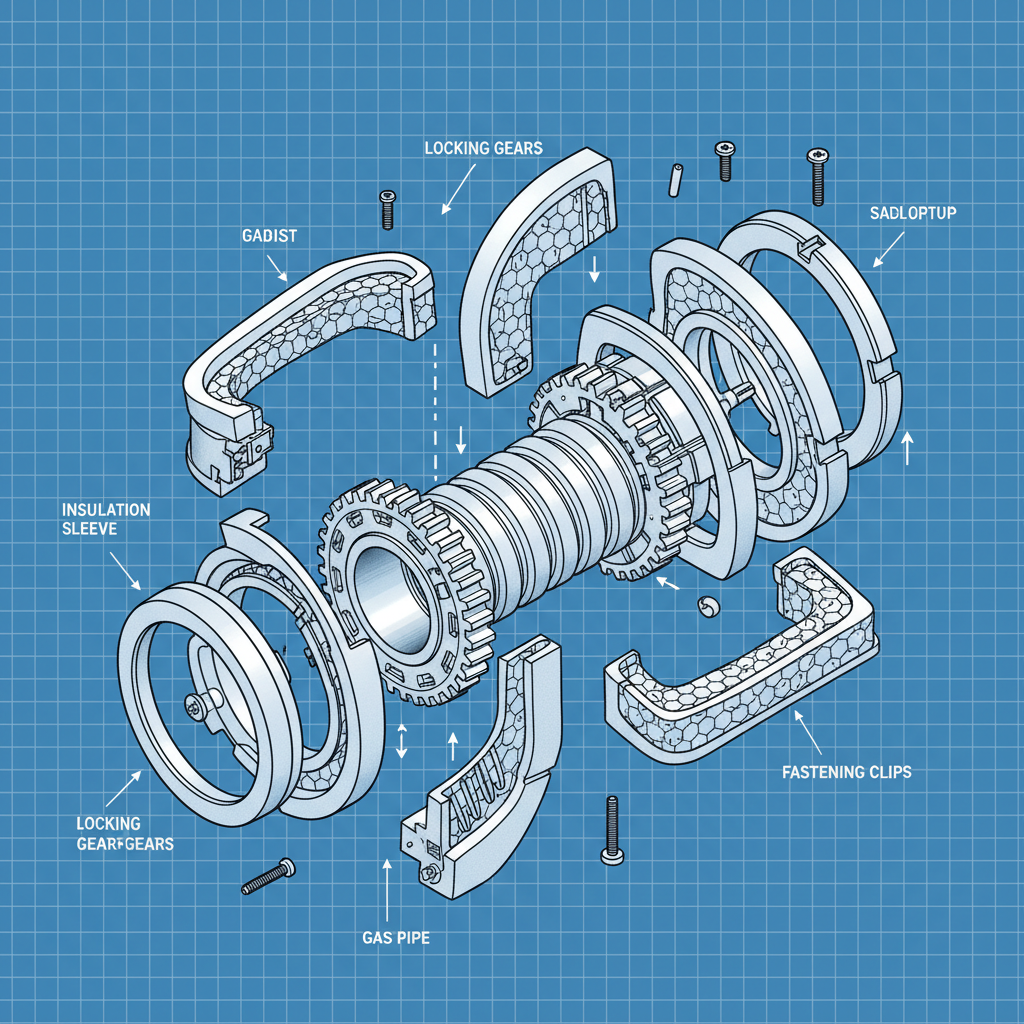
Several materials are commonly used for joining gas pipes, each offering different advantages depending on the pipe material, pressure requirements, and environmental conditions. These include welding, threading with sealants, flanging, and the use of compression fittings. The choice of material directly impacts the pipeline’s integrity and long-term performance. For example, welding provides a strong, permanent joint suitable for high-pressure applications, while compression fittings are ideal for smaller diameter pipes and easier installation. Regular inspections are critical to ensure joint integrity, regardless of the joining method used.
Key Considerations: Choosing the right joining material depends on the pipe material (steel, polyethylene, etc.), gas pressure, operating temperature, and required longevity. Compliance with local regulations is also paramount.
The Importance of Insulating Materials for Gas Pipes
Insulating gas pipes is crucial for preventing condensation, reducing heat loss, and protecting against corrosion. Condensation can lead to internal corrosion, weakening the pipe and potentially causing leaks. Insulation also maintains gas pressure and prevents freezing in cold climates. Common insulating materials include polyethylene foam, fiberglass, and rubber-based materials. The choice of insulation depends on the pipe diameter, operating temperature, and environmental exposure. Effective insulation extends the lifespan of the pipeline and enhances its overall efficiency. Xingtai Luxi provides specialized insulation solutions tailored to various gas pipeline applications.
Insulation Benefits:
• Prevents condensation and corrosion
• Reduces heat loss and maintains gas pressure
• Protects against freezing in cold climates
• Extends pipeline lifespan
Gas Pipe Joining Methods: A Comparison
Different gas pipe joining methods suit different applications and pipe materials. Understanding the strengths and weaknesses of each method is vital for ensuring a reliable and safe connection. This comparison highlights key differences.
Choosing the Right Insulating Material: Key Considerations
Selecting the appropriate insulating material is critical for optimal pipeline performance. Factors to consider include the pipe material, operating temperature, environmental conditions, and local regulations. Materials such as closed-cell polyethylene foam offer excellent moisture resistance and thermal insulation, making them suitable for underground applications. Fiberglass provides good thermal performance but requires a protective coating to prevent moisture absorption. Rubber-based materials are flexible and can conform to irregular pipe shapes, providing a tight seal. Xingtai Luxi offers a comprehensive range of insulating materials to suit diverse needs.
Product Specifications: Xingtai Luxi Insulating Sleeves
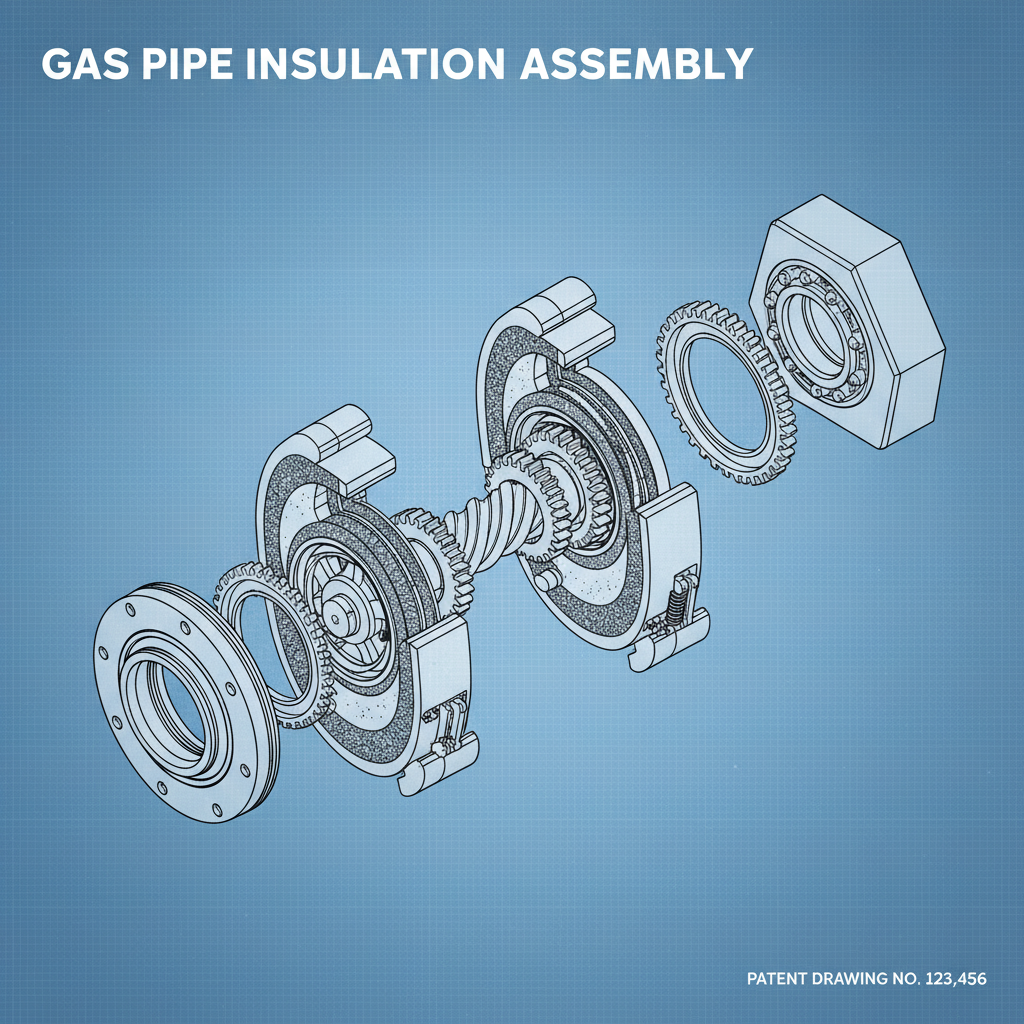
Xingtai Luxi offers a range of high-quality insulating sleeves designed for gas pipelines. Here's a quick overview of key specifications:
Conclusion: Ensuring Pipeline Integrity with Quality Materials
Investing in high-quality gas pipe joining insulating material is essential for the long-term safety and efficiency of gas pipelines. Proper material selection, installation, and maintenance are crucial for preventing leaks, corrosion, and ensuring regulatory compliance. Xingtai Luxi offers a comprehensive range of solutions to meet your specific needs, backed by expert support and quality assurance. Don’t compromise on pipeline integrity – choose Xingtai Luxi.
Frequently Asked Questions (FAQs)
What is the expected lifespan of polyethylene foam insulation on a gas pipeline?
The lifespan of polyethylene foam insulation typically ranges from 20 to 30 years, depending on environmental factors such as UV exposure, soil conditions, and temperature fluctuations. Regular inspections are essential to identify any signs of degradation, such as cracking or compression. Protecting the insulation from direct sunlight and physical damage can significantly extend its lifespan. Choosing a high-density foam with a durable outer jacket will also enhance longevity. Proper installation, ensuring a tight seal and preventing moisture ingress, is crucial for maximizing its effectiveness.
What are the key benefits of using compression fittings for gas pipe connections?
Compression fittings offer several advantages, including quick and easy installation, requiring no welding or threading. They are particularly suitable for polyethylene (PE) and polypropylene (PP) pipes. They create a tight, leak-proof seal when properly tightened. However, it’s crucial to use the correct size fitting and tightening torque, as specified by the manufacturer. Compression fittings are ideal for smaller diameter pipes and situations where welding is not feasible. Regular inspection is recommended to ensure the fitting remains securely tightened.
How does Xingtai Luxi ensure the quality of its insulating materials?
Xingtai Luxi adheres to stringent quality control standards throughout the manufacturing process. We use premium raw materials and employ advanced testing methods to ensure our insulating materials meet or exceed industry specifications. Our products undergo rigorous testing for thermal conductivity, water absorption, and mechanical strength. We also maintain ISO 9001 certification, demonstrating our commitment to quality management. All products are accompanied by detailed specifications and certificates of compliance. Visit Xingtai Luxi’s website for more information.
-
Professional Boiler Refractory Material Supplier for Industrial Efficiency
NewsApr.16,2026
-
How to Choose the Best refractory materials suppliers for Success
NewsApr.09,2026
-
Understanding Refractory Bricks Raw Materials for High Temperature Applications
NewsApr.07,2026
-
PLIbrico Refractory Materials Understanding Applications and Benefits
NewsApr.04,2026
-
Advancements in Reversible Thermal Expansion Refractory Materials for High Temperature Applications
NewsMar.31,2026
-
Comprehensive Guide to Refractory Kiln Lining Material Selection and Applications
NewsMar.28,2026