
Mar . 03, 2026 18:15 Back to list
Comprehensive Guide to Lightweight Refractory Material for Industrial Applications
Lightweight Refractory Material: A Comprehensive Guide
In high-temperature industrial applications, the selection of appropriate refractory materials is crucial for operational efficiency and safety. Xingtai LuXi Refractory Materials Co., Ltd. specializes in providing high-quality refractory material lightweight solutions. This article explores the benefits, applications, and types of lightweight refractory materials, offering insights for optimal material selection. Choosing the right refractory lining can significantly extend the life of furnaces, kilns, and other high-temperature equipment.
Understanding Lightweight Refractory Materials
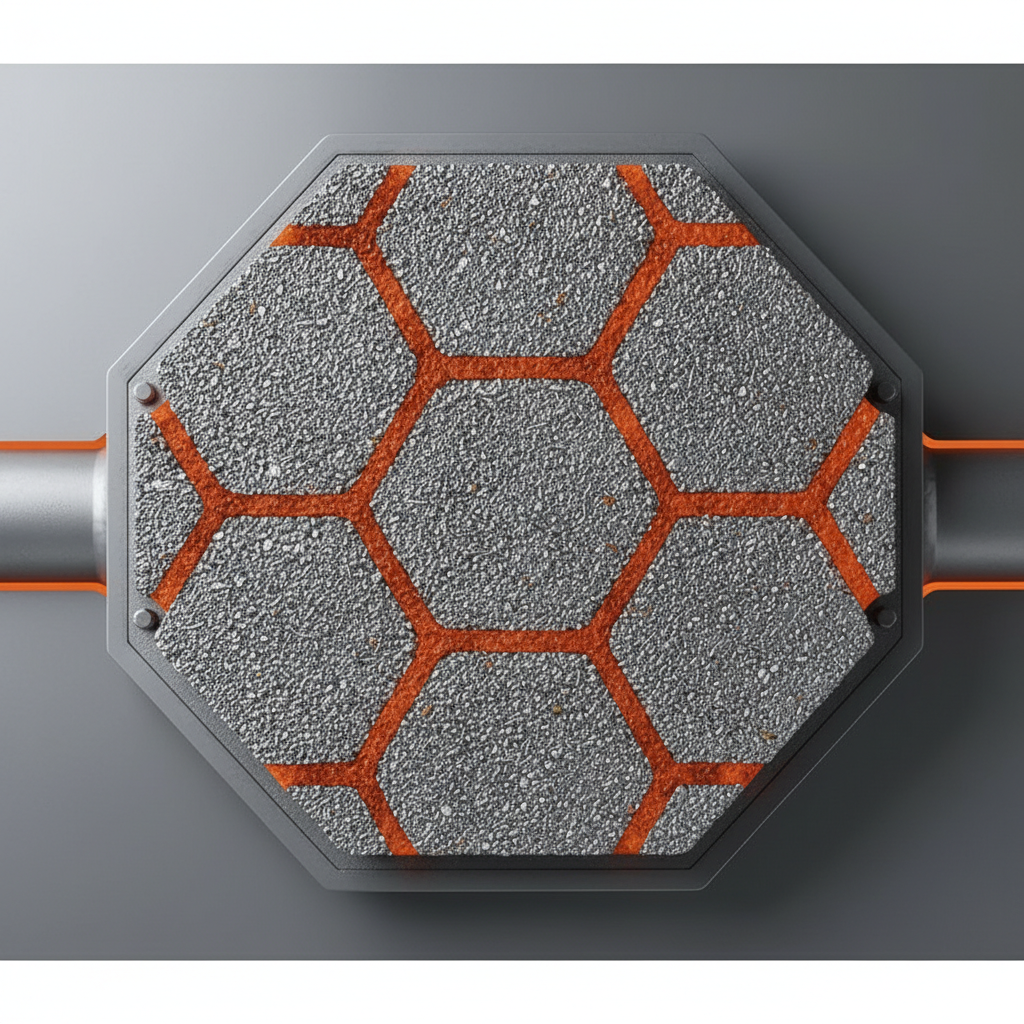
Lightweight refractory materials are designed to offer the same or superior thermal insulation properties as traditional refractories, but with significantly reduced weight. This reduction in weight translates to several advantages, including lower structural support costs, faster installation times, and improved energy efficiency. These materials achieve their low density through the incorporation of lightweight aggregates, such as alumina bubbles, silica fume, or vermiculite. They're essential in industries demanding high-temperature resistance and thermal stability. The use of refractory material lightweight is a core component of modern industrial furnace design.
Key Benefits: Reduced weight, improved thermal insulation, faster installation, lower structural support costs, enhanced energy efficiency, and prolonged equipment lifespan.
Types of Lightweight Refractory Materials
Several types of lightweight refractory materials are available, each with unique properties and applications. Common types include:
- Lightweight Castables: These are pre-mixed materials that are cast into place and cured. They offer good strength and are suitable for complex shapes.
- Lightweight Bricks: Manufactured with lightweight aggregates, these bricks provide excellent thermal insulation.
- Ceramic Fiber Products: Including boards, blankets, and modules, ceramic fibers are known for their exceptional thermal resistance and low weight.
- Insulating Firebricks: Containing a high proportion of porosity, these bricks offer good thermal insulation at moderate temperatures.
Applications of Refractory Material Lightweight
Lightweight refractory materials find widespread application across numerous industries, including:
- Steel Industry: Lining of ladles, furnaces, and continuous casting equipment.
- Cement Industry: Kiln linings and preheater towers.
- Petrochemical Industry: Reformers, ethylene crackers, and heaters.
- Power Generation: Boilers and incinerators.
- Glass Industry: Furnace linings and regenerators.
The specific choice of material depends on factors such as operating temperature, chemical environment, and mechanical stress. Xingtai LuXi Refractory Materials Co., Ltd. provides tailored solutions to meet these diverse requirements.
Comparison of Lightweight and Traditional Refractory Materials
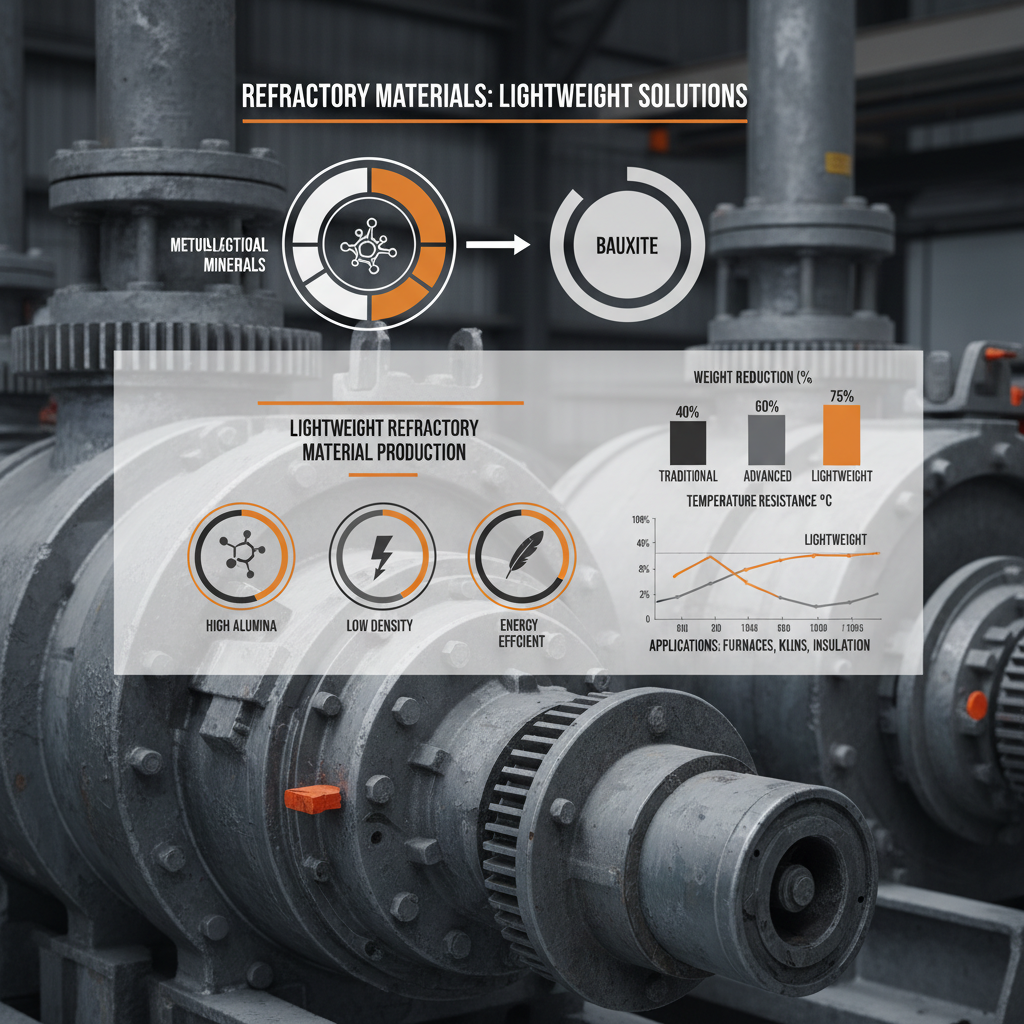
Here's a comparison highlighting the key differences between lightweight and traditional refractory materials:
Selecting the Right Lightweight Refractory Material
Choosing the optimal lightweight refractory material requires careful consideration of several factors. These include operating temperature, chemical atmosphere, mechanical stresses, and thermal cycling conditions. Xingtai LuXi Refractory Materials Co., Ltd. offers expert consultation and material selection assistance to ensure your specific needs are met. Our experienced engineers can analyze your application and recommend the most suitable solution for maximizing efficiency and longevity.
Conclusion: Optimizing Performance with Lightweight Refractories
Investing in refractory material lightweight from a reputable supplier like Xingtai LuXi Refractory Materials Co., Ltd. is a strategic step toward improving operational efficiency, reducing energy consumption, and extending the lifespan of high-temperature equipment. By carefully considering application requirements and choosing the appropriate material, businesses can unlock significant long-term benefits.
Frequently Asked Questions (FAQs)
What are the main advantages of using lightweight refractory materials?
The primary advantages include reduced weight, which lowers structural support costs and simplifies installation. Lightweight refractories also provide superior thermal insulation, minimizing heat loss and improving energy efficiency. This leads to lower operating costs and a reduced environmental footprint. They are particularly beneficial in applications where weight is a critical factor, such as large furnaces or mobile equipment. Selecting the right refractory material lightweight is an investment in long-term performance and cost savings.
How does temperature affect the performance of lightweight refractories?
Temperature plays a crucial role. Lightweight refractories are designed to perform optimally within specific temperature ranges. Exceeding the recommended maximum temperature can lead to material degradation and failure. Similarly, operating significantly below the recommended temperature may not fully utilize the material's insulating properties. It’s vital to select a material rated for the expected operating temperature and to monitor temperatures during operation. Xingtai LuXi Refractory Materials Co., Ltd. offers materials tailored for a wide range of temperature applications.
What is the typical lifespan of lightweight refractory linings?
The lifespan depends heavily on several factors, including operating temperature, thermal shock, chemical attack, and mechanical stress. With proper installation and maintenance, a lightweight refractory lining can typically last 5-10 years, or even longer. Regular inspections are essential to identify any signs of wear or damage. Prompt repair or replacement of damaged sections can significantly extend the overall lifespan.
Can lightweight refractories be used in vacuum environments?
Yes, certain types of lightweight refractories are suitable for vacuum environments. However, it's crucial to select materials with low outgassing properties to prevent contamination of the vacuum. Ceramic fiber materials are often preferred for vacuum applications due to their low permeability and minimal outgassing. Consult with Xingtai LuXi Refractory Materials Co., Ltd. to determine the best material for your specific vacuum application.
-
Professional Boiler Refractory Material Supplier for Industrial Efficiency
NewsApr.16,2026
-
How to Choose the Best refractory materials suppliers for Success
NewsApr.09,2026
-
Understanding Refractory Bricks Raw Materials for High Temperature Applications
NewsApr.07,2026
-
PLIbrico Refractory Materials Understanding Applications and Benefits
NewsApr.04,2026
-
Advancements in Reversible Thermal Expansion Refractory Materials for High Temperature Applications
NewsMar.31,2026
-
Comprehensive Guide to Refractory Kiln Lining Material Selection and Applications
NewsMar.28,2026