
Mar . 08, 2026 02:05 Back to list
Comprehensive Guide to Selecting the Right Hose for Refractory Materials
Hose for Refractory Materials: A Comprehensive Guide
Refractory materials are essential in high-temperature applications across industries like steel, cement, and glass. Efficient and reliable transfer of these materials relies heavily on the quality of the hose for refractory materials used. This article will delve into the types, applications, materials, and selection criteria for these specialized hoses, providing a comprehensive overview for professionals and purchasing managers. Selecting the right hose ensures optimal performance, safety, and longevity in demanding environments.
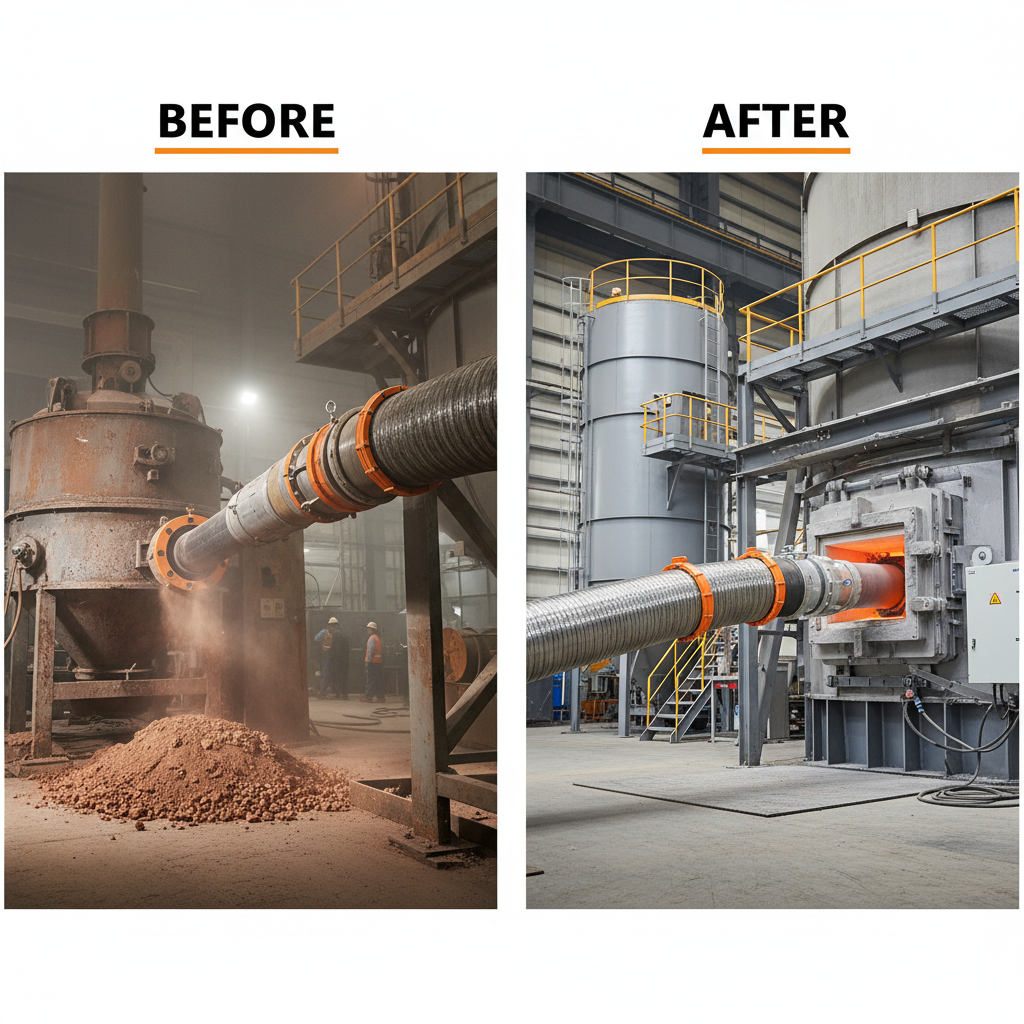
Understanding Refractory Material Transfer
Transferring refractory materials, such as dry powders, granules, or slurries, presents unique challenges. These materials are often abrasive, high in temperature, and can be chemically aggressive. Standard hoses are quickly degraded under these conditions. Specialized hoses for refractory materials are engineered to withstand these harsh demands, ensuring minimal material loss and maintaining operational efficiency. Proper hose selection directly impacts the productivity and cost-effectiveness of refractory material handling processes.
Key Benefits: Enhanced durability, reduced material loss, improved safety, and increased operational efficiency in high-temperature and abrasive environments.
Types of Hose for Refractory Materials
Several types of hoses cater to different refractory material handling needs. These include rubber hoses reinforced with steel wire, composite hoses with multiple layers of materials, and specialized silicone hoses for extreme temperatures. The choice depends on factors like material type, temperature, pressure, and the presence of abrasive particles. Different hose constructions offer varying levels of flexibility, chemical resistance, and temperature tolerance. Understanding these differences is crucial for selecting the optimal solution.
Hose Type Breakdown:
• Rubber Hoses: Cost-effective for general-purpose applications.
• Composite Hoses: Offer excellent flexibility and resistance to abrasion.
• Silicone Hoses: Ideal for extremely high temperatures and chemical resistance.
Key Materials Used in Hose Construction
The materials used in the hose's construction are paramount to its performance. Common materials include EPDM rubber, silicone, natural rubber, and various reinforcing fabrics like steel wire and nylon. The inner layer is typically made from a material resistant to abrasion and chemical attack from the refractory material. The outer layer provides protection against environmental factors and physical damage. Xingtai Luxi specializes in providing hoses with tailored material selections to meet specific application requirements.
Selecting the Right Hose: Key Considerations
Choosing the appropriate hose requires careful evaluation of several factors. These include the type of refractory material being transferred, the operating temperature, the pressure requirements, the presence of abrasive particles, and the length of the hose run. Consider the frequency of use and the potential for exposure to chemicals. Properly specifying these parameters ensures optimal performance and a longer service life. Consulting with a hose supplier like Xingtai Luxi can provide valuable expertise and guidance.
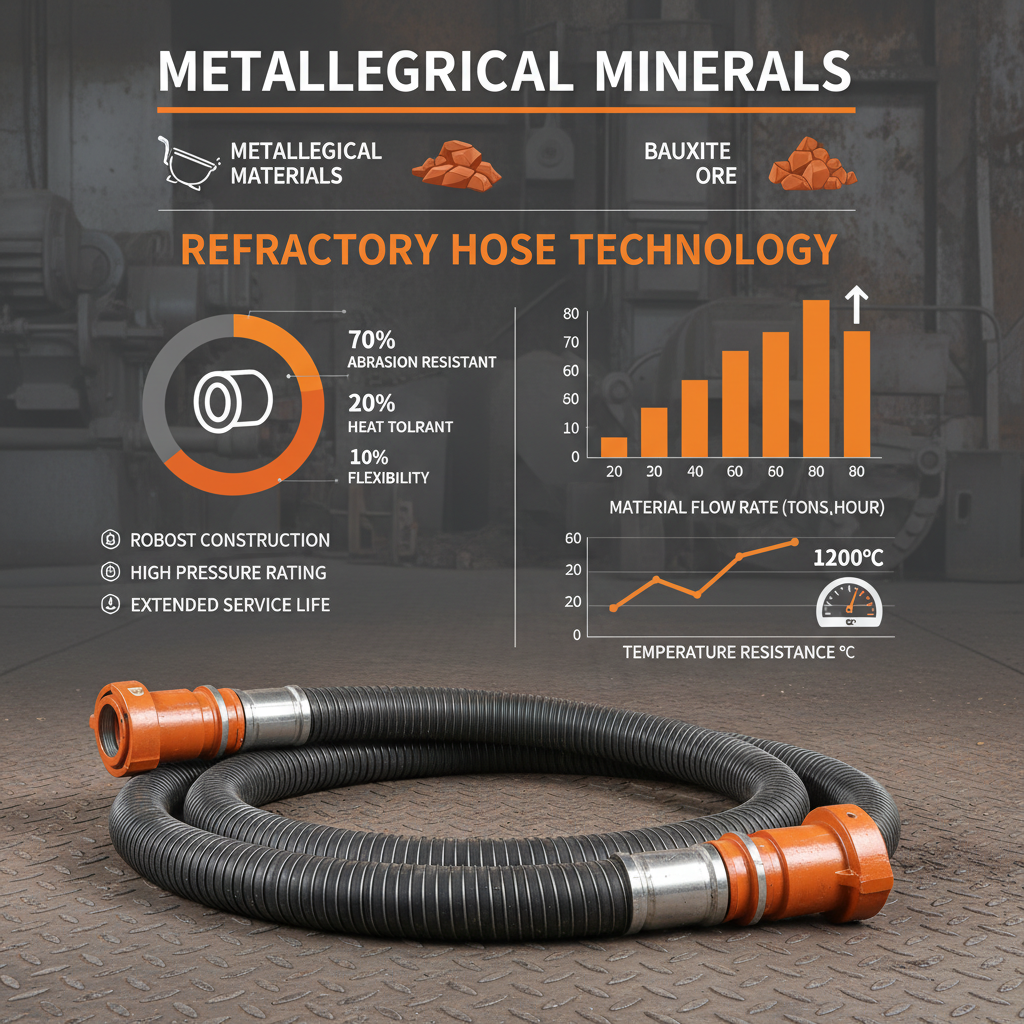
Maintenance and Safety Guidelines
Regular inspection is crucial for maintaining the integrity of hoses for refractory materials. Check for signs of wear, cracking, or abrasion. Replace the hose immediately if any damage is detected. Ensure proper storage when the hose is not in use, protecting it from extreme temperatures and direct sunlight. Always follow safety guidelines when handling refractory materials and hoses, including wearing appropriate personal protective equipment (PPE). Regular maintenance extends the hose’s lifespan and prevents costly downtime.
Conclusion: Optimizing Refractory Material Handling
Selecting the right hose for refractory materials is vital for efficient and safe operations. By considering material compatibility, temperature requirements, and abrasion resistance, you can ensure optimal performance and longevity. Investing in high-quality hoses from a reputable supplier like Xingtai Luxi is a proactive step toward reducing downtime and maximizing productivity. Don't compromise on quality – choose the right hose for your application.
Frequently Asked Questions (FAQs)
What is the typical service life of a refractory material hose?
The service life depends significantly on the application's severity. Factors like material abrasiveness, temperature fluctuations, and frequency of use play crucial roles. Generally, a well-maintained hose can last between 6 months and 2 years. Regular inspections for wear and tear, as well as adherence to recommended operating pressures and temperatures, can maximize its lifespan. Early detection of damage is key to preventing unexpected failures and ensuring continuous operation.
How do I determine the correct hose diameter for my application?
Correct hose diameter is crucial for efficient material transfer. It depends on the material's flow characteristics, the distance it needs to travel, and the desired flow rate. Undersized hoses can create excessive backpressure, while oversized hoses may reduce flow velocity. Consulting with a hose specialist, like those at Xingtai Luxi, is recommended. They can provide calculations and recommendations based on your specific application requirements.
What safety precautions should be taken when using a refractory material hose?
Always wear appropriate personal protective equipment (PPE), including gloves, safety glasses, and a dust mask, when handling refractory materials and hoses. Ensure the hose is properly connected and secured to prevent leaks or disconnections. Never exceed the hose's maximum pressure rating. Regularly inspect the hose for any signs of damage. Be aware of the potential for hot materials and take necessary precautions to avoid burns. Follow all safety guidelines provided by the hose manufacturer and your company’s safety procedures.
-
Professional Boiler Refractory Material Supplier for Industrial Efficiency
NewsApr.16,2026
-
How to Choose the Best refractory materials suppliers for Success
NewsApr.09,2026
-
Understanding Refractory Bricks Raw Materials for High Temperature Applications
NewsApr.07,2026
-
PLIbrico Refractory Materials Understanding Applications and Benefits
NewsApr.04,2026
-
Advancements in Reversible Thermal Expansion Refractory Materials for High Temperature Applications
NewsMar.31,2026
-
Comprehensive Guide to Refractory Kiln Lining Material Selection and Applications
NewsMar.28,2026