
Mar . 06, 2026 02:35 Back to list
Exploring Refractory Photonic Materials Advancements and Diverse Applications
Refractory Photonic Materials: A Deep Dive into Applications and Advancements
Refractory photonic materials (RPMs) are a fascinating class of compounds garnering increasing attention across diverse technological fields. These materials exhibit exceptional optical properties at high temperatures, making them crucial for applications ranging from aerospace engineering to advanced lighting systems. Understanding their unique characteristics and potential is paramount for researchers and industries alike. This article delves into the world of RPMs, exploring their properties, manufacturing, applications, and future trends. Explore the latest innovations and how Xingtai LuXi can provide cutting-edge refractory materials for your needs.
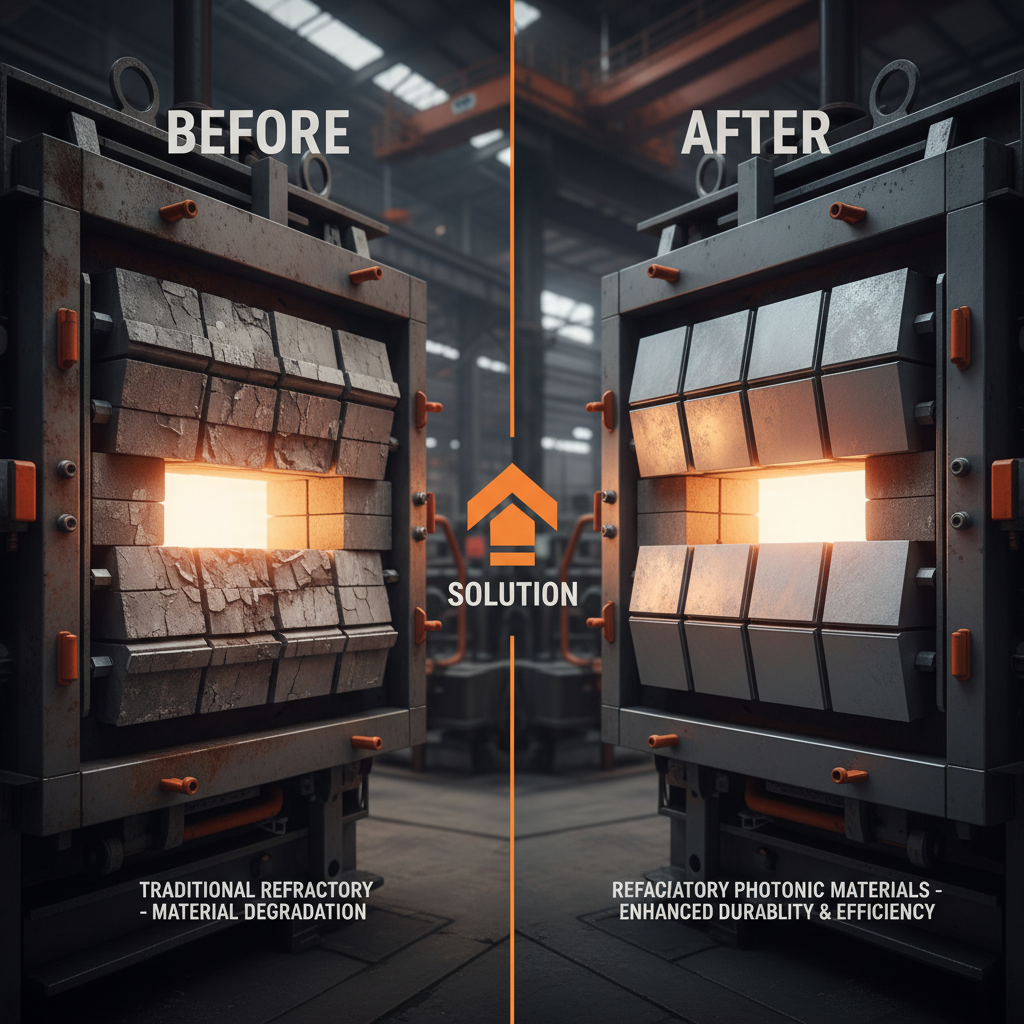
What Defines Refractory Photonic Materials?
Refractory materials are defined by their ability to retain strength and physical properties at high temperatures, typically exceeding 1000°C. When combined with photonic characteristics—manipulating light—these materials become invaluable. RPMs generally comprise carbides, nitrides, and borides of transition metals. Their high melting points, chemical inertness, and tunable optical properties make them ideal for extreme environments. These materials exhibit low thermal expansion and exceptional resistance to oxidation, further contributing to their durability and performance. The ability to control light within these materials opens doors to exciting advancements in numerous sectors.
Key Highlights: RPMs combine high-temperature resilience with unique light manipulation capabilities, making them essential for cutting-edge technology.
Key Properties of Refractory Photonic Materials
Several key properties define the effectiveness of RPMs in diverse applications. These include high refractive index, low optical absorption, and tunable dielectric properties. The refractive index dictates how light bends when entering the material, while low absorption minimizes energy loss. Tunable dielectric properties allow for controlling the material's interaction with electromagnetic fields. Moreover, their mechanical strength at high temperatures is critical, ensuring structural integrity in harsh conditions. Xingtai LuXi specializes in tailoring these properties to meet specific application requirements.
Critical Properties:
• High refractive index
• Low optical absorption
• Tunable dielectric properties
• Excellent high-temperature mechanical strength
Applications of Refractory Photonic Materials
The unique characteristics of RPMs translate into a wide array of applications. In aerospace, they are used in thermal protection systems for hypersonic vehicles and in high-temperature windows for sensors. Within the energy sector, RPMs are employed in high-efficiency solar cells and as coatings for nuclear reactor components. Advanced lighting systems benefit from their ability to manage high-intensity light sources. Emerging applications include high-temperature lasers and advanced optical sensors. The growing demand for these materials is driving ongoing research and development.
Manufacturing Processes for Refractory Photonic Materials
Creating RPMs requires advanced manufacturing techniques due to their high melting points and chemical inertness. Common methods include powder metallurgy, chemical vapor deposition (CVD), and spark plasma sintering (SPS). Powder metallurgy involves compacting and sintering powdered RPM precursors, while CVD relies on gas-phase reactions to deposit thin films. SPS utilizes pulsed current to rapidly consolidate powders, resulting in dense materials. Each method offers advantages and disadvantages depending on the desired material properties and application. Xingtai LuXi utilizes state-of-the-art facilities and expertise to manufacture RPMs with exceptional quality and precision.

Future Trends and Challenges in RPM Research
The field of RPMs is continuously evolving. Current research focuses on developing novel compositions with enhanced optical properties and improved processability. Exploring new manufacturing techniques, such as additive manufacturing (3D printing), is also a priority. A significant challenge lies in reducing the cost of production while maintaining high material quality. Further research into the fundamental properties of these materials and their interactions with light will unlock even more exciting applications. The development of RPMs with tailored properties will be critical for addressing the demands of emerging technologies.
Conclusion: The Bright Future of Refractory Photonic Materials
Refractory photonic materials are poised to revolutionize numerous industries with their unique combination of properties. From aerospace and energy to advanced lighting and sensing, their potential is immense. Companies like Xingtai LuXi are at the forefront of this innovation, providing high-quality RPMs and tailored solutions for diverse applications. The continued development of these materials promises a brighter and more technologically advanced future.
Frequently Asked Questions (FAQs)
What are the primary challenges in working with refractory photonic materials?
Working with RPMs presents several challenges. Their high melting points and chemical inertness require specialized manufacturing techniques and equipment. Achieving high density and minimizing porosity can be difficult. Furthermore, machining and shaping these materials often necessitate the use of diamond tools. The cost of raw materials and processing can also be relatively high. However, advancements in manufacturing technologies are continuously addressing these challenges.
How do RPMs compare to traditional optical materials like glass?
RPMs offer significant advantages over traditional optical materials like glass in high-temperature environments. Glass softens and loses its optical properties at elevated temperatures, whereas RPMs maintain their structural and optical integrity. RPMs also exhibit higher refractive indices and lower optical absorption in certain spectral ranges. While glass is generally easier and cheaper to manufacture, RPMs are essential for applications requiring extreme thermal stability and performance.
What is the role of Xingtai LuXi in the RPM market?
Xingtai LuXi is a leading provider of high-quality refractory materials, including a comprehensive range of RPMs. We specialize in customized solutions tailored to meet the specific needs of our clients. Our state-of-the-art manufacturing facilities, coupled with our expertise in materials science, enable us to deliver products with exceptional performance and reliability. We are committed to innovation and continuously investing in research and development to stay at the forefront of the RPM industry.
Are RPMs environmentally friendly?
The environmental impact of RPMs depends on the specific materials and manufacturing processes used. Some RPMs contain elements that require careful handling and disposal. However, their durability and long lifespan can reduce the need for frequent replacements, minimizing waste. Furthermore, ongoing research is focused on developing more sustainable manufacturing methods and exploring eco-friendly RPM compositions.
-
Professional Boiler Refractory Material Supplier for Industrial Efficiency
NewsApr.16,2026
-
How to Choose the Best refractory materials suppliers for Success
NewsApr.09,2026
-
Understanding Refractory Bricks Raw Materials for High Temperature Applications
NewsApr.07,2026
-
PLIbrico Refractory Materials Understanding Applications and Benefits
NewsApr.04,2026
-
Advancements in Reversible Thermal Expansion Refractory Materials for High Temperature Applications
NewsMar.31,2026
-
Comprehensive Guide to Refractory Kiln Lining Material Selection and Applications
NewsMar.28,2026