In the demanding world of metallurgical processing and refractory materials, pink bauxite stands out as a critical mineral resource known for its exceptional purity and thermal stability. As global industries push toward higher efficiency and reduced carbon footprints, the role of high-grade alumina sources becomes paramount in ensuring the longevity of industrial linings and the quality of final metal products.
Understanding the specific properties of pink bauxite is not merely a technical necessity but a strategic advantage for plant managers and engineers. By leveraging its unique chemical composition, manufacturers can significantly reduce maintenance downtime and optimize energy consumption during the heating and casting phases of steel production.
This comprehensive guide explores the multifaceted applications of this material, from its raw mineral characteristics to its integration into advanced vibrating materials. Whether you are optimizing a tundish lining or seeking a sustainable refractory solution, understanding the impact of pink bauxite is the first step toward industrial excellence.
Global Relevance of Pink Bauxite in Metallurgy
On a global scale, the demand for high-performance refractories is inextricably linked to the availability of premium pink bauxite. As highlighted by international industrial standards, the purity of alumina precursors directly correlates with the withstand pressure and thermal shock resistance of the final product. In regions with heavy steel production, such as East Asia and Europe, the transition to these specialized materials has allowed plants to extend their continuous casting times beyond 35 hours.
The primary challenge facing modern smelters is the erosion of linings caused by molten steel and slag. By integrating pink bauxite into the refractory mix, industries can achieve a lower slagging rate and superior purification of liquid steel. This not only enhances the quality of the steel billet but also aligns with ISO environmental goals by reducing the waste generated from frequent lining replacements.
Defining Pink Bauxite and Its Industrial Role
At its core, pink bauxite is a high-grade aluminum ore characterized by its distinct coloration and high alumina content. Unlike standard bauxite, the "pink" variety often indicates a specific mineralogical composition that makes it more suitable for the production of calcined alumina and high-temperature refractory bricks. It serves as the foundational building block for materials that must survive the extreme environments of a furnace or a tundish.
In the context of modern industry, this material is not just a raw ore but a critical catalyst for operational efficiency. When processed into dry vibrating materials, it provides the necessary bulk density and structural integrity to withstand pressures exceeding 5.0 MPa. This makes it indispensable for the "membrane" construction process in tundishes, where a precise gap of 5-12cm must be maintained to ensure thermal insulation.
Furthermore, the humanitarian and economic impact of utilizing pink bauxite is seen in the reduction of labor intensity. The transition from complex, hand-laid bricks to high-efficiency vibrating materials—powered by the properties of this mineral—allows for simpler construction and significantly shorter baking times, reducing the energy overhead of the entire smelting facility.
Core Components Driving Performance
The durability of pink bauxite is rooted in its chemical purity. High levels of Al2O3 combined with controlled levels of SiO2 ensure that the material does not react prematurely with the molten metal, preventing the "clogging" often seen in lower-grade refractory setups.
Scalability and efficiency are achieved through the material's excellent bulk density. In practical applications, the use of pink bauxite allows for a "dry vibration" method, where the material is poured and vibrated into a dense state, ensuring a consistent thermal barrier that prevents heat loss.
Cost efficiency is perhaps the most tangible benefit. By reducing the baking time (often to just 1-2 hours at 250°C-400°C) and ensuring an easy "flipping" or decoating process after use, pink bauxite drastically lowers the operational cost per ton of steel produced.
Global Applications and Use Cases
The application of pink bauxite spans across diverse industrial zones, from the massive steel mills of China to specialized alloy plants in North America. One of the most critical use cases is in the construction of tundish linings, where the material is used as a dry vibrating agent to support the permanent lining, providing an explosion-proof barrier that is essential for worker safety.
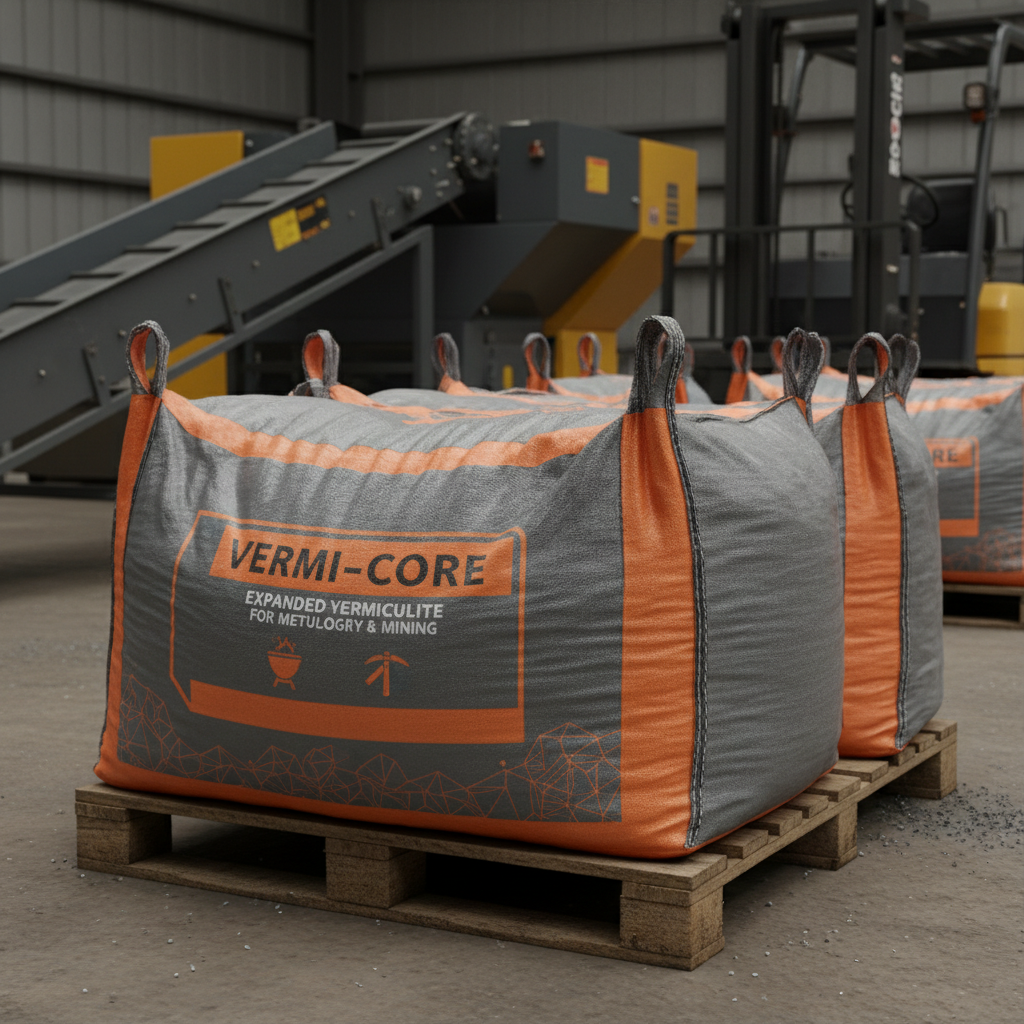
In remote industrial zones where logistics are challenging, the ability to transport pink bauxite in jumbo bags (1 ton) or smaller 10kg/25kg bags ensures that plants can maintain their refractory inventory without complex infrastructure. For example, in high-capacity continuous casting plants, the use of this material has proven to maintain stable temperatures for over 35 hours of continuous pouring, a feat previously difficult with traditional materials.
Performance Comparison of Bauxite-Based Refractories
Long-Term Value and Sustainability
The long-term value of investing in pink bauxite extends beyond immediate cost savings. By improving the purity of liquid steel and reducing the slagging rate, manufacturers can produce higher-grade steel billets with fewer defects. This shift toward quality reduces the need for re-smelting, which is one of the most energy-intensive processes in the entire metallurgical chain.
From a sustainability perspective, the "eco-friendly" nature of high-purity pink bauxite lies in its longevity and recyclability. Materials that last 35+ hours of casting significantly reduce the volume of refractory waste sent to landfills. Moreover, the reduced baking time directly translates to lower CO2 emissions from the heaters used in the tundish preparation process.
Future Trends in Bauxite Innovation
Looking ahead, the integration of pink bauxite is moving toward "smart refractories." Research is currently focused on incorporating nano-additives into the bauxite matrix to create self-healing linings that can close micro-cracks during the heating process. This would further extend the continuous casting window and enhance the safety of the operation.
Digital transformation is also playing a role, with AI-driven thermal modeling used to determine the exact amount of pink bauxite needed based on the specific grade of steel being poured. This "precision refractory" approach minimizes material waste and optimizes the thermal gradient across the tundish wall.
Furthermore, as the industry shifts toward green hydrogen-based steelmaking, the requirement for materials that can withstand different chemical atmospheres is growing. pink bauxite, due to its stable chemical nature, is being tested as a base for these next-generation, low-carbon smelting environments.
Overcoming Challenges in Implementation
Despite its advantages, the implementation of pink bauxite based materials can face challenges, primarily regarding the initial baking process. If the tundish wall is cooled too quickly after being "baked red," the cladding structure can loosen, compromising the material's performance. The solution lies in strict adherence to the thermal ramp-down protocol to guarantee a dense, monolithic structure.
Another common concern is nozzle clogging during the first tapping. To overcome this, expert insight suggests raising the temperature of the hot steel slightly during the initial pour. This ensures that any residual moisture or surface contaminants on the pink bauxite lining are fully neutralized, allowing for a smooth flow of metal.
Finally, sourcing consistent quality pink bauxite is essential. Variations in MgO or SiO2 content can lead to unpredictable linear changes during heating. By partnering with suppliers who provide rigorous physical and chemical indicators (such as bulk density ≥5.0 g/cm³), plants can ensure repeatable results and operational stability.
Technical Analysis of Pink Bauxite Application Parameters
| Material Grade |
Alumina Purity (%) |
Max Withstand Pressure |
Service Life (Hours) |
| Premium Pink Bauxite |
≥ 98% |
6.5 MPa |
40+ |
| Industrial Pink Bauxite |
95-97% |
5.2 MPa |
35 |
| Standard Pink Bauxite |
90-94% |
4.8 MPa |
28 |
| Mixed Bauxite Blend |
85-89% |
4.0 MPa |
20 |
| Low-Grade Bauxite |
< 85% |
3.2 MPa |
15 |
| Experimental Hybrid |
96% |
5.8 MPa |
32 |
FAQS
Pink bauxite generally possesses a higher concentration of alumina and lower impurities, which translates to superior thermal stability and higher withstand pressure. In industrial settings, this means the refractory lining can endure more extreme temperatures without degrading, directly extending the continuous casting time of a tundish to over 35 hours.
The use of pink bauxite in dry vibrating materials allows for a significantly shorter baking time. Because of its efficient thermal conductivity and purity, it reaches the required temperature faster and holds it more consistently, reducing the energy consumption of the heaters and lowering the overall carbon footprint of the operation.
Yes, provided the thermal and chemical requirements match. Its high erosion resistance makes it ideal for both carbon steel and alloy steel production. The key is ensuring the correct bulk density and chemical composition (such as MgO and SiO2 levels) are matched to the specific slagging characteristics of the metal being poured.
Actually, it is designed to reduce labor intensity. The process involves manually pouring the dry material into the gap between the permanent lining and the metal membrane, then using a vibrator to densify it. This is far more efficient than traditional brick-laying and reduces the construction time from days to hours.
Loose cladding occurs if the tundish wall is cooled too rapidly after the "bake red" phase. To prevent this, operators must ensure a controlled cooling process. When done correctly, pink bauxite creates a tight, secure bond that provides maximum protection and stability throughout the casting cycle.
It should be stored in a dry, ventilated environment to prevent moisture absorption. We provide the material in 1ton Jumbo Bags or smaller 10kg/25kg bags to keep it protected from the elements. Keeping the material dry is crucial to avoid steam explosion risks during the initial heating phase.
Conclusion
In summary, pink bauxite is much more than a simple mineral; it is a foundational element of modern metallurgical efficiency. By providing exceptional thermal stability, reducing the slagging rate, and enabling rapid installation via dry vibration, it allows steel plants to maximize their output while minimizing downtime. The synergy between its chemical purity and physical durability ensures that it remains the gold standard for high-performance tundish linings.
As the industry moves toward more sustainable and digitalized production, the importance of high-grade materials like pink bauxite will only grow. We encourage plant engineers and procurement specialists to prioritize alumina purity and bulk density to secure long-term operational stability. For high-quality refractory solutions and technical support, visit our website: www.xingtailuxi.com.