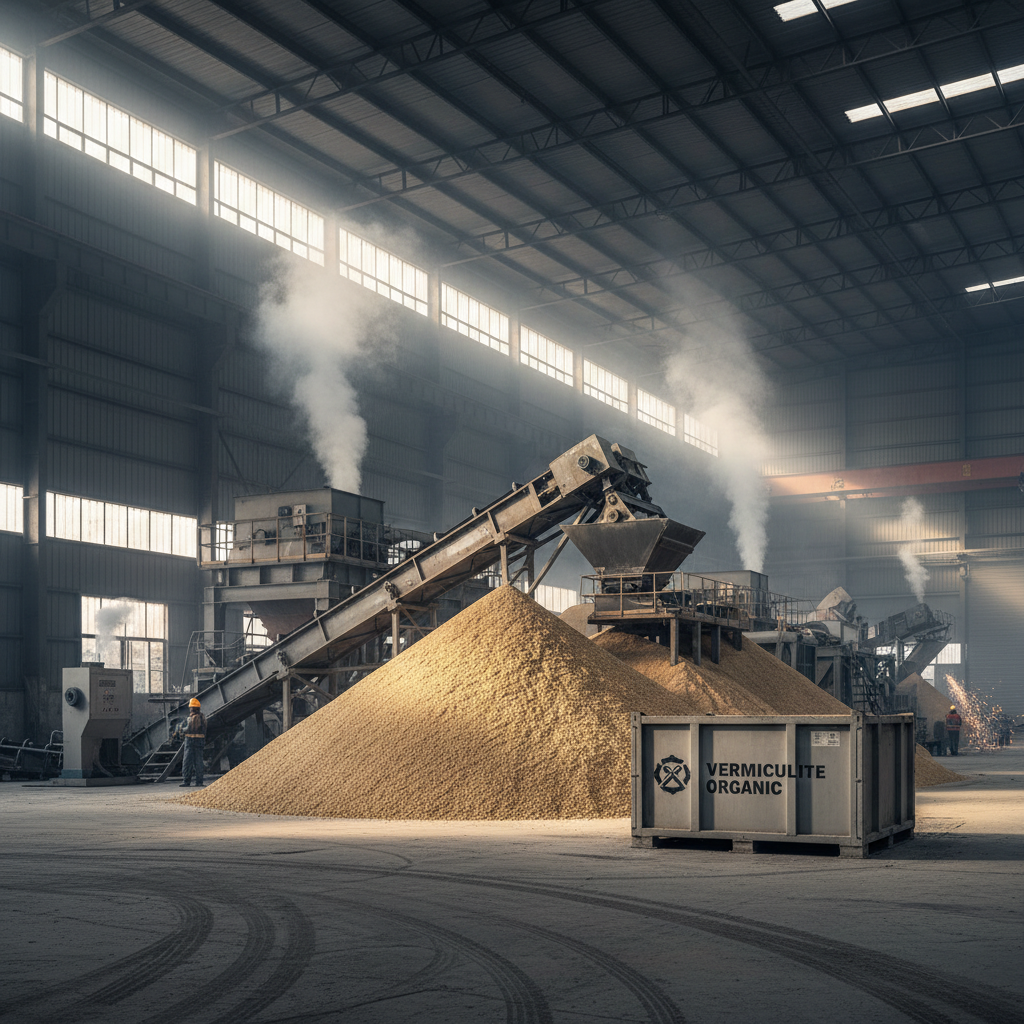
Selecting the right petroleum coke suppliers is a critical strategic decision for steel plants and foundries aiming to optimize their recarburization process. The quality of carbon additives directly influences the metallurgical properties of the final steel product, affecting everything from toughness to plasticity.
In the demanding environment of ferroalloy smelting and steel production, the transition from raw petroleum coke to specialized graphitized petroleum coke (GPC) has redefined efficiency. The ability to rapidly reach desired carbon levels while minimizing nitrogen contamination is no longer an advantage—it is a requirement for high-grade specialty steels.
This guide examines the technical benchmarks for evaluating carbon sources, the operational impact of GPC recarburisers, and the procurement frameworks necessary to ensure a stable, high-purity supply chain for metallurgical operations.

Understanding the Role of Carbon Additives in Steelmaking

At its core, recarburization is the process of adding carbon to molten steel to achieve a specific grade. While various carbon sources exist, the choice of supplier determines whether the process is seamless or plagued by slag inclusions and nitrogen brittleness. Petroleum coke, especially when graphitized, serves as a high-density carbon carrier that dissolves rapidly in the melt.
The primary challenge for metallurgical engineers is balancing the speed of carbon absorption with the purity of the liquid steel. Standard petroleum coke often contains impurities and nitrogen levels that can compromise the structural integrity of the steel, leading to cracks or reduced plasticity in the final forged products.
By utilizing advanced materials like GPC recarburisers, manufacturers can significantly reduce the production cycle. This efficiency is driven by the material's high absorptivity and uniform particle size, which ensures that carbon is distributed evenly throughout the melt without requiring excessive stirring or prolonged heating times.
Critical Technical Indicators for High-Performance Recarburisers
When auditing potential petroleum coke suppliers, the focus must shift from mere volume to specific chemical and physical indicators. Nitrogen content is perhaps the most critical variable; low nitrogen levels are essential to prevent nitrogen brittleness, thereby enhancing the toughness of the steel.
Another vital factor is the uniformity of the particle size. Non-uniform particles lead to uneven dissolution, which can cause localized carbon concentrations and increase the likelihood of slag formation. A controlled grain size allows for a more predictable dissolution rate and better dispersion in the liquid steel.
Furthermore, the carbonization ability—the speed at which the material releases carbon into the melt—directly impacts the cost of operation. Materials with strong carbonization ability help the steel reach the target carbon content faster, reducing the time the furnace must be kept at peak temperature.
Industrial Application Scenarios for GPC and Fe-C Alloys
The application of carbon additives varies significantly depending on the desired steel grade and the casting method used. For instance, in the production of specialty steel wires, including cold heading and bearing steels, the use of high-purity GPC recarburisers is non-negotiable to ensure the removal of impurities.
In continuous casting operations, the interaction between carbon additives and auxiliary materials like tundish dry vibration material becomes important. While the carbon source manages the chemistry, the vibration materials ensure the structural integrity of the tundish, allowing for casting times that can exceed 35 hours, thus optimizing the total workflow.
Beyond basic recarburization, Fe-C alloys are often employed when a more precise and immediate carbon adjustment is needed. These alloys, combined with the strategic use of materials like vermiculite for insulation or eco-friendly covering agents for ladle protection, create a comprehensive ecosystem for high-efficiency steelmaking.
Performance Benchmarks: GPC vs Standard Petroleum Coke
Analyzing the efficiency of GPC against standard petroleum coke reveals a stark difference in dissolution rates and purity levels. Standard coke often requires longer residence times in the furnace to fully dissolve, which increases the risk of overheating the refractory lining and increasing energy costs.
The following data illustrates the comparative efficiency across five key metallurgical metrics, where a higher percentage indicates better performance (e.g., higher absorptivity or lower impurity impact).
petroleum coke suppliers Performance Metrics
As demonstrated, GPC significantly outperforms standard coke in carbon absorption speed and nitrogen control. This technical superiority allows steel mills to improve the quality of continuous casting billets and reduce the overall cost per ton of steel produced.
Procurement Frameworks for Metallurgical Material Sourcing
Establishing a reliable partnership with petroleum coke suppliers requires a move beyond simple price-per-ton comparisons. A robust procurement framework must evaluate the supplier's production capacity and their ability to maintain consistency across different batches of GPC recarburisers.
Buyers should prioritize suppliers who can provide comprehensive technical data sheets, including sulfur and nitrogen content. The ability to customize particle size based on the specific furnace configuration can also lead to significant gains in dissolution efficiency and a reduction in waste.
Additionally, assessing the supplier's logistical capabilities is essential. Since carbon additives are consumed in large volumes, the ability to maintain a steady flow of materials without interruption is critical to avoid costly furnace downtime in high-capacity steel mills.
Future Directions in Eco-Friendly Recarburization Technology
The metallurgical industry is increasingly pivoting toward sustainable practices. This shift is likely to influence how carbon additives are produced and utilized, with a greater emphasis on reducing the environmental footprint of the graphitization process.
The development of eco-friendly particle covering agents and the optimization of carbon absorption are expected to reduce the emission of particulate matter during the recarburization phase. Future innovations may focus on synthetic carbon carriers that offer even lower nitrogen levels and faster dissolution rates.
Furthermore, the integration of digital monitoring systems in the furnace may allow for real-time adjustment of carbon additives. This precision will likely reduce the over-addition of carbon, thereby saving costs and reducing the energy required for subsequent refining stages.
Supplier Evaluation Matrix for Carbon Source Selection
To facilitate a data-driven decision, procurement officers can use a weighted matrix to compare different types of carbon additives. The choice depends on whether the priority is raw cost, purity for specialty steel, or processing speed for high-volume production.
The following table provides a comparative analysis of common carbon sourcing strategies used in the metallurgical industry.
| Material Type | Primary Use Case | Absorption Speed | Purity Level |
|---|---|---|---|
| Standard Pet Coke | General Steelmaking | Moderate | Basic |
| GPC Recarburiser | Specialty/High Grade Steel | Very High | Ultra-High |
| Fe-C Alloy | Precision Adjustments | Instant | High |
| Graphite Powder | Low Temp Applications | Low | High |
| Calcined Coke | Foundry Operations | Moderate | Medium |
| Custom GPC Mix | Optimized Production Lines | High | Optimized |
Ultimately, the most effective strategy involves a combination of high-purity GPC for core recarburization and precision alloys for final adjustments. For enterprises seeking a professional partner in these materials, visiting www.xingtailuxi.com can provide further insights into integrated metallurgical solutions.
Frequently Asked Questions
Conclusion
The optimization of the recarburization process is a cornerstone of modern metallurgy. By transitioning from generic carbon sources to high-performance GPC recarburisers and partnering with technically capable petroleum coke suppliers, steel producers can achieve a superior balance of purity, speed, and cost-efficiency.
As the industry moves toward stricter quality standards and environmental regulations, the focus will shift toward ultra-low impurity materials and precision delivery systems. Organizations evaluating their current supply chain can find detailed technical specifications and professional metallurgical support through www.xingtailuxi.com.