High Grade Bauxite Guide and Where to buy petroleum coke
Securing high-grade raw materials is a critical bottleneck in metallurgical efficiency, particularly when managing the chemical composition of aluminum and steel production. Bauxite, as the primary source of alumina, serves as the foundational mineral for the entire aluminum industry. However, for industrial operators, the choice between raw bauxite and calcined bauxite can determine the energy consumption and final yield of the smelting process. By removing chemically bound water through high-temperature treatment, calcined bauxite offers a significantly higher alumina content, reducing the processing burden in rotary kilns.
For procurement managers looking to buy petroleum coke or related metallurgical additives, understanding the synergy between carbon sources and alumina-rich minerals is key to optimizing furnace lining and smelting stability. Whether utilized in precision casting, refractory materials, or the production of fused corundum, the chemical purity and particle size distribution of bauxite directly impact the durability of the final industrial product. This guide examines the technical specifications and application logic of high-alumina bauxite to help buyers make informed procurement decisions.

Understanding Bauxite Mineralogy and the Calcination Process
Bauxite is not a single mineral but a collective term for a variety of aluminum hydroxide minerals, primarily consisting of gibbsite, boehmite, and diaspore. In its natural state, pure bauxite is white, though impurities often give it a light gray, green, or red appearance. Because it is a non-renewable resource, the efficiency of its extraction and processing is paramount for the sustainability of the aluminum industry.
The transition from raw bauxite to calcined bauxite involves a thermal treatment process in rotary kilns at temperatures ranging from 850°C to 1600°C. This calcination removes moisture and hydrated alumina, which is essential for increasing the Al2O3 concentration. While raw bauxite typically maintains an alumina content of around 57% to 58%, the calcination process can boost this figure to between 84% and 88%, making it a far more potent raw material for high-performance refractories and aluminum smelting.
- Raw Bauxite: Primary mineral source, higher moisture, lower alumina concentration.
- Calcined Bauxite: Thermally processed, high Al2O3 content, superior stability for refractory use.
- Impurity Management: Control of SiO2, CaO, and Fe2O3 is critical to prevent structural weaknesses in cast products.

Critical Industrial Applications and Material Synergy
The utility of bauxite extends far beyond simple aluminum smelting. In the field of refractory materials, bauxite is prized for its low thermal expansion, high refractoriness, and exceptional volume stability at extreme temperatures. These characteristics make it indispensable for lining furnaces in the steel and non-ferrous metallurgy sectors, as well as in petroleum and chemical processing plants where thermal shock resistance is mandatory.
In precision casting, processed bauxite is used to create molds for the instrumentation, communication, and heavy machinery industries. The material's ability to maintain structural integrity under heat allows for the creation of complex metal parts with high dimensional accuracy. Additionally, in the construction sector, bauxite powder is integrated into cement and concrete to enhance hardness, durability, and corrosion resistance, effectively extending the lifecycle of infrastructure projects.
When integrated into a broader metallurgical strategy, the use of high-alumina materials often complements other additives. For instance, the stability provided by bauxite-based refractories ensures that the high-carbon environment created when plants buy petroleum coke for recarburization does not compromise the integrity of the furnace walls.
Technical Selection Criteria for Procurement Managers
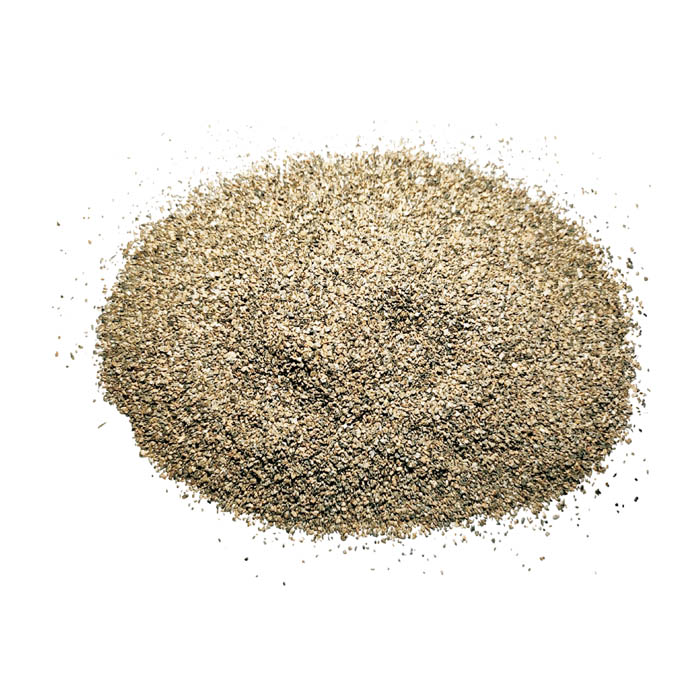
Selecting the right grade of bauxite requires a deep dive into the chemical indicators. The most critical metric is the Al2O3 percentage; for most high-end industrial applications, a concentration above 85% is required to ensure the material can withstand the aggressive chemical environment of a smelting furnace. Simultaneously, buyers must monitor the levels of SiO2 (silica) and Fe2O3 (iron oxide), as excessive impurities can lead to premature failure of refractory bricks.
Particle size is another decisive factor. Depending on the application—whether it is for high-alumina slurry, fused corundum, or ceramic products—the required size can range from 0-1mm to 3-5mm. A uniform particle size ensures consistent melting rates and better dispersion within the mix, preventing "cold spots" in the furnace that could lead to structural cracks.
Furthermore, the packaging and delivery logistics must be considered to prevent contamination and moisture absorption. Utilizing 1-ton jumbo bags or smaller 10kg/25kg bags within jumbo bags allows for flexible handling in both large-scale plants and smaller precision casting workshops, ensuring the material arrives at the port of Xingang or Qingdao in optimal condition.
Bauxite Technical Specifications and Performance Matrix
| Grade/Type | Particle Size (mm) | Al2O3 Content (%) | Primary Industrial Use |
|---|---|---|---|
| High-Grade Bauxite | 0-1, 1-3, 3-5 | >88% | High-Alumina Refractories |
| Standard Bauxite | 0-1, 1-3, 3-5 | >85% | Aluminum Smelting |
| Calcined Grade | Customized | 84% - 88% | Fused Corundum / Grinding |
| Bauxite Powder | Fine Mesh | Application-dependent | Cement & Concrete Strength |
| Industrial Ore | Lump/Crushed | 57% - 58% | Basic Alumina Production |
Quality Assurance and Supply Chain Reliability in Metallurgy
In the metallurgical industry, consistency is as important as purity. A slight deviation in the chemical composition of bauxite can result in significant losses during the smelting process. Therefore, partnering with manufacturers who adhere to strict quality management systems, such as ISO9001, is essential. Xingtai Luxi Environmental Protection Technology Co., Ltd. leverages its extensive experience in metallurgical materials to provide products that meet these rigorous standards, ensuring that every shipment of bauxite maintains the required Al2O3 levels.
Reliability in the supply chain also involves the ability to handle diverse export requirements. From South Korea and Japan to Italy and Mexico, the global distribution of metallurgical materials requires precise logistics. The use of standardized packaging and strategic delivery ports like Qingdao minimizes the risk of material degradation during transit, which is particularly important for calcined materials that must remain dry to maintain their chemical properties.
Future Trends in Alumina-Based Refractory Materials
The industry is moving toward "ultra-high alumina" materials to meet the demands of increasingly higher operating temperatures in special steel production. This trend is driving the development of more efficient calcination techniques that can further reduce impurity levels while maximizing energy efficiency. As environmental regulations tighten, the focus is shifting toward the production of bauxite-based materials with lower carbon footprints and better recyclability.
Moreover, the integration of bauxite with other auxiliary materials—such as the high-absorptivity recarburisers used in steel-making—is allowing plants to reduce their overall production cycles. By optimizing the interface between the furnace lining (bauxite-based) and the charge material (carbon-based), steel plants can achieve faster carbonization and reduced nitrogen brittleness, ultimately improving the toughness and plasticity of the final steel products.
Frequently Asked Questions About Industrial Bauxite
What is the main difference between raw bauxite and calcined bauxite?
Raw bauxite is the natural ore with an alumina content typically between 57-58%. Calcined bauxite is produced by heating raw bauxite in a rotary kiln at 850°C to 1600°C, which removes moisture and increases the Al2O3 content to 84-88%, making it more suitable for refractory use.
How does bauxite improve the properties of building materials?
Bauxite powder can be added to cement, mortar, and concrete to improve their overall strength and hardness. It also enhances the durability and corrosion resistance of the materials, making them more suitable for harsh industrial environments.
Which chemical indicators are most important when sourcing bauxite?
The most critical indicator is the Al2O3 percentage, which should be high for most industrial uses. Additionally, buyers must monitor SiO2, CaO, and Fe2O3 levels, as these impurities can affect the refractoriness and stability of the final product.
What are the typical packaging options for bulk bauxite exports?
Common packaging includes 1-ton jumbo bags for large-scale industrial use, and 10kg or 25kg small bags packed within jumbo bags for easier handling in precision casting or laboratory settings.
Can bauxite be used in the steel industry?
Yes, bauxite is a primary raw material for creating high-alumina refractory bricks and castables used to line steel-making furnaces, providing the necessary heat resistance and structural stability.
Which ports are typically used for bauxite shipping from China?
Most high-quality bauxite and metallurgical materials are exported via major Chinese ports such as Xingang Port or Qingdao Port to ensure efficient global logistics.
Technical References and Industry Sources
- U.S. Geological Survey - Mineral Commodity Summaries
- ScienceDirect - Alumina and Bauxite Processing Research
- ISO 9001 Quality Management Standards
- Encyclopedia Britannica - Bauxite and Aluminum Production
For industrial operators requiring consistent, high-purity bauxite for aluminum smelting or refractory production, selecting a supplier with ISO9001 certification and a proven export track record is essential for operational stability and cost-efficiency.
Related Metallurgical Materials