
Mar . 31, 2026 01:55 Back to list
Advancements in Reversible Thermal Expansion Refractory Materials for High Temperature Applications
Understanding Reversible Thermal Expansion Refractory Materials
In high-temperature industrial applications, the longevity and efficiency of refractory materials are paramount. Traditional refractory materials often suffer from degradation due to thermal cycling, leading to cracking and eventual failure. However, a new generation of materials – reversible thermal expansion refractory materials – is changing the game. These innovative materials exhibit unique properties that allow them to withstand extreme temperature fluctuations without compromising structural integrity. This article will explore the science behind these materials, their benefits, key applications, and why Xingtai LuXi Refractory Co., Ltd. is a leading provider of these advanced solutions. Choosing the right refractory material is a critical decision impacting process efficiency and operational safety.
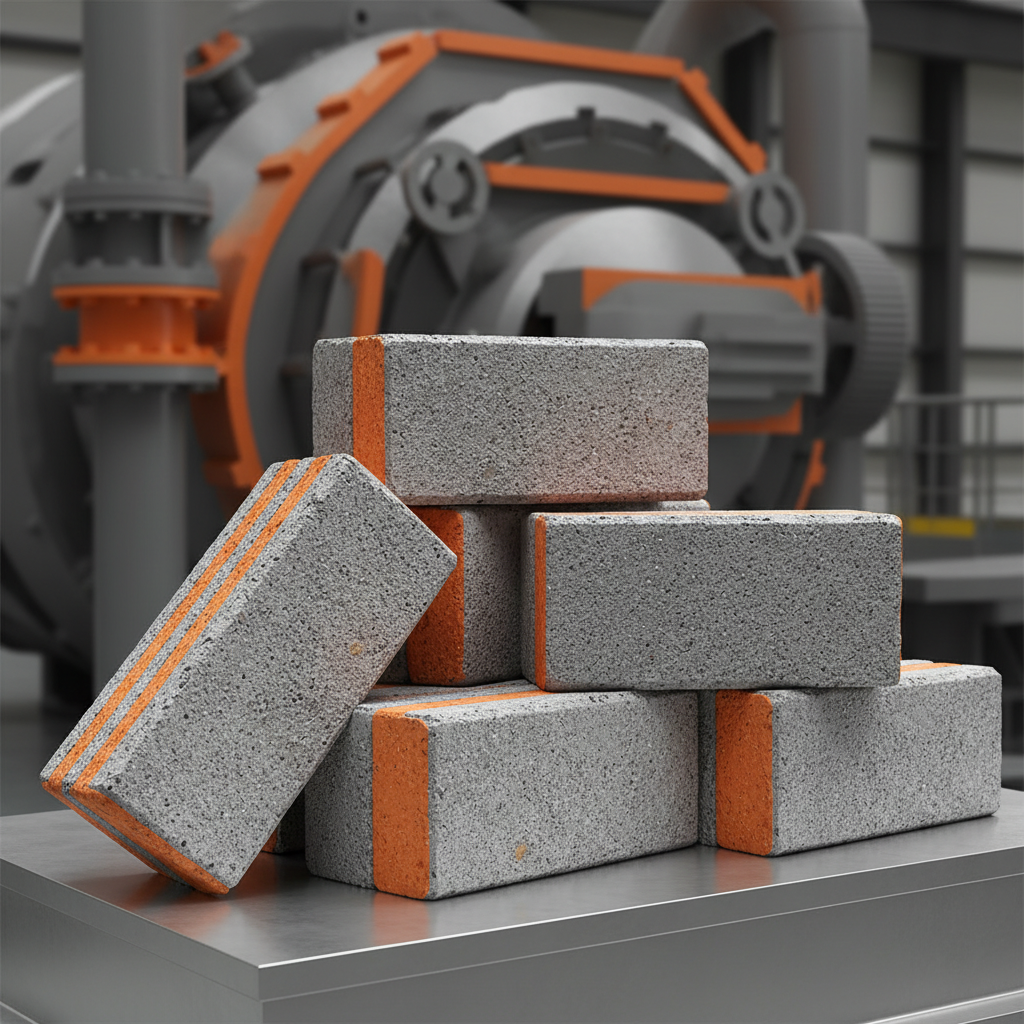
The Science Behind Reversible Thermal Expansion
Traditional refractory materials expand upon heating and contract upon cooling. This process, while seemingly minor, generates stresses within the material, especially during rapid temperature changes. These stresses can lead to micro-cracking and ultimately, structural failure. Reversible thermal expansion refractory materials are engineered with microstructures that allow for expansion and contraction with minimal internal stress. This is often achieved through the incorporation of specific phases or additives that exhibit phase transformations during temperature cycling. These phase changes absorb and release energy, effectively mitigating the stresses caused by thermal expansion. This results in a significantly longer service life and improved reliability.
Key Benefit: Reduced thermal stress, leading to increased lifespan and minimized downtime.
Key Properties of Reversible Thermal Expansion Materials
Beyond minimizing thermal stress, these materials boast a suite of desirable properties. These include high temperature stability, excellent resistance to chemical attack (slag, acids, bases), good thermal insulation, and, importantly, low creep deformation at elevated temperatures. The specific composition determines the optimal performance characteristics for a given application. Common materials used in their construction include specialized alumina, silica, magnesia, and zirconia formulations, often incorporating tailored additives to promote the desired reversible expansion behavior. Xingtai LuXi specializes in customizing these formulations to meet specific client needs.
Essential Characteristics:
• High Temperature Stability
• Chemical Resistance
• Thermal Insulation
• Low Creep Deformation
Applications of Reversible Thermal Expansion Refractory Materials
These advanced materials are finding increasing use in a wide range of industries where high-temperature processes are critical. Key applications include: iron and steel production (blast furnaces, ladles, continuous casting), cement manufacturing (rotary kilns, preheaters), glass production (melting furnaces, regenerators), petrochemical processing (ethylene cracking furnaces), and incineration plants. The ability to withstand rapid temperature cycling makes them ideal for applications involving intermittent operation or fluctuating loads. By reducing maintenance and extending operational life, these materials offer significant cost savings.
Comparison: Traditional vs. Reversible Thermal Expansion Refractories
Understanding the difference between traditional and reversible thermal expansion refractories is crucial for making informed decisions. The table below highlights key distinctions:
Why Choose Xingtai LuXi for Your Refractory Needs?
Xingtai LuXi Refractory Co., Ltd. is a leading manufacturer and supplier of high-quality refractory materials, including a comprehensive range of reversible thermal expansion solutions. We offer customized formulations, rigorous quality control, and expert technical support to ensure our customers receive the best possible products and services. Our commitment to innovation and customer satisfaction sets us apart. We work closely with our clients to understand their specific needs and deliver tailored solutions that optimize performance and reduce costs.
Conclusion: Investing in Long-Term Performance
Investing in reversible thermal expansion refractory materials is a strategic decision that pays dividends through increased efficiency, reduced maintenance, and extended operational life. Xingtai LuXi provides the expertise and quality materials you need to succeed in demanding high-temperature environments.
Frequently Asked Questions (FAQs)
What are the primary benefits of using reversible thermal expansion refractory materials?
The main benefits include significantly increased resistance to thermal shock and cracking, leading to a longer lifespan for the refractory lining. This translates to reduced downtime for repairs and replacements, ultimately lowering operational costs. These materials also maintain their structural integrity better under fluctuating temperature conditions, ensuring consistent performance and safety. The ability to withstand rapid heating and cooling cycles is especially valuable in applications like steelmaking and glass production.
What types of industries benefit the most from these materials?
Industries with high-temperature processes and frequent temperature fluctuations are the biggest beneficiaries. This includes iron and steel manufacturing, cement production, glass manufacturing, petrochemical processing, power generation, and incineration plants. Any application where refractory linings are exposed to severe thermal cycling can significantly benefit from the improved durability and performance of these materials.
How does Xingtai LuXi ensure the quality of its reversible thermal expansion refractory materials?
Xingtai LuXi employs a rigorous quality control system throughout the entire manufacturing process. This includes careful selection of raw materials, precise mixing and forming techniques, and thorough testing of finished products to ensure they meet or exceed industry standards. We also offer customized solutions and work closely with our clients to ensure the materials meet their specific application requirements.
-
Professional Boiler Refractory Material Supplier for Industrial Efficiency
NewsApr.16,2026
-
How to Choose the Best refractory materials suppliers for Success
NewsApr.09,2026
-
Understanding Refractory Bricks Raw Materials for High Temperature Applications
NewsApr.07,2026
-
PLIbrico Refractory Materials Understanding Applications and Benefits
NewsApr.04,2026
-
Advancements in Reversible Thermal Expansion Refractory Materials for High Temperature Applications
NewsMar.31,2026
-
Comprehensive Guide to Refractory Kiln Lining Material Selection and Applications
NewsMar.28,2026