Look, I’ve spent years walking construction sites, getting my boots dirty, and frankly, dealing with materials that just don't perform. You need something reliable, something that does what it says on the bag, and doesn't leave you scrambling to fix problems mid-project. That’s where understanding vermiculite bulk comes in. It's not just another aggregate; it’s a versatile player that can solve a lot of headaches, from fireproofing to lightweight concrete, and even soil amendment. Knowing its ins and outs can save you time, money, and a whole lot of frustration.
We’re talking about a material that’s been around for a while, but its applications are constantly evolving. It’s lightweight, which means easier handling on-site, a big win for labor costs. It's also inherently fire-resistant, and that’s a non-negotiable in modern construction. It's not glamorous, but it's essential when you’re trying to build safe, efficient structures that stand the test of time. The global demand for sustainable building materials is growing, and vermiculite bulk fits right into that picture.
Honestly, I've seen too many projects bogged down by unexpected material issues. Investing a little time in understanding the nuances of vermiculite bulk – the different grades, the proper handling procedures, and the specific applications – can genuinely be the difference between a smooth operation and a costly disaster. This isn’t a “set it and forget it” kind of material. It needs understanding.
The Foundation of Vermiculite Bulk
Vermiculite bulk isn’t some newfangled material; it's a naturally occurring mineral that’s been processed and expanded to create a lightweight, versatile product. What I’ve learned over the years is that understanding its origins – the mica mineral it’s derived from – is key to predicting its performance. Different mica sources yield different grades of vermiculite, impacting everything from density to thermal resistance. vermiculite bulk sourcing is critical.
From a practical standpoint, that means paying attention to the specifications when you're ordering. Don’t just grab the cheapest option. Consider the intended application and make sure you're getting a grade that's fit for purpose. I've seen projects stalled because someone skimped on material quality. It's a classic case of being penny-wise and pound-foolish.
Vermiculite Bulk: A Global Perspective
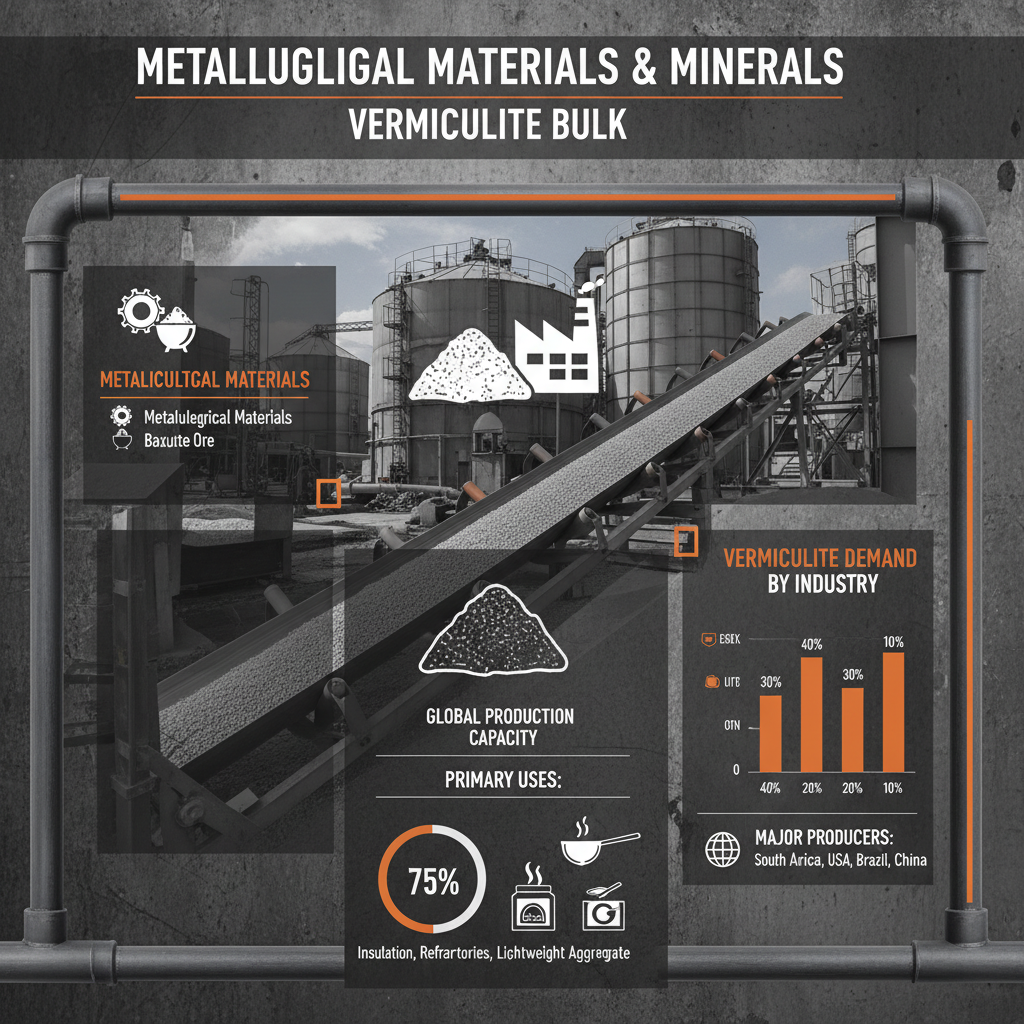
Look around the world, and you’ll find vermiculite bulk being used in a wide range of applications, especially in regions prone to seismic activity or extreme temperatures. Japan, for instance, relies heavily on it in construction for its fire-resistant properties. In colder climates like Canada and Scandinavia, it’s a key component in insulation. And in agricultural areas across the globe, it's improving soil health and water retention.
The demand is rising, driven by increasing construction activity in developing countries and a growing awareness of sustainable building practices. According to recent reports, the global vermiculite market is expected to grow significantly over the next decade. That’s a signal to contractors and developers: it’s a material worth paying attention to.
The challenge, frankly, is maintaining consistent quality and responsible sourcing. We need to ensure that extraction processes are environmentally sound and that the material meets stringent safety standards. It’s a global commodity, and that means a complex supply chain.
Defining Vermiculite Bulk
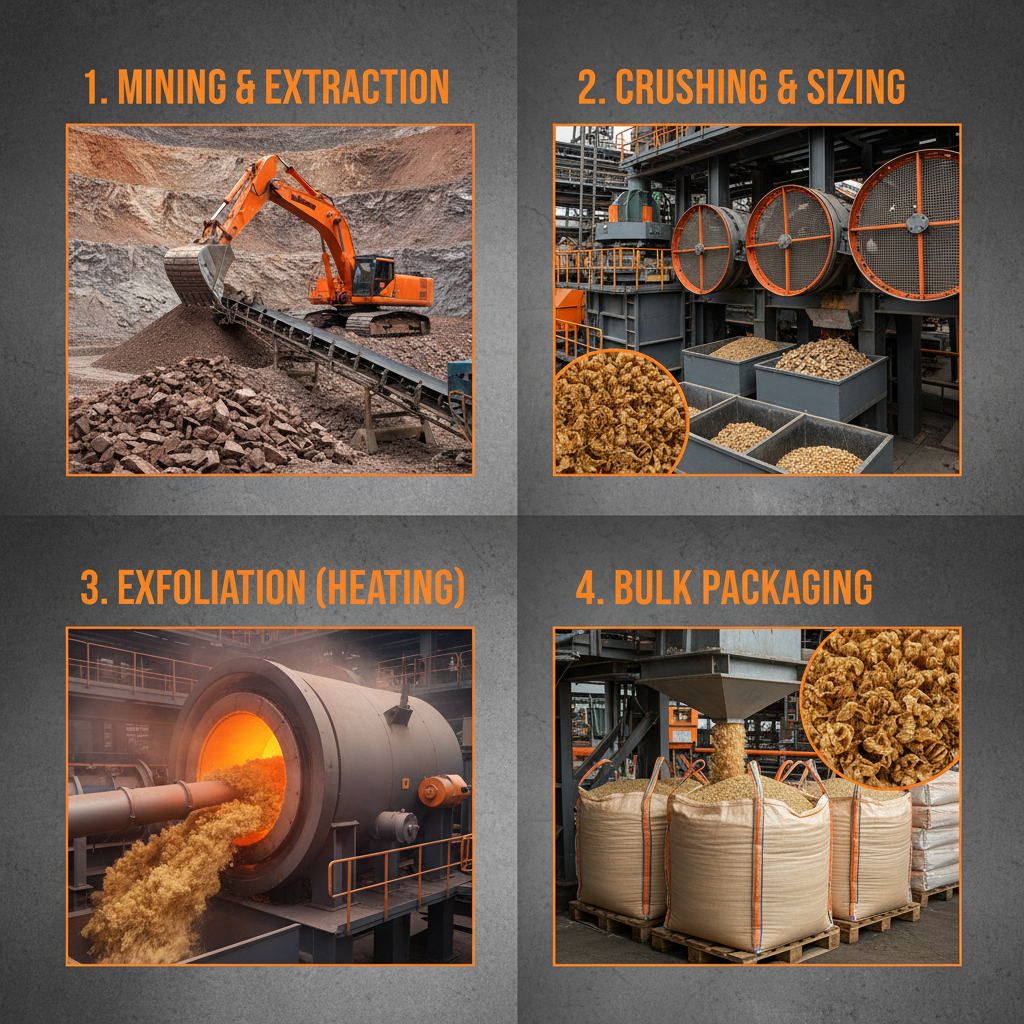
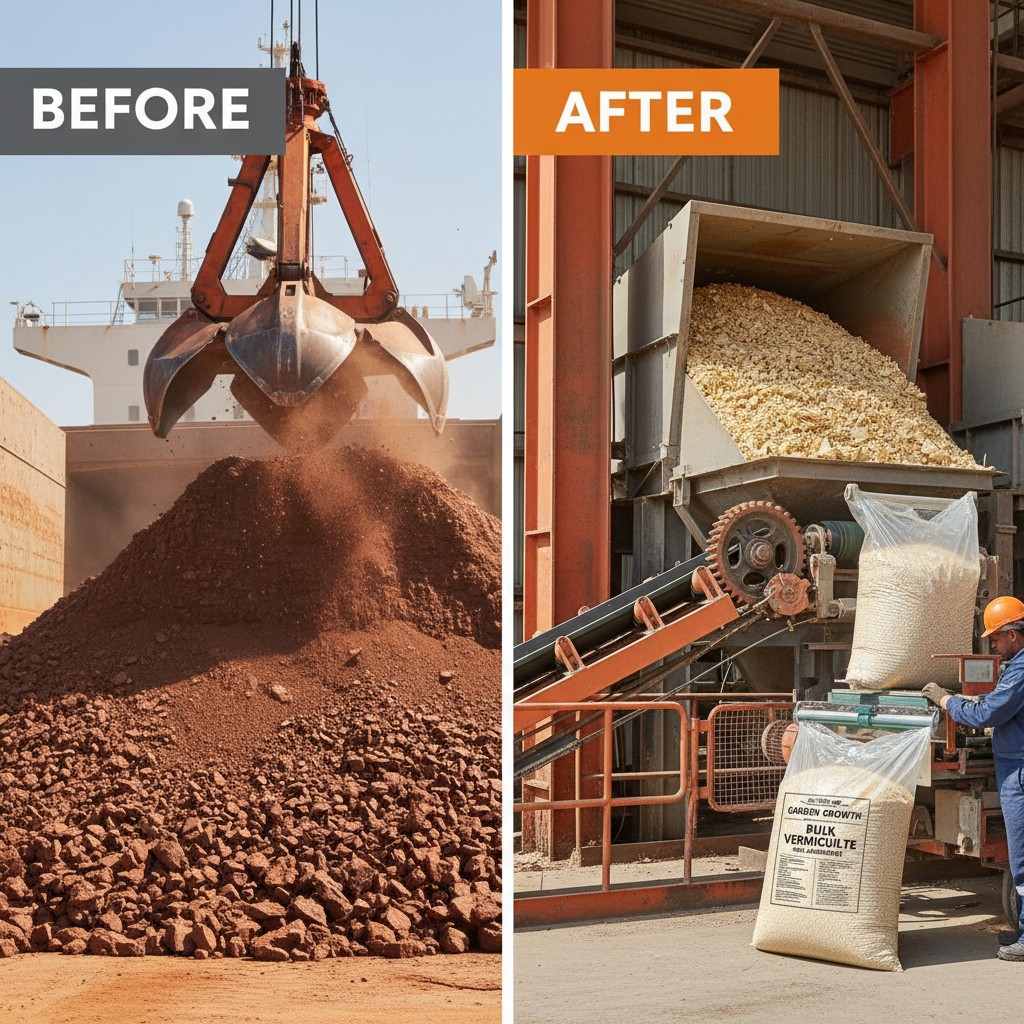
Simply put, vermiculite bulk is the expanded form of a hydrated magnesium aluminum iron silicate mineral. The raw mineral, when heated, expands like popcorn – increasing in volume by up to 20 times. This expansion creates a lightweight, porous material with excellent insulation and absorption properties. It's not a naturally occurring product in this expanded form; it requires processing.
Its connection to modern industry lies in its ability to address several critical needs: fire protection, thermal insulation, lightweight construction, and horticulture. It’s a material that’s adaptable. You can find it in everything from spray-applied fireproofing to potting mixes to concrete additives. And that adaptability is key to its widespread adoption.
From a contractor's perspective, it’s a material that can save time and money. It’s easy to handle, requires minimal labor for installation, and offers long-term performance benefits. But you’ve got to know its limitations. It's not a structural material on its own; it’s typically used in conjunction with other materials.
Key Attributes of Vermiculite Bulk
There are a few things that really stand out with vermiculite bulk. First, its lightweight nature. This reduces transportation costs and makes handling on-site much easier. Then there’s its excellent thermal insulation, meaning lower energy bills for building owners. We're talking significant savings over the lifespan of a structure.
Another key attribute is its fire resistance. It doesn’t burn, and it actually helps to inhibit the spread of fire. That’s a huge plus in terms of building safety. And it’s also a good absorbent material, making it useful in a range of applications, from spill control to horticultural purposes. vermiculite bulk has a lot to offer.
Performance Metrics of Different Vermiculite Bulk Grades
Real-World Applications of Vermiculite Bulk
I’ve seen vermiculite bulk used in everything from high-rise fireproofing to backyard gardens. In the construction industry, it's a staple in spray-applied fireproofing systems for steel structures. It’s also used as a lightweight aggregate in concrete, reducing the overall weight of the building and lowering foundation costs.
Outside of construction, it's incredibly versatile. In agriculture, it improves soil aeration, water retention, and nutrient availability. That translates to healthier plants and higher yields. You'll find it in potting mixes, seed starting mediums, and even as a carrier for pesticides and fertilizers.
The Long-Term Value Proposition
Look, at the end of the day, it's about value. Vermiculite bulk offers a compelling return on investment. Lower energy costs, improved fire safety, and increased agricultural yields all contribute to long-term savings. vermiculite bulk isn't a cheap material upfront, but its lifecycle cost is often lower than alternative options.
Beyond the economic benefits, there's the sustainability aspect. Vermiculite is a naturally occurring mineral, and its production has a relatively low environmental impact compared to some synthetic materials. That’s increasingly important to building owners and developers who are focused on green building practices.
And let's not forget the safety factor. Fire resistance is paramount, and vermiculite bulk provides a critical layer of protection, potentially saving lives and preventing property damage. That’s something you can’t put a price on.
Future Trends and Innovations
We're seeing some interesting developments in the world of vermiculite bulk. Researchers are exploring new ways to enhance its properties, such as incorporating nanoparticles to improve its thermal performance or developing more sustainable extraction methods. There’s also a growing focus on using vermiculite in green building materials, like lightweight concrete and insulation panels.
I think we’ll see more integration of digital technologies in the supply chain, allowing for better tracking of material quality and provenance. That’s crucial for ensuring consistency and transparency. And as the demand for sustainable building materials continues to grow, vermiculite bulk is well-positioned to play an even larger role.
Automation in processing and handling will also be a game-changer, reducing labor costs and improving efficiency. The future is about smarter, more sustainable building practices, and vermiculite bulk is a material that aligns with those goals.
Key Comparison of Future Vermiculite Bulk Enhancement Techniques
| Enhancement Technique |
Cost of Implementation |
Performance Improvement |
Environmental Impact |
| Nanoparticle Integration |
8/10 (High) |
9/10 (Significant) |
6/10 (Moderate) |
| Sustainable Extraction Methods |
7/10 (Medium) |
7/10 (Moderate) |
10/10 (Very Low) |
| Bio-Based Coatings |
5/10 (Low) |
6/10 (Moderate) |
9/10 (Very Low) |
| Automated Processing |
9/10 (Very High) |
8/10 (High) |
7/10 (Moderate) |
| Surface Modification |
6/10 (Medium) |
7/10 (Moderate) |
7/10 (Moderate) |
| Hybrid Material Composites |
7/10 (Medium) |
8/10 (High) |
6/10 (Moderate) |
FAQS
Vermiculite bulk excels in fire resistance because it's non-combustible and releases steam when exposed to high heat. This process cools the surface and creates a protective barrier, significantly slowing down fire spread. It’s commonly used in spray-applied fireproofing coatings for steel structures, providing crucial time for evacuation and fire suppression. The mineral’s inherent properties offer a passive fire protection solution, adding an essential safety layer in various building applications.
While fiberglass and foam insulation may have slightly higher R-values per inch, vermiculite bulk offers a unique combination of thermal performance, fire resistance, and sound absorption. Its cost is generally comparable to mid-range insulation options. Crucially, it fills gaps and voids effectively, minimizing thermal bridging, a common issue with other materials. Long-term, the added safety benefits and potential for energy savings often offset any initial cost differences.
Vermiculite is a naturally occurring mineral, giving it a lower environmental impact compared to many synthetic insulation materials. However, the mining process can have environmental consequences, so responsible sourcing is crucial. Look for suppliers committed to sustainable mining practices and minimal land disturbance. Also, the material is recyclable and doesn’t release harmful chemicals, contributing to healthier indoor air quality.
Vermiculite bulk is lightweight but can create dust, so wearing a dust mask and eye protection is essential during handling and installation. It's best to use pneumatic conveying systems or carefully pour the material to minimize dust generation. Ensure proper ventilation in enclosed spaces. For spray-applied fireproofing, follow manufacturer’s instructions carefully regarding mixing ratios and application techniques.
Absolutely. It’s widely used in both sectors. In residential builds, it’s common in attic insulation and soil amendments for gardening. In commercial construction, it's primarily used for fireproofing steel structures, providing critical safety features for large buildings. Its versatility makes it suitable for a broad range of projects, from single-family homes to high-rise offices.
Prioritize suppliers who can provide consistent quality, clear specifications, and documentation confirming compliance with relevant industry standards. Ask about their sourcing practices and commitment to sustainability. A reliable supplier will also offer technical support and guidance on proper handling and installation. Don't just chase the lowest price; consider the overall value and reliability of the supplier.
Conclusion
Vermiculite bulk is far more than just a lightweight aggregate; it’s a versatile material with a proven track record in construction, agriculture, and beyond. Its fire-resistant properties, thermal insulation capabilities, and sustainable profile make it a valuable asset for builders, developers, and homeowners alike. Understanding its nuances – the different grades, proper handling, and diverse applications – can lead to significant cost savings, enhanced safety, and reduced environmental impact.
Looking ahead, I expect to see continued innovation in vermiculite processing and application. The demand for sustainable building materials is only going to increase, and vermiculite bulk is well-positioned to capitalize on that trend. Don’t overlook this often-underestimated material. It’s a practical, reliable solution that can make a real difference on your next project. Visit our website at www.xingtailuxi.com to learn more and get a quote.