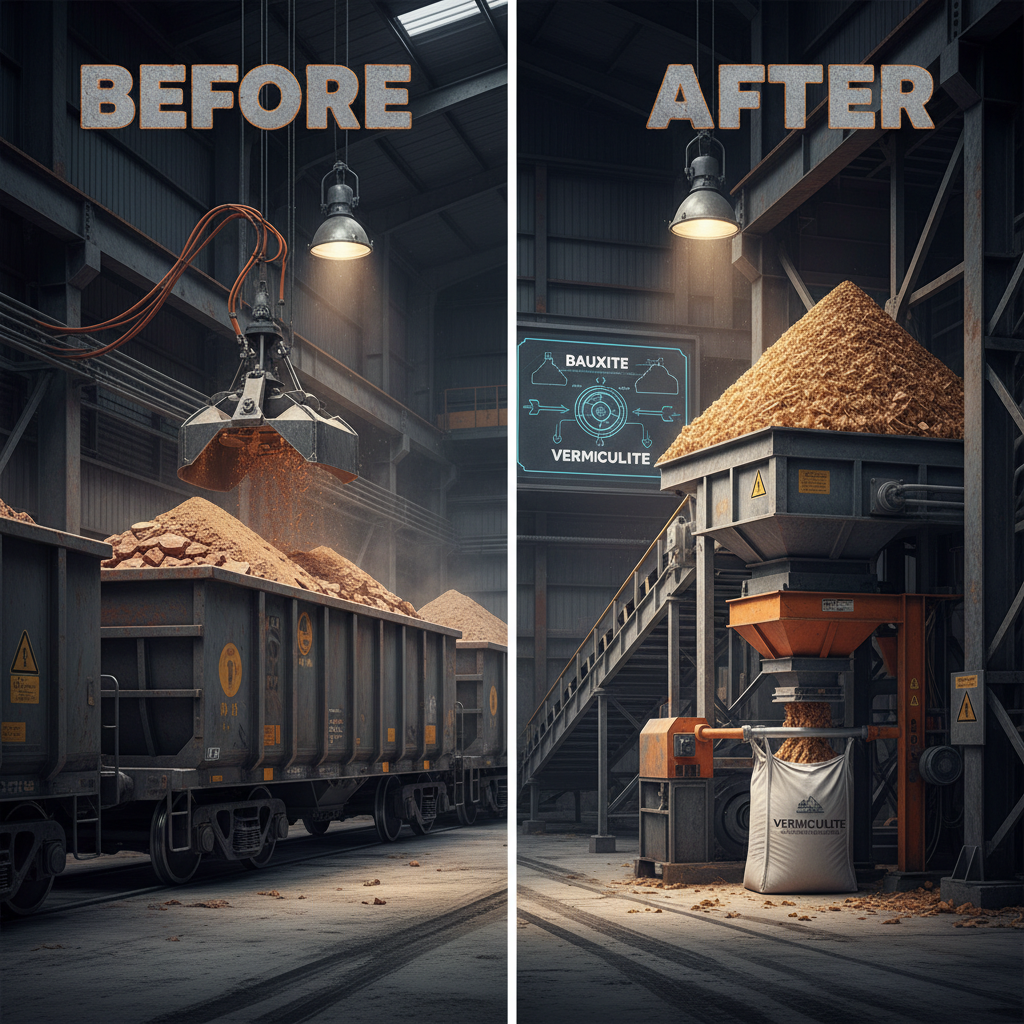
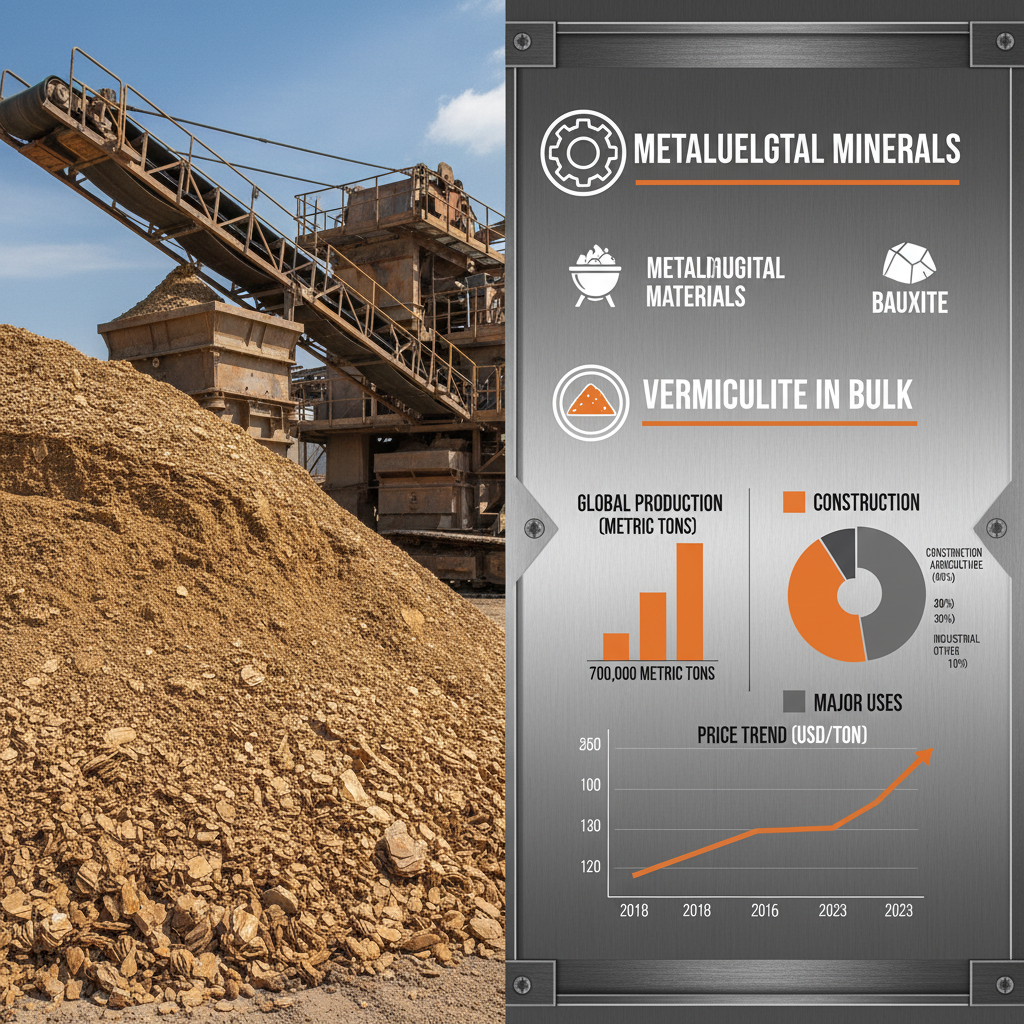
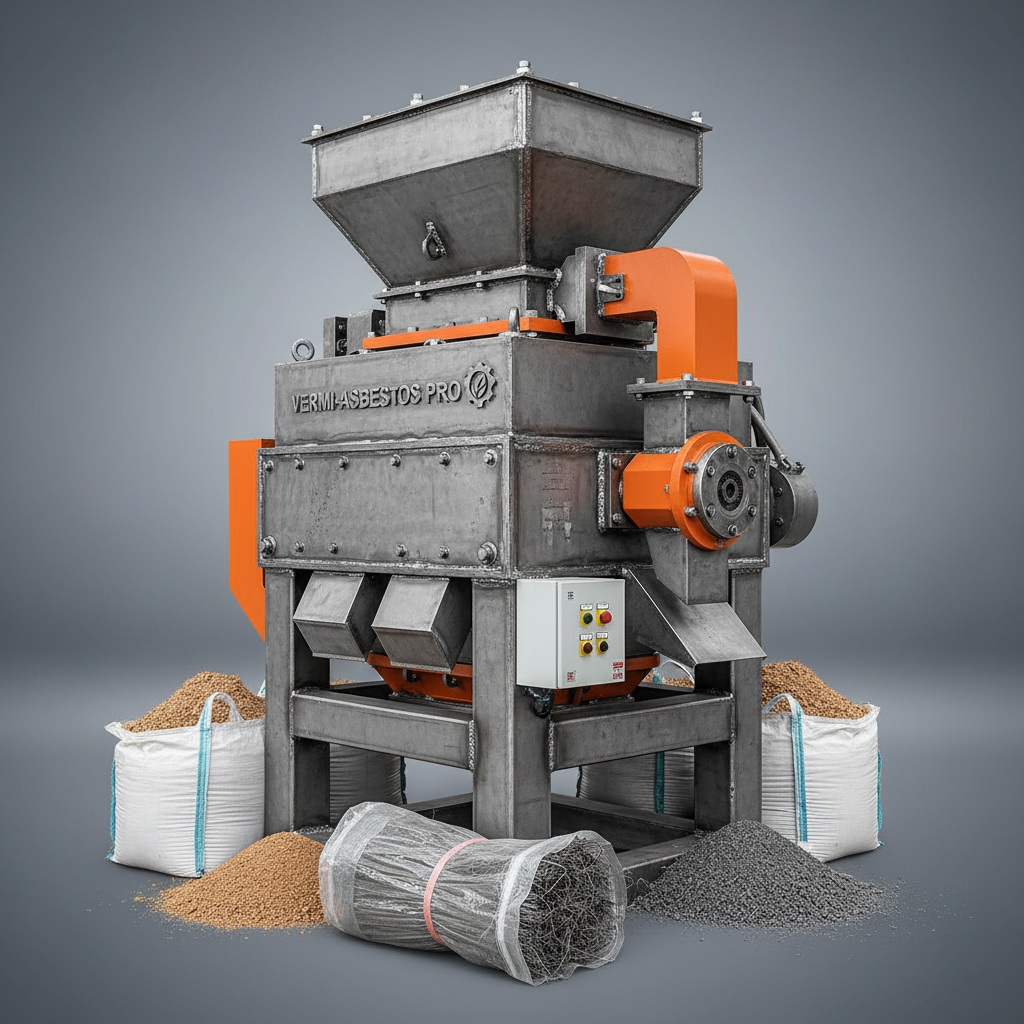
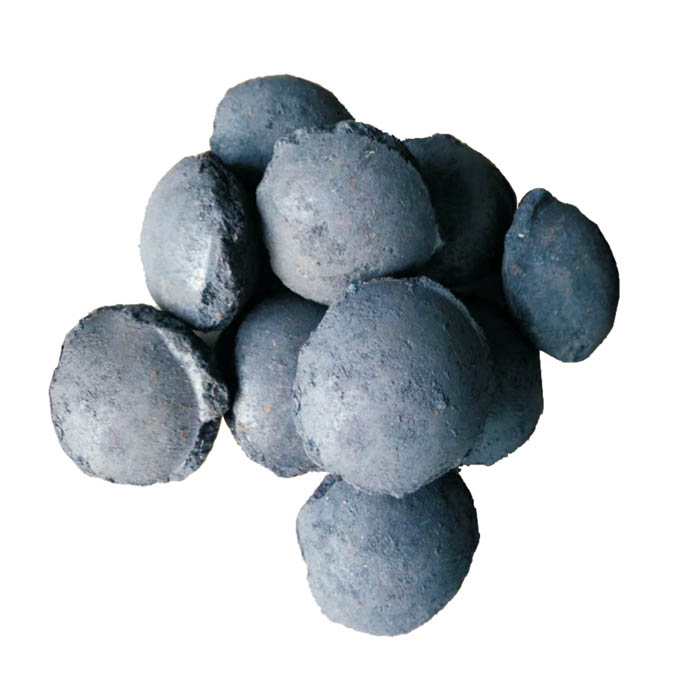
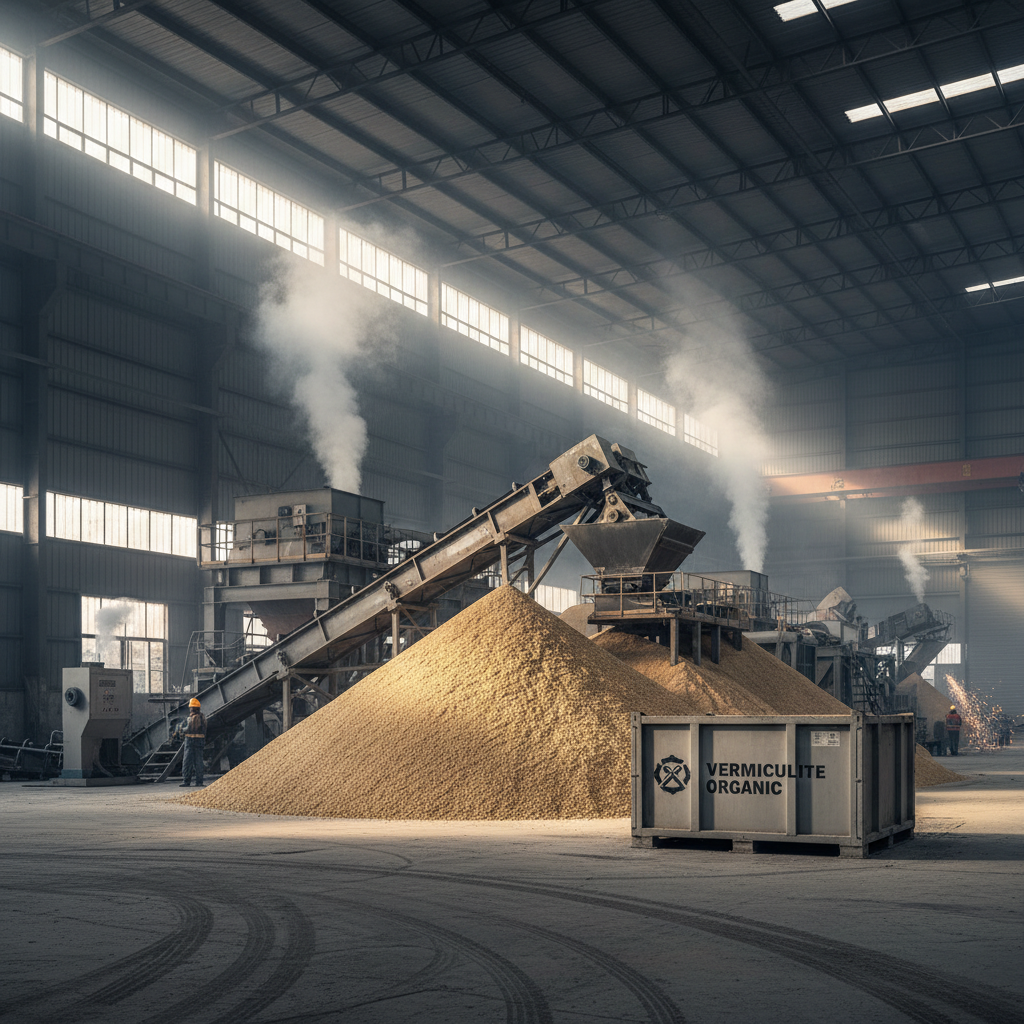
In the demanding landscape of metallurgical processing and industrial insulation, sourcing vermiculite in bulk has become a strategic priority for plants seeking to optimize thermal efficiency and material safety. Vermiculite, a hydrous phyllosilicate mineral that expands significantly when heated, provides an unparalleled combination of lightweight structure and high-temperature resistance, making it indispensable for modern smelting and refining operations.
The global transition toward more sustainable and energy-efficient manufacturing requires materials that can withstand extreme conditions while reducing carbon footprints. By utilizing vermiculite in bulk, industrial operators can implement superior insulation layers and lightweight fillers that drastically reduce heat loss in furnaces and kilns, directly impacting the bottom line and environmental compliance.
Understanding the nuances of bulk procurement—from grade selection to logistics—allows companies in the ferroalloy and metallurgy sectors to maintain a stable supply chain. This guide explores the multifaceted role of expanded vermiculite, examining why large-scale acquisition is the most viable path for ensuring operational continuity and technical excellence in high-heat industrial environments.
Global Industrial Relevance of Vermiculite in Bulk
On a global scale, the demand for vermiculite in bulk is driven by the expansion of the steel and ferroalloy industries across Asia and South America. According to industrial mineral trends, the ability to source high-expansion grade minerals in large quantities is critical for maintaining the thermal lining of blast furnaces and tundish systems, where precise temperature control is the difference between a high-quality alloy and a failed batch.
The primary challenge facing modern plants is the volatility of raw material costs and the inconsistency of smaller batches. By securing vermiculite in bulk, enterprises can standardize their insulation protocols, ensuring that every square meter of furnace lining meets ISO thermal conductivity standards, thereby reducing energy waste and increasing the lifespan of the structural masonry.
Defining Bulk Vermiculite and Its Technical Nature
In simple commercial terms, vermiculite in bulk refers to the large-scale supply of exfoliated mica minerals. When the raw mineral is heated to approximately 700-1000°C, the chemically bound water turns to steam, forcing the mineral layers apart in a process called exfoliation. This results in a lightweight, accordion-like structure that is chemically inert and highly resistant to fire.
From an industrial perspective, "bulk" doesn't just refer to volume, but to the consistency of the grain size and expansion ratio. For professionals in the iron and alloy sector, this means receiving tonnes of material that behave predictably under thermal stress, allowing for the creation of stable, non-combustible barriers that protect workers and equipment.
This material bridges the gap between traditional heavy refractories and modern lightweight composites. Its ability to act as both a thermal insulator and a moisture regulator makes it an essential component in the construction of specialized industrial ovens and as a protective covering agent in various chemical processing environments.
Core Performance Factors for Industrial Use
When evaluating vermiculite in bulk, the first critical factor is Thermal Stability. The material must maintain its structural integrity at temperatures exceeding 1000°C without shrinking or cracking, which is vital for preventing "hot spots" in industrial smelting equipment.
Chemical Inertness is the second pillar of performance. Because vermiculite in bulk does not react with most acids or alkalis, it provides a safe, non-corrosive buffer in environments where aggressive smelting chemicals are present, ensuring that the insulation does not degrade the surrounding metallic structures.
Finally, Scalability and Weight Efficiency allow engineers to apply thick layers of insulation without adding excessive dead load to the facility's foundation. The high strength-to-weight ratio of expanded vermiculite ensures that bulk applications remain cost-effective regarding both material transport and structural reinforcement.
Comparative Efficiency of Procurement Methods
Selecting the right procurement strategy for vermiculite in bulk can significantly impact the overall operational budget. While small-scale purchasing is suitable for maintenance, large-scale bulk contracts reduce the unit cost and eliminate the risks associated with fragmented supply chains, ensuring that production schedules are never interrupted by material shortages.
The following data illustrates the efficiency rating of different bulk handling and procurement methods used in the metallurgy industry, focusing on cost-benefit and reliability metrics.
Comparison of Vermiculite in Bulk Supply Methods
Global Applications in High-Heat Metallurgy
In the practical application of vermiculite in bulk, we see its most significant impact in the construction of tundish dry vibration materials and furnace linings. In remote industrial zones of Russia and China, bulk vermiculite is used to create thermal blankets that wrap around critical piping, preventing heat loss in freezing external temperatures.
Beyond metallurgy, the material is used globally in post-disaster relief for fireproofing temporary shelters and in the agricultural sector for soil aeration. However, for the industrialist, the primary value lies in its ability to act as a high-performance, lightweight filler that simplifies the installation of large-scale insulation projects in smelting plants.
Long-term Value and Sustainability Benefits
The long-term value of investing in vermiculite in bulk extends beyond immediate cost savings. From a sustainability angle, the material's ability to reduce energy consumption in high-heat processes directly lowers CO2 emissions. This aligns with global green energy initiatives and ISO 14001 environmental management standards.
Furthermore, the reliability of bulk sourcing fosters a culture of trust and safety. When engineers know they have a consistent supply of high-grade fireproofing material, they can design more ambitious and efficient plant layouts without fearing the failure of insulation components, leading to higher operational dignity and worker safety.
Economically, the shift toward bulk procurement transforms a variable expense into a predictable asset. By locking in prices and quality, companies can forecast their maintenance budgets more accurately, ensuring that the "invisible" parts of the plant—the insulation and linings—are never neglected.
Future Trends in Vermiculite Innovation
The future of vermiculite in bulk is being shaped by digital transformation and material science. We are seeing the emergence of "smart" vermiculite composites, where the mineral is infused with phase-change materials to provide active temperature regulation rather than passive insulation.
Automation in the application process is another key trend. Large-scale spraying systems for bulk vermiculite are replacing manual packing, allowing for more uniform coverage and significantly reducing the time required for furnace relining, which minimizes costly plant downtime.
As the industry moves toward a circular economy, research is focusing on the recyclability of expanded vermiculite. The ability to recover and re-process spent bulk material will further enhance its eco-friendly profile, making it the gold standard for sustainable industrial insulation.
Technical Analysis of Bulk Vermiculite Performance Across Industrial Grades
| Grade Type |
Thermal Resistance |
Expansion Ratio |
Industrial Fit Score |
| Ultra-Fine Bulk |
Excellent |
12x - 15x |
9.5 |
| Medium Grain Bulk |
High |
10x - 12x |
8.8 |
| Coarse Bulk |
Moderate |
8x - 10x |
7.2 |
| Custom Alloy Grade |
Very High |
11x - 13x |
9.0 |
| Economic Bulk |
Standard |
7x - 9x |
6.5 |
| High-Temp Specialist |
Extreme |
14x - 16x |
9.8 |
FAQS
Purchasing vermiculite in bulk significantly reduces the cost per cubic meter and eliminates the inconsistency associated with different production lots. For industrial applications like furnace lining, having a single, massive batch ensures uniform thermal expansion and contraction across the entire structure, preventing structural cracks that often occur when mixing different batches of material.
Expanded vermiculite acts as a superior thermal barrier. When applied in bulk as a lining or wrap, it drastically reduces the rate of heat transfer from the interior of the kiln to the external environment. This means less fuel is required to maintain operating temperatures, directly lowering energy costs and reducing the overall carbon footprint of the metallurgical process.
Yes, one of the primary advantages of vermiculite is its chemical inertness. It does not react with most industrial acids or bases, making it an ideal bulk filler or absorbent in chemical plants. Its non-combustible nature also adds a layer of safety, preventing the spread of fire in the event of a chemical leak or overheating equipment.
The lifespan depends on the temperature and mechanical stress of the environment. However, because bulk vermiculite is highly resistant to thermal cycling (repeated heating and cooling), it typically lasts significantly longer than traditional organic insulators. In many smelting operations, vermiculite-based linings can last for several years before requiring a top-up or replacement.
To ensure quality, always request a Certificate of Analysis (CoA) that specifies the expansion ratio, moisture content, and grain size distribution. When ordering vermiculite in bulk, it is also advisable to perform a sample burn-test to verify the expansion consistency before the full shipment is dispatched.
Vermiculite is a naturally occurring mineral and is generally non-toxic. Depending on the contaminants it may have absorbed during industrial use, it can often be recycled as a soil amendment in non-food agriculture or used as a lightweight aggregate in the construction of eco-concrete, promoting a circular economy within the industrial sector.
Conclusion
In summary, the strategic procurement of vermiculite in bulk provides an essential foundation for operational efficiency, thermal safety, and cost management in the metallurgy and ferroalloy industries. By leveraging its unique properties of high-temperature resistance and chemical inertness, industrial operators can secure their infrastructure against heat loss and structural degradation while simultaneously adhering to global sustainability standards.
As we look toward the future, the integration of advanced composites and automated application methods will only enhance the value of this remarkable mineral. We encourage industrial procurement officers and plant engineers to move beyond fragmented sourcing and adopt a bulk-centric approach to ensure consistency and long-term reliability. For premium industrial mineral solutions, visit our website: www.xingtailuxi.com