Look, I’ve been wrestling with materials on construction sites for over fifteen years. You want something that works, that doesn’t add headaches, and frankly, doesn’t cost a fortune. That's where fine vermiculite comes in. It's not a glamorous material, sure, but it’s quietly revolutionizing how we build, insulate, and even deal with disaster relief. It’s a workhorse, plain and simple.
We’re talking about a naturally occurring mineral that, when processed correctly – and that’s key, you need the fine stuff – offers a crazy combination of properties. Lightweight, incredibly insulating, fire-resistant… it ticks a lot of boxes. I’ve seen it cut labor costs, improve energy efficiency, and even save lives. It’s not just about building better; it's about building smarter.
The biggest issue I've seen is folks trying to cut corners with lower-quality vermiculite. It just doesn’t perform. You need consistent particle size, good expansion, and a supplier you can trust. We've done the legwork testing suppliers, and we've found fine vermiculite consistently delivers. It's a foundational material and quality matters immensely.
The Core Benefits of Fine Vermiculite
Honestly, the biggest benefit is versatility. It's not a one-trick pony. From lightweight concrete to fireproofing and even horticulture, fine vermiculite adapts. I’ve seen it used as a carrier for fertilizers, a component in high-temperature insulation, and even as a packing material for fragile goods. That adaptability saves time and money.
And it's not just about what it can do; it's about how easy it is to work with. Lightweight means less strain on crews, and the consistent quality we get from our supplier makes for predictable results. No surprises on the job site are good surprises.
Global Relevance and Industry Impact
Globally, the demand for sustainable and efficient building materials is skyrocketing. Regulations are getting tighter, and people are demanding greener solutions. Fine vermiculite fits right into that picture. It's a naturally occurring mineral, requiring relatively low processing energy, and contributes to significant energy savings in buildings over their lifespan.
I’ve worked on projects in developing countries where access to traditional insulation is limited. Lightweight materials like vermiculite become critical for affordable housing and disaster relief. It’s not just about comfort; it's about providing safe, livable spaces for people who need them most.
According to recent reports from the UN, the demand for resilient building materials is expected to increase by over 30% in the next decade, driven by climate change and urbanization. Fine vermiculite is poised to play a significant role in meeting that demand.
Defining Fine Vermiculite: Properties and Uses
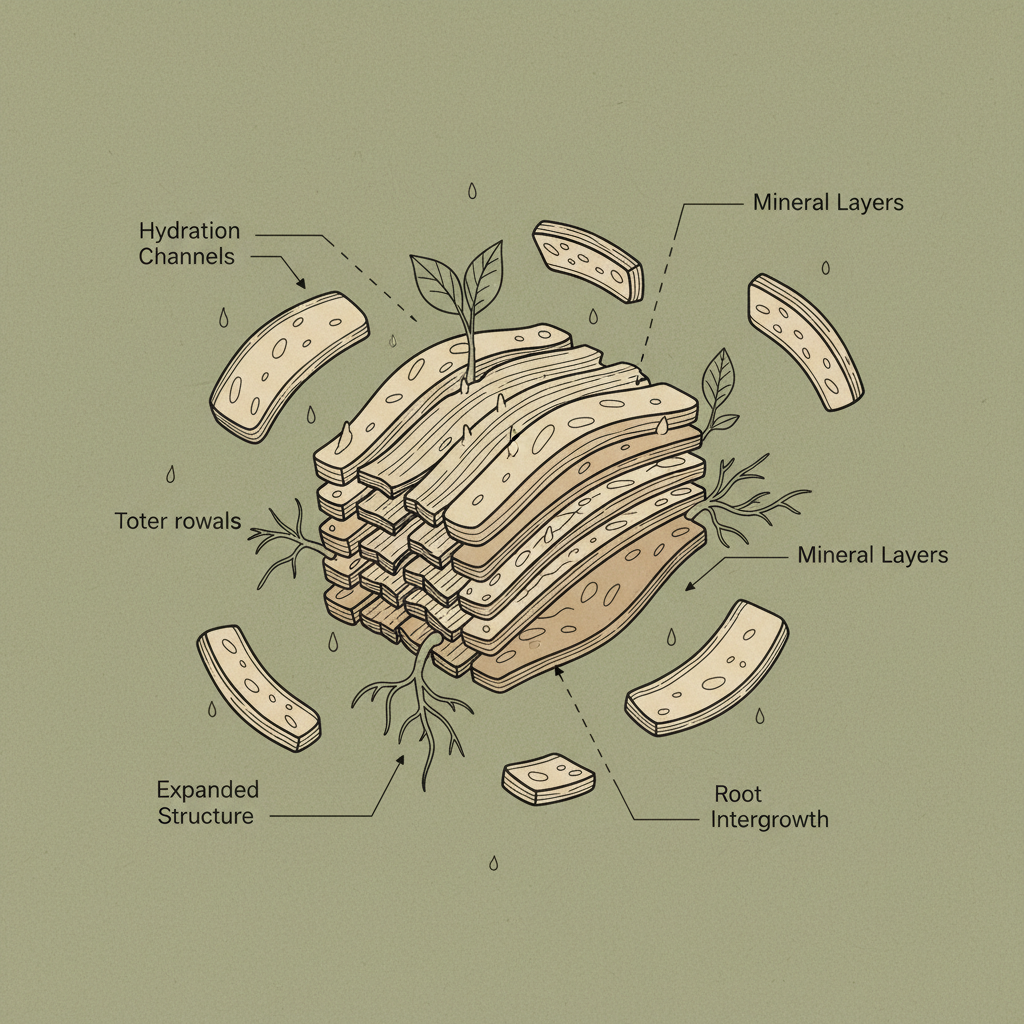
Let's get down to basics. Vermiculite is a hydrated magnesium aluminum iron silicate mineral. Sounds fancy, right? What it boils down to is a layered structure that expands dramatically when heated. This expansion creates a lightweight, porous material with excellent insulating properties. The ‘fine’ part means we’re talking about a specific particle size – consistently small, for optimal performance.
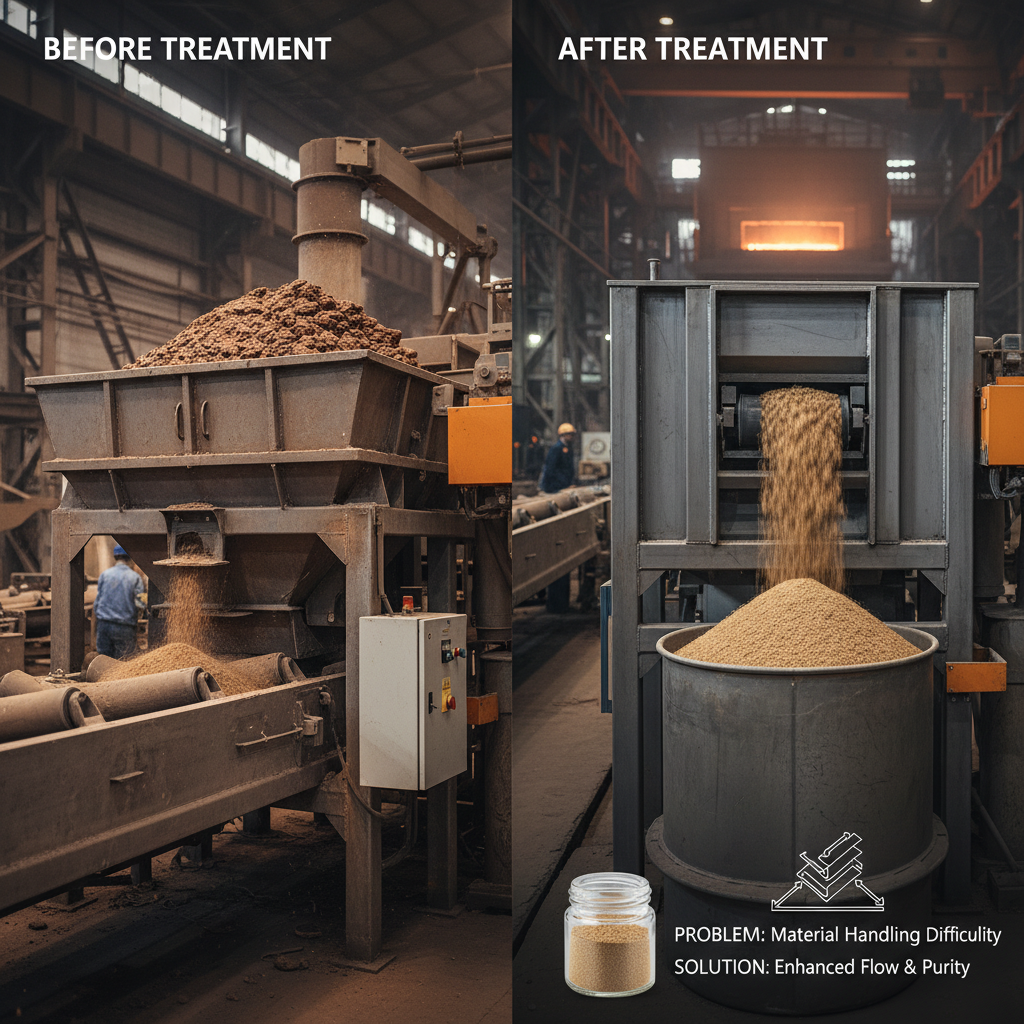
It’s not just about insulation. The porosity of fine vermiculite makes it an excellent carrier for liquids and gases. That’s why it’s used in potting mixes, cryogenics, and even as a component in some fireproofing coatings. It’s a sponge, basically, but a very high-tech one.
You'll see it used in lightweight concrete, plaster, and gypsum boards. It improves workability, reduces weight, and enhances thermal performance. The key is finding a reliable source that can deliver a consistent product, because inconsistencies can cause real issues during construction.
Key Performance Characteristics
Let’s talk shop. We need to consider several key characteristics. First, thermal insulation. It's top-notch – significantly reduces heat transfer, saving energy and money. Then there's fire resistance. Vermiculite doesn’t burn, and it actually helps to suppress flames, making it a crucial component in fireproofing systems.
Lightweight is huge – reduces structural load, simplifies handling, and lowers transportation costs. Sound absorption is another benefit, especially in interior applications. Finally, chemical inertness means it won’t react with other materials, ensuring long-term stability.
Performance of Fine Vermiculite Blends
Diverse Applications Across Industries
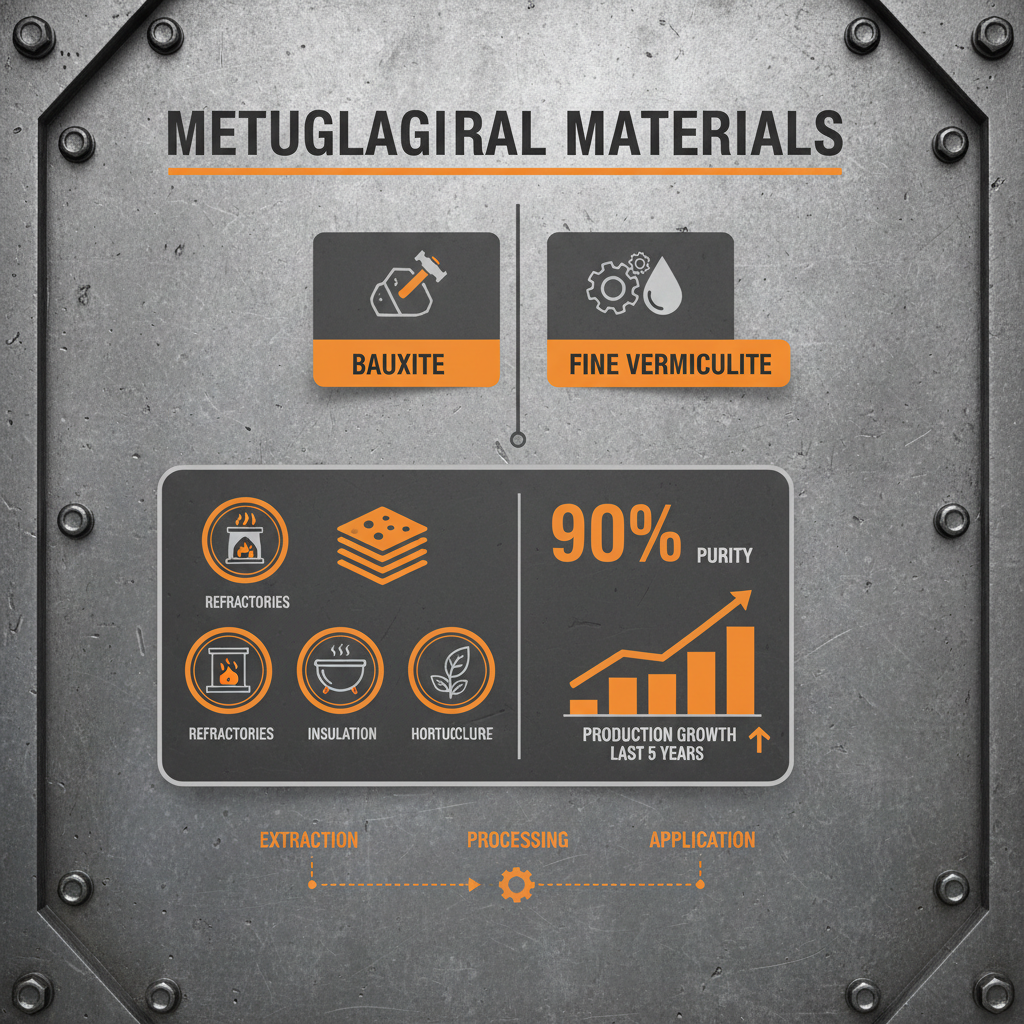
You’ll find fine vermiculite in the construction industry, obviously, for insulation, fireproofing, and lightweight concrete. But it extends far beyond that. In agriculture, it’s a key component of seed starting mixes and soil amendments, improving aeration and water retention.
I’ve even seen it used in the packaging industry as a cushioning material for delicate items. And in the oil and gas sector, it's employed in drilling muds to control viscosity and prevent blowouts. It's a surprisingly versatile material with applications across a wide spectrum of industries.
Long-Term Value and Sustainability
Look, building materials are a long-term investment. You want something that's going to last and provide value over the life of the structure. Fine vermiculite offers that. Its durability and resistance to degradation mean it won’t need frequent replacement, reducing lifecycle costs.
And from a sustainability standpoint, it's a solid choice. It’s a naturally occurring mineral, and its use can contribute to energy savings, reducing the carbon footprint of buildings. Plus, it's non-toxic and doesn't off-gas harmful chemicals, creating healthier indoor environments.
Future Trends and Innovation with Fine Vermiculite
We're starting to see some exciting developments. Researchers are exploring new ways to enhance the properties of vermiculite through nano-modification and composite materials. This could lead to even higher levels of insulation and fire resistance.
There's also growing interest in using vermiculite in geothermal energy systems, leveraging its thermal properties for efficient heat exchange. And with the rise of prefabricated construction, lightweight materials like vermiculite will become even more crucial.
I think we’ll see a lot more focus on creating “smart” building materials that can adapt to changing conditions, and vermiculite has the potential to play a key role in that evolution.
Overview of Fine Vermiculite Quality Control Parameters
| Particle Size Distribution |
Expansion Ratio |
Moisture Content |
Contaminant Levels |
| Percentage of particles within specific size ranges (e.g.,
|
Ratio of expanded volume to original volume, indicating the material's insulating capacity. |
Percentage of water content, affecting weight and performance. |
Presence of impurities like asbestos or heavy metals. |
| Consistent particle size is critical for optimal performance in concrete mixes. |
Higher expansion ratios generally lead to better thermal insulation. |
Excessive moisture can reduce insulation effectiveness and promote mold growth. |
Strict contaminant limits are essential for health and safety. |
| Typical acceptable range: 80-90% within
|
Ideal range: 8-15x expansion ratio. |
Acceptable limit:
|
Asbestos: 0%; Heavy metals: Below regulatory thresholds. |
| Testing method: Sieve analysis. |
Testing method: Standard expansion test. |
Testing method: Oven drying. |
Testing method: Laboratory analysis. |
| Poor control leads to inconsistent mixes and structural weaknesses. |
Lower expansion ratios reduce insulation performance and increase energy costs. |
High moisture content can cause corrosion and structural damage. |
Contaminants pose health risks and violate environmental regulations. |
| Regular monitoring and adjustments are vital for maintaining quality. |
Optimizing heating conditions during expansion is key to achieving the desired ratio. |
Proper storage and handling practices minimize moisture absorption. |
Sourcing from reputable suppliers with robust quality control systems is crucial. |
FAQS
Structures built with fine vermiculite can last for decades – easily 50 years or more – with proper maintenance. The material itself doesn’t degrade significantly over time, and its insulating properties remain remarkably stable. We've seen older buildings that originally used vermiculite performing just as well as newer constructions. However, the lifespan of the overall structure still depends on factors like foundation stability, roof integrity, and environmental exposure.
Upfront, fine vermiculite can be comparable in price to materials like fiberglass or cellulose. However, when you factor in the long-term benefits – energy savings, fire resistance, and durability – it often proves to be more cost-effective. You’re reducing heating and cooling bills, minimizing maintenance, and avoiding potentially costly repairs down the line. It’s a holistic cost analysis.
While fine vermiculite itself is inert, it can absorb moisture if not properly protected. Excessive moisture can reduce its insulating effectiveness and potentially promote mold growth. That’s why it’s crucial to use it in conjunction with a proper vapor barrier and ensure adequate ventilation. The right installation techniques are key.
Vermiculite mining does have some environmental impacts, like any resource extraction activity. However, it’s generally considered to be less disruptive than mining for other materials. Reputable suppliers are increasingly focused on sustainable mining practices, minimizing land disturbance, and restoring mined areas. Processing requires energy, but it’s relatively low compared to the production of some synthetic insulation materials.
Yes, absolutely. It’s relatively easy to work with and doesn’t require specialized tools. However, it's important to follow proper safety precautions, including wearing a dust mask and gloves. And always ensure that you're using it in compliance with local building codes and regulations. Do your research, and prioritize safety.
Quality control is paramount. Look for a supplier that provides certificates of analysis, guaranteeing consistent particle size, expansion ratio, and contaminant levels. Also, consider their commitment to sustainable mining practices and their track record of reliable delivery. Don't just go for the cheapest price; focus on value and reliability. fine vermiculite is the way to go.
Conclusion
Fine vermiculite isn't a flashy material, but it's a foundational one. Its combination of versatility, sustainability, and cost-effectiveness makes it an increasingly valuable asset in the construction industry and beyond. From improving energy efficiency to enhancing fire safety and supporting sustainable agriculture, it delivers tangible benefits across a wide range of applications.
Looking ahead, I expect to see even more innovation in the use of vermiculite, with new applications emerging as researchers unlock its full potential. If you’re looking for a reliable, high-performing material that can help you build smarter and more sustainably, fine vermiculite deserves serious consideration. Visit our website today at www.xingtailuxi.com to learn more.