
Apr . 09, 2026 02:05 Back to list
How to Choose the Best refractory materials suppliers for Success
How to Choose the Best Refractory Materials Suppliers for Industrial Success
In the demanding world of high-temperature industrial processes, the quality of your lining can mean the difference between seamless production and costly downtime. Finding reliable refractory materials suppliers is not just about purchasing bricks or castables; it is about establishing a partnership that ensures thermal efficiency, structural integrity, and long-term safety. Whether you are operating a blast furnace, a glass kiln, or a chemical reactor, the right materials prevent heat loss and resist chemical corrosion. In this guide, we will explore the critical factors to consider when vetting suppliers and how to optimize your material selection for maximum lifespan.
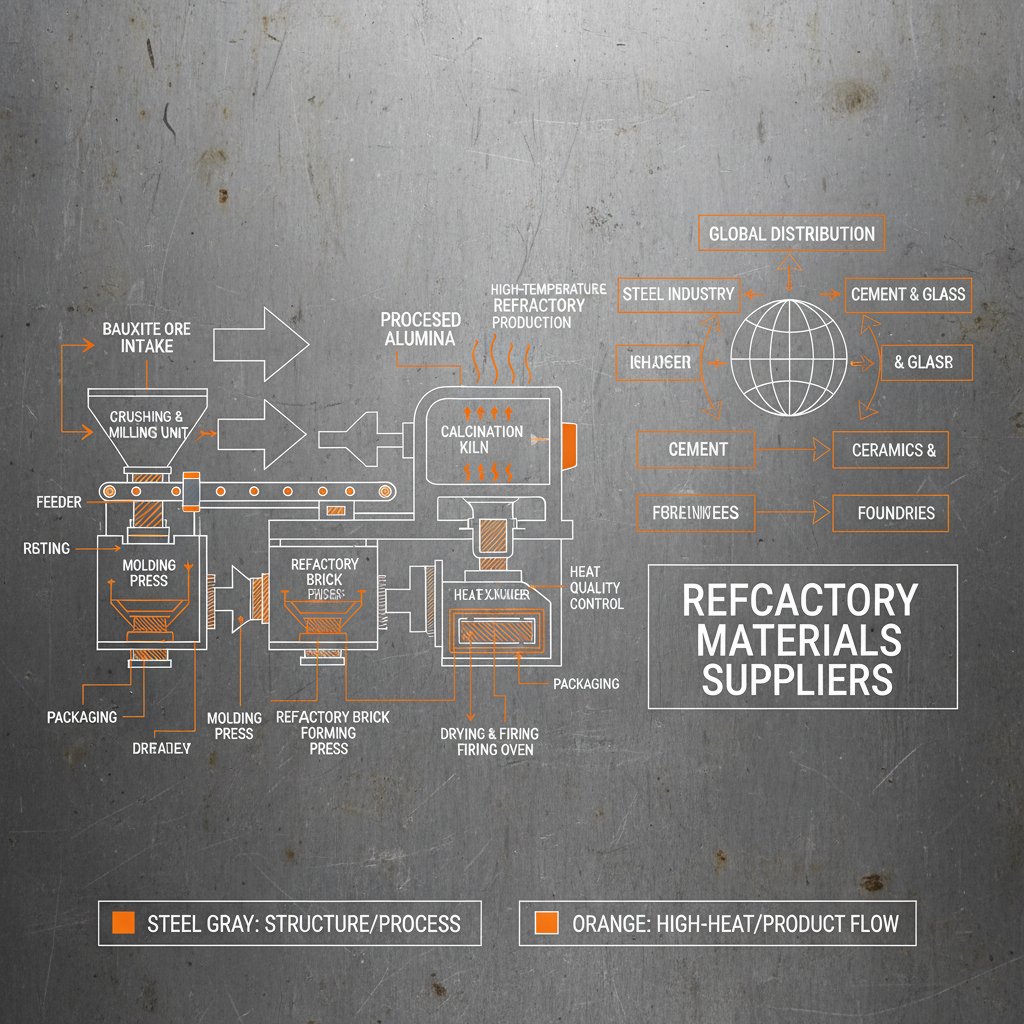
Critical Criteria for Evaluating Refractory Materials Suppliers
Not all refractory materials suppliers operate with the same standards of quality control. To avoid premature lining failure, procurement managers should prioritize material purity and consistency. A supplier that can provide a detailed chemical analysis and a batch-to-batch consistency report is far more valuable than one offering the lowest price. Additionally, look for suppliers who offer technical support for installation. The most advanced material will fail if the installation process is flawed. Assessing a supplier's experience in your specific industry—be it metallurgy, cement, or petrochemicals—ensures they understand the unique thermal shocks and corrosive agents your equipment will face.
Pro Tip: Always request an ISO certification and a sample test report before placing bulk orders to verify that the supplier's internal quality standards align with international benchmarks.
Comparing Types of Refractories from Top Suppliers
Depending on the operating environment, you will need either acid-resistant, basic, or neutral materials. Experienced refractory materials suppliers will guide you toward the correct chemistry. For instance, silica bricks (acidic) are excellent for glass tanks, while magnesia-chrome bricks (basic) are essential for steel ladles. Understanding the trade-offs between thermal conductivity and mechanical strength is key to reducing energy consumption and increasing the interval between maintenance shutdowns.
Supply Chain Stability with Global Refractory Materials Suppliers
In an era of volatile logistics, the ability of your refractory materials suppliers to maintain a steady inventory is critical. Unexpected delays in receiving specialized bricks can lead to prolonged outages that cost thousands of dollars per hour. Professional suppliers employ strategic warehousing and diversified sourcing to mitigate these risks. Furthermore, the integration of digital tracking and transparent communication ensures that you can plan your maintenance cycles with precision. When choosing a partner, ask about their lead times and their contingency plans for global shipping disruptions.
Technical Specifications: What to Request from Your Supplier
To ensure you are receiving a high-performance product, you must demand a detailed technical data sheet (TDS). A reputable refractory materials supplier will provide data on Bulk Density, Cold Crushing Strength (CCS), and Permanent Linear Change (PLC). These metrics indicate how the material will behave under intense pressure and thermal cycling. Without this data, you are guessing the lifespan of your furnace lining, which is a dangerous gamble in industrial operations.
Sustainable Trends in Refractory Material Sourcing
The industry is shifting toward "Green Refractories." Leading refractory materials suppliers are now developing materials that require lower firing temperatures during production, thereby reducing the overall carbon footprint. Additionally, the rise of recyclable refractory bricks is helping companies meet ESG (Environmental, Social, and Governance) goals without sacrificing performance. By partnering with a forward-thinking supplier, you can implement energy-saving linings that not only last longer but also reduce the heat energy required to maintain process temperatures, leading to lower operational costs.
Customization and Engineering Support
Standard products often fail to address the nuances of a custom-built kiln. The best refractory materials suppliers offer bespoke engineering services. This includes analyzing the specific chemical composition of your slag or gas and tailoring the material's alumina or zirconia content to resist those specific elements. Custom shapes and pre-cast blocks can also significantly reduce installation time and labor costs. When a supplier moves from being a "vendor" to an "engineering partner," the result is a dramatic increase in the reliability of your high-temperature assets.
Conclusion: Securing Your Future with Quality Refractories
Selecting the right refractory materials suppliers is a strategic decision that impacts your bottom line and operational safety. By focusing on material purity, technical transparency, and supply chain stability, you can ensure that your industrial linings withstand the harshest environments. Investing in premium materials and expert guidance today prevents the catastrophic failures of tomorrow. Choose a partner who prioritizes quality, innovation, and technical support to keep your furnaces running at peak efficiency.
Frequently Asked Questions (FAQs)
How often should I replace my refractory lining?
The replacement cycle varies significantly based on the material used and the severity of the operating conditions. Generally, high-wear areas (like the slag line in a furnace) require more frequent attention than the outer backup lining. We recommend conducting semi-annual inspections using thermal imaging and ultrasonic testing to detect thinning or cracks. By partnering with professional refractory materials suppliers, you can implement a predictive maintenance schedule that replaces materials just before failure, avoiding unplanned shutdowns.
What is the difference between fired and unfired refractory materials?
Fired refractories are pre-baked in a kiln by the supplier, giving them high strength and stability before they ever reach your site. Unfired materials, such as some castables or plastic refractories, harden through a chemical reaction or during the first heat-up of your furnace. While unfired materials are often easier to install in complex shapes, fired bricks typically offer superior resistance to chemical attack and a more predictable lifespan. Your supplier can help you decide based on the geometry of your equipment.
Can I mix different types of refractory bricks in one furnace?
Yes, and in many cases, you should. This is called "zoning." Different parts of a furnace experience different stresses. For example, you might use high-strength, expensive basic bricks in the high-corrosion zone and cheaper, high-insulation bricks in the shell area to save costs and retain heat. However, it is critical to ensure that the materials are chemically compatible at the joints to prevent reactions that could lead to cracking. Always consult with your refractory materials supplier for a proper zoning map.
How does temperature shock affect refractory materials?
Thermal shock occurs when a material undergoes rapid temperature changes, causing internal stresses that lead to "spalling" or cracking. Materials with a low coefficient of thermal expansion or those with a specific porous structure are better at absorbing these shocks. To minimize this, we recommend a controlled heat-up and cool-down schedule. High-quality materials from reputable suppliers are engineered to handle these cycles, but improper heating remains the leading cause of premature refractory failure.
-
Professional Boiler Refractory Material Supplier for Industrial Efficiency
NewsApr.16,2026
-
How to Choose the Best refractory materials suppliers for Success
NewsApr.09,2026
-
Understanding Refractory Bricks Raw Materials for High Temperature Applications
NewsApr.07,2026
-
PLIbrico Refractory Materials Understanding Applications and Benefits
NewsApr.04,2026
-
Advancements in Reversible Thermal Expansion Refractory Materials for High Temperature Applications
NewsMar.31,2026
-
Comprehensive Guide to Refractory Kiln Lining Material Selection and Applications
NewsMar.28,2026