
Apr . 07, 2026 01:55 Back to list
Understanding Refractory Bricks Raw Materials for High Temperature Applications
Understanding Refractory Bricks Raw Materials
Refractory bricks are essential components in high-temperature applications across various industries, including metallurgy, cement production, and power generation. Their ability to withstand extreme heat without degradation depends heavily on the quality and composition of the refractory bricks raw materials used in their manufacture. This article delves into the critical raw materials, their properties, and how they influence the performance of these crucial industrial components. Selecting the correct materials is paramount for ensuring longevity and operational efficiency.
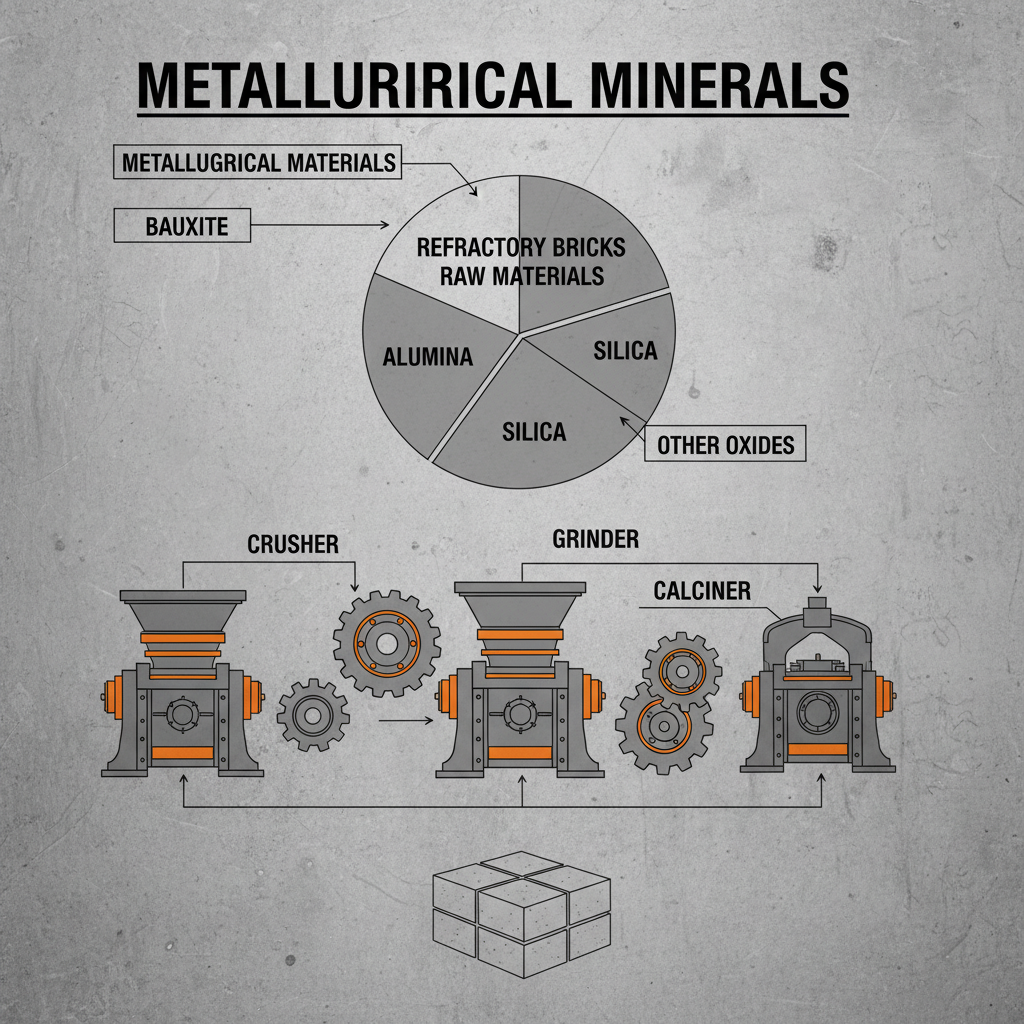
Key Raw Materials Used in Refractory Brick Production
The production of refractory bricks involves a blend of several raw materials, each contributing unique characteristics to the final product. These materials are broadly classified based on their chemical nature. Some of the most important include silica, alumina, magnesia, chromite, and zircon. Each material possesses different levels of refractoriness, thermal stability, and resistance to chemical attack. The careful selection and proportioning of these materials are vital to meeting the specific demands of the intended application. Understanding these core components is crucial for those involved in sourcing, manufacturing, and utilizing refractory materials.
Key Highlights: Careful selection and proportioning of raw materials are vital to meeting the specific demands of the intended application. Understanding these core components is crucial for those involved in sourcing, manufacturing, and utilizing refractory materials.
Silica (SiO₂) as a Fundamental Refractory Raw Material
Silica, typically in the form of quartz or sand, is a widely used raw material in refractory brick production. It offers good refractoriness, high strength at elevated temperatures, and excellent resistance to acidic slags. However, silica bricks exhibit a decline in strength at higher temperatures due to phase transformations. They are commonly used in glass furnaces, steelmaking processes, and other applications where resistance to acidic corrosion is paramount. The purity of the silica source is a key factor affecting the final brick’s performance, particularly its thermal shock resistance. Xingtai LuXi Refractory provides high quality silica based refractory materials.
Silica Benefits:
• Good refractoriness
• High strength at elevated temperatures
• Excellent resistance to acidic slags
• Cost-effective
Alumina (Al₂O₃) and Magnesia (MgO) – Enhancing Thermal Properties
Alumina and magnesia are pivotal in boosting the thermal and chemical resistance of refractory bricks. Alumina improves the strength and hot modulus of rupture, while magnesia provides exceptional resistance to basic slags. Combinations of alumina and silica are frequently used to create a range of refractory products tailored for specific industrial needs. Magnesia bricks, known for their high refractoriness and resistance to alkaline corrosion, are widely used in steelmaking furnaces and cement kilns. The source and purity of these oxides significantly impact the brick’s overall performance characteristics.
Specialty Raw Materials: Chromite and Zircon
For specialized applications demanding exceptional resistance to corrosion or thermal shock, chromite (FeCr₂O₄) and zircon (ZrSiO₄) are often incorporated. Chromite offers resistance to both acidic and basic slags and maintains strength at high temperatures. Zircon, with its high thermal conductivity and resistance to alkali attack, is frequently used in the glass industry and in specialized furnace linings. The choice of these materials depends on the specific chemical environment and operating conditions of the application.
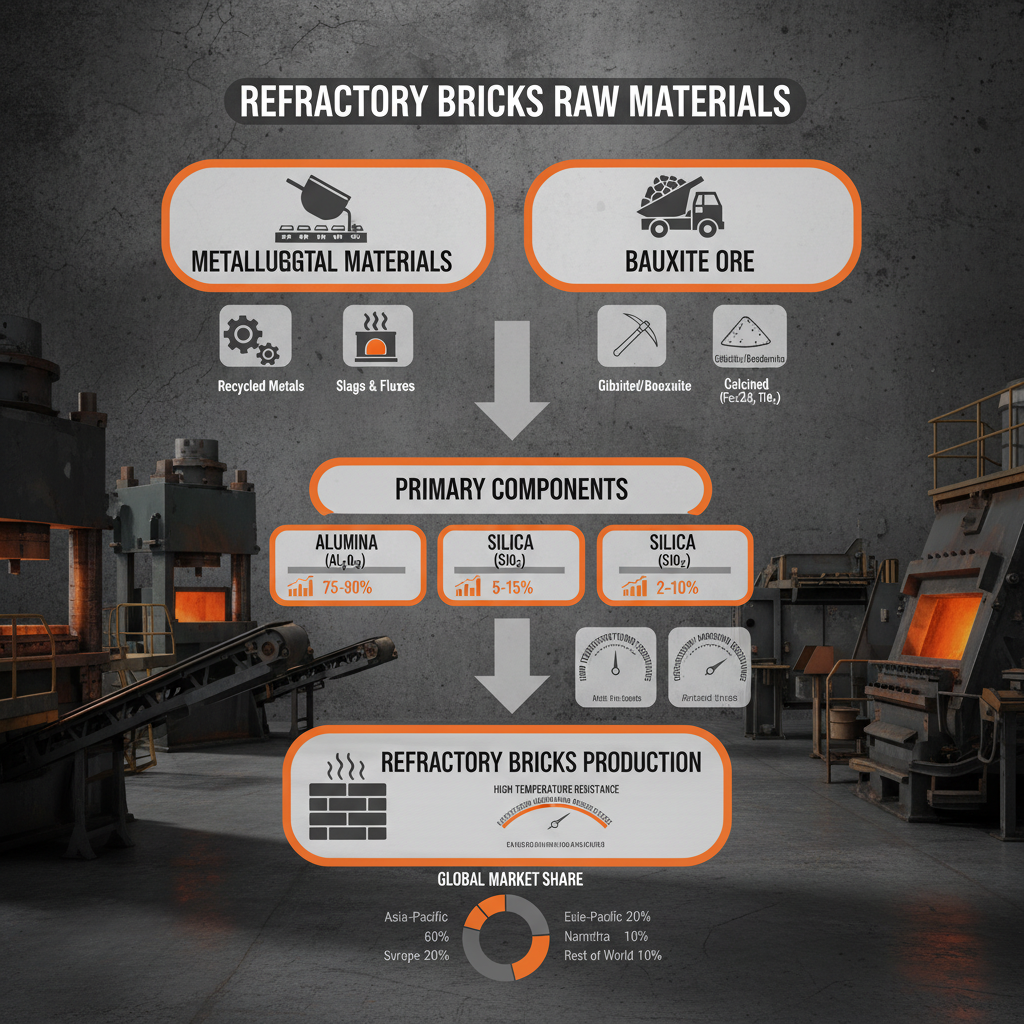
Quality Control and Sourcing of Refractory Bricks Raw Materials
Ensuring the quality of refractory bricks raw materials is paramount. Rigorous testing and analysis are conducted to verify chemical composition, particle size distribution, and purity levels. Reputable suppliers maintain strict quality control procedures throughout the entire sourcing and processing chain. Properly sourced materials lead to consistent brick quality, extended service life, and reduced maintenance costs. Partnering with reliable suppliers like Xingtai LuXi Refractory is essential for guaranteeing the performance and durability of your refractory installations.
Conclusion: The Foundation of High-Temperature Performance
The selection of high-quality refractory bricks raw materials is a critical aspect of ensuring the performance and longevity of high-temperature industrial processes. By understanding the properties of materials like silica, alumina, magnesia, chromite, and zircon, and by prioritizing quality control and reliable sourcing, industries can optimize their refractory systems and minimize downtime. Investing in superior materials translates to increased efficiency, reduced costs, and enhanced operational safety.
Frequently Asked Questions (FAQs)
What is the importance of particle size distribution in refractory raw materials?
Particle size distribution significantly impacts the packing density and permeability of the raw material mix. A well-graded particle size distribution minimizes voids, leading to a denser brick with improved strength and reduced porosity. Controlling particle size also affects the sintering behavior during brick firing, influencing the development of the final microstructure. Too much fine material can hinder sintering, while excessively large particles can create weak points in the brick structure. Optimizing particle size distribution is crucial for achieving desired brick properties.
How does the chemical purity of raw materials affect refractory brick performance?
The chemical purity of raw materials directly influences the refractoriness and resistance to chemical attack of the final brick. Impurities can lower the melting point, reduce the brick's ability to withstand corrosive environments, and accelerate degradation. For example, the presence of alkali metals in silica can cause it to become more susceptible to alkaline attack. High-purity raw materials are essential for demanding applications where resistance to specific chemicals is critical.
What are the key considerations when selecting a supplier of refractory raw materials?
When choosing a supplier, prioritize companies with a proven track record of quality control, consistent product specifications, and reliable delivery schedules. Look for suppliers who conduct thorough testing and analysis of their materials, and who can provide detailed certificates of analysis. Consider their experience in serving your specific industry and their ability to offer technical support and expertise. A strong supplier relationship is crucial for ensuring a stable and high-quality supply of refractory raw materials.
-
Professional Boiler Refractory Material Supplier for Industrial Efficiency
NewsApr.16,2026
-
How to Choose the Best refractory materials suppliers for Success
NewsApr.09,2026
-
Understanding Refractory Bricks Raw Materials for High Temperature Applications
NewsApr.07,2026
-
PLIbrico Refractory Materials Understanding Applications and Benefits
NewsApr.04,2026
-
Advancements in Reversible Thermal Expansion Refractory Materials for High Temperature Applications
NewsMar.31,2026
-
Comprehensive Guide to Refractory Kiln Lining Material Selection and Applications
NewsMar.28,2026