
Apr . 16, 2026 02:05 Back to list
Professional Boiler Refractory Material Supplier for Industrial Efficiency
Finding the Right Boiler Refractory Material Supplier for Industrial Efficiency
In the demanding world of industrial heating and power generation, the integrity of your furnace lining can be the difference between seamless operation and costly downtime. Partnering with a professional boiler refractory material supplier is essential to ensure that your equipment can withstand extreme temperatures, chemical erosion, and thermal shock. High-quality refractory materials act as the primary shield for your boiler shells, preserving energy efficiency and extending the service life of the entire system. In this guide, we will explore the critical factors in selecting the right materials and why choosing a specialized supplier is a strategic business decision.
The Critical Role of High-Grade Refractory Materials
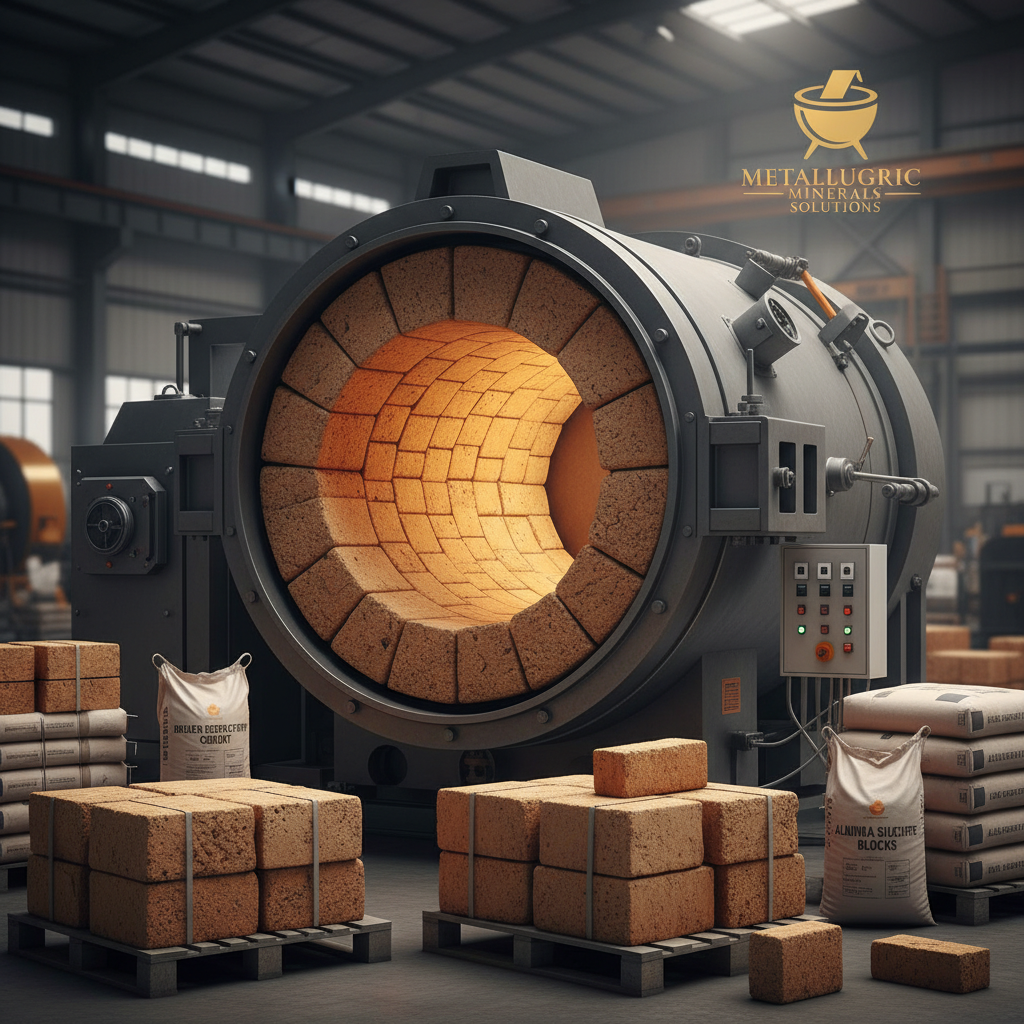
Refractories are non-metallic materials capable of maintaining their strength and structural stability at exceptionally high temperatures. For boilers, these materials must provide superior thermal insulation to minimize heat loss and protect the outer steel casing from melting or warping. A reputable boiler refractory material supplier provides a variety of options, including castables, bricks, and ceramic fibers, each tailored to specific zones of the boiler. Without the correct material grade, boilers face rapid degradation, leading to increased fuel consumption and frequent maintenance intervals.
Expert Insight: The choice of material depends heavily on the fuel type (coal, gas, or biomass) and the operating temperature. High-alumina materials are typically preferred for high-wear areas due to their exceptional hardness and chemical resistance.
Comparing Types of Materials from a Boiler Refractory Material Supplier
Not all refractories are created equal. Depending on whether you need structural support or purely thermal insulation, your boiler refractory material supplier will recommend different compositions. Castables offer ease of installation and seamless joints, while refractory bricks provide unmatched durability in high-impact zones. Understanding the trade-offs between these materials is key to optimizing your boiler's performance and reducing the overall cost of ownership.
Key Quality Indicators for Boiler Refractory Material Supplier Selection
When vetting a boiler refractory material supplier, you must look beyond the price tag. The quality of the raw materials, the precision of the firing process, and the consistency of the chemical composition are paramount. Look for suppliers that provide Material Test Reports (MTRs) and adhere to international standards like ASTM or ISO. A supplier that offers technical support for installation and curing schedules is far more valuable than one that simply ships a product, as improper installation can lead to premature failure regardless of material quality.
Verification Checklist:
• Does the supplier provide certification for Alumina (Al2O3) content?
• Is there a proven track record in your specific industry (e.g., petrochemical, power plant)?
• Do they offer customized formulations for extreme corrosion environments?
• What is their lead time and logistical capability for large-scale projects?
Installation and Maintenance Best Practices
The longevity of your lining is heavily dependent on the installation phase. Your boiler refractory material supplier should provide clear guidelines on water-to-cement ratios for castables and precise drying-out schedules. Rapid heating can cause trapped moisture to turn into steam, leading to explosive spalling. Regular thermal imaging inspections can help identify "hot spots" where the refractory has thinned, allowing for preventative patching before a catastrophic failure occurs.
Technical Specifications for Common Industrial Refractories
To help engineers and procurement managers, a professional boiler refractory material supplier provides detailed specification tables. These data points allow for the calculation of heat loss and the prediction of wear rates. Below is a typical specification table for high-performance materials used in modern boilers, highlighting the critical balance between density and thermal conductivity.
Environmental Impact and Energy Savings
Modern industrial goals are centered around sustainability and carbon reduction. A high-efficiency boiler refractory material supplier now focuses on "low-thermal mass" materials. By reducing the amount of energy required to heat the lining itself, plants can reach operating temperatures faster and reduce fuel waste. Furthermore, the use of eco-friendly, chrome-free refractories ensures that waste disposal at the end of the material's life cycle does not harm the environment, aligning your operations with global ESG standards.
Conclusion: Securing Your Infrastructure with Quality Refractories
Choosing the right boiler refractory material supplier is not just about purchasing raw materials; it is about securing the longevity and efficiency of your industrial assets. From selecting the appropriate alumina content to following strict installation protocols, every detail contributes to a safer and more profitable operation. By prioritizing quality, technical support, and material innovation, you can significantly reduce downtime and energy costs. Invest in premium refractories today to ensure a resilient tomorrow.
Frequently Asked Questions (FAQs)
How often should boiler refractory materials be replaced?
The replacement cycle varies based on the severity of the operating environment, the fuel type, and the quality of the materials. Generally, a full relining is performed every 5 to 10 years, but "hot patching" or localized repairs are often done annually during scheduled shutdowns. To determine the exact timing, we recommend regular thickness gauging and thermal imaging. If you notice an increase in outer shell temperature or a drop in steam efficiency, it is time to contact your boiler refractory material supplier for an inspection and replacement plan.
What is the difference between high-alumina and fireclay refractories?
The primary difference lies in the chemical composition and the resulting physical properties. Fireclay refractories have a lower alumina content and are suitable for moderate temperatures and general-purpose use. High-alumina refractories contain significantly more Al2O3, which grants them higher melting points, better resistance to chemical attack (slag resistance), and greater mechanical strength. For high-stress zones like the combustion chamber, high-alumina options from a professional supplier are almost always the preferred choice.
Can I mix different types of refractory materials in one boiler?
Yes, and in fact, "zoned lining" is the industry standard. A boiler is rarely made of a single material. High-wear areas (like the burner throat) use dense, high-strength materials, while the outer layers use insulating firebricks or ceramic fibers to keep the heat inside. The key is ensuring that the different materials have compatible coefficients of thermal expansion. If two materials expand at vastly different rates, they can pull apart or crack during heating cycles. Your supplier will provide a lining map to ensure these materials work in harmony.
Why is the "curing" or "dry-out" process so important for castables?
Castable refractories contain water for workability. If the boiler is fired up too quickly, this water evaporates violently, creating internal steam pressure that can cause the material to crack or explode (spalling). A controlled dry-out schedule involves slowly raising the temperature over several days, allowing the water to migrate out of the pores safely. Following the specific curing curve provided by your boiler refractory material supplier is the most critical step in ensuring the structural integrity of a monolithic lining.
-
Professional Boiler Refractory Material Supplier for Industrial Efficiency
NewsApr.16,2026
-
How to Choose the Best refractory materials suppliers for Success
NewsApr.09,2026
-
Understanding Refractory Bricks Raw Materials for High Temperature Applications
NewsApr.07,2026
-
PLIbrico Refractory Materials Understanding Applications and Benefits
NewsApr.04,2026
-
Advancements in Reversible Thermal Expansion Refractory Materials for High Temperature Applications
NewsMar.31,2026
-
Comprehensive Guide to Refractory Kiln Lining Material Selection and Applications
NewsMar.28,2026