
Mar . 28, 2026 02:05 Back to list
Comprehensive Guide to Refractory Kiln Lining Material Selection and Applications
Refractory Kiln Lining Material: A Comprehensive Guide
Selecting the right refractory kiln lining material is crucial for the efficiency, safety, and longevity of your industrial processes. This guide explores the types, applications, and key considerations when choosing materials for kiln linings. Effective kiln linings withstand extreme temperatures, corrosive environments, and mechanical stress, contributing significantly to operational cost savings and reduced downtime. Understanding the nuances of each material will enable you to make informed decisions, maximizing your investment and optimizing performance.
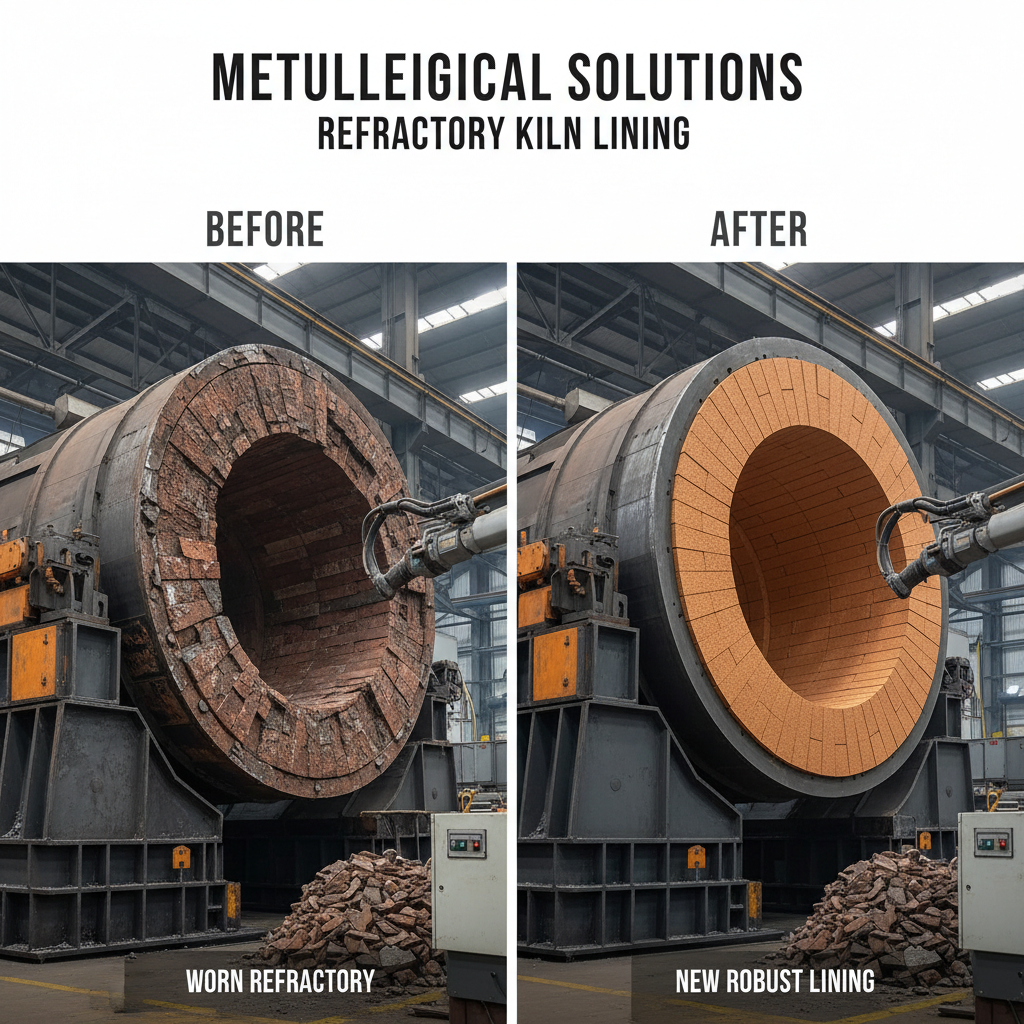
Understanding Refractory Materials
Refractory materials are engineered to withstand high temperatures without significant deformation or degradation. They are essential for lining kilns, furnaces, incinerators, and other high-temperature equipment. Common types include fireclay, high alumina, silica, magnesia, and chromite. Each material possesses unique properties making them suitable for specific applications. Fireclay refractories are cost-effective for lower temperature applications, while high alumina materials offer superior resistance to thermal shock and corrosion. Selecting the correct material depends heavily on the operating temperature, chemical environment, and mechanical stresses within the kiln.
Key Considerations: Choosing the right material involves analyzing operating temperatures, chemical exposure, and the required lifespan of the lining. Xingtai LuXi Refractory Co., Ltd. can assist in material selection to ensure optimal performance.
Types of Refractory Kiln Lining Material
The variety of refractory kiln lining material available is extensive, catering to a broad spectrum of industrial needs. Here's a breakdown of some key types:
Factors Influencing Material Selection
Beyond the basic material type, several factors influence the optimal choice for your kiln lining. These include the thermal cycling frequency (heating and cooling rates), the presence of slag formation, the abrasion resistance required, and the overall cost-effectiveness of the chosen material. Consideration should also be given to the installation method; whether it is a monolithic refractory (cast or rammed) or pre-fabricated blocks. Proper installation is as critical as the material selection itself.
Key Factors to Consider:
• Operating Temperature
• Chemical Environment
• Thermal Shock Resistance
• Mechanical Stress
Refractory Kiln Lining Material: Cost Analysis
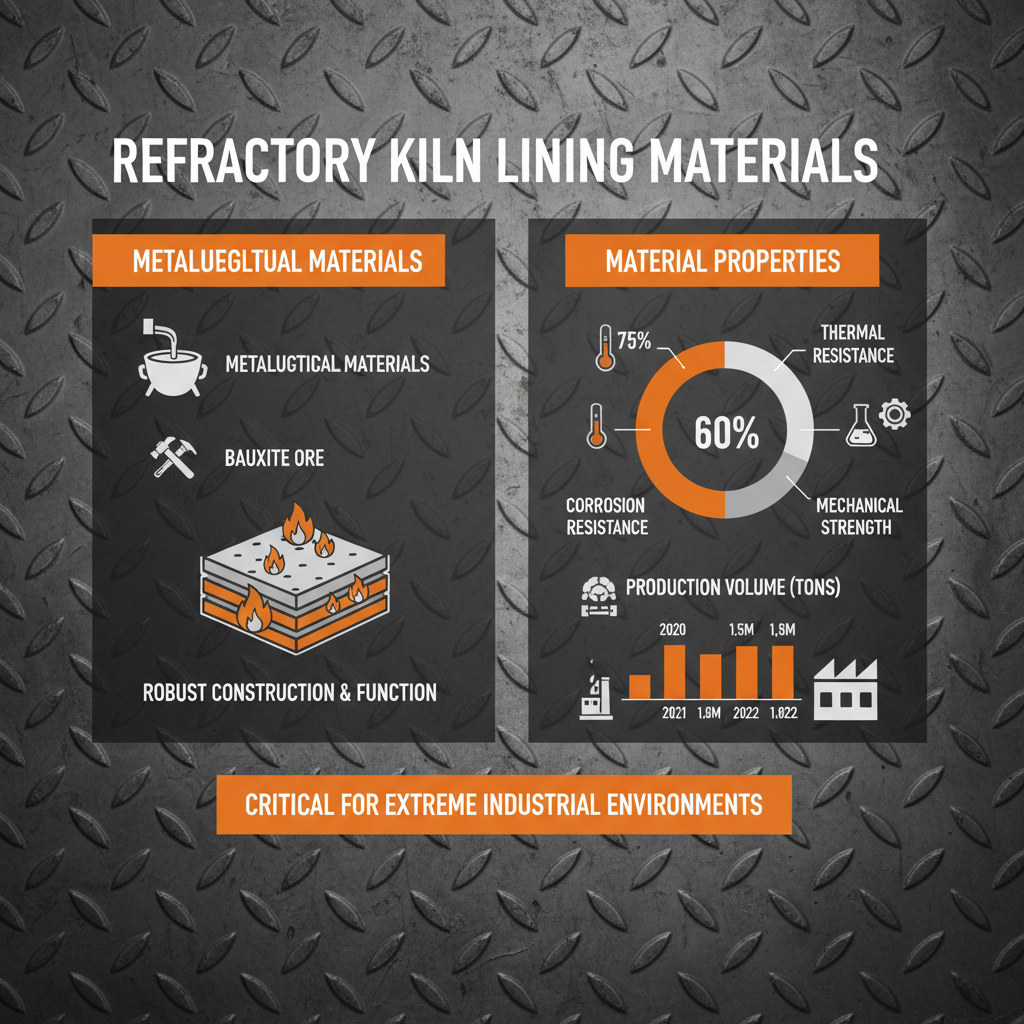
The initial cost of the refractory kiln lining material is only one piece of the puzzle. A thorough cost analysis must also account for installation costs, maintenance requirements, and the anticipated lifespan of the lining. While cheaper materials may have a lower upfront cost, they may require more frequent replacement, leading to higher long-term expenses. Investing in higher-quality materials can often result in significant cost savings over the life of the kiln. Consider the energy efficiency benefits too – a well-maintained lining reduces heat loss, lowering fuel consumption.
Selecting the Right Supplier
Choosing a reputable supplier is just as important as selecting the right material. Look for a supplier with a proven track record of quality, reliability, and technical expertise. Xingtai LuXi Refractory Co., Ltd. offers a comprehensive range of refractory materials, tailored solutions, and expert technical support. Ensure the supplier can provide detailed product specifications, material certifications, and assistance with installation and maintenance.
Conclusion: Optimizing Kiln Performance with the Right Lining
Selecting the appropriate refractory kiln lining material is an investment in the efficiency, safety, and longevity of your operations. Careful consideration of factors such as temperature, chemical environment, and cost, coupled with choosing a reliable supplier like Xingtai LuXi Refractory Co., Ltd., will ensure optimal performance and minimize downtime. Don't compromise on quality – choose wisely and protect your investment.
Frequently Asked Questions (FAQs)
What is the typical lifespan of a refractory kiln lining?
The lifespan of a refractory kiln lining varies greatly depending on several factors, including the operating temperature, the chemical aggressiveness of the process, and the quality of the material used. Typically, a well-maintained lining can last between 5 and 15 years. However, regular inspections are vital to identify early signs of wear and tear. Cracking, spalling, and erosion are indicators that the lining may need repair or replacement. Maintaining consistent operating conditions and avoiding sudden temperature fluctuations can significantly extend the lining’s lifespan. Contact Xingtai LuXi Refractory Co., Ltd. for expert advice on lining maintenance.
What are the benefits of using monolithic refractories?
Monolithic refractories, such as castables and ramming mixes, offer several advantages over pre-fabricated bricks. They provide a seamless lining, eliminating joints that can be points of weakness. They are also easier and faster to install, particularly in complex shapes. Monolithic refractories offer excellent thermal shock resistance and can be tailored to specific application requirements. However, they require careful mixing and placement to achieve optimal density and performance.
How can I minimize thermal shock in my kiln lining?
Thermal shock is a common cause of refractory lining failure. To minimize it, avoid rapid heating and cooling cycles. Implement a controlled heat-up and cool-down schedule. Choose materials with high thermal shock resistance, such as those containing silica or alumina. Ensure the lining is properly installed and free from cracks or defects. Preheating the lining before initial use can also help reduce thermal stress. Consider using insulating refractory materials to reduce heat transfer and temperature gradients.
What role does insulation play in kiln efficiency?
Insulation is critical for maximizing kiln efficiency. It reduces heat loss, lowering fuel consumption and minimizing energy costs. Proper insulation also helps maintain consistent temperatures within the kiln, improving product quality and reducing thermal stress on the refractory lining. Various types of insulation materials, such as ceramic fiber blankets and lightweight castables, are available to suit different applications.
-
Professional Boiler Refractory Material Supplier for Industrial Efficiency
NewsApr.16,2026
-
How to Choose the Best refractory materials suppliers for Success
NewsApr.09,2026
-
Understanding Refractory Bricks Raw Materials for High Temperature Applications
NewsApr.07,2026
-
PLIbrico Refractory Materials Understanding Applications and Benefits
NewsApr.04,2026
-
Advancements in Reversible Thermal Expansion Refractory Materials for High Temperature Applications
NewsMar.31,2026
-
Comprehensive Guide to Refractory Kiln Lining Material Selection and Applications
NewsMar.28,2026