
Advanced Graphitized Petroleum Coke Solutions for Egypt's Ferroalloy Industry

Optimizing metallurgical efficiency and carbon precision for the Egyptian steel and alloy smelting sector with world-class materials.

Advanced Graphitized Petroleum Coke Solutions for Egypt's Ferroalloy Industry

Providing high-purity carbon and metallurgical additives tailored to the specific thermal and chemical requirements of Egyptian smelting plants.

Current State of Egypt's Ferroalloy Smelting Sector

Analyzing the intersection of regional infrastructure and metallurgical demand.

Egypt's metallurgical landscape is currently characterized by a strategic push toward industrial localization. The reliance on imported metallurgical material remains high, as the domestic industry seeks to upgrade its furnace efficiency to compete with global standards, particularly in the Nile Delta industrial hubs.

Environmental factors, such as the arid climate and salt-heavy air near coastal ports, necessitate materials with high stability. The demand for high-quality carbon raiser has surged as Egyptian mills transition from traditional coke to high-performance additives to reduce sulfur impurities in specialty steels.

Economically, the integration of the Suez Canal Economic Zone has accelerated the import of refined additives. Smelters are now focusing on the precision of carbon absorption to optimize the production of high-tensile materials, creating a critical need for consistent, low-ash carbon sources.
Evolution of Metallurgical Technology in Egypt

From traditional blast furnaces to precision carbon control.

Market Development History

In the early 2000s, the Egyptian ferroalloy sector relied heavily on basic coke and raw minerals. The technical focus was primarily on volume rather than purity, leading to higher waste rates and inconsistent alloy grades.

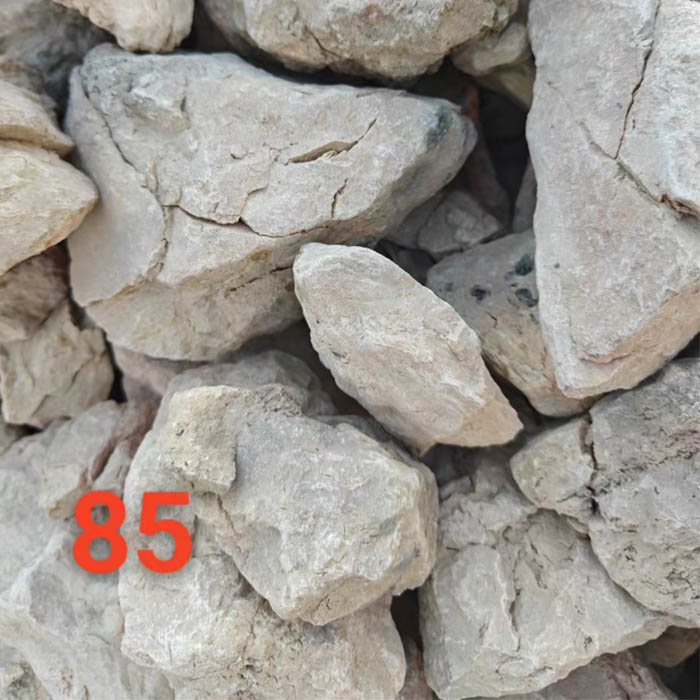
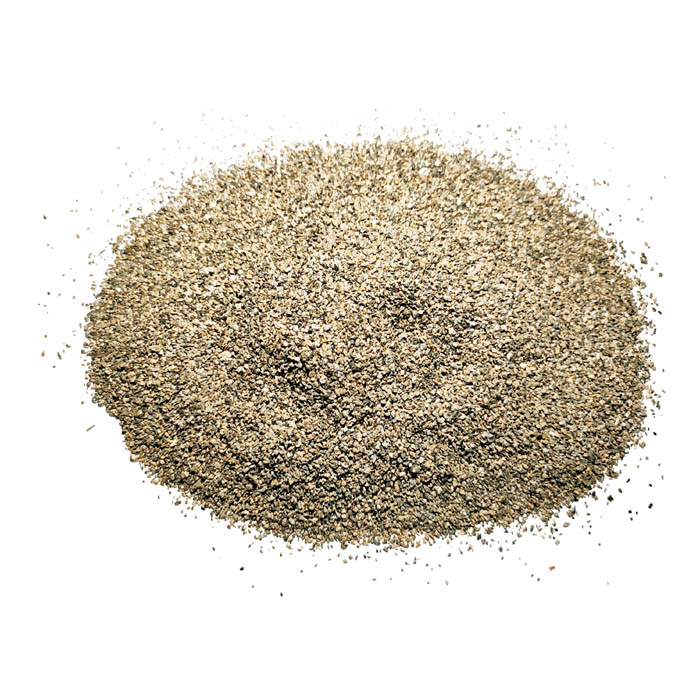
Between 2010 and 2020, a shift occurred toward "precision smelting." The introduction of calcined bauxite as a critical refractory and alloying agent allowed for higher operating temperatures and better slag control in electric arc furnaces.

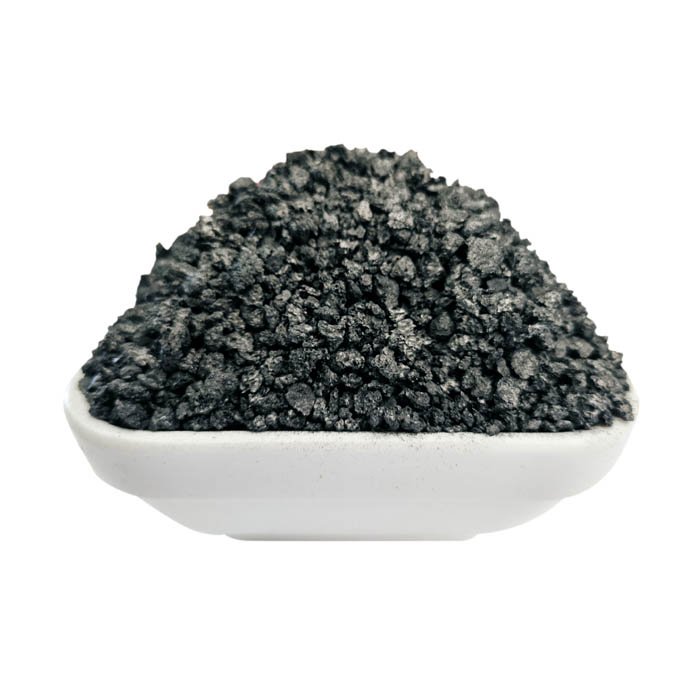
Since 2021, the focus has shifted to carbon efficiency. The adoption of graphitized materials has replaced crude carbon sources, significantly reducing the energy required for carburization in the production of steel wire rod.

Future Development Trends

Green Hydrogen Integration

The next 3-5 years will see a pivot toward hydrogen-reduced iron, requiring specialized carbon additives that can maintain structural integrity under new chemical reduction cycles.

Digitalized Feedstock Control

Google search trends indicate a rise in "Smart Metallurgy." Egypt is expected to adopt AI-driven dosing systems for metallurgical materials to minimize waste.

Ultra-Low Sulfur Standards

Stricter environmental regulations will force a move toward ultra-pure graphitized petroleum coke to meet international export standards for the automotive and aerospace sectors.

Industry Trends and Future Outlook

Strategic trajectories for the Egyptian metallurgical landscape.

Carbon Emission Reduction
Shift toward high-activity carbon raisers to reduce furnace residence time and CO2 output.
Refractory Optimization
Increased adoption of high-grade alumina from calcined bauxite for extreme temperature lining.
Specialty Steel Growth
Rise in demand for high-precision steel wire rod for urban infrastructure projects in Cairo.
Supply Chain Resilience
Diversification of metallurgical material sourcing to avoid regional logistics bottlenecks.

Industry Outlook

The Egyptian ferroalloy industry is moving toward a "Quality-First" paradigm. The transition from generic carbon sources to specified graphitized petroleum coke is no longer optional but a requirement for those targeting the EU export market.

We project a significant increase in the integration of automated smelting controls, which will require raw materials with tighter chemical tolerances and consistent particle size distribution to prevent furnace instability.

Localized Application Scenarios in Egypt

Practical implementations of high-performance metallurgical additives.

01. High-Tensile Construction Steel in Cairo

Utilizing high-purity carbon raiser to ensure the precise carbon content of steel used in the New Administrative Capital's skyscraper foundations.

02. Refractory Lining for Alexandria Smelters

Implementing calcined bauxite to enhance the thermal resistance of furnace linings against the corrosive maritime humidity of Alexandria.

03. Automotive Component Forging in 6th of October City

Applying graphitized petroleum coke to produce high-strength alloys for the expanding domestic automotive assembly plants.

04. Specialized Wire Drawing for Electrical Grids

Using optimized steel wire rod production techniques to support the national electrical grid expansion across Upper Egypt.

05. Ferro-Silicon Production for Regional Export

Integrating high-grade metallurgical material to lower the impurity levels of silicon alloys destined for the Middle Eastern market.

Brand Story

Global Development Journey of Xingtai Luxi Environmental Technology Co., Ltd.

Foundational Excellence

Established with a mission to bridge the gap between raw carbon resources and high-precision metallurgical needs, focusing on purity and consistency.

Technological Breakthrough

Developed proprietary graphitization processes that significantly reduced the sulfur and ash content of petroleum coke for global exports.

Global Market Expansion

Expanded operations into the African market, specifically targeting Egypt's industrialization wave with customized ferroalloy solutions.

Sustainability Pivot

Integrated environmental protections into the production chain, ensuring that our metallurgical materials meet the strictest green standards.

Industry Leadership

Now recognized as a premier partner for Egypt's smelting industry, solving the pain point of carbon instability in high-end alloy production.

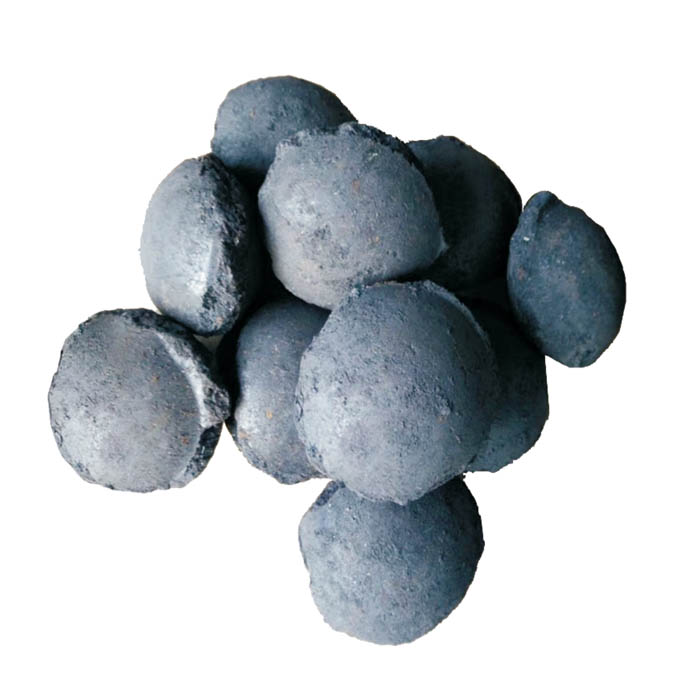
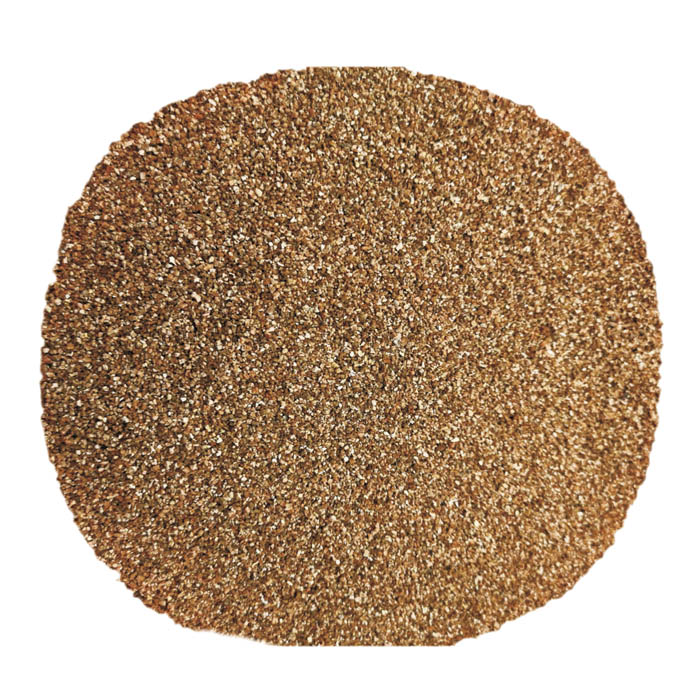
Complete Metallurgical Product Portfolio for Egypt

Comprehensive material solutions for every stage of the smelting and rolling process.

Egypt Ferroalloy Smelting FAQ

Expert answers to common technical challenges in the Egyptian market.

How does high-purity carbon raiser improve steel quality in Egyptian mills?

It allows for precise carbon adjustment without introducing harmful impurities like sulfur or phosphorus, which is critical for maintaining the mechanical properties of construction-grade steel.

What is the benefit of using graphitized petroleum coke over traditional coke?

Graphitized petroleum coke offers much higher carbon activity and lower ash content, reducing energy consumption during the smelting process and improving the purity of the final ferroalloy.

How does calcined bauxite affect the lifespan of electric arc furnaces?

By providing superior heat resistance and chemical stability, it reduces the erosion of the furnace lining, leading to fewer maintenance shutdowns and lower operational costs.

What metallurgical material is best for producing high-tensile steel wire rod?

A combination of low-sulfur carbon raisers and high-purity alloy additions is essential to prevent brittleness and ensure the ductility required for wire drawing processes.

Can these carbon materials help in reducing slag volume in Egyptian furnaces?

Yes, materials with extremely low ash content minimize the amount of non-metallic waste produced, which directly reduces slag volume and improves metal recovery rates.

What are the logistics considerations for importing metallurgical materials to Egypt?

Focusing on moisture-proof packaging and utilizing the Suez Canal's logistics hubs ensures that materials arrive without degradation, maintaining their chemical specifications.

Ready to Optimize Your Smelting Process?

Our technical team is ready to provide customized metallurgical solutions for your operations in Egypt.

Contact Us Now

If you are interested in our products, you can choose to leave your information here, and we will be in touch with you shortly.