Pool vermiculite, a highly versatile mineral, is increasingly recognized for its unique properties and wide range of applications, particularly in pool finishing. Its lightweight nature, exceptional insulation capabilities, and fire resistance make it a sustainable and effective alternative to traditional materials. Understanding the benefits of pool vermiculite is crucial for both homeowners and professionals seeking durable, cost-effective, and environmentally friendly pool solutions.
Globally, the demand for sustainable building materials is surging, driven by growing environmental awareness and stricter building codes. Pool vermiculite perfectly aligns with this trend, offering a natural and non-toxic alternative to conventional pool finishes. The increasing popularity of pool renovations and new pool construction worldwide further fuels the demand for innovative and reliable materials like pool vermiculite.
The escalating costs of traditional pool materials and the environmental impact of their production are driving the adoption of pool vermiculite. It’s a material that addresses these challenges head-on, providing a balance of performance, sustainability, and affordability for pool owners and builders alike. Choosing pool vermiculite is not just a material selection; it's a commitment to a more sustainable and durable pool experience.
Introduction to Pool Vermiculite
Pool vermiculite is a naturally occurring mineral that has gained significant traction as a superior alternative to traditional pool finishes. Its unique cellular structure lends itself to excellent thermal and acoustic properties, enhancing the overall pool experience. The increasing demand for sustainable and eco-friendly solutions has further boosted the popularity of this versatile material.
Unlike conventional materials that can be prone to cracking and fading, pool vermiculite provides a durable and long-lasting finish. Its inherent resistance to chemical degradation ensures that your pool surface remains pristine and attractive for years to come. It’s a long-term investment that offers both aesthetic appeal and practical benefits.
Defining Pool Vermiculite
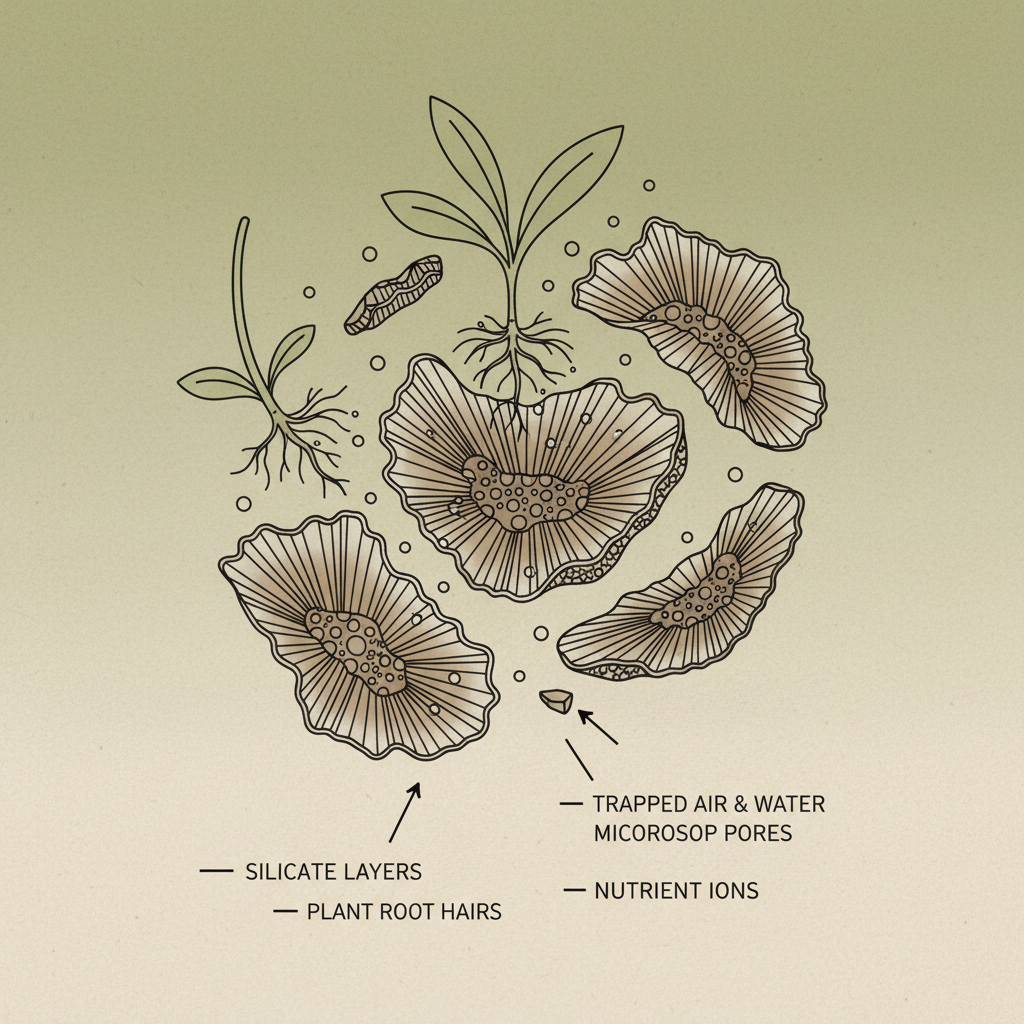
Pool vermiculite is a hydrated magnesium aluminum iron silicate mineral, often described as a "mica-like" material. When heated to high temperatures, it expands dramatically – a process called exfoliation – creating lightweight, accordion-like particles. These particles, when combined with a suitable binder, create a smooth, durable, and insulating finish ideal for swimming pools.
Its connection to modern industry lies in its ability to solve key challenges in construction and insulation. The exfoliated structure traps air, providing exceptional thermal performance. In the context of pools, this translates to reduced heat loss, lower energy costs for heating, and a more comfortable swimming environment.
Pool vermiculite isn't merely a building material; it's a testament to sustainable innovation. It's naturally sourced, non-toxic, and requires less energy to produce than many synthetic alternatives. This makes it a responsible choice for environmentally conscious pool owners and builders.
Key Properties of Pool Vermiculite
One of the defining characteristics of pool vermiculite is its exceptional thermal insulation. The expanded structure traps air, effectively minimizing heat transfer and maintaining a consistent pool temperature. This reduces the need for frequent heating, leading to significant energy savings.
Durability is another key strength. Pool vermiculite resists cracking, chipping, and fading, even when exposed to harsh chemicals and UV radiation. This results in a longer-lasting pool finish that requires minimal maintenance. The material’s stability ensures a beautiful and functional pool surface for years to come.
Pool vermiculite is remarkably lightweight, simplifying installation and reducing structural stress on the pool shell. This also contributes to lower transportation costs and easier handling. Its inherent fire resistance adds an extra layer of safety to your pool area.
Applications of Pool Vermiculite
The primary application of pool vermiculite is as a plaster aggregate in pool finishes. It’s blended with cement, lime, and other additives to create a smooth, durable surface that can be customized with various colors and textures. This allows pool owners to achieve a visually appealing and functional pool environment.
Beyond pool plaster, pool vermiculite can also be used in pool decking materials, providing a non-slip and comfortable surface around the pool area. Its insulating properties can extend to pool equipment housings, protecting sensitive components from extreme temperatures.
Comparison of Pool Finish Materials
Global Usage and Benefits
Pool vermiculite is gaining prominence in North America and Europe, driven by increasing demand for sustainable building materials and energy efficiency. In regions with colder climates, its superior insulation properties are particularly valued, reducing heating costs and extending the swimming season.
Australia also sees growing adoption, particularly in areas facing water scarcity. The reduced evaporation rate associated with well-insulated pools helps conserve water resources. Asia is emerging as a key market, with increased construction and renovation activity driving demand for durable and cost-effective pool finishes.
Advantages and Long-Term Value
The most tangible benefit of using pool vermiculite is cost savings. Reduced energy consumption for heating translates to lower monthly bills. The durability of the material minimizes the need for frequent repairs or replacements, further lowering long-term ownership costs.
From a sustainability perspective, pool vermiculite offers a significantly lower environmental footprint compared to many traditional materials. It’s a natural resource, requires less energy to process, and contributes to reduced water evaporation. Choosing pool vermiculite aligns with responsible building practices and environmental stewardship.
The peace of mind that comes with a durable, low-maintenance pool finish is invaluable. Pool vermiculite provides a safe, comfortable, and visually appealing swimming environment that enhances the overall enjoyment of your pool. This added value contributes to increased property value and a greater sense of satisfaction.
Future Trends and Innovations
Ongoing research is focused on enhancing the performance of pool vermiculite through innovative blends and additives. Developing new formulations that offer even greater durability, chemical resistance, and aesthetic versatility is a key area of exploration.
The integration of smart technologies, such as self-healing coatings, with pool vermiculite finishes is another emerging trend. These advancements aim to further extend the lifespan of pool surfaces and minimize maintenance requirements. The adoption of digital modeling and automation in the application process promises to improve efficiency and consistency.
Driven by increasing demand for sustainable building practices, we anticipate a surge in the use of bio-based binders and additives in pool vermiculite formulations. This will further reduce the environmental impact of pool construction and renovation, aligning with global sustainability goals.
Summary of Challenges and Solutions Regarding Pool Vermiculite Application
| Challenge |
Impact on Pool Owners |
Potential Solution |
Cost Estimate |
| Initial Material Cost |
Higher upfront investment compared to standard plaster |
Focus on long-term savings (energy, maintenance) |
$0 (benefit realization over time) |
| Application Expertise |
Requires skilled installers to ensure proper application |
Training and certification programs for installers |
$500 - $1,500 (installer training) |
| Color Consistency |
Achieving uniform color can be challenging |
Precise batch mixing and quality control measures |
$100 - $300 (enhanced mixing equipment) |
| Market Awareness |
Limited consumer knowledge of pool vermiculite benefits |
Educational marketing campaigns and demonstration projects |
$2,000 - $5,000 (marketing materials) |
| Sourcing Reliability |
Potential disruptions in supply chain |
Diversifying suppliers and establishing long-term contracts |
$0 (strategic sourcing) |
| Long-Term Performance Data |
Limited long-term studies on performance in diverse climates |
Ongoing monitoring and data collection from installations |
$1,000 - $3,000 (monitoring equipment/analysis) |
FAQS
Pool vermiculite offers several advantages over traditional plaster, including superior thermal insulation, reducing heating costs, enhanced durability minimizing repairs, and a lighter weight simplifying installation. It’s also a more sustainable option, being a naturally occurring mineral requiring less energy to process. Ultimately, pool vermiculite provides a long-lasting, cost-effective, and environmentally friendly pool surface.
Pool vermiculite's expanded structure creates millions of tiny air pockets, significantly reducing heat transfer through the pool shell. This translates to less heat loss in cooler climates and reduced energy consumption for pool heating. By maintaining a consistent water temperature, pool vermiculite helps lower monthly energy bills and extend the swimming season.
Yes, pool vermiculite exhibits excellent resistance to common pool chemicals, including chlorine, salt, and other sanitizers. Its inherent chemical stability ensures that the pool finish remains pristine and does not degrade over time, even with regular chemical treatments. This makes it a reliable choice for various pool types and maintenance routines.
With proper installation and maintenance, a pool vermiculite finish can last for 10-20 years or even longer. Its durability and resistance to cracking, chipping, and fading contribute to its longevity. Regular brushing and chemical balancing will help preserve its appearance and extend its lifespan.
Absolutely. Pool vermiculite is a naturally occurring mineral, making it a sustainable alternative to synthetic pool finishes. It requires less energy to produce, doesn't release harmful toxins, and contributes to reduced water evaporation thanks to its insulating properties. Choosing pool vermiculite is a responsible decision for environmentally conscious pool owners.
The initial cost of pool vermiculite installation can be slightly higher than traditional plaster, but the long-term savings on energy and maintenance often offset this difference. The overall cost depends on the size of the pool, the complexity of the installation, and the region. However, when considering the total cost of ownership, pool vermiculite proves to be a competitive and valuable investment.
Conclusion
In conclusion, pool vermiculite represents a significant advancement in pool finishing technology. Its unique combination of thermal insulation, durability, sustainability, and cost-effectiveness makes it a compelling alternative to traditional materials. From reducing energy consumption to minimizing maintenance, the benefits of pool vermiculite extend far beyond aesthetics.
As awareness of its advantages grows, we anticipate continued innovation in pool vermiculite formulations and applications. Investing in this technology is not only a smart financial decision but also a commitment to environmental responsibility and a more enjoyable pool experience. Visit our website at pool vermiculite to learn more and explore our range of products.