Volatility in the carbonaceous materials market often leaves procurement managers questioning the stability of their supply chains, particularly regarding the price of petroleum coke. In the specialized field of ferroalloy smelting, where carbon efficiency directly impacts the bottom line, understanding the drivers of these price shifts is not just an accounting exercise—it is a strategic necessity.
The interplay between global crude oil refining capacities, environmental regulations on sulfur emissions, and the shifting demand from the aluminum and steel sectors creates a complex pricing matrix. When the cost of raw petroleum coke fluctuates, it triggers a ripple effect across the production costs of high-value derivatives, such as graphitized recarburisers, which are critical for precision steelmaking.
By analyzing the current market variables and the technical requirements of metallurgical applications, operators can better predict cost trajectories and optimize their material sourcing strategies. This analysis explores the underlying mechanics of the coke market and how industrial users can mitigate financial risks.


Petroleum coke is a byproduct of the oil refining process, specifically from the delayed coking units. Its value is primarily determined by its carbon content and the level of impurities, such as sulfur and vanadium. In the ferroalloy industry, "needle coke" is highly prized for graphite electrodes, while "shot coke" or "calcined coke" is used as a reducing agent.
The pricing structure is not monolithic; it varies significantly between green coke (raw) and calcined coke (heat-treated). For manufacturers, the cost of energy required for calcination adds a layer of complexity to the final market price, making the energy market a silent partner in determining the price of petroleum coke.
The primary driver of price shifts is the operational status of global refineries. Since petroleum coke is a byproduct, its supply is inelastic—it cannot be increased simply because the market price rises. If refineries shift toward "bottom-of-the-barrel" processing technologies that eliminate coke production, the available supply drops, causing immediate price spikes.
Environmental regulations also play a pivotal role. Stricter limits on sulfur dioxide emissions force a premium on low-sulfur petroleum coke. When regulatory bodies in major industrial hubs like China or the EU tighten emissions standards, the demand for high-purity carbon sources surges, decoupling the price of premium coke from the general commodity index.
Additionally, the synergy with the aluminum industry cannot be ignored. Aluminum smelting requires vast amounts of carbon anodes. Any surge in global aluminum production immediately tightens the petroleum coke market, increasing the cost for other sectors, including the manufacturers of GPC recarburisers used in steel foundries.
From a metallurgical perspective, the price of petroleum coke is often a trade-off between raw material cost and process efficiency. Low-cost, high-sulfur coke may seem attractive on a balance sheet, but it introduces nitrogen and sulfur brittleness into the liquid steel, potentially ruining the mechanical properties of the final product.
The true value of a carbon source is measured by its "carbon recovery rate." Materials like GPC recarburisers, though processed from coke, offer higher absorptivity and lower nitrogen content, which reduces the total volume of material needed and shortens the production cycle.
This shift toward high-efficiency materials means that the industry is moving away from focusing solely on the raw price of petroleum coke toward a "total cost of ownership" model. When factoring in reduced energy consumption and lower scrap rates, the premium paid for processed carbon is often offset by operational savings.
When evaluating different carbon inputs for smelting, operators typically compare raw petroleum coke, anthracite, and graphitized recarburisers. Each material presents a different profile regarding solubility in molten metal and impact on slag chemistry. Raw coke is the most economical but requires the longest dissolution time.
The following index illustrates the relative efficiency of various carbon sources based on three critical factors: absorption speed, purity, and cost-effectiveness. While raw coke leads in low cost, processed materials like GPC provide superior technical performance.
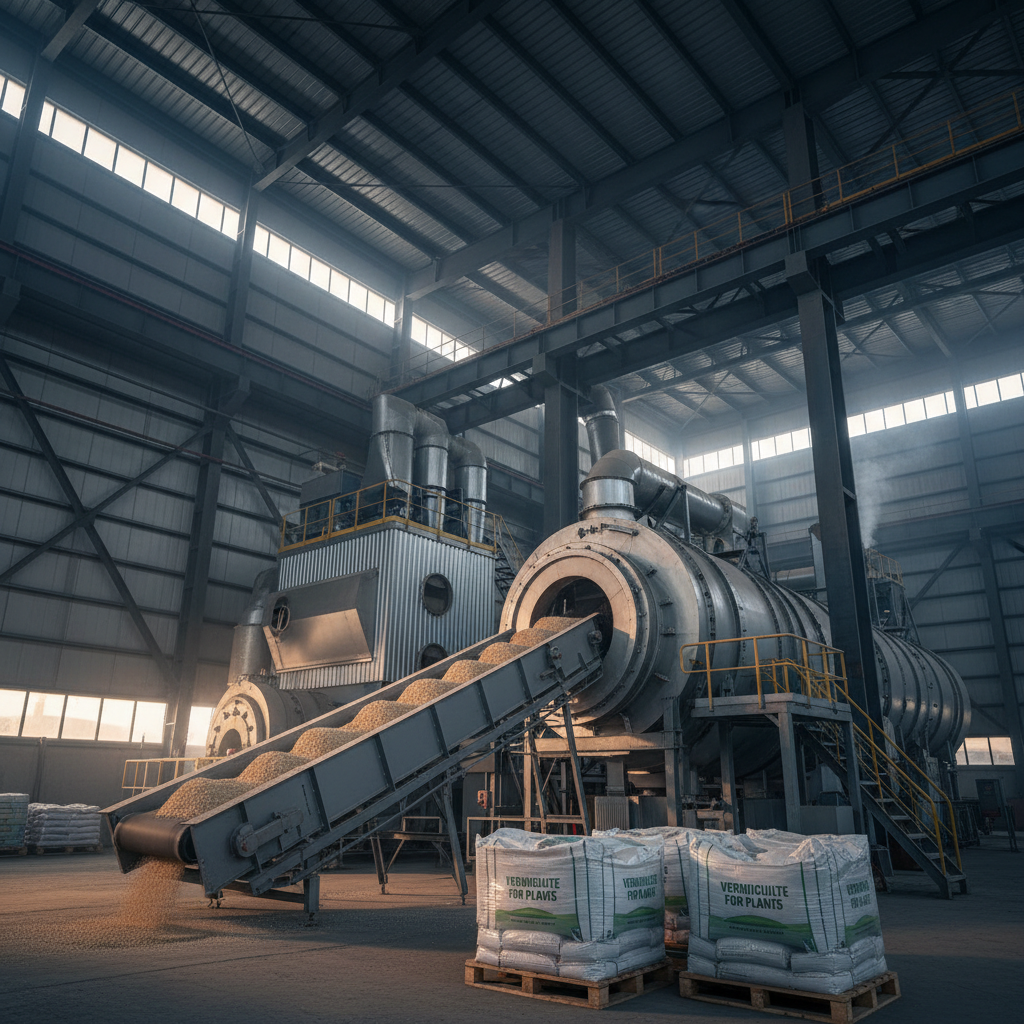
In a typical industrial setting, the integration of carbon materials extends beyond the furnace. For instance, the use of auxiliary materials like vermiculite as a metallurgical slag removal agent or for steel frame coating can optimize the overall thermal efficiency of the plant. When the price of petroleum coke rises, optimizing these auxiliary processes becomes critical to maintain overall margin.
Xingtai Luxi Environmental Protection Technology Co., Ltd. addresses these needs by providing a suite of coordinated materials. By combining high-absorptivity GPC recarburisers with specialized tundish dry vibration materials, foundries can reduce the production cycle and mitigate the financial impact of raw material price spikes.
The industry is currently pivoting toward "Green Carbon." As carbon taxes and emissions quotas become standard in the steel and alloy sectors, the origin of petroleum coke will matter as much as its price. We expect a rise in the demand for bio-cokes or synthetic carbons that can mimic the properties of petroleum coke without the associated environmental footprint.
Digitalization of the supply chain is also emerging. Real-time pricing indices and AI-driven demand forecasting are allowing procurement teams to hedge their bets on carbon sources. Instead of spot-buying, firms are entering into long-term strategic partnerships with manufacturers who can guarantee consistency in sulfur and nitrogen levels.
Furthermore, the trend toward "lean smelting" is driving the adoption of materials with uniform particle size. This ensures that the carbon dissolves evenly, preventing "cold spots" in the melt and reducing the total amount of carbon required to reach the target specification.
Selecting a carbon source requires a balanced evaluation of chemical purity, physical form, and financial risk. A failure to account for the "hidden costs"—such as increased slag volume or longer furnace residence time—often leads to poor procurement decisions based solely on the lowest unit price.
The decision framework should prioritize materials that offer the highest carbon recovery rate. For example, while raw petroleum coke is inexpensive, the nitrogen content can lead to brittleness in special steel wires, making it unsuitable for high-end automotive or industrial applications.
To assist in this process, the following table provides a conceptual comparison of carbon sources based on common metallurgical requirements.
| Material Type | Solubility Rate | Impurity Risk | Cost Impact |
|---|---|---|---|
| Raw PetCoke | Low | High (Sulfur/N) | Low Initial Cost |
| Calcined Coke | Medium | Moderate | Moderate |
| GPC Recarburiser | High | Very Low | High Efficiency |
| Fe-C Alloy | Very High | Minimal | Premium Cost |
| Anthracite | Low-Medium | Moderate | Stable |
| Bio-Carbon | Variable | Low | Emerging/High |
The price is mainly driven by the production volume of oil refineries, as coke is a byproduct. Other key factors include the demand from the aluminum smelting industry for anodes and strict environmental regulations regarding sulfur emissions, which create a price premium for low-sulfur grades.
A higher carbon recovery rate means that more of the added carbon actually integrates into the melt rather than being lost to slag or emissions. This reduces the total quantity of material needed and shortens the melting time, thereby lowering energy costs and increasing furnace throughput.
GPC (Graphitized Petroleum Coke) recarburisers offer significantly lower nitrogen and sulfur content and a more uniform particle size. This leads to faster dissolution and prevents nitrogen brittleness in the steel, which is essential for producing high-quality special steel and CHQ wires.
Green coke is the raw byproduct, whereas calcined coke has been heat-treated to remove volatile organic compounds. The price of calcined coke includes the cost of the raw material plus the significant energy expenditure required for the calcination process.
Yes, indirectly. Using materials like vermiculite for thermal insulation or slag removal improves overall furnace efficiency and reduces heat loss. By optimizing the thermal environment, plants can reduce the total energy required for the smelting process, offsetting the cost of premium carbon sources.
The main risks include chemical contamination (high sulfur/nitrogen) and physical inconsistency. This can result in poor steel toughness, increased slag formation, and longer production cycles, which often cost the manufacturer more than the savings gained from the cheaper raw material.
Managing the financial impact of the price of petroleum coke requires a shift in perspective from simple purchasing to strategic material management. By focusing on carbon recovery rates and the technical purity of inputs, metallurgical plants can protect their margins regardless of commodity market volatility.
Ultimately, the integration of high-performance recarburisers and optimized auxiliary materials represents the most sustainable path forward. Those who prioritize process efficiency over the raw unit price of carbon will be best positioned to thrive in an increasingly regulated and competitive global steel market.