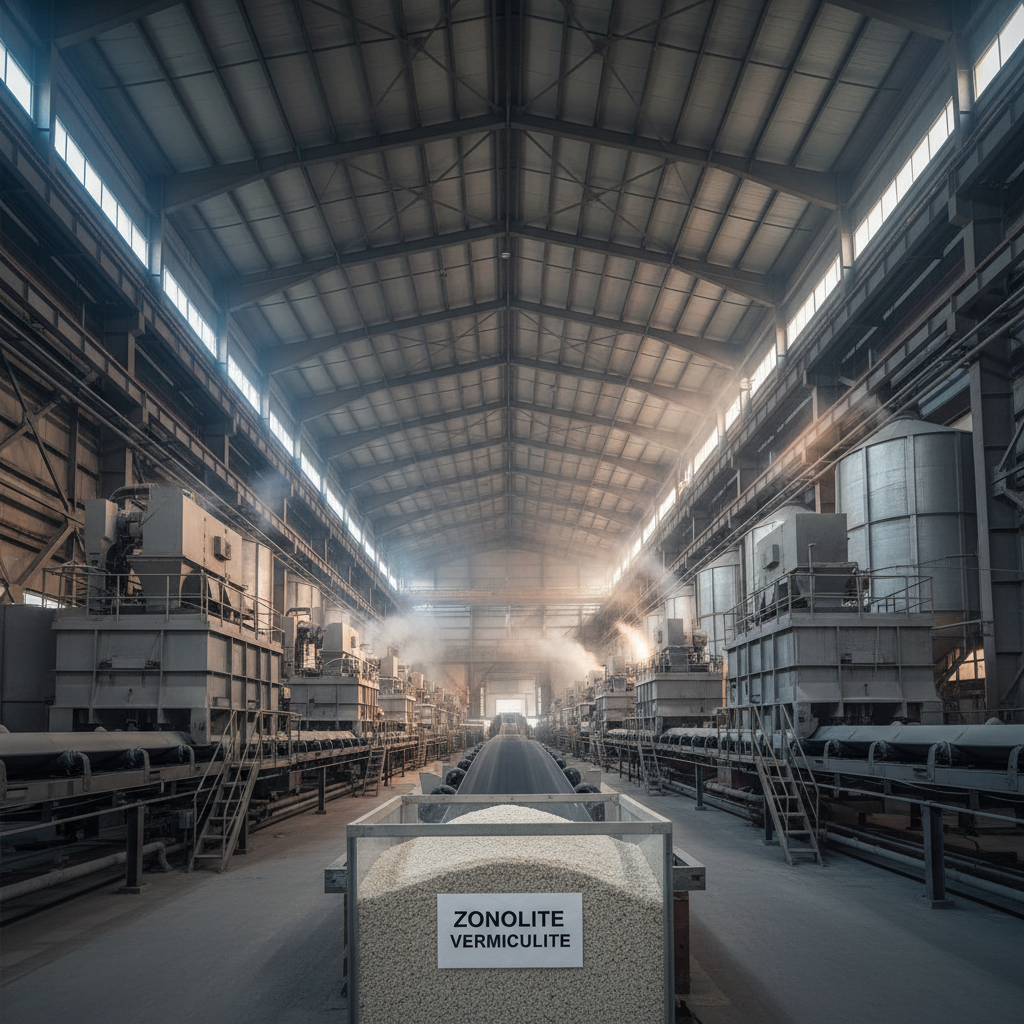
Zonolite vermiculite, a naturally occurring mineral, is gaining increasing recognition globally for its diverse applications and sustainable properties. From construction and horticulture to industrial insulation and fire protection, its unique characteristics are addressing critical needs across various sectors. Understanding the versatile nature of zonolite vermiculite is crucial for businesses and individuals seeking innovative, efficient, and environmentally conscious solutions.
The global market for vermiculite is experiencing steady growth, driven by increasing demand in emerging economies and a growing focus on energy efficiency in building construction. According to recent reports, the construction sector alone accounts for a significant portion of vermiculite consumption, with a projected annual growth rate of 3-5% over the next decade. This demand underscores the importance of responsible sourcing and quality control, further emphasizing the value of established suppliers like Xingtai Luxi.
Ultimately, the understanding and implementation of zonolite vermiculite technologies aren’t just about improving processes or reducing costs—they represent a commitment to a more sustainable and resilient future, positioning it as a cornerstone material in the modern landscape.
Introduction to Zonolite Vermiculite
Zonolite vermiculite is a hydrated magnesium aluminum iron silicate mineral which expands significantly when heated. This expansion creates a lightweight, porous material with exceptional insulating properties. It’s a naturally occurring mineral, mined from select deposits around the globe, and processed to create a versatile product suitable for an incredibly broad range of uses.
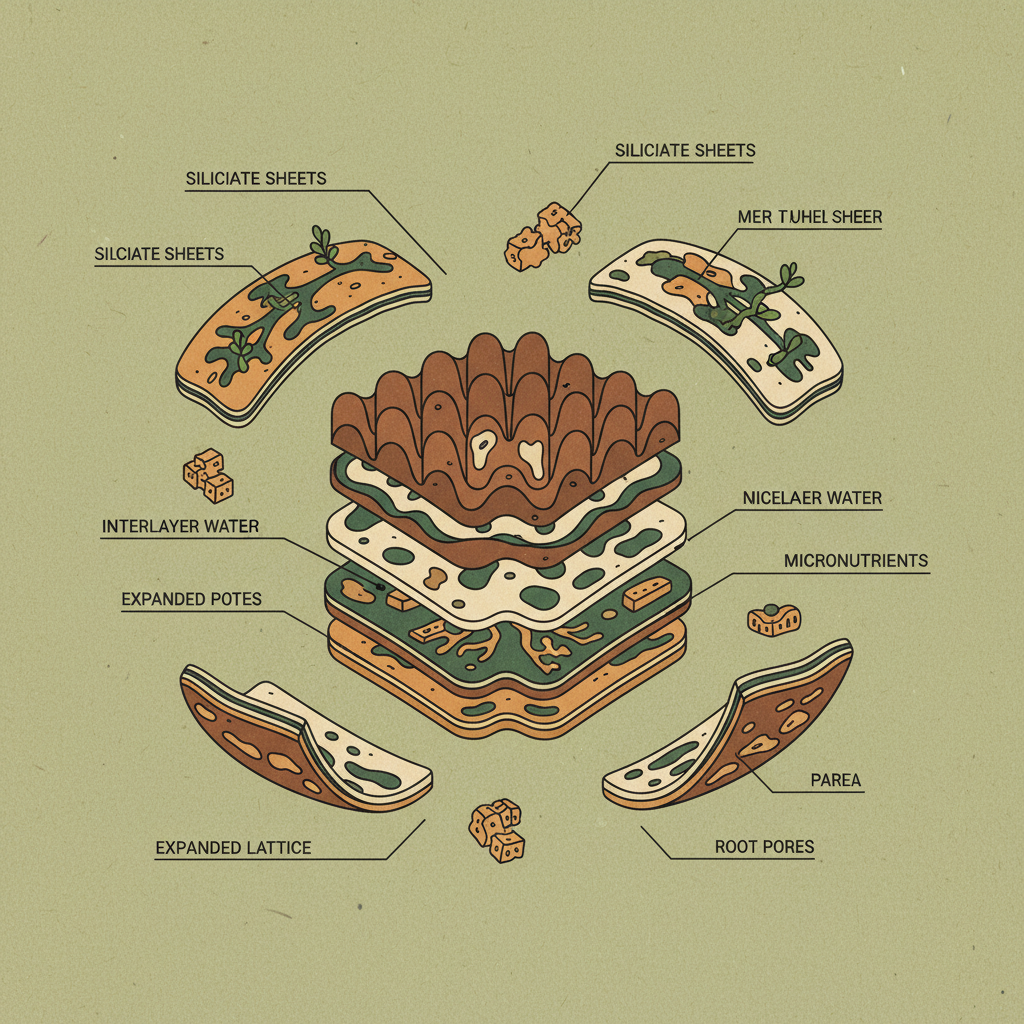
The unique structure of zonolite vermiculite – essentially microscopic layers – contributes to its key characteristics: excellent thermal and acoustic insulation, high absorbency, fire resistance, and inertness. This combination of properties makes it a preferred choice in applications where safety, efficiency, and sustainability are paramount.
Global Relevance and Applications
The demand for zonolite vermiculite is globally distributed, with significant consumption in North America, Europe, and Asia. Its applications are particularly critical in regions prone to extreme weather conditions, where effective insulation is vital for energy conservation and building resilience. The United Nations has highlighted the importance of sustainable building materials in achieving Sustainable Development Goal 11 – Sustainable Cities and Communities – and zonolite vermiculite plays a key role.
Industrially, vermiculite is heavily utilized in automotive components, brake linings, and friction materials due to its heat resistance. In agriculture, it acts as a soil amendment, improving aeration and water retention, boosting crop yields. Fireproofing sprays and coatings also frequently rely on the mineral’s exceptional fire-resistant properties.
Furthermore, ongoing research is expanding the use of zonolite vermiculite into emerging fields such as battery technology and advanced materials, solidifying its position as a crucial resource in a rapidly evolving world.
Defining Zonolite Vermiculite
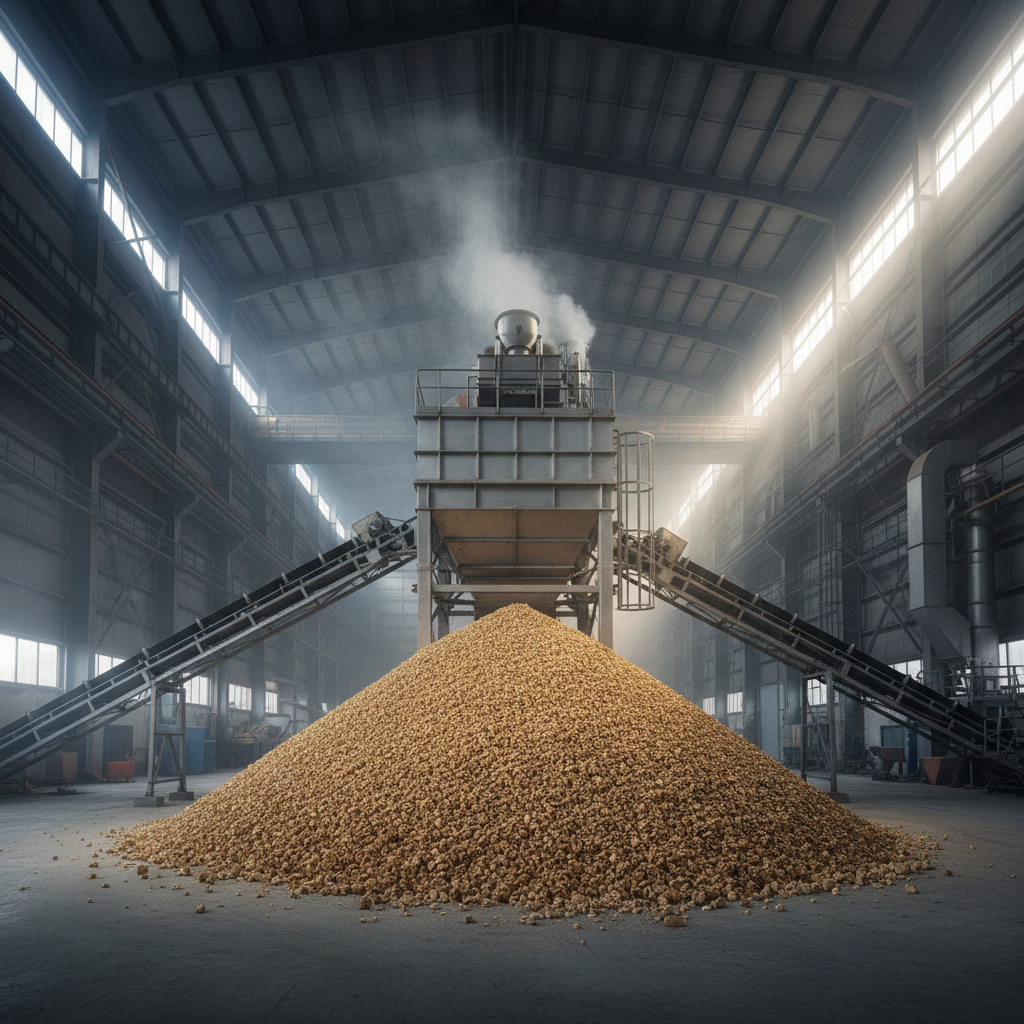
Zonolite vermiculite isn’t a single, uniformly structured material. It’s a group of hydrated laminar magnesium aluminum iron silicates. The term "vermiculite" refers to the mineral family, while “zonolite” is a brand name representing a high-quality, consistently processed form of this mineral. This processing involves heating the raw vermiculite ore to approximately 800-1000°C, causing it to exfoliate – expand like popcorn – increasing in volume up to 20 times.
This exfoliation process transforms the dense ore into a lightweight, flexible material with a layered structure. These layers trap air, providing exceptional thermal and acoustic insulation. The resulting zonolite vermiculite is chemically inert, non-toxic, and doesn’t promote the growth of mold or mildew, making it safe for a wide variety of applications.
Its connection to modern industry and humanitarian needs stems from its versatility. It bridges the gap between raw material extraction and sophisticated technological applications, delivering a cost-effective and sustainable solution for diverse challenges across the globe.
Key Properties of Zonolite Vermiculite
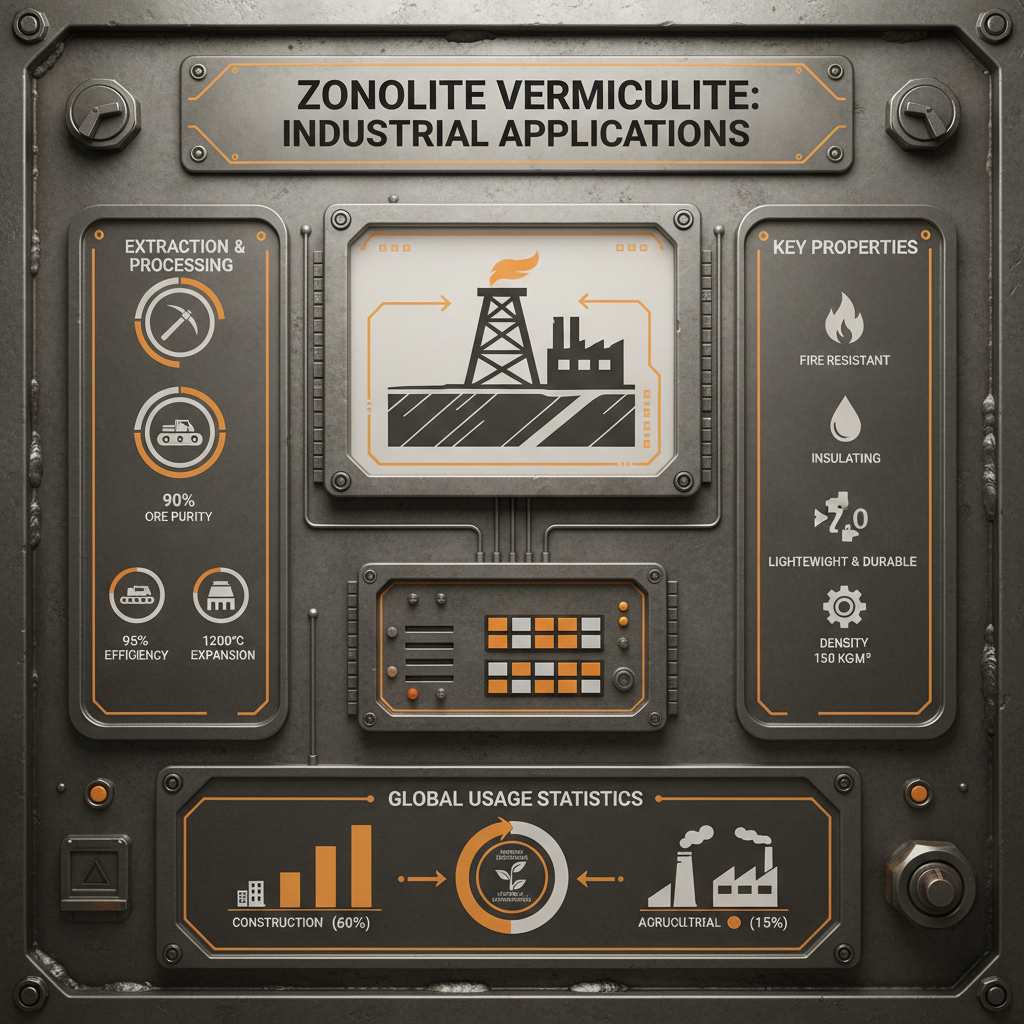
Several key properties define the utility of zonolite vermiculite. First, its Thermal Insulation capabilities are unparalleled, reducing heat transfer and lowering energy consumption in buildings. Second, its Fire Resistance is exceptional; vermiculite doesn’t burn and actively inhibits combustion.
Third, Lightweight Nature significantly reduces structural load and simplifies handling and installation. Fourth, High Absorbency makes it ideal for soil conditioning and spill control. Finally, its Chemical Inertness ensures stability and prevents reactions with other materials, contributing to long-term performance and safety.
Zonolite Vermiculite Performance Indicators
Real-World Applications
Zonolite vermiculite finds application in numerous industries. In construction, it's used in lightweight concrete, plaster, and insulation boards, enhancing energy efficiency and fire safety. In horticulture, it's a valuable soil amendment, improving aeration, water retention, and nutrient availability for plant growth.
In post-disaster relief operations, vermiculite-based insulation can quickly create temporary shelters offering thermal comfort and protection. In remote industrial zones, its lightweight nature reduces transportation costs for insulation materials. Several agricultural projects in arid regions utilize vermiculite to retain moisture in soil, increasing crop yields in challenging environments.
Advantages and Long-Term Value
The advantages of using zonolite vermiculite are multifaceted. Cost-effectively, it provides superior performance compared to many traditional materials. Sustainability is inherent, as it’s a naturally occurring mineral requiring minimal processing. Socially, it contributes to safer, healthier buildings and more productive agricultural practices.
The long-term value is underpinned by reliability; its inertness and durability ensure lasting performance. Emotionally, it provides peace of mind knowing buildings are better protected from fire and extreme temperatures. Logically, it delivers substantial energy savings over the lifespan of a structure, leading to lower operating costs and a reduced carbon footprint.
Future Trends and Innovations
Future trends surrounding zonolite vermiculite center around green building technologies and sustainable materials. Research into using vermiculite in advanced battery materials for energy storage is gaining traction. The integration of digital monitoring systems with vermiculite-based insulation allows for optimized energy performance and predictive maintenance.
Automation in vermiculite processing and packaging will increase efficiency and reduce waste. Policy initiatives promoting the use of sustainable building materials are expected to drive demand for zonolite vermiculite, particularly in environmentally conscious markets. Continuous innovation in application techniques will unlock even more potential uses for this versatile mineral.
Further exploration into combining vermiculite with other eco-friendly materials holds promise for developing novel construction solutions that minimize environmental impact and maximize long-term performance.
Summary of Zonolite Vermiculite Applications and Performance
| Application Area |
Key Benefit |
Sustainability Rating (1-10) |
Cost-Effectiveness Rating (1-10) |
| Construction Insulation |
Energy Efficiency & Fire Protection |
9 |
8 |
| Horticultural Soil Amendment |
Improved Water Retention & Aeration |
7 |
7 |
| Fireproofing Materials |
Exceptional Fire Resistance |
8 |
6 |
| Industrial Insulation |
Thermal & Acoustic Control |
7 |
7 |
| Disaster Relief Shelters |
Rapid Deployment & Thermal Comfort |
6 |
9 |
| Battery Technology |
Potential for Improved Energy Storage |
5 |
4 |
FAQS
Zonolite vermiculite is considered sustainable due to its natural origins, low embodied energy, and ability to enhance energy efficiency in buildings. It’s a naturally occurring mineral that requires minimal processing, reducing its environmental impact. Its insulating properties significantly lower energy consumption for heating and cooling, contributing to reduced carbon emissions over the building's lifespan. Furthermore, it’s a non-toxic and inert material, posing no harm to occupants or the environment.
Zonolite vermiculite offers exceptional fire resistance compared to many common insulation materials. It's non-combustible, meaning it won't burn or contribute to the spread of flames. It actually inhibits combustion by releasing steam when exposed to heat. Unlike some organic insulation materials, it doesn’t produce toxic fumes when heated, making it a safer choice for buildings and occupants. Its fire resistance rating is consistently high, meeting stringent building codes and safety standards.
While zonolite vermiculite itself doesn’t support mold or mildew growth, it's best to avoid prolonged direct exposure to standing water. While it's capable of absorbing moisture, constant saturation can reduce its insulating properties. However, it's suitable for environments with high humidity, as its porous structure allows for breathability and helps regulate moisture levels. Proper ventilation and moisture management are still recommended to ensure optimal performance.
Zonolite vermiculite is sourced from carefully selected mineral deposits known for their high-quality vermiculite content. The raw ore undergoes a rigorous processing procedure which includes cleaning, heating to high temperatures (exfoliation), and screening to achieve the desired particle size and density. Xingtai Luxi implements strict quality control measures throughout the entire process, ensuring consistency and adherence to industry standards. Regular testing and analysis are conducted to verify the material’s properties and performance characteristics.
In agriculture, zonolite vermiculite serves as an excellent soil amendment. It improves aeration, allowing for better root development. Its high water retention capacity reduces the need for frequent irrigation, particularly beneficial in arid or drought-prone regions. It also enhances nutrient availability by holding onto essential minerals. Furthermore, it's commonly used in seed starting mixes to provide a sterile and well-draining environment for germination, promoting healthy plant growth.
Yes, zonolite vermiculite is generally considered safe for handling and installation. It’s a non-toxic and chemically inert material, posing minimal health risks. However, as with any fine particulate material, it's advisable to wear a dust mask during handling to avoid inhalation of dust particles. Good ventilation is also recommended during installation. Standard safety precautions, such as wearing gloves and eye protection, are also advised to prevent irritation.
Conclusion
In conclusion, zonolite vermiculite is a remarkably versatile and sustainable material offering a wide range of benefits across numerous industries. Its unique combination of thermal insulation, fire resistance, lightweight nature, and chemical inertness makes it an ideal solution for applications in construction, agriculture, industrial processes, and beyond. Embracing this mineral isn’t simply about adopting a new material; it’s about committing to a more responsible and efficient future.
Looking ahead, continued innovation in processing techniques and emerging applications will further unlock the potential of zonolite vermiculite. We encourage you to explore the possibilities and discover how this remarkable material can contribute to your projects and initiatives. Visit our website at www.xingtailuxi.com to learn more about our products and services.