Perlite and vermiculite are lightweight, naturally occurring volcanic minerals increasingly vital in a diverse range of applications. Their unique properties – excellent insulation, water retention, and aeration – make them indispensable in horticulture, construction, and even industrial processes. Understanding their combined benefits, known as perlite vermiculite, is crucial for maximizing efficiency and sustainability across multiple sectors.
Globally, the demand for sustainable and efficient materials is rising, driven by environmental concerns and population growth. Perlite and vermiculite offer eco-friendly alternatives to synthetic materials, reducing reliance on carbon-intensive production methods. This demand is particularly pronounced in developing nations facing challenges in food security and affordable housing. Perlite vermiculite solutions contribute to addressing these critical needs.
The growing emphasis on sustainable agriculture, coupled with the need for innovative building materials, has positioned perlite and vermiculite as key components in modern solutions. Their ability to improve plant growth, enhance fire resistance, and provide thermal insulation are significant advantages, making perlite vermiculite a versatile resource for a rapidly changing world.
Introduction to perlite vermiculite
Perlite vermiculite represents a synergistic combination of two naturally occurring minerals, each possessing unique characteristics that enhance the other. Perlite, a volcanic glass, expands significantly when heated, creating a lightweight, porous material. Vermiculite, a hydrated magnesium aluminum iron silicate, expands similarly upon heating, resulting in a material with excellent water-holding capacity and insulating properties.
This combination unlocks a spectrum of benefits far exceeding the capabilities of either mineral individually. The resulting perlite vermiculite blend is incredibly versatile, finding applications in horticulture, construction, filtration, and various industrial processes, contributing to sustainable practices and efficient resource utilization.
Global Relevance and Applications
The global market for perlite and vermiculite is substantial and growing, driven by increasing demand for sustainable building materials and advancements in agricultural technology. According to industry reports, the combined market is projected to reach several billion dollars in the coming years. Major consumers include the United States, China, Europe, and increasingly, developing nations in Asia and Africa.
The United Nations Sustainable Development Goals (SDGs) directly benefit from the widespread adoption of perlite vermiculite. Specifically, SDG 2 (Zero Hunger) is supported through enhanced agricultural yields facilitated by improved soil aeration and water retention. SDG 9 (Industry, Innovation, and Infrastructure) is advanced through the use of perlite vermiculite in sustainable construction and lightweight concrete production.
A key challenge lies in ensuring responsible sourcing and minimizing the environmental impact of mining and processing these minerals. Increasingly, consumers are demanding ethically sourced materials, putting pressure on suppliers to adopt sustainable practices and transparent supply chains.
Defining perlite vermiculite
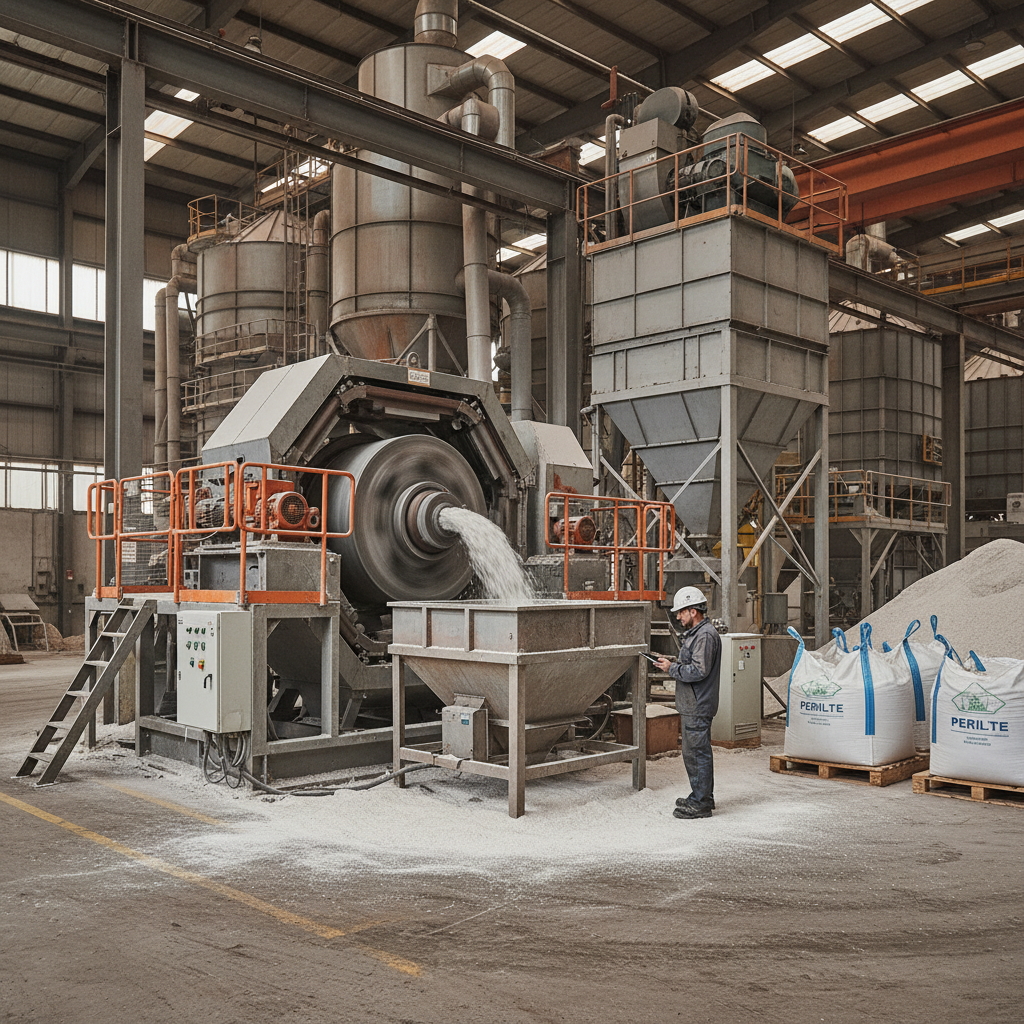
At its core, perlite vermiculite is a carefully engineered blend of two distinct mineral components. Perlite, a naturally occurring volcanic glass, undergoes rapid expansion when heated to high temperatures, resulting in a lightweight, highly porous material. This expansion is due to trapped water within the volcanic glass turning into steam.
Vermiculite, equally important, is a hydrated magnesium aluminum iron silicate mineral. Similar to perlite, vermiculite expands dramatically when heated, creating a material with exceptional water-holding capacity and insulating properties. The layered structure of vermiculite contributes to its ability to absorb and retain moisture.
The combination of these two minerals creates a unique composite material that harnesses the strengths of both. Perlite vermiculite is not simply a mixture, but a synergistic blend where each component enhances the performance of the other, leading to a broader range of applications and superior results.
Key Properties of perlite vermiculite
One of the most defining characteristics of perlite vermiculite is its exceptional lightweight nature. This is crucial in construction applications, reducing structural load and simplifying transportation. Furthermore, its excellent thermal insulation properties minimize energy consumption, contributing to more sustainable buildings.
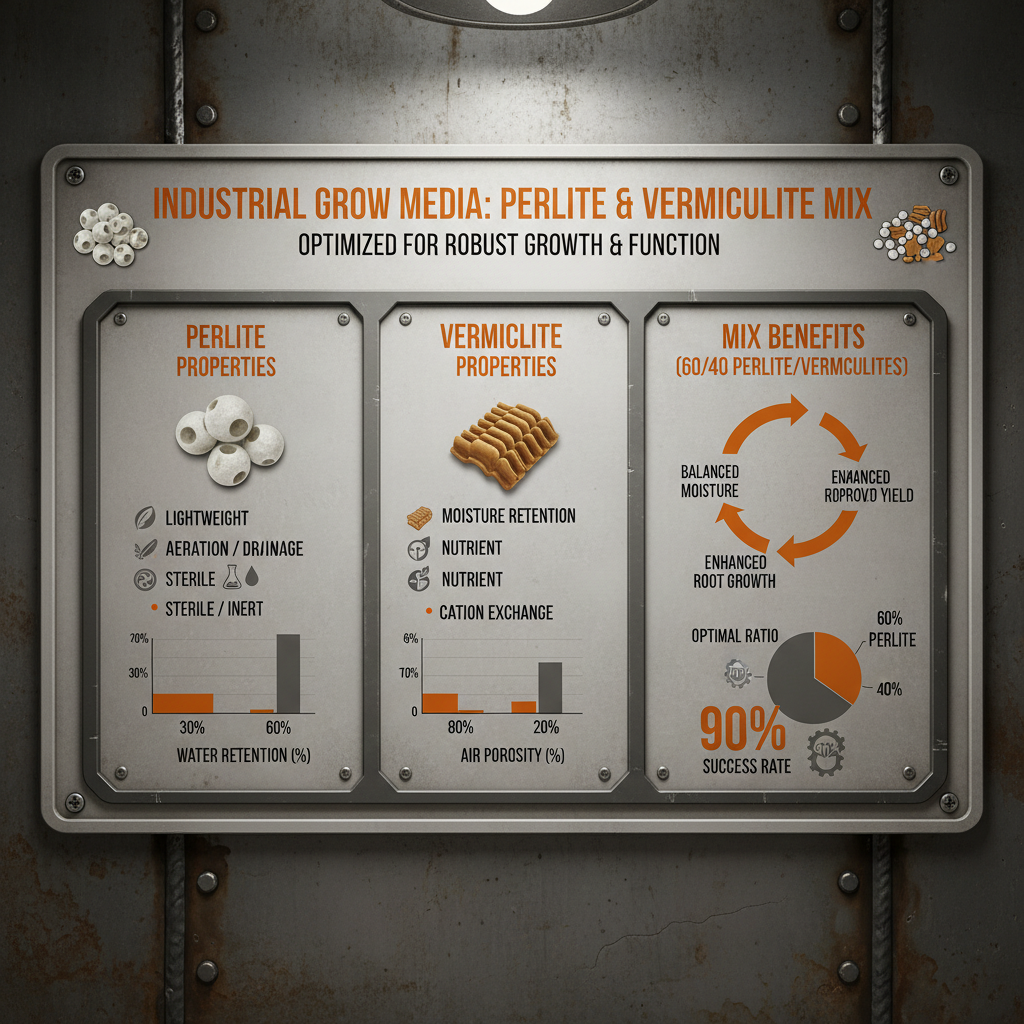
Perlite vermiculite boasts remarkable water retention capabilities, largely attributed to the vermiculite component. This characteristic is invaluable in horticultural applications, providing consistent moisture to plant roots and reducing the frequency of watering. The porous structure also facilitates excellent aeration, promoting healthy root development.
Perlite Vermiculite Performance Metrics
Real-World Applications of perlite vermiculite
In agriculture, perlite vermiculite is widely used as a soil amendment, improving drainage, aeration, and water retention. This leads to healthier plant growth and increased crop yields, particularly in greenhouse and hydroponic systems. It’s crucial for seed starting, providing a sterile and lightweight medium for germination.
The construction industry benefits from perlite vermiculite in the production of lightweight concrete and insulating materials. Its fire-resistant properties make it an excellent addition to fireproofing compounds, enhancing building safety. It's also employed in plaster and stucco for improved thermal performance.
Advantages and Long-Term Value
The cost-effectiveness of perlite vermiculite is a significant advantage. It’s relatively inexpensive to produce and transport, making it accessible for a wide range of applications, particularly in developing countries. Furthermore, its lightweight nature reduces transportation costs and simplifies handling.
From a sustainability perspective, perlite vermiculite offers a greener alternative to many synthetic materials. It’s a naturally occurring resource, requiring minimal processing, and contributes to energy efficiency through its insulating properties. This aligns with growing global efforts to reduce carbon footprints and promote environmentally responsible practices.
Future Trends in perlite vermiculite
Ongoing research focuses on enhancing the performance of perlite vermiculite through nanotechnology and surface modifications. These advancements aim to further improve its water retention, insulation, and filtration capabilities, expanding its applications in specialized fields. The development of bio-based binders for perlite vermiculite composites is also a key area of investigation.
The integration of perlite vermiculite into smart building materials is another emerging trend. Combining it with sensors and data analytics can create responsive building systems that optimize energy efficiency and indoor environmental quality. Digitalization and automation will play a crucial role in optimizing production and supply chain management.
Analysis of Perlite Vermiculite Applications
| Application Area |
Sustainability Impact |
Cost Efficiency |
Performance Rating (1-10) |
| Horticulture |
High - Reduces water usage, supports organic farming |
Medium - Relatively low material cost |
9 |
| Construction Insulation |
Medium - Reduces energy consumption in buildings |
High - Lightweight reduces structural costs |
8 |
| Lightweight Concrete |
Medium - Reduces cement usage, lowering carbon footprint |
Medium - Lower material weight reduces transport costs |
7 |
| Filtration Media |
High - Provides a natural and sustainable filtration solution |
Medium - Cost-competitive with synthetic alternatives |
6 |
| Cryogenic Insulation |
High - Minimal environmental impact |
Medium - High performance justifies cost |
9 |
| Fireproofing Compounds |
Medium - Provides a non-toxic fire retardant |
High - Relatively inexpensive fire protection |
10 |
FAQS
Perlite vermiculite significantly improves soil structure by enhancing aeration and drainage. Perlite creates air pockets, while vermiculite retains moisture, ensuring roots have access to both oxygen and water. This combination promotes healthier plant growth, prevents root rot, and increases yields. It's also lightweight and sterile, making it ideal for seed starting and hydroponics.
Perlite vermiculite's excellent thermal insulation properties reduce heat transfer through walls, roofs, and floors. This minimizes the need for heating and cooling, leading to lower energy bills and a reduced carbon footprint. It can be used in lightweight concrete, plaster, and as a loose-fill insulation material, effectively enhancing a building’s energy performance.
Yes, perlite and vermiculite are generally considered environmentally friendly. They are naturally occurring minerals that require minimal processing. They are non-toxic, fire-resistant, and can contribute to sustainable building practices by reducing energy consumption and lowering reliance on synthetic materials. Responsible sourcing is key to ensuring minimal environmental impact.
Perlite is a volcanic glass that expands when heated, creating a lightweight and porous material primarily used for aeration and drainage. Vermiculite is a hydrated mineral that also expands upon heating, but it excels at water retention and provides insulation. Combining them creates a balanced growing medium and building material that leverages the strengths of both minerals.
While generally considered safe, perlite and vermiculite can create dust when handled. It's recommended to wear a dust mask during handling, especially when working with large quantities. Ensure adequate ventilation in the work area and avoid prolonged inhalation of dust. Wash hands thoroughly after handling.
The lifespan of building materials incorporating perlite vermiculite is comparable to that of traditional materials, often exceeding 50 years with proper maintenance. Its durability and resistance to degradation contribute to long-term building performance. The lifespan will vary depending on specific application, climate, and construction quality.
Conclusion
Perlite vermiculite stands out as a remarkably versatile and sustainable resource with broad applications spanning agriculture, construction, and industrial processes. Its unique combination of properties – lightweight nature, excellent insulation, water retention, and fire resistance – provides significant benefits for a wide range of users. The increasing demand for sustainable materials and efficient solutions will continue to drive the adoption of perlite vermiculite globally.
Looking ahead, continued research and innovation will unlock even greater potential for this remarkable mineral blend. By embracing advancements in nanotechnology, bio-based materials, and smart building technologies, we can further enhance the performance and sustainability of perlite vermiculite, creating a more resource-efficient and resilient future. Visit our website at www.xingtailuxi.com to learn more and explore our products.