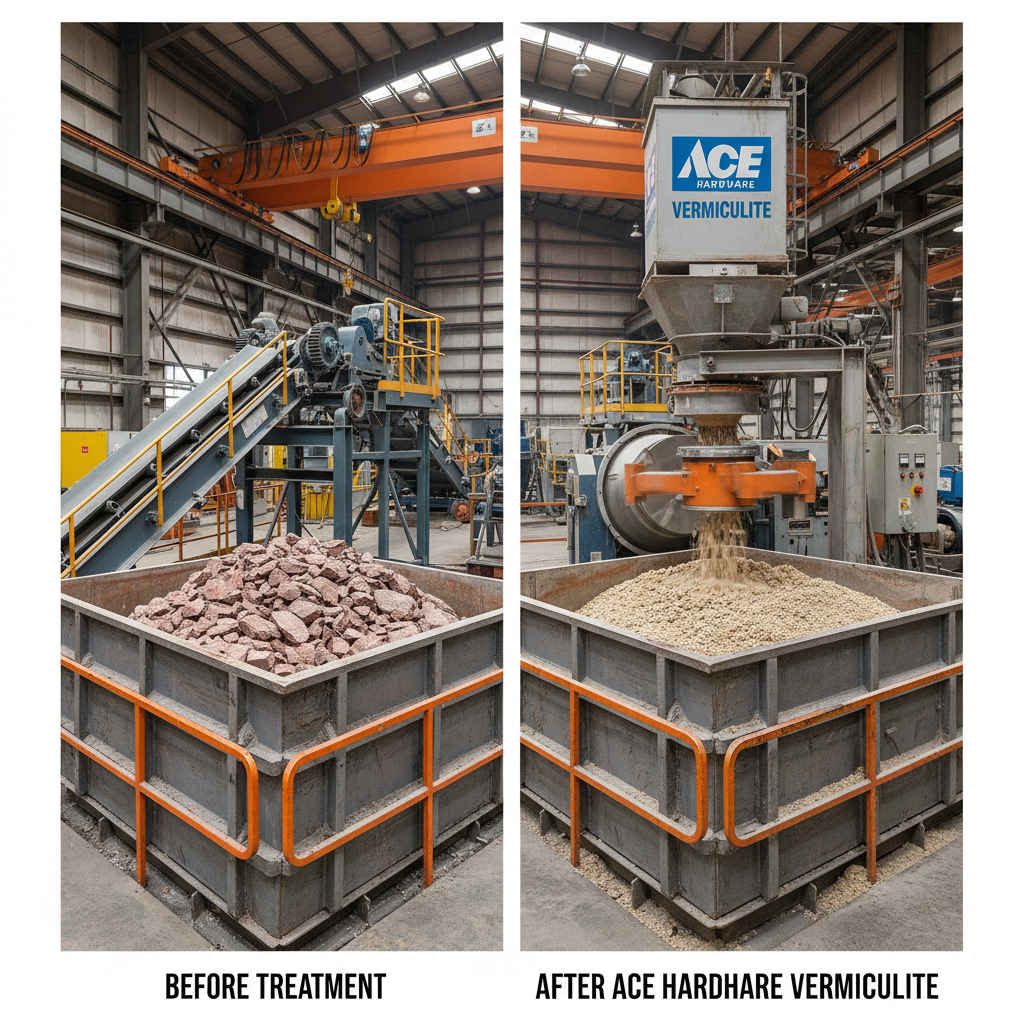
Vermiculite for insulation is a remarkably versatile mineral that has become increasingly crucial in addressing global energy efficiency and sustainable building practices. Its unique properties, including its lightweight nature, excellent thermal performance, and fire resistance, make it an ideal choice for a wide range of applications, from residential and commercial construction to industrial processes. Understanding the potential of vermiculite for insulation is vital in a world grappling with rising energy costs and the urgent need to reduce carbon emissions.
The global demand for effective and environmentally friendly insulation materials is steadily growing, driven by stricter building codes, increasing awareness of energy conservation, and a growing commitment to sustainable development. Vermiculite, as a naturally occurring mineral, offers a compelling alternative to traditional insulation materials, often boasting superior performance and a lower environmental impact. This has led to its widespread adoption in various regions, particularly in areas prioritizing energy efficiency and cost-effectiveness.
The benefits of utilizing vermiculite for insulation extend beyond mere energy savings. It contributes to improved indoor air quality, enhanced fire safety, and increased building longevity. Its ability to regulate temperature and moisture levels creates more comfortable and healthier living and working environments, ultimately enhancing the overall quality of life for occupants.
Introduction to Vermiculite for Insulation
Vermiculite for insulation stands out as a naturally sourced, expanded mineral boasting exceptional thermal and acoustic properties. Its unique accordion-like structure, created through a high-temperature expansion process, traps air, making it an incredibly effective insulator. This inherent ability to resist heat transfer makes it a valuable component in numerous construction and industrial applications, helping to reduce energy consumption and lower costs.
Beyond its insulating capabilities, vermiculite is inherently fire-resistant, offering an added layer of safety to buildings and structures. It doesn't contribute to flame spread and can even help contain fires, making it a preferred choice for applications where fire protection is paramount. Moreover, its non-combustible nature aligns with increasingly stringent building safety regulations worldwide.
Global Relevance and Industry Context
The demand for energy-efficient building materials is globally driven by international agreements like the Paris Agreement, which aims to limit global warming. Organizations such as the United Nations Environment Programme (UNEP) and the World Bank actively promote sustainable building practices, increasing the necessity for materials like vermiculite for insulation. The ISO 52016 standard provides guidelines for the energy performance of buildings, further shaping the demand for effective insulation solutions.
The construction industry is a significant contributor to global greenhouse gas emissions. Utilizing effective insulation materials is a key strategy to mitigate this impact. Countries with colder climates, such as Canada and Russia, experience particularly high heating demands, driving the need for superior insulation. Simultaneously, warmer regions, like those in the Middle East and Australia, rely heavily on air conditioning, making effective thermal insulation crucial for reducing cooling costs.
A major challenge within the construction industry is balancing cost-effectiveness with sustainability. While some high-performance insulation materials can be prohibitively expensive, vermiculite for insulation presents a viable solution, offering a balance between thermal performance, cost, and environmental impact. This makes it a particularly attractive option for both residential and commercial projects globally.
Defining Vermiculite for Insulation
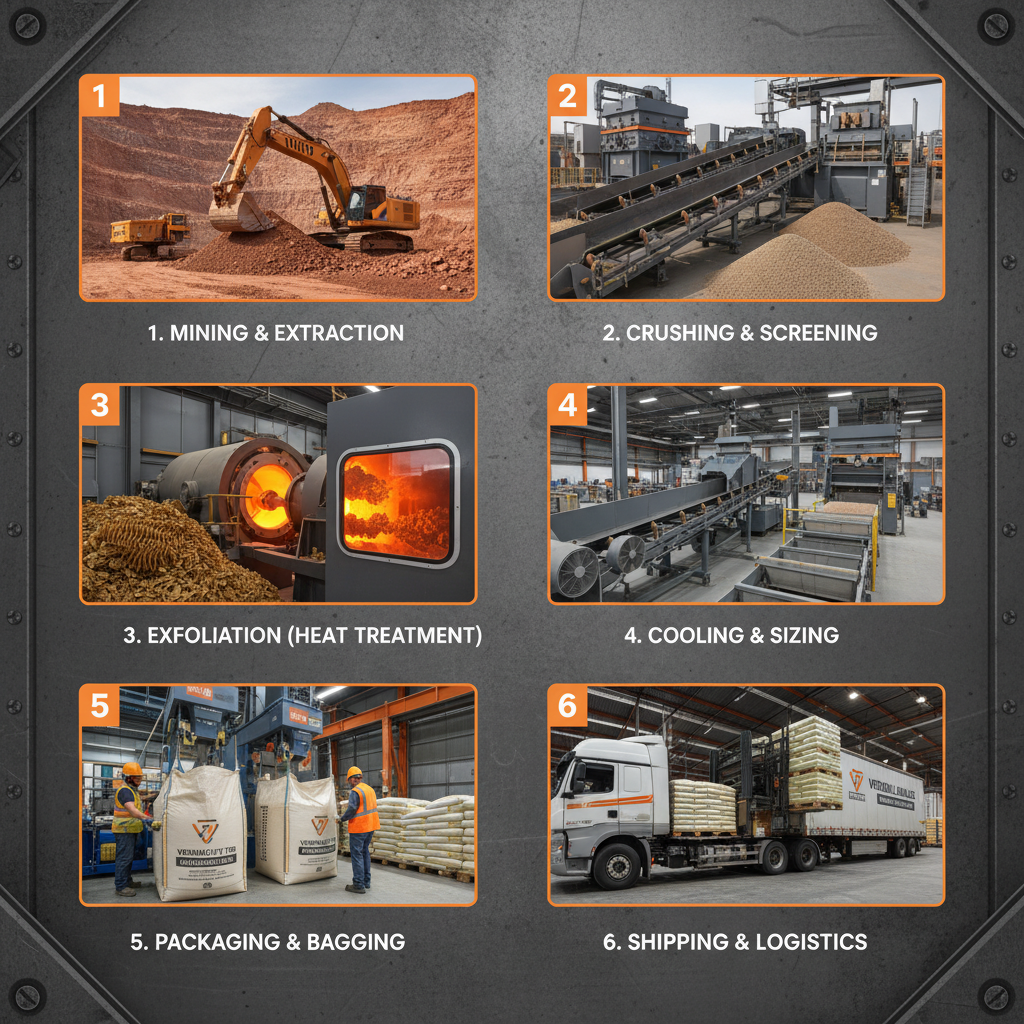
Vermiculite for insulation refers to the processed form of vermiculite, a naturally occurring hydrous magnesium aluminum iron silicate mineral. The raw mineral is expanded through a high-temperature heating process, causing it to ‘pop’ like popcorn, increasing its surface area and creating numerous air pockets. This expanded form is what’s used for insulation purposes, providing its exceptional thermal performance.
Unlike some synthetic insulation materials, vermiculite is a naturally occurring resource. This inherent origin provides a more sustainable alternative. It's commonly used as a loose-fill insulation, poured or blown into cavities within walls, ceilings, and floors. It can also be mixed with cement to create lightweight insulating concrete or used in fireproofing materials.
The use of vermiculite for insulation connects directly to modern industry's push for sustainable and energy-efficient building solutions. It addresses humanitarian needs in disaster relief situations by providing quick and effective insulation in temporary shelters. The mineral’s ability to maintain stable temperatures in extreme climates makes it invaluable for both emergency response and long-term building projects.
Key Properties of Vermiculite for Insulation
Durability is a key aspect of vermiculite for insulation. It doesn't rot, mildew, or attract pests, ensuring a long-lasting insulation solution. It’s dimensionally stable, meaning it won’t settle or shrink over time, maintaining its insulating performance throughout the lifespan of a building. This contrasts with some other insulation materials that may compress or degrade, reducing their effectiveness.
Cost-efficiency is another significant benefit. While the initial cost of vermiculite may be comparable to other insulation options, its long-term energy savings and reduced maintenance requirements contribute to a lower overall lifecycle cost. It's readily available in many regions, further contributing to its affordability.
Vermiculite for Insulation Performance Metrics
Global Applications and Use Cases
In residential construction, vermiculite for insulation is commonly used in attics, walls, and floors to reduce heating and cooling costs. Its lightweight nature makes installation easier, and its ability to fill irregular spaces effectively minimizes thermal bridging. Across North America and Europe, many homeowners are opting for vermiculite to improve their home's energy efficiency.
Industrially, vermiculite finds application in high-temperature insulation for furnaces, kilns, and other industrial equipment. Its fire resistance and thermal stability make it crucial in maintaining safe and efficient operating temperatures. In remote industrial zones like those in Siberia and Northern Canada, vermiculite provides essential insulation against extreme weather conditions.
Advantages and Long-Term Value
The tangible benefits of using vermiculite for insulation are significant, primarily revolving around cost savings through reduced energy consumption. By minimizing heat loss in winter and heat gain in summer, it lowers utility bills and provides a substantial return on investment over time. Its inherent fire resistance adds a crucial safety dimension, potentially reducing insurance premiums and protecting property.
Beyond the financial advantages, vermiculite contributes to a more sustainable future. Its natural origin and low environmental impact align with green building principles. The improved indoor air quality it promotes enhances occupant health and well-being. The peace of mind knowing your home or building is well-insulated and fire-resistant provides a sense of security and dignity.
Future Trends and Innovations
Research and development are focused on enhancing the performance of vermiculite for insulation through various additives and coatings. These innovations aim to further improve its thermal resistance, moisture resistance, and fire-retardant properties. The integration of smart materials and sensors into vermiculite-based insulation systems is also being explored, enabling real-time monitoring of temperature and humidity levels.
The growing emphasis on green building standards and net-zero energy buildings will drive increased demand for sustainable insulation materials like vermiculite. Advances in digital technologies, such as Building Information Modeling (BIM), will facilitate the optimized design and installation of vermiculite insulation systems. Automation in the vermiculite processing and packaging industries is also expected to improve efficiency and reduce costs.
Policy changes favoring energy-efficient building practices will play a crucial role in accelerating the adoption of vermiculite for insulation. Government incentives, tax credits, and stricter building codes will incentivize developers and homeowners to prioritize sustainable building materials and technologies.
FAQS
Some older vermiculite insulation, particularly that mined from Libby, Montana, may contain asbestos. Exposure to asbestos can cause serious health issues, including lung cancer and mesothelioma. If you suspect your vermiculite insulation contains asbestos, it’s crucial to have it professionally tested and, if necessary, removed by a qualified asbestos abatement contractor. Always prioritize safety and adhere to local regulations regarding asbestos handling.
The R-value of vermiculite for insulation varies depending on density, but typically ranges from R-2.2 to R-3.7 per inch. Fiberglass typically has an R-value of around R-3.1 to R-3.7 per inch. While fiberglass can sometimes offer a slightly higher R-value per inch, vermiculite excels in its ability to completely fill cavities, eliminating air gaps and providing a more consistent thermal barrier. This can result in overall better performance, even with a slightly lower nominal R-value.
While vermiculite itself isn't significantly affected by moisture, it doesn't actively repel it. If exposed to prolonged moisture, it can become damp and lose some of its insulating efficiency. Proper ventilation and moisture control measures, such as vapor barriers, are essential when using vermiculite insulation to prevent moisture buildup. It is crucial to address any leaks or sources of moisture promptly.
Yes, vermiculite’s loose-fill nature and porous structure make it an effective sound dampener. It can reduce sound transmission through walls and floors, creating quieter and more comfortable living spaces. While not as effective as dedicated soundproofing materials, it offers a noticeable improvement in sound insulation, especially when combined with other sound-reducing techniques.
Vermiculite insulation, when properly installed and protected from moisture, can last for the lifespan of the building, which is typically 50-100 years or more. Its durability and resistance to settling and degradation contribute to its long-term performance. Regular inspections can help identify and address any potential issues, ensuring continued effectiveness.
Vermiculite is a naturally occurring mineral, giving it an inherent environmental advantage over many synthetic insulation materials that require significant energy to produce. Mining practices are continually improving to minimize environmental disruption. Vermiculite is also recyclable and doesn't release harmful chemicals over its lifespan, contributing to a healthier indoor environment and a lower overall carbon footprint.
Conclusion
Vermiculite for insulation provides a compelling solution for those seeking effective, sustainable, and cost-efficient building materials. Its unique properties – exceptional thermal performance, fire resistance, and durability – make it a valuable asset in a wide range of applications, from residential construction to industrial processes. By understanding its benefits and embracing innovative applications, we can build a more energy-efficient and sustainable future.
Looking ahead, continued research and development will further enhance the performance and versatility of vermiculite for insulation. Policy changes promoting green building practices and incentives for energy efficiency will drive wider adoption. We encourage you to explore the potential of vermiculite for your next project and join the movement towards a more sustainable and comfortable built environment. Visit our website: www.xingtailuxi.com.