Swimming pool vermiculite is a naturally occurring mineral with unique properties that make it an increasingly popular choice for pool floor and wall finishes. Its lightweight nature, excellent insulation capabilities, and resistance to fire and chemicals offer distinct advantages over traditional materials. Understanding its composition, applications, and benefits is crucial for pool owners, builders, and maintenance professionals seeking cost-effective, durable, and environmentally friendly solutions.
The global demand for sustainable and efficient building materials is driving the adoption of swimming pool vermiculite. While historically a niche product, its use is expanding as awareness grows regarding its performance characteristics. Data from industry reports indicate a steady rise in vermiculite consumption in the construction sector, with applications extending beyond pools to include insulation, horticulture, and lightweight concrete. This growth reflects a broader trend towards eco-conscious construction practices and a desire to minimize environmental impact.
Addressing the challenges of pool construction and maintenance – such as high costs, material durability, and thermal efficiency – is where swimming pool vermiculite truly shines. It offers a compelling alternative to conventional materials, often reducing installation time and labor costs while simultaneously enhancing the overall pool experience through improved insulation and a comfortable surface finish. Proper application and understanding of its characteristics are key to unlocking its full potential.
Introduction to Swimming Pool Vermiculite
Swimming pool vermiculite stands as a unique and highly effective material for creating durable, comfortable, and energy-efficient pool surfaces. Unlike traditional plaster or tile, vermiculite offers a naturally insulating and lightweight solution, minimizing heat loss and reducing the overall cost of pool operation. Its application extends beyond simply lining the pool; it contributes significantly to a more sustainable and enjoyable swimming experience.
The increasing popularity of swimming pool vermiculite is driven by a growing demand for environmentally conscious and cost-effective building materials. Pool owners and builders alike are seeking alternatives that offer long-term value without compromising on quality or aesthetics. Vermiculite’s ability to conform to various pool shapes and sizes, coupled with its ease of application, makes it a versatile choice for both new constructions and renovations.
Defining Swimming Pool Vermiculite
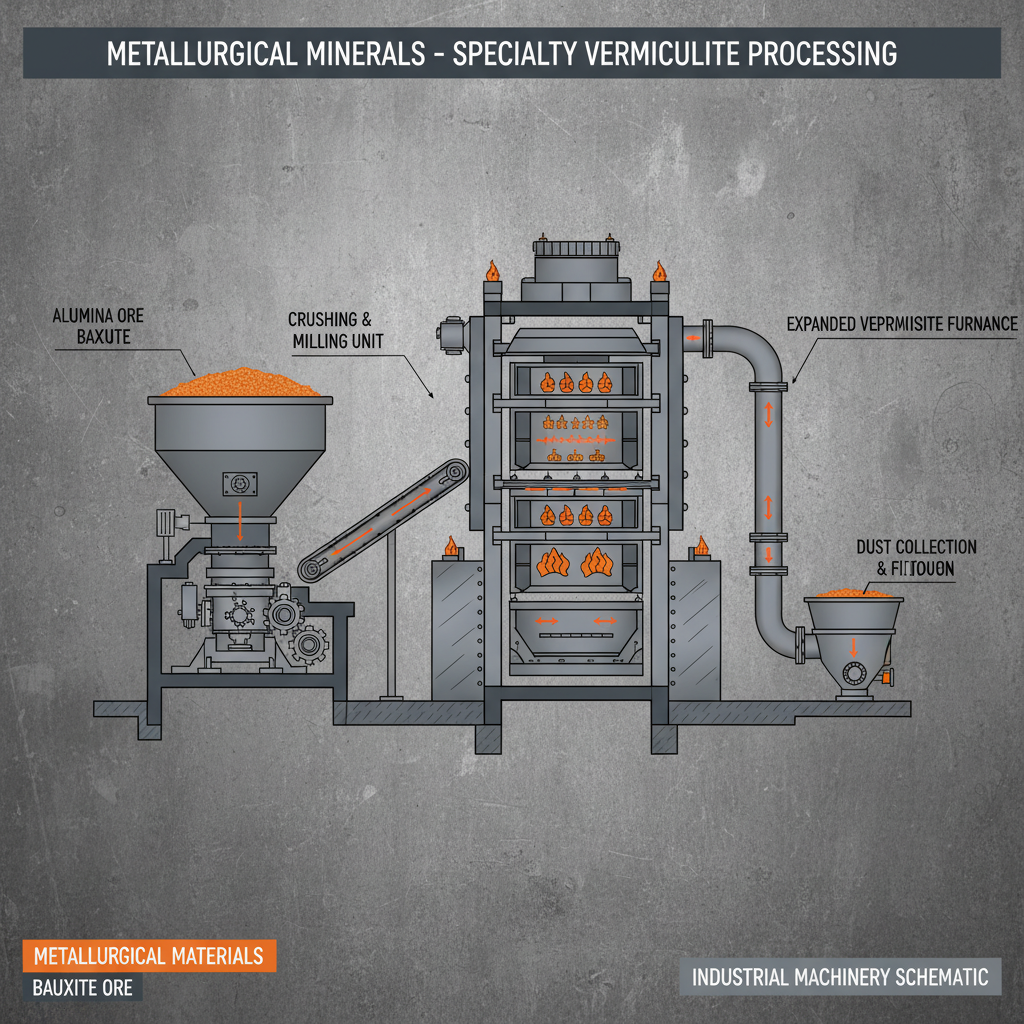
Swimming pool vermiculite isn't a single material but a specialized application of expanded vermiculite. Vermiculite is a naturally occurring magnesium aluminum iron silicate mineral, which, when heated to high temperatures, expands like popcorn. This expansion creates a lightweight, porous material with exceptional insulating properties. For swimming pool applications, this expanded vermiculite is mixed with a cementitious binder to create a durable, waterproof coating.
This application directly addresses modern industry needs for sustainable building practices. Traditional pool finishes often involve materials with a high carbon footprint and potential environmental concerns. Swimming pool vermiculite provides a comparatively eco-friendly alternative, utilizing a naturally abundant mineral and reducing the need for energy-intensive manufacturing processes.
The resulting finish is not only environmentally responsible but also creates a comfortable and safe surface for swimmers. The smooth, rounded edges of the vermiculite particles minimize abrasions, making it ideal for all ages. Its inherent chemical resistance also ensures long-term durability and reduces the need for frequent repairs or resurfacing.
Core Properties of Swimming Pool Vermiculite
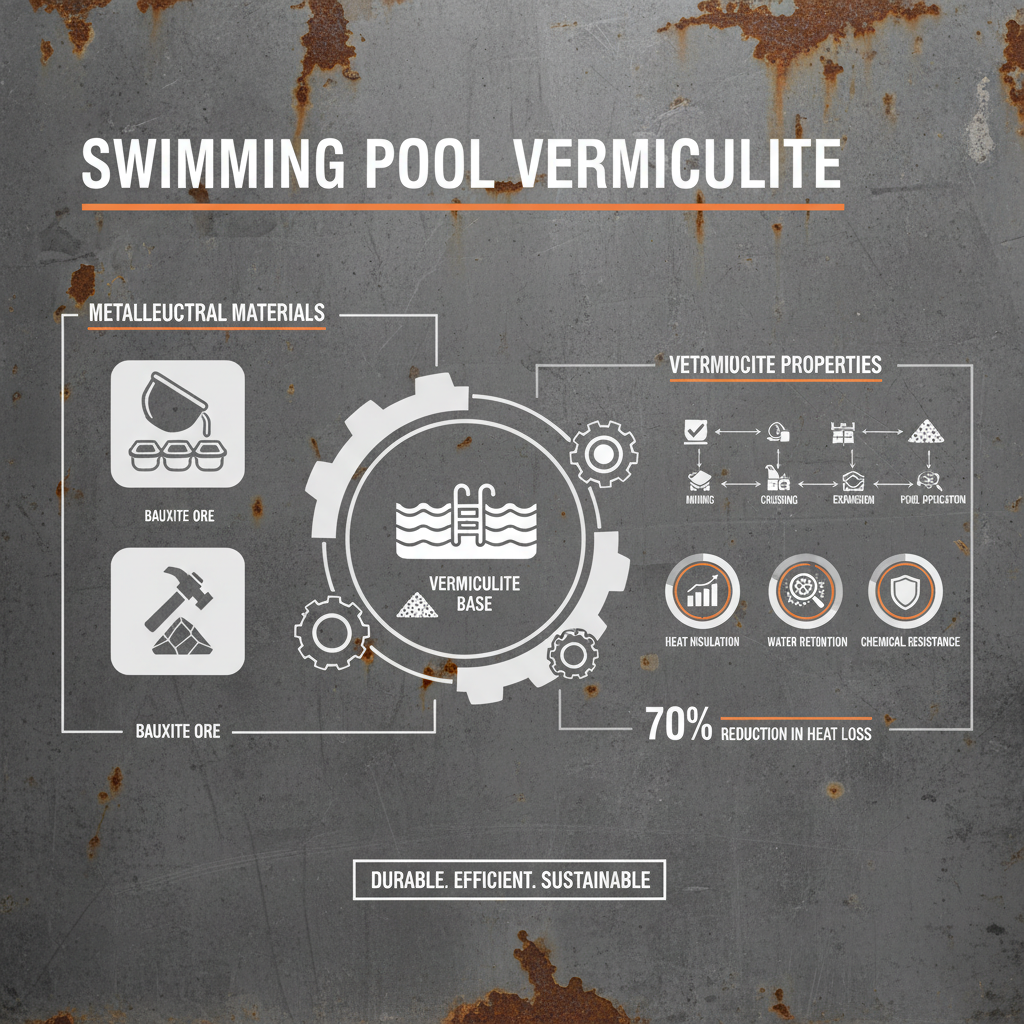
Several key properties contribute to the effectiveness of swimming pool vermiculite. Firstly, its lightweight nature significantly reduces the structural load on the pool shell, making it suitable for a wider range of pool designs. Secondly, its exceptional thermal insulation minimizes heat loss, lowering energy costs associated with heating the pool water.
Furthermore, swimming pool vermiculite boasts excellent chemical resistance, protecting the pool surface from the corrosive effects of chlorine and other pool chemicals. This resistance translates to a longer lifespan and reduced maintenance requirements. Its porous structure also contributes to its ability to absorb minor impacts, minimizing cracking and chipping.
Finally, the material’s natural pH neutrality ensures it doesn’t alter the chemical balance of the pool water, contributing to a healthier swimming environment. The ease of application and relatively quick curing time also make it an attractive option for pool builders seeking efficient installation processes.
Global Applications and Use Cases
Swimming pool vermiculite applications are becoming increasingly global, driven by the demand for sustainable pool construction solutions. In Europe, particularly in countries like Germany and Spain, where energy efficiency is highly prioritized, it's gaining traction as a preferred pool finish. North America also sees growing adoption, with a focus on reducing heating costs and providing a comfortable swimming experience.
Beyond residential pools, swimming pool vermiculite is also finding use in commercial aquatic facilities, such as hotels, spas, and recreational centers. These facilities often benefit from the long-term cost savings associated with reduced energy consumption and maintenance. In post-disaster relief operations, its lightweight nature and ease of application can contribute to the rapid construction of temporary swimming facilities for sanitation and recreation.
Australia, with its emphasis on outdoor living, is witnessing increased interest in swimming pool vermiculite for both new builds and renovations. The material's ability to withstand harsh sunlight and maintain its structural integrity in various climates makes it a durable and reliable choice for pool owners across the continent.
Swimming Pool Vermiculite Application Methods
Advantages and Long-Term Value
The advantages of swimming pool vermiculite extend beyond initial cost savings. Its thermal insulation properties translate to significantly reduced heating costs over the pool's lifespan, particularly in colder climates. This contributes to long-term sustainability and a lower carbon footprint. Moreover, the material’s durability minimizes the need for frequent repairs or resurfacing, further reducing lifecycle costs.
From a user perspective, swimming pool vermiculite provides a comfortable and safe swimming surface. Its smooth texture minimizes abrasions, making it ideal for families with children or individuals with sensitive skin. The inherent chemical resistance ensures a healthier swimming environment, free from the leaching of harmful substances. This combination of practicality, comfort, and safety enhances the overall pool experience and increases property value.
Future Trends and Innovations
Ongoing research is focused on enhancing the performance and sustainability of swimming pool vermiculite. Developments in binder technology aim to further improve its waterproof capabilities and reduce its environmental impact. The integration of nano-materials is also being explored to enhance its strength and durability.
The adoption of digital modeling and automated application techniques promises to streamline the installation process and reduce labor costs. As the construction industry embraces digital transformation, these innovations will likely become more prevalent, making swimming pool vermiculite an even more attractive option for builders and pool owners.
Challenges and Solutions
While swimming pool vermiculite offers numerous benefits, some challenges exist. Proper application is crucial; inadequate mixing or incorrect application techniques can compromise its waterproof capabilities. Ensuring the material is thoroughly saturated with the binder and applied evenly is essential for optimal performance.
To address this, comprehensive training programs for installers are becoming increasingly important. Manufacturers are also developing pre-mixed formulations to simplify the application process and reduce the risk of errors. Additionally, advancements in quality control measures are ensuring consistent material quality and performance.
Another challenge is consumer awareness. Educating pool owners and builders about the benefits of swimming pool vermiculite and proper installation techniques is key to driving wider adoption and maximizing its long-term value. Targeted marketing campaigns and educational resources can play a vital role in overcoming this hurdle.
Summary of Swimming Pool Vermiculite Challenges and Solutions
| Challenge |
Impact on Performance |
Proposed Solution |
Implementation Cost (1-10) |
| Improper Mixing |
Reduced Waterproofing |
Pre-Mixed Formulations |
4 |
| Uneven Application |
Weak Points & Cracking |
Automated Spray Systems |
7 |
| Lack of Installer Training |
Substandard Installation |
Certified Training Programs |
5 |
| Material Quality Variations |
Inconsistent Performance |
Rigorous Quality Control |
6 |
| Low Consumer Awareness |
Slow Market Adoption |
Targeted Marketing & Education |
3 |
| Initial Cost Perception |
Hesitation from Budget Conscious Clients |
Highlighting Lifecycle Cost Savings |
2 |
FAQS
Swimming pool vermiculite offers several key advantages over traditional plaster. It’s significantly lighter, reducing stress on the pool structure, and provides superior thermal insulation, leading to lower heating costs. Vermiculite is also more durable and resistant to cracking, requiring less frequent repairs. Finally, its smoother surface is more comfortable for swimmers.
Swimming pool vermiculite is a naturally occurring mineral, making it a more sustainable choice compared to many synthetic pool finishes. Its excellent insulation properties reduce energy consumption for pool heating, lowering the carbon footprint. Furthermore, its longevity reduces the need for frequent replacements, minimizing waste.
Swimming pool vermiculite is versatile and can be used in a wide range of pool types, including concrete, gunite, and vinyl liner pools (with proper preparation). However, it’s crucial to ensure the pool surface is properly prepared and that the vermiculite is applied correctly to achieve optimal results. Consult with a qualified pool professional to determine suitability for your specific pool.
With proper installation and maintenance, a swimming pool vermiculite finish can last for 15-20 years or even longer. Regular chemical balance and occasional cleaning will help preserve its appearance and performance. Its resistance to chemicals and weathering contributes to its long lifespan.
The application process for swimming pool vermiculite is generally faster and simpler than plastering. It typically involves mixing the expanded vermiculite with a cementitious binder and applying it to the pool surface using spraying or troweling techniques. The curing time is also relatively shorter.
The cost of installing a swimming pool vermiculite finish can vary depending on the size of the pool, the complexity of the project, and the location. While the initial cost may be slightly higher than some traditional options, the long-term savings from reduced energy consumption and maintenance often outweigh the upfront investment.
Conclusion
In conclusion, swimming pool vermiculite represents a significant advancement in pool finishing technology. Its unique combination of thermal insulation, durability, sustainability, and user comfort makes it a compelling alternative to traditional materials. From reducing energy costs to creating a more enjoyable swimming experience, the benefits are substantial and long-lasting.
Looking ahead, continued innovation in materials science and application techniques will further enhance the performance and accessibility of swimming pool vermiculite. We encourage pool owners, builders, and maintenance professionals to explore this promising solution and embrace a more sustainable and efficient approach to pool construction and operation. To learn more and find a qualified installer, visit our website: swimming pool vermiculite.