Specialty vermiculite, a highly versatile mineral, plays an increasingly critical role in diverse industries worldwide. From construction and agriculture to fireproofing and energy efficiency, its unique properties offer solutions to complex challenges. Understanding its capabilities is crucial for innovation and sustainable development, particularly as we face escalating global demands for resource optimization and environmental responsibility. The demand for high-quality specialty vermiculite is rising as its applications broaden and its benefits become more widely recognized.
Globally, the specialty vermiculite market is experiencing significant growth, driven by factors like increasing construction activities in emerging economies, stringent fire safety regulations, and the growing demand for eco-friendly building materials. Reports from organizations like the UN and ISO highlight the importance of sustainable materials in achieving global development goals. Addressing the challenges of resource scarcity and environmental impact requires the adoption of innovative materials like specialty vermiculite, offering both economic and ecological advantages.
The applications of specialty vermiculite are not limited to specific regions; it's a globally relevant material impacting numerous sectors. Its ability to improve insulation, enhance soil fertility, and provide fire protection makes it an essential component in various infrastructure projects and industrial processes worldwide. This widespread utility underscores the importance of understanding and effectively utilizing this remarkable mineral.
Defining Specialty Vermiculite and Its Relevance
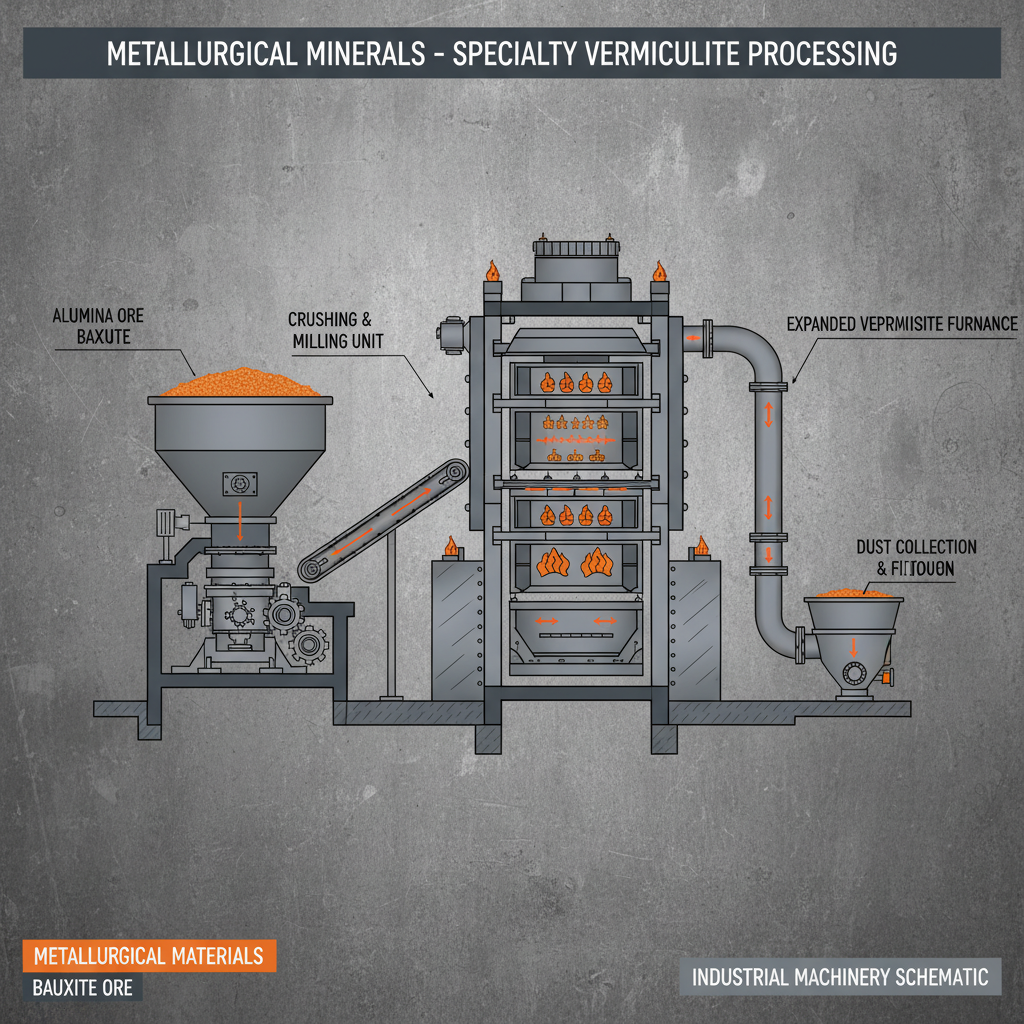
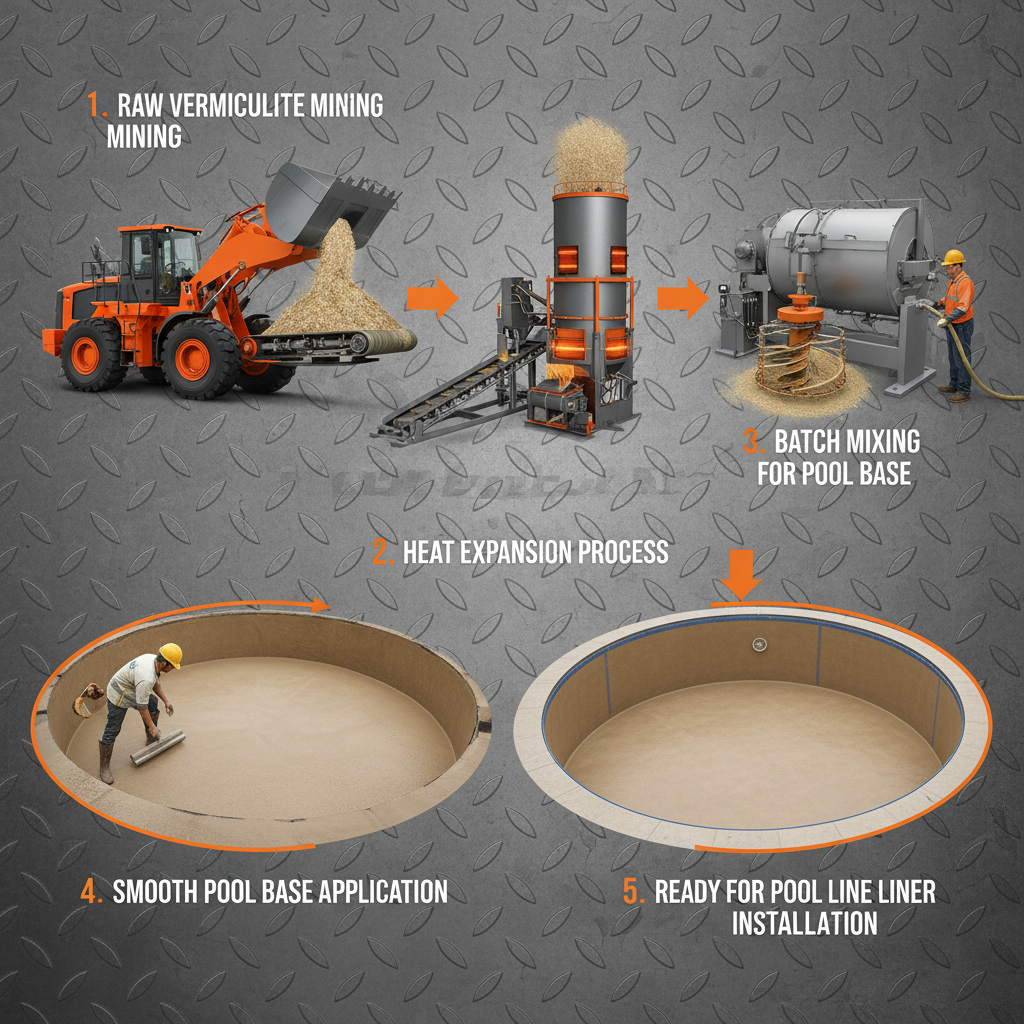
Specialty vermiculite isn’t simply a mineral; it’s a manufactured material created by heating mica minerals to extremely high temperatures, causing them to expand like popcorn. This process creates a lightweight, inert, and highly absorbent material with a wide range of applications. It’s different from general-purpose vermiculite due to its refined processing and consistent quality, making it ideal for specialized industrial and commercial uses.
The relevance of specialty vermiculite stems from its unique combination of properties. Its lightweight nature reduces transportation costs, its thermal insulation capabilities lower energy consumption, and its inertness ensures product stability. These features are vital in addressing modern challenges related to sustainability, energy efficiency, and product performance across various industries. The specialty vermiculite we produce at Xingtai Luxi caters to these needs.
Global Context and Industry Significance
The demand for specialty vermiculite is directly linked to global trends in construction, agriculture, and industrial manufacturing. Rapid urbanization, particularly in Asia and Africa, is driving a surge in construction activity, increasing the need for effective insulation and fireproofing materials. Simultaneously, the growing emphasis on sustainable agriculture is boosting demand for soil amendments that improve water retention and nutrient availability, applications where specialty vermiculite excels.
Industrially, specialty vermiculite plays a crucial role in diverse applications, including filtration, insulation for high-temperature processes, and as a carrier for catalysts. The automotive, aerospace, and chemical industries all benefit from its unique properties. According to industry reports, the global vermiculite market is projected to reach substantial figures in the coming years, highlighting its increasing significance.
The consistent quality and reliable performance of specialty vermiculite have made it a preferred choice for businesses worldwide. It’s a material that not only meets current industry standards but also anticipates future demands for sustainable and efficient solutions.
Understanding the Composition of specialty vermiculite
Specialty vermiculite’s core composition is based on hydrated magnesium aluminum iron silicate. However, it’s the processing—the rapid heating to temperatures exceeding 800°C—that unlocks its unique properties. This thermal shock causes the water within the mineral structure to flash into steam, expanding the material hundreds of times its original volume and creating a lightweight, porous structure.
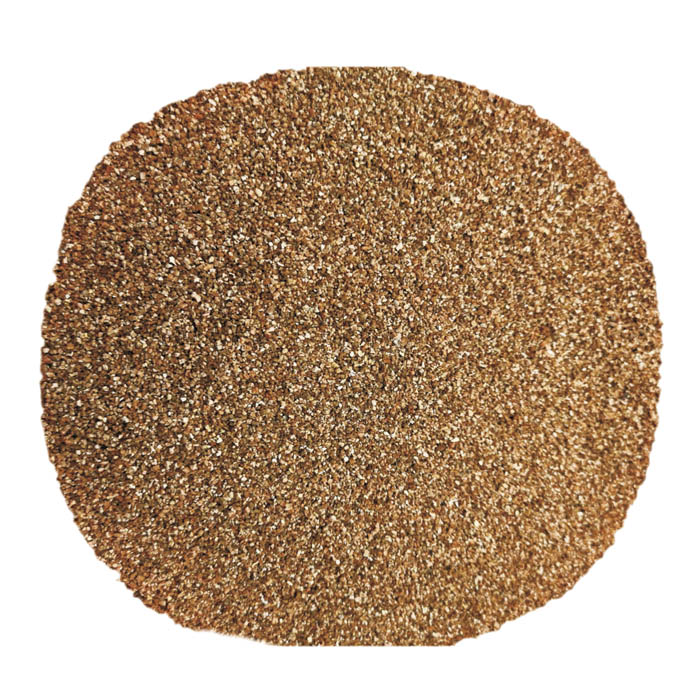
The specific composition of the raw mica mineral influences the final characteristics of the specialty vermiculite. Factors such as iron content impact color (ranging from gold to brown), and the purity of the mica affects its insulating properties. Careful selection and processing of raw materials are essential to producing high-quality specialty vermiculite tailored to specific applications.
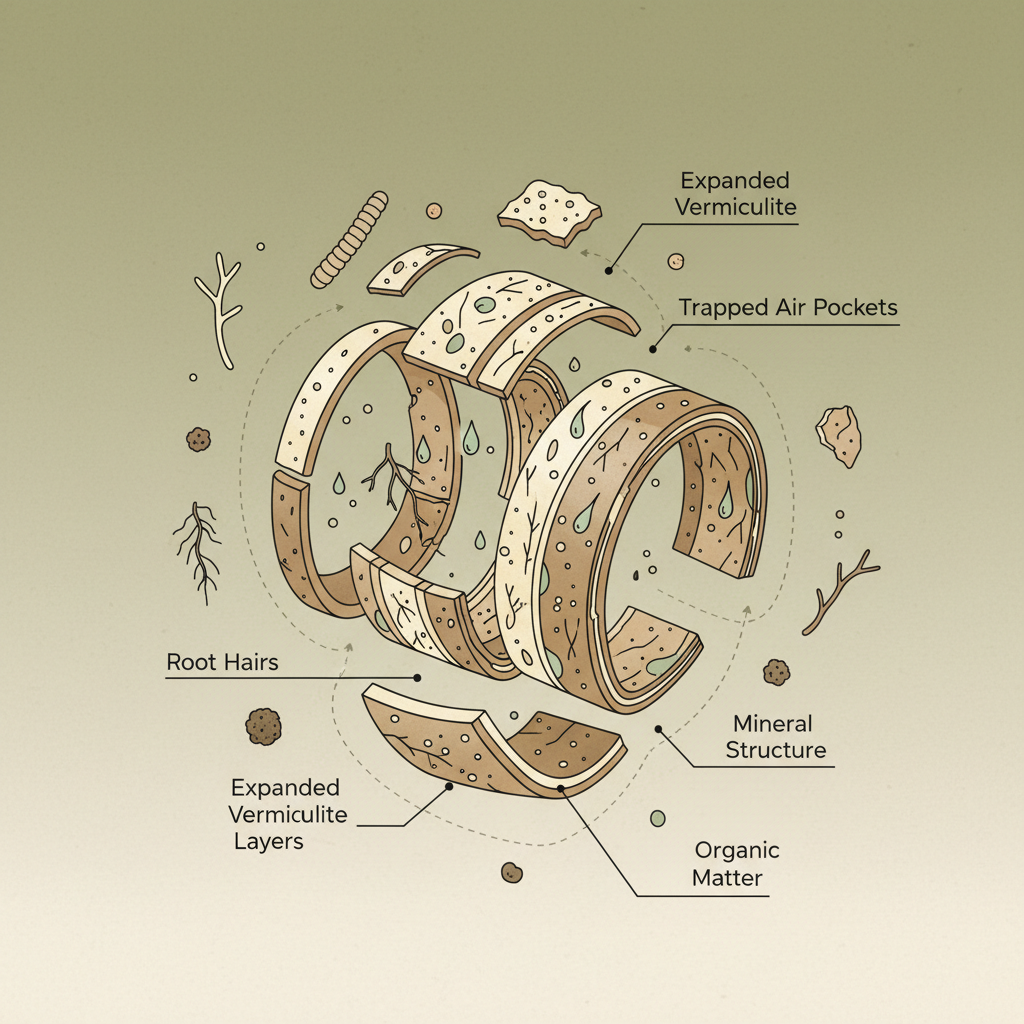
The resulting structure is characterized by numerous microscopic layers and voids, giving specialty vermiculite its exceptional properties. These include high surface area, excellent absorption capacity, and a very low density. Understanding this compositional foundation is vital for maximizing its potential in diverse applications.
Key Properties Driving Applications
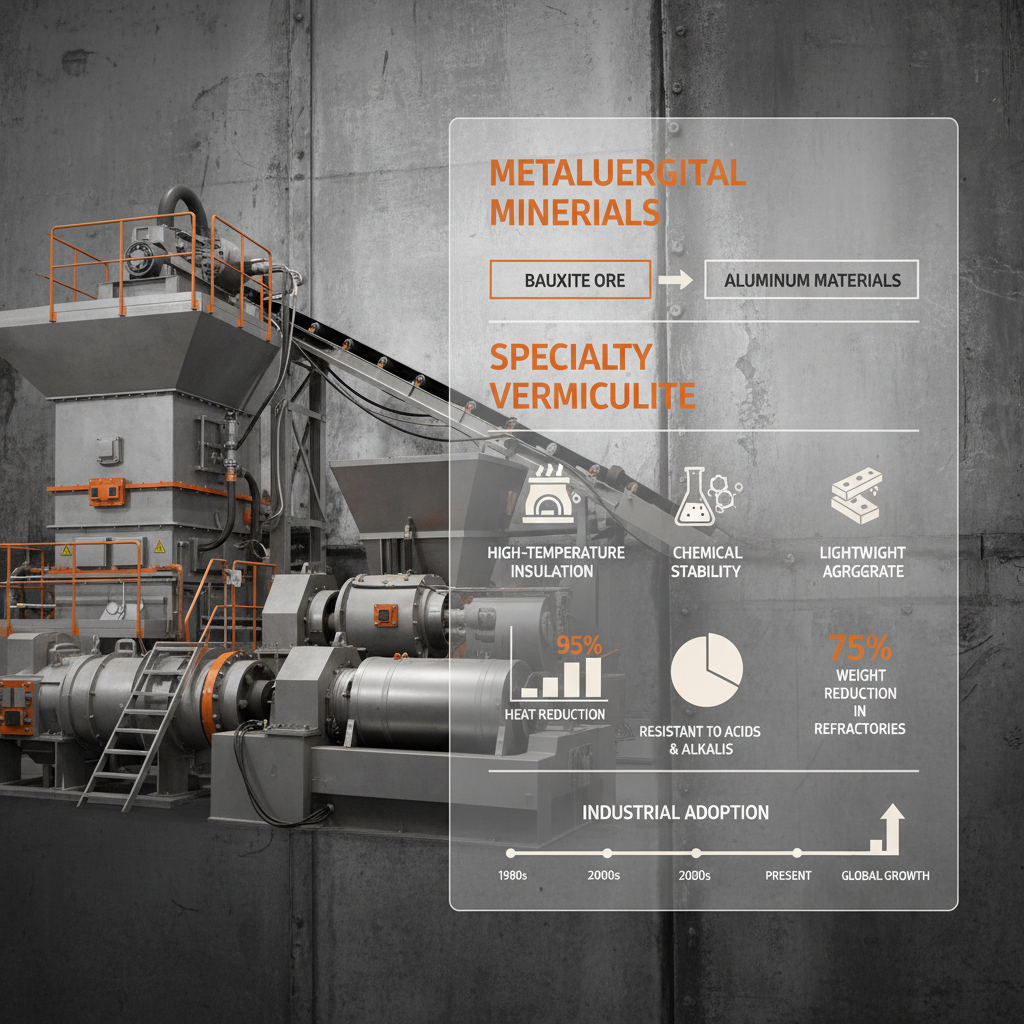
Several key properties define the functionality of specialty vermiculite. First, its exceptional thermal insulation capacity stems from its layered structure, trapping air and reducing heat transfer. Secondly, it is inherently fireproof, offering excellent protection against flame spread and heat damage. This is due to its non-combustible nature and its ability to release bound water upon heating, which cools the surface.
Another critical property is its high absorption capacity. Specialty vermiculite can absorb several times its weight in water, making it valuable in horticulture for improving soil moisture retention and in industrial applications for spill control and filtration. Furthermore, it's chemically inert, meaning it doesn't react with other substances, ensuring product stability and safety.
Performance Metrics of Different specialty vermiculite Grades
Diverse Global Applications of specialty vermiculite
Specialty vermiculite finds application across a remarkably broad spectrum of industries. In construction, it's a key component of lightweight concrete, insulation boards, and fireproofing materials. In agriculture, it’s used as a soil amendment to improve aeration, water retention, and nutrient availability, leading to increased crop yields.
Industrially, it serves as a filtration aid, an absorbent material for spills, a carrier for catalysts, and an insulator in high-temperature processes. In post-disaster relief operations, specialty vermiculite is employed for its insulating properties in temporary shelters and for absorbing hazardous materials. These applications demonstrate its versatility and critical role in addressing real-world challenges.
Advantages and Long-Term Value Proposition
The advantages of utilizing specialty vermiculite extend beyond its immediate functional benefits. Cost-effectiveness is a significant factor; its lightweight nature reduces transportation costs, and its durability ensures a long lifespan, minimizing replacement needs. Furthermore, it contributes to sustainability by reducing energy consumption through its insulating properties and promoting water conservation in agriculture.
The long-term value lies in its reliability and safety. Specialty vermiculite is non-toxic, non-combustible, and chemically inert, ensuring a safe and stable product. This builds trust with consumers and industries alike. Investing in specialty vermiculite is investing in quality, durability, and a commitment to responsible material selection.
Future Trends and Innovations in specialty vermiculite Use
Emerging trends point toward even wider applications for specialty vermiculite. Research is focused on incorporating it into advanced materials like composites and aerogels to enhance their performance characteristics. The growing emphasis on green building practices is also driving demand for sustainable insulation materials like specialty vermiculite.
Innovations in processing techniques are leading to the development of specialty vermiculite grades with tailored properties for specific applications. For example, researchers are exploring methods to improve its fire resistance and absorption capacity. Digital transformation in manufacturing allows for more precise control over the expansion process, resulting in consistent product quality.
The future of specialty vermiculite is closely linked to advancements in materials science and a global commitment to sustainability. As industries seek more efficient and environmentally responsible solutions, specialty vermiculite is poised to play an increasingly important role.
Challenges and Solutions
Despite its numerous advantages, the use of specialty vermiculite faces certain challenges. Sourcing high-quality raw materials can be a concern, as the composition of mica deposits varies. Transportation costs, particularly for long distances, can also impact its overall cost-effectiveness. Additionally, public awareness of its benefits remains limited in some regions.
Solutions include establishing robust supply chain management systems to ensure consistent raw material quality and investing in local processing facilities to reduce transportation costs. Educational initiatives can raise awareness among potential users and promote its adoption. Continued research and development efforts are crucial for overcoming these obstacles and unlocking the full potential of specialty vermiculite.
Developing standardized quality control procedures and promoting collaborative partnerships between manufacturers, researchers, and end-users can further address these challenges and accelerate the growth of the specialty vermiculite industry.
Summary of Challenges and Potential Solutions for Specialty Vermiculite
| Challenge |
Impact |
Severity (1-10) |
Potential Solution |
| Raw Material Sourcing |
Inconsistent Quality |
7 |
Robust Supply Chain Management |
| Transportation Costs |
Increased Product Price |
6 |
Local Processing Facilities |
| Limited Public Awareness |
Reduced Adoption Rate |
5 |
Educational Marketing Campaigns |
| Competition from Alternatives |
Market Share Erosion |
4 |
Highlighting Unique Benefits |
| Standardization of Quality |
Lack of Trust |
6 |
Implement industry wide standards |
| Process Optimization |
Inconsistent particle size |
5 |
Automated Processing Systems |
FAQS
While both originate from the same mica minerals, specialty vermiculite undergoes a more refined and controlled expansion process. This results in greater consistency in particle size, density, and absorption capacity. Regular vermiculite is often used in gardening, whereas specialty vermiculite is tailored for industrial applications demanding precise performance characteristics, like fireproofing or high-temperature insulation.
Yes, specialty vermiculite is considered a very environmentally friendly material. It’s a naturally occurring mineral, and the expansion process requires only heat—no chemical additives are involved. Its lightweight nature reduces transportation emissions, and its insulating properties lower energy consumption. It is also non-toxic and inert, posing no harm to the environment.
Specialty vermiculite is inherently non-combustible and offers excellent fire resistance. When exposed to high temperatures, it releases bound water as steam, cooling the surface and inhibiting flame spread. This makes it ideal for fireproofing materials, such as spray-on fire retardants and insulation boards. It can withstand temperatures exceeding 1000°C without significant degradation.
In construction, specialty vermiculite is used in a variety of applications, including lightweight concrete (reducing structural load), insulation boards (improving energy efficiency), and fireproofing materials (enhancing safety). It also serves as an aggregate in plasters and renders, providing improved thermal and acoustic properties. Its versatility makes it a valuable component in sustainable building designs.
The lifespan of products incorporating specialty vermiculite is exceptionally long, typically matching or exceeding that of conventional materials. Due to its chemical inertness and structural stability, it doesn’t degrade over time. In construction applications, the lifespan can easily exceed 50 years, while in agricultural uses, it continues to improve soil properties for decades.
Specialty vermiculite itself isn’t typically “recycled” in the traditional sense, as it’s a naturally occurring mineral. However, its durability means it has a very long lifespan, reducing the need for frequent replacement. Materials containing specialty vermiculite, like insulation boards, can sometimes be repurposed or used as fill material, minimizing waste.
Conclusion
In conclusion, specialty vermiculite is a remarkable material offering a unique combination of properties that address a wide range of global challenges. From enhancing energy efficiency and improving soil fertility to providing superior fire protection and reducing environmental impact, its versatility and long-term value are undeniable. As we strive towards a more sustainable and resilient future, specialty vermiculite will undoubtedly play an increasingly vital role in diverse industries.
Looking ahead, continued research and innovation will unlock even more applications for specialty vermiculite. By embracing sustainable sourcing practices, developing tailored solutions for specific needs, and promoting public awareness of its benefits, we can fully harness its potential. To learn more about how specialty vermiculite can benefit your projects, visit our website today!