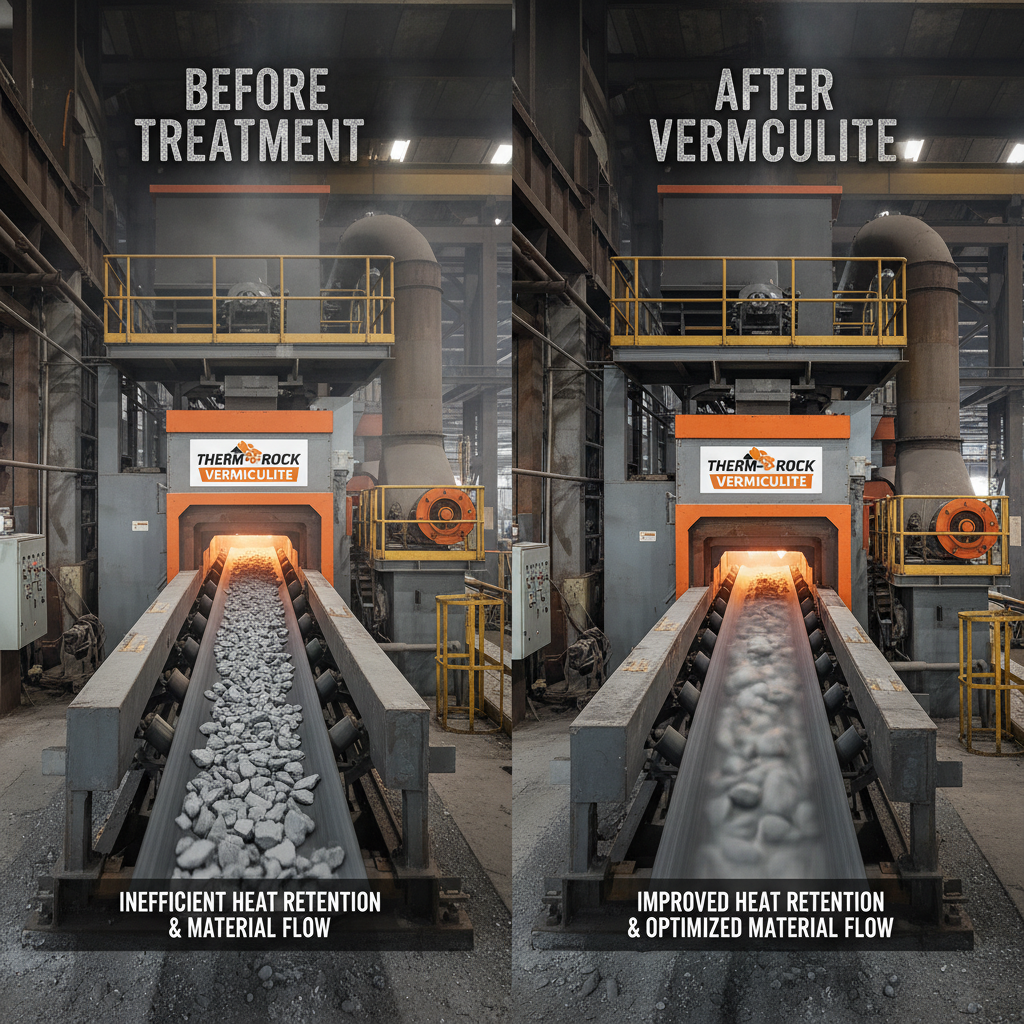
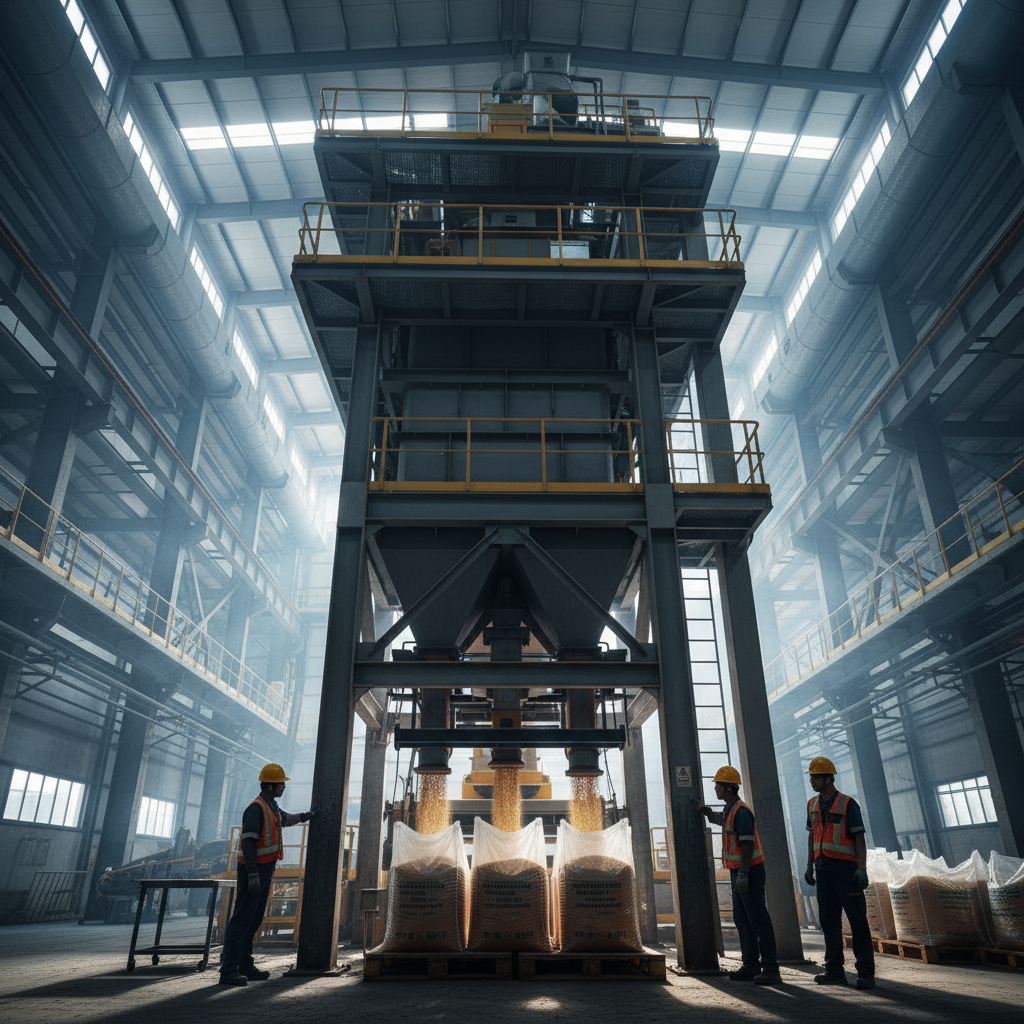
Buying vermiculite is increasingly crucial in a world facing growing demands for sustainable building materials, horticultural solutions, and industrial insulation. From enhancing soil quality for agricultural purposes to providing fire-resistant properties in construction, the applications of vermiculite are diverse and impactful. Understanding its properties and sourcing options is key for businesses and individuals alike looking for effective and environmentally responsible solutions.
The global vermiculite market is experiencing steady growth, driven by factors like rising construction activity, increasing awareness of sustainable practices, and demand for lightweight, high-performance materials. Regions like Asia-Pacific are witnessing particularly strong growth due to rapid urbanization and industrialization. Efficient and reliable sourcing of quality vermiculite is vital to meet these demands and support economic development.
Ultimately, informed decisions regarding buying vermiculite are central to optimizing performance and sustainability across a range of industries. This guide provides a comprehensive overview of the key considerations involved, ensuring that purchasers can make the most effective choices for their specific needs and contribute to a more sustainable future.
The Importance of Understanding Vermiculite Properties
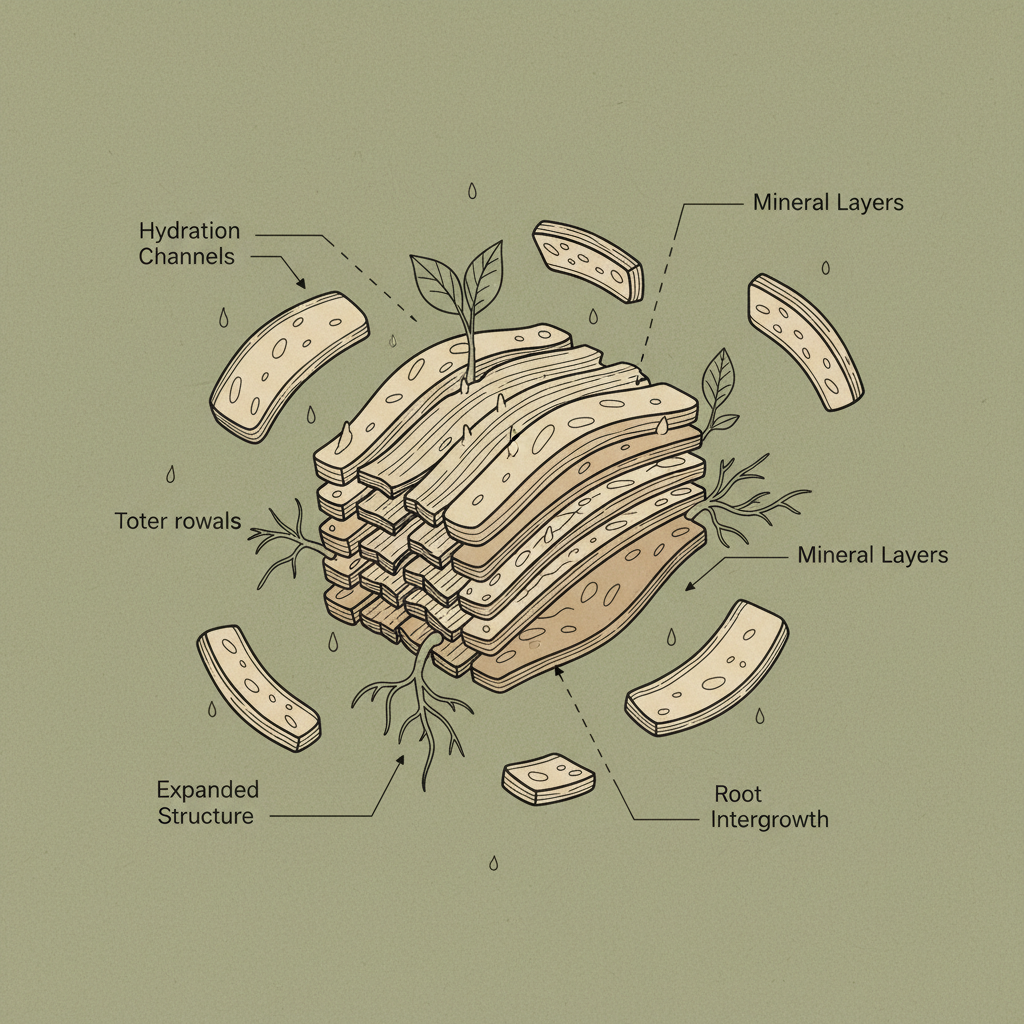
When buying vermiculite, understanding its core properties is paramount. These include its exceptional insulation capabilities, stemming from its layered structure trapping air; its non-combustible nature, making it a vital fire-protection component; and its high water-holding capacity, valuable in horticultural applications. These qualities directly influence the suitability of vermiculite for specific projects.
Furthermore, the grade and particle size of vermiculite impact its performance. Coarse grades are often preferred for concrete mixes and insulation, while finer grades are ideal for seed starting and soil amendment. Selecting the appropriate vermiculite grade ensures optimal results and cost-effectiveness.
Defining Buying Vermiculite: A Global Perspective
Buying vermiculite isn’t simply a transaction; it's integrating a versatile mineral into a wide range of applications. Vermiculite, a hydrated magnesium aluminum iron silicate mineral, is expanded through a high-temperature process, creating a lightweight material with unique properties. Global demand is driven by the construction, agriculture, and industrial sectors.
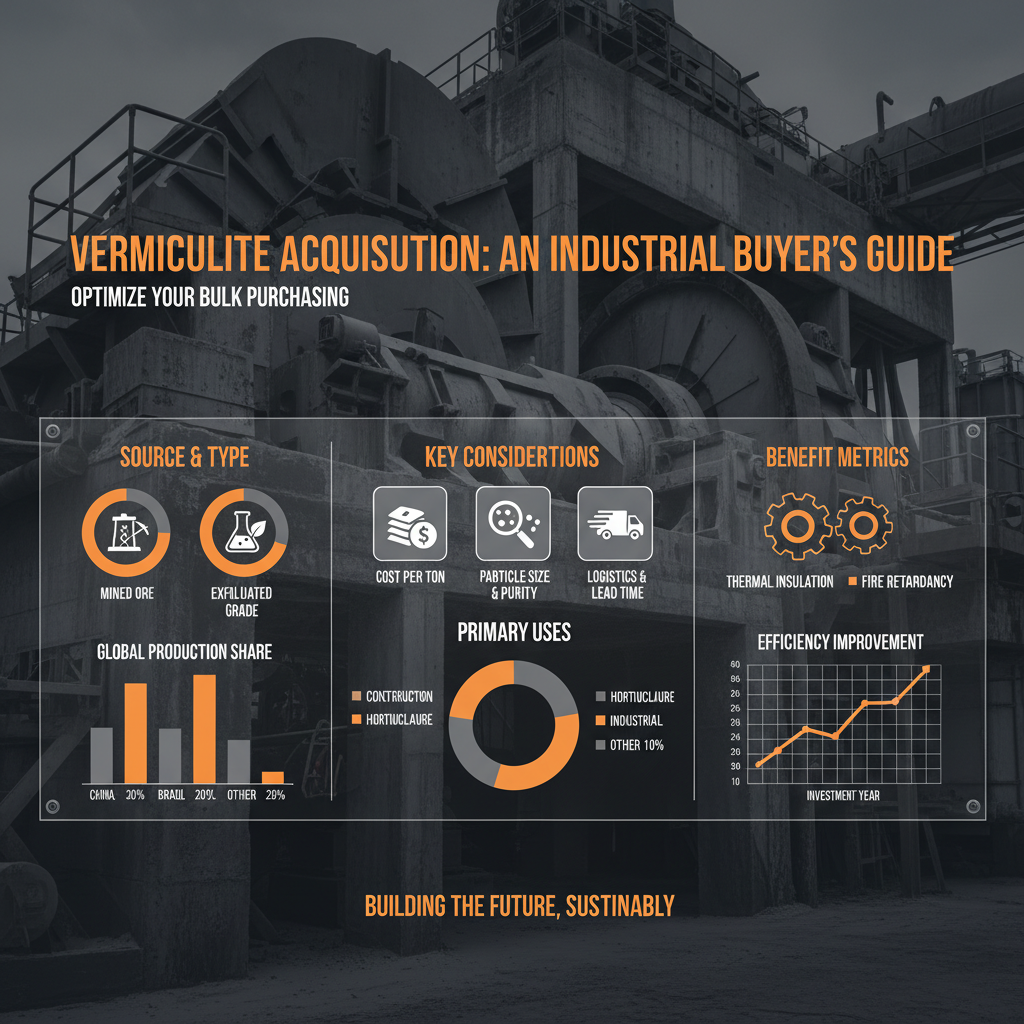
The market is characterized by regional variations in supply and demand. Major producing countries include China, South Africa, the United States, and Russia. Understanding these global dynamics is vital for securing competitive pricing and ensuring a stable supply chain. Factors such as transportation costs and geopolitical events can also influence the cost and availability of vermiculite.
The United Nations Sustainable Development Goals (SDGs) also influence demand; vermiculite’s role in sustainable agriculture (SDG 2) and resilient infrastructure (SDG 9) are increasingly recognized. Responsible sourcing and ethical production practices are becoming key considerations for buyers.
Key Characteristics When Buying Vermiculite
Several crucial characteristics should be considered when buying vermiculite. First is the density, directly impacting its insulation value and weight in applications like concrete. Secondly, pH level is crucial for horticultural applications, influencing plant health and nutrient uptake.
Moisture content is another essential factor. High moisture content reduces the effective volume of vermiculite and can impact its performance. Particle size distribution is critical, influencing flowability and packing density in different applications. Finally, purity is vital, ensuring the absence of contaminants that could negatively affect the final product.
Careful consideration of these characteristics, coupled with a clear understanding of the intended application, will ensure a successful purchase and optimal results. Reputable suppliers will provide detailed specifications for their products, including these key parameters.
Global Applications of Vermiculite
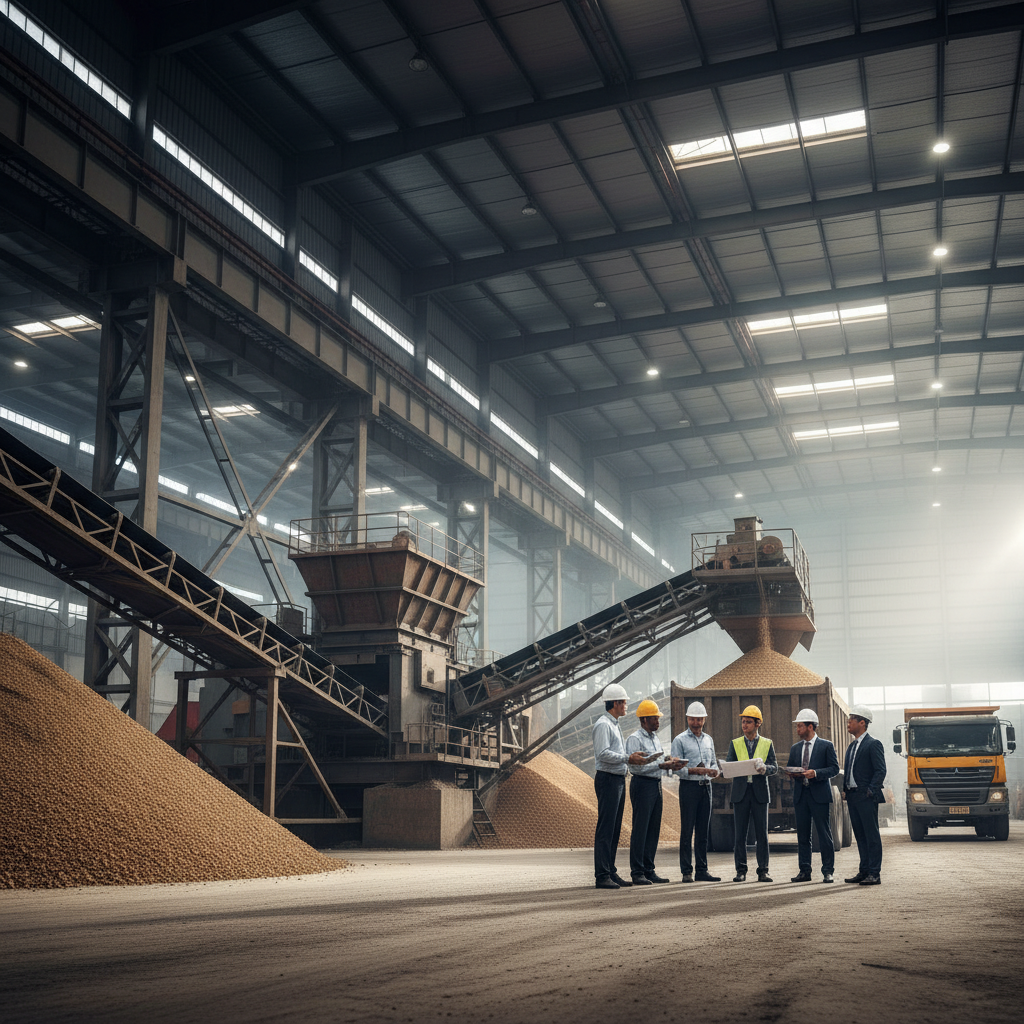
The applications of buying vermiculite are remarkably diverse, spanning numerous industries. In construction, it is used as a lightweight concrete aggregate, improving insulation and reducing structural load. It’s also a critical component in fireproofing materials, protecting buildings and infrastructure from fire damage.
Horticulture represents a significant market, where vermiculite enhances soil aeration, water retention, and nutrient availability, promoting healthy plant growth. Industrial applications include filtration, insulation in high-temperature environments, and as a carrier for chemical catalysts. In post-disaster relief operations, vermiculite is used in emergency shelters for insulation and fire protection.
From remote industrial zones requiring efficient insulation to agricultural regions needing optimized growing conditions, vermiculite offers versatile solutions. The material’s adaptability and affordability contribute to its widespread adoption across diverse geographic locations and economic contexts.
Comparative Analysis of Vermiculite Application Efficiency
Advantages of Vermiculite Over Alternative Materials
Compared to alternative materials, buying vermiculite offers distinct advantages. In insulation, it outperforms many traditional materials due to its exceptional thermal properties and fire resistance. Compared to fiberglass, vermiculite is non-irritating and poses fewer health risks during installation.
In horticulture, vermiculite’s superior water retention and aeration capabilities surpass those of peat moss, leading to healthier plant growth. Its lightweight nature reduces transportation costs compared to heavier aggregates like perlite. These benefits translate into cost savings and improved performance across various applications.
Future Trends in the Vermiculite Industry
The vermiculite industry is poised for continued growth and innovation. Increased focus on sustainable sourcing and eco-friendly processing techniques will drive future developments. Research into enhancing vermiculite’s properties through nanotechnology and surface treatments is expected to unlock new applications.
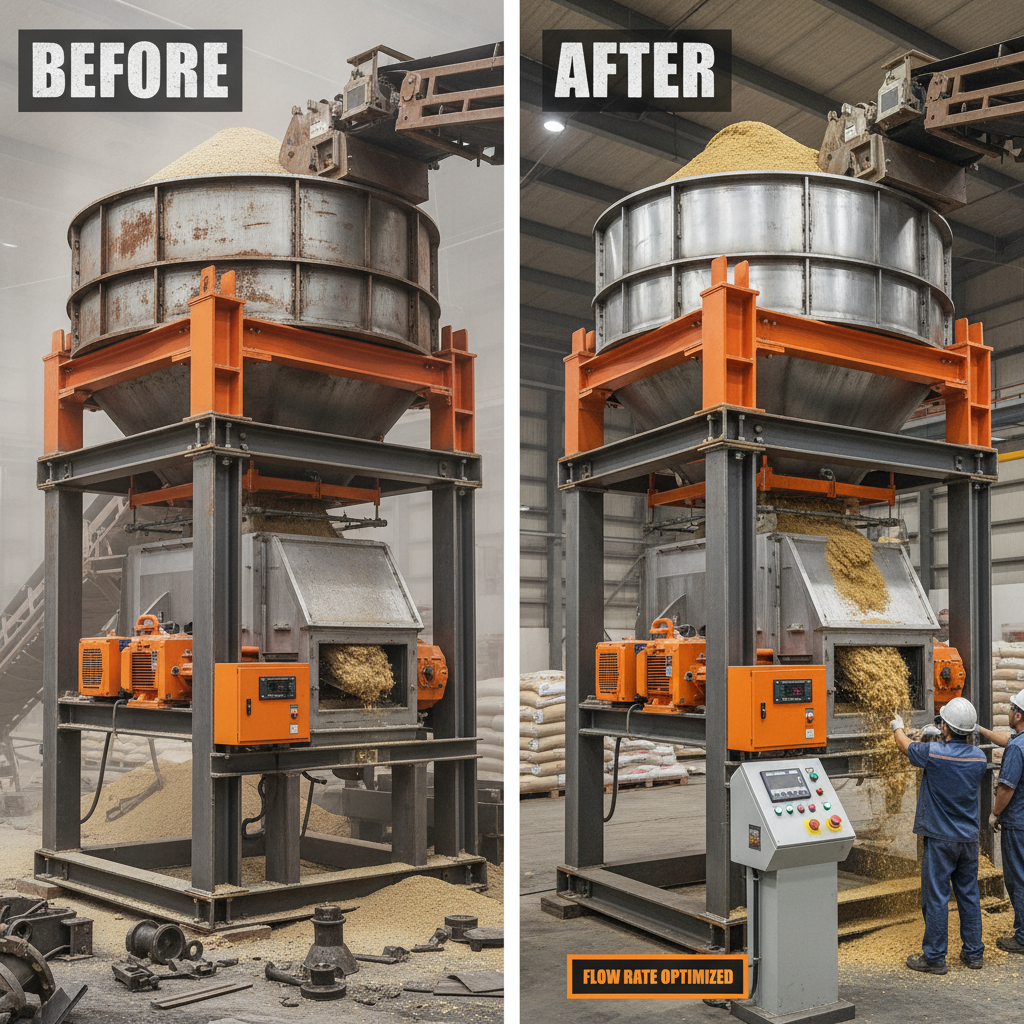
Furthermore, the integration of digital technologies, such as AI-powered quality control and automated packaging systems, will optimize production efficiency. The development of vermiculite-based composites with enhanced strength and durability will broaden its appeal in the construction sector.
Challenges and Solutions in Vermiculite Procurement
Despite its numerous benefits, buying vermiculite can present certain challenges. Supply chain disruptions, fluctuating prices, and inconsistent product quality are common concerns. Sourcing from reputable suppliers with robust quality control systems is crucial to mitigate these risks.
Building strong relationships with suppliers, diversifying sourcing options, and implementing rigorous testing procedures can enhance supply chain resilience. Furthermore, adopting blockchain technology for traceability can ensure transparency and accountability throughout the supply chain.
Addressing these challenges will ensure a reliable and sustainable supply of this valuable mineral for years to come.
Summary of Key Considerations in Vermiculite Procurement
| Supplier Reputation |
Product Consistency |
Pricing Stability |
Supply Chain Resilience |
| Years in Operation |
Certificate of Analysis Availability |
Long-Term Contracts |
Geographic Diversification |
| Customer Reviews |
Batch-to-Batch Uniformity |
Hedging Strategies |
Multiple Transportation Options |
| Financial Stability |
Adherence to Standards (ISO, ASTM) |
Volume Discounts |
Inventory Management Systems |
| Ethical Sourcing Practices |
Testing for Contaminants |
Currency Fluctuations Considerations |
Alternative Supplier Network |
| Responsiveness to Inquiries |
Consistent Particle Size |
Transparency in Cost Breakdown |
Early Warning Systems for Disruptions |
| Commitment to Sustainability |
Traceability Documentation |
Payment Terms Flexibility |
Risk Assessment Protocols |
FAQS
Coarse grade vermiculite typically features larger particle sizes and is favored for applications like concrete aggregates and insulation, enhancing airflow and reducing weight. Fine grade vermiculite, with its smaller particles, excels in horticultural applications, improving water retention and providing a finer texture for seed starting. The choice depends on the specific performance requirements of the project, with coarser grades prioritizing drainage and aeration, while finer grades enhance moisture control and seed germination.
Vermiculite is inherently non-combustible and exhibits exceptional fire resistance, surpassing many common insulation materials like fiberglass or cellulose. It can withstand temperatures exceeding 1000°C without melting or releasing harmful gases, providing a crucial barrier against fire spread. Furthermore, it does not contribute to smoke generation, enhancing safety during a fire emergency. This makes it an ideal choice for fireproofing applications in buildings and industrial facilities.
Vermiculite mining can have environmental impacts, including habitat disturbance and potential dust generation. However, responsible mining practices, such as land reclamation and dust control measures, can mitigate these effects. Processing involves high-temperature expansion, which requires energy, but advancements in energy efficiency are reducing the carbon footprint. Furthermore, vermiculite is a naturally occurring mineral, making it a sustainable alternative to some synthetic materials.
To maintain its quality, vermiculite should be stored in a dry, covered area, protected from moisture and direct sunlight. Exposure to moisture can lead to clumping and reduce its effectiveness, particularly in insulation applications. Proper storage prevents degradation and ensures that the vermiculite retains its original properties, maximizing its performance when used in construction, horticulture, or industrial processes.
The cost of buying vermiculite varies depending on factors like grade, quantity, and location. Coarse grades generally cost less per unit than fine grades. Bulk purchases typically offer significant discounts. Transportation costs also contribute to the overall expense. Obtaining quotes from multiple suppliers and comparing prices is essential to ensure a competitive rate.
While direct recycling of expanded vermiculite is challenging, it can often be reused in certain applications. For example, vermiculite used in horticulture can be incorporated into compost or used as a soil amendment after its initial use. In some industrial processes, it may be possible to reclaim and repurpose vermiculite. However, contamination levels must be carefully assessed before reuse.
Conclusion
In conclusion, understanding the nuances of buying vermiculite is critical for optimizing performance and achieving sustainable outcomes across a multitude of industries. From its exceptional insulating properties and fire resistance to its horticultural benefits and industrial versatility, vermiculite offers a compelling combination of functionality and environmental responsibility. Careful consideration of factors like grade, sourcing, and storage ensures that purchasers maximize the value of this valuable mineral.
Looking ahead, continued innovation in processing techniques, coupled with a commitment to sustainable sourcing and responsible usage, will further enhance vermiculite’s role in building a more resilient and environmentally conscious future. We encourage you to explore our extensive range of vermiculite products and solutions at www.xingtailuxi.com to discover how we can support your specific needs.