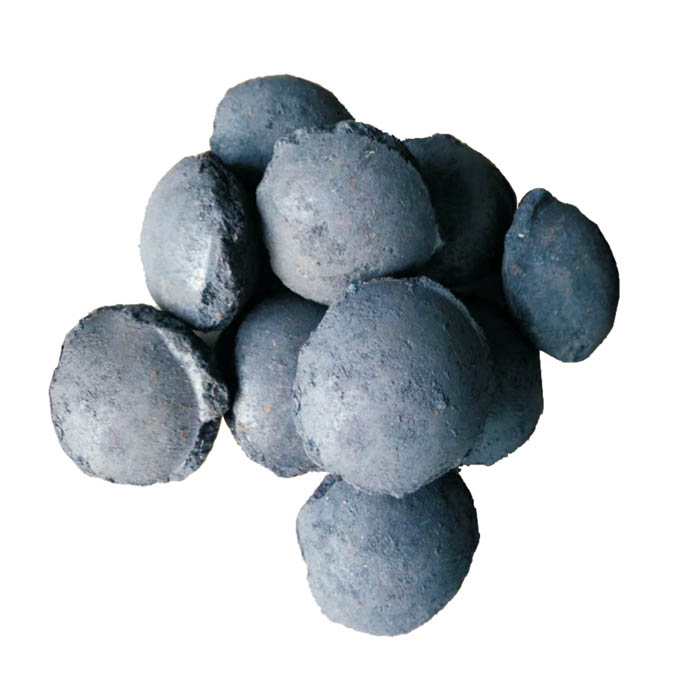
Organic vermiculite, a naturally occurring mineral, is rapidly gaining prominence across diverse industries due to its unique properties and sustainable nature. From horticulture and construction to environmental remediation and industrial applications, its versatility makes it a crucial component in modern solutions. Understanding its benefits is paramount in a world increasingly focused on eco-friendly materials and efficient resource management.
Globally, the demand for organic vermiculite is steadily increasing, driven by growing awareness of its advantages over traditional materials. The United Nations Sustainable Development Goals (SDGs), particularly those related to sustainable agriculture (SDG 2) and sustainable cities and communities (SDG 11), align directly with the benefits of using this resource. Data from the ISO indicates a rising trend in certifications related to sustainable mineral extraction and processing, reflecting a commitment to responsible sourcing.
A core challenge addressed by organic vermiculite is the need for lightweight, insulating, and sustainable materials. Traditional options often involve higher environmental impacts or lack the specific performance characteristics that vermiculite offers, presenting both economic and ecological hurdles. This mineral’s unique ability to enhance resource efficiency and reduce environmental footprints makes it an increasingly vital material in a resource-constrained world.
Defining Organic Vermiculite and its Relevance
Organic vermiculite is a hydrated magnesium aluminum iron silicate mineral that expands significantly when heated. This expansion creates a lightweight, highly absorbent, and inert material. ‘Organic’ in this context refers to its natural origin and the processes used to ensure minimal chemical alteration during extraction and processing, aligning with sustainable and environmentally conscious practices.
Its relevance stems from its ability to address challenges in multiple sectors. In agriculture, it improves soil aeration and water retention. In construction, it provides thermal and acoustic insulation. In environmental applications, it can absorb pollutants. This wide range of benefits makes organic vermiculite a valuable resource in tackling issues related to sustainability, resource efficiency, and environmental protection.
Global Significance and Industry Context
The global market for vermiculite, including the organic variety, is experiencing steady growth. Reports indicate a consistent increase in demand, particularly from emerging economies focused on sustainable development. Factors driving this growth include rising construction activity, increasing adoption of organic farming practices, and growing awareness of the environmental benefits of using vermiculite in various industrial processes.
Industries like horticulture, construction, automotive, and environmental remediation are increasingly adopting organic vermiculite. North America and Europe currently represent significant markets, but Asia-Pacific is expected to exhibit the highest growth rate due to rapid urbanization and industrialization. The demand for eco-friendly building materials and sustainable agricultural practices is fueling this expansion.
The industry is also influenced by evolving regulations and standards related to mineral extraction and processing. Organizations like the Responsible Minerals Initiative (RMI) are promoting responsible sourcing and supply chain transparency. Compliance with these standards is becoming increasingly important for companies operating in the organic vermiculite market, contributing to its long-term sustainability.
Understanding the Composition of Organic Vermiculite
Organic vermiculite's unique properties originate from its crystalline structure. It consists of layered silicate minerals, similar to mica. These layers are held together by weak bonds, allowing water molecules to penetrate and expand the material when heated. The expansion process creates numerous microscopic air pockets, resulting in a lightweight and insulating material.
The "organic" designation signifies that the vermiculite has undergone minimal chemical treatment during processing. Traditional vermiculite processing can sometimes involve additives or chemicals that alter its natural composition. Organic vermiculite prioritizes maintaining the mineral's inherent properties and purity, making it suitable for applications where chemical inertness is critical, such as organic gardening and environmental remediation.
The composition can vary slightly depending on the source of the vermiculite. However, typical organic vermiculite contains a high percentage of magnesium, aluminum, iron, and silicon, along with trace elements. These elements contribute to its diverse properties and make it a versatile material for a wide range of applications.
Key Properties of Organic Vermiculite
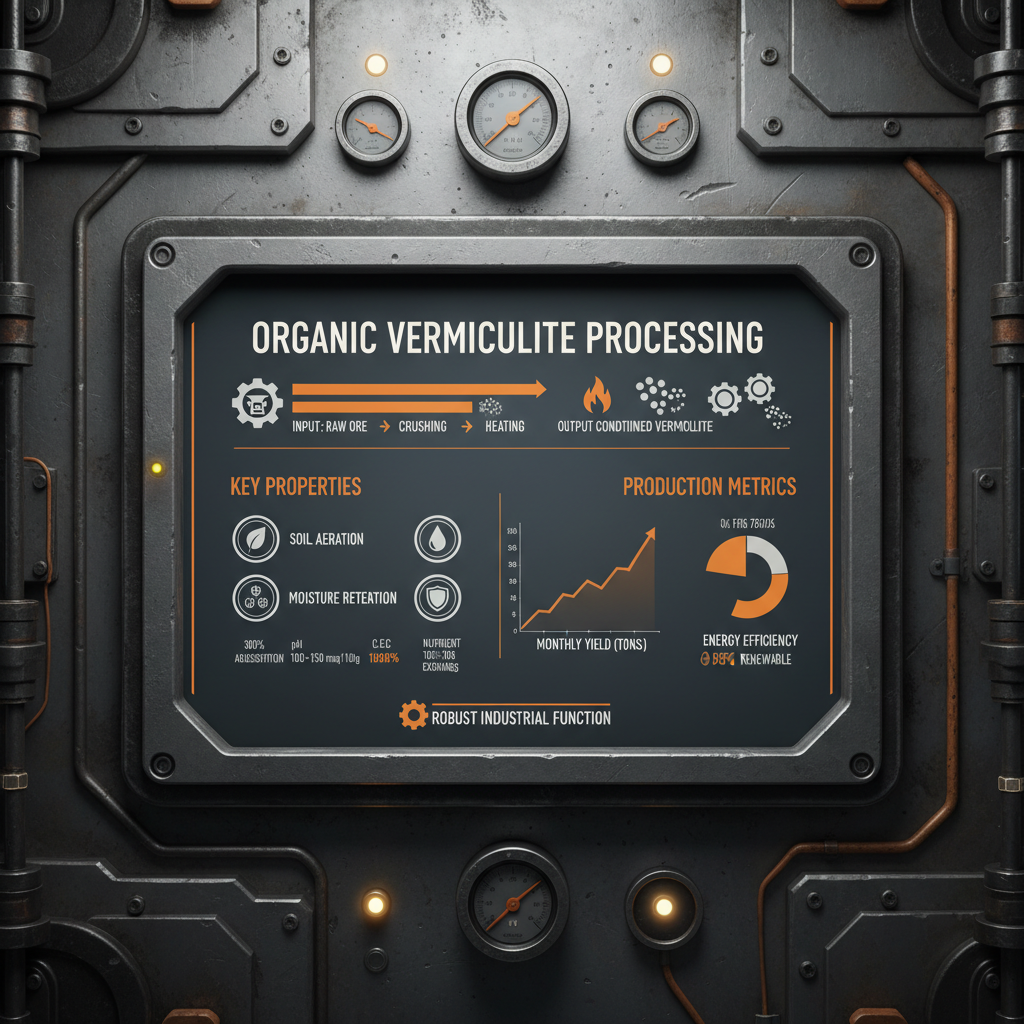
Organic vermiculite boasts several key properties that make it highly valuable across numerous industries. Its exceptional thermal insulation capabilities are due to the air pockets created during expansion, reducing heat transfer and making it an effective component in building insulation and fireproofing materials.
Furthermore, its high water absorption capacity – able to hold several times its weight in water – is incredibly beneficial in horticulture, where it improves soil moisture retention and aeration. Its inertness and pH neutrality make it ideal for growing media, ensuring healthy plant development.
organic vermiculite Property Ratings
Diverse Applications of Organic Vermiculite
Organic vermiculite finds applications in a remarkable range of sectors. In agriculture, it's used as a soil amendment to improve aeration, water retention, and nutrient availability, boosting crop yields and reducing water consumption. Its use in potting mixes provides an ideal growing environment for seedlings and established plants.
Beyond agriculture, it plays a crucial role in the construction industry as a lightweight insulation material, offering excellent thermal and acoustic performance. It’s used in loose-fill insulation, vermiculite concrete, and fireproofing products, contributing to energy efficiency and building safety.
The Advantages and Long-Term Value of Using Organic Vermiculite
The advantages of using organic vermiculite are substantial. Its lightweight nature reduces transportation costs and simplifies installation. Its excellent insulating properties lead to reduced energy consumption and lower utility bills. Its ability to improve soil health and water retention contributes to sustainable agriculture practices and increased food production.
The long-term value lies in its durability, sustainability, and positive environmental impact. Organic vermiculite is a naturally occurring, readily available resource. Its use minimizes reliance on synthetic materials, reduces carbon emissions, and supports a circular economy. These benefits translate into economic savings, environmental responsibility, and enhanced brand reputation.
The inherent fire resistance of organic vermiculite also contributes to long-term safety and peace of mind, making it a trusted component in fireproofing applications and enhancing building resilience against fire hazards.
Future Trends and Innovations in Organic Vermiculite
The future of organic vermiculite is bright, with ongoing research and development driving innovation across multiple fronts. Researchers are exploring new methods to enhance its properties, such as surface modifications to improve its water absorption capacity or incorporate antimicrobial agents for specific applications.
The integration of organic vermiculite with green building technologies, such as passive house construction and green roofs, is also gaining traction. Furthermore, its potential in environmental remediation, particularly for absorbing pollutants from water and soil, is being actively investigated. The development of more sustainable extraction and processing techniques is also a key area of focus.
Digital technologies, like AI-powered optimization of vermiculite blends for specific agricultural needs, could revolutionize its application. Automation in processing facilities will also increase efficiency and reduce costs, making organic vermiculite even more accessible and competitive.
Summary of Challenges and Solutions Regarding Organic Vermiculite
| Challenge |
Impact Area |
Proposed Solution |
Implementation Cost (1-10) |
| Dust generation during processing |
Worker health and safety |
Implementation of advanced dust control systems |
7 |
| Variations in vermiculite quality |
Product consistency |
Rigorous quality control measures and sourcing from certified mines |
6 |
| Transportation costs |
Overall product price |
Strategic location of processing facilities closer to raw material sources |
5 |
| Limited awareness of benefits |
Market adoption |
Targeted marketing and education campaigns highlighting the advantages |
4 |
| Competition from alternative materials |
Market share |
Focus on specialized applications where organic vermiculite offers unique advantages |
6 |
| Sustainability concerns regarding mining |
Environmental impact |
Adopting responsible mining practices and reclamation efforts |
8 |
FAQS
Organic vermiculite offers several environmental advantages over synthetic materials. It's a naturally occurring mineral, reducing reliance on energy-intensive manufacturing processes. Its use in soil amendment enhances water retention, decreasing irrigation needs, and its inert nature prevents harmful chemical leaching. Furthermore, responsible sourcing ensures minimal disruption to ecosystems, contributing to a lower carbon footprint and a more sustainable lifecycle compared to many synthetic alternatives.
Organic vermiculite significantly improves plant growth by enhancing soil structure and providing optimal conditions for root development. Its high water-holding capacity ensures consistent moisture levels, preventing both drought and waterlogging. Its excellent aeration properties allow roots to breathe, promoting healthier growth. Additionally, it’s pH neutral and contains essential micronutrients, fostering vigorous plant growth and increased yields.
Yes, properly processed organic vermiculite is generally considered safe for residential insulation. Concerns surrounding past vermiculite insulation stemmed from asbestos contamination in some sources, particularly Libby, Montana vermiculite. However, reputable suppliers now ensure their organic vermiculite is asbestos-free and meets stringent safety standards. When installing, dust masks are recommended to avoid inhalation of any fine particles.
The lifespan of organic vermiculite as an insulating material is exceptionally long, often exceeding 50-70 years when properly installed and maintained. Its inertness prevents degradation or settling over time, ensuring consistent thermal performance. Unlike some other insulation materials, it's resistant to pests and mold growth, further contributing to its longevity. Periodic inspections can help identify and address any potential issues, ensuring optimal performance for decades.
The costs associated with organic vermiculite in construction depend on several factors, including project scale, application type, and transportation distances. While the initial material cost might be slightly higher than some synthetic alternatives, the long-term benefits – such as reduced energy consumption and improved building durability – often offset the upfront investment. Furthermore, its ease of installation can reduce labor costs, making it a cost-effective solution in the long run.
Responsible sourcing of organic vermiculite involves adhering to ethical mining practices that minimize environmental impact and ensure fair labor conditions. Buyers should look for suppliers with certifications like ISO 9001 (quality management) and those committed to the Responsible Minerals Initiative (RMI). Certifications confirm the product is asbestos-free, sustainably sourced, and meets industry standards. Traceability and transparency within the supply chain are also important indicators of responsible sourcing.
Conclusion
Organic vermiculite stands as a versatile and sustainable material with far-reaching benefits across diverse industries. From improving agricultural yields and enhancing building insulation to supporting environmental remediation, its unique properties address critical challenges related to resource efficiency, sustainability, and environmental protection. The inherent benefits of organic vermiculite position it as a key component in building a more resilient and eco-conscious future.
As research and innovation continue, we can anticipate even broader applications for this remarkable mineral. Embracing organic vermiculite requires a shift towards mindful material choices, prioritizing sustainability and long-term value. Explore the possibilities and discover how organic vermiculite can contribute to your projects and a more sustainable world.