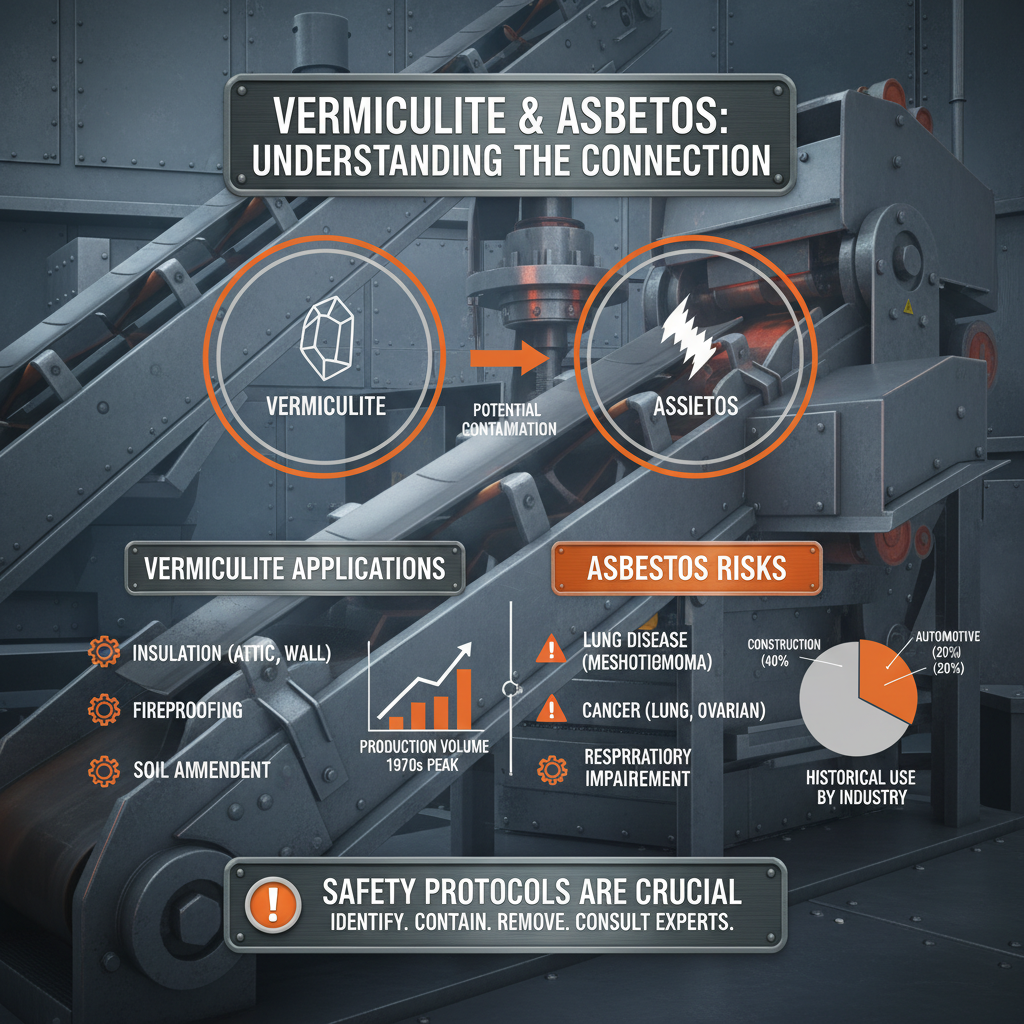
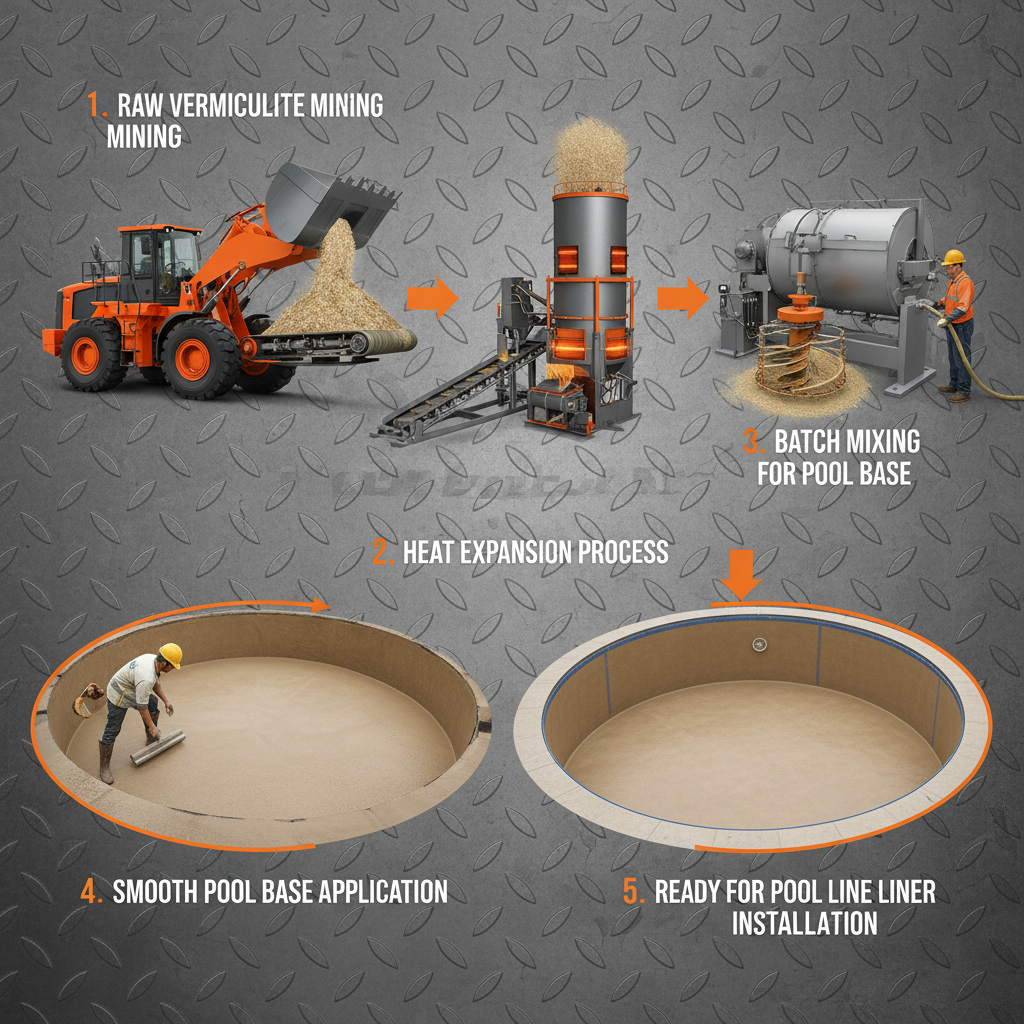
Vermiculite and asbestos, while seemingly disparate materials, share a complex history intertwined with industrial innovation, building practices, and, crucially, public health concerns. Historically, asbestos was lauded for its fire-resistant and insulating properties, finding widespread use in construction and manufacturing. Simultaneously, vermiculite, a hydrated magnesium aluminum iron silicate mineral, gained prominence as a lightweight, insulating material, often used in horticulture and as a fireproofing agent. The unfortunate intersection of these materials arose with the use of vermiculite contaminated with asbestos, most notably Libby, Montana, creating a long-lasting environmental and health crisis. Understanding this connection is vital for safe building material handling, environmental remediation, and public safety.
The global relevance of both vermiculite and asbestos stems from their past and ongoing impact on industries like construction, agriculture, and manufacturing. Asbestos, despite being banned in many countries, continues to be present in older buildings worldwide, posing significant health risks during renovation or demolition. According to the World Health Organization, asbestos-related diseases cause an estimated 107,000 deaths annually. Vermiculite, while generally safe, requires careful sourcing and testing to ensure it is asbestos-free, a concern particularly acute in areas with historical asbestos contamination. This presents a constant challenge for environmental agencies and building professionals.
The challenge lies in the legacy of asbestos contamination, and ensuring safe and responsible management of both materials moving forward. Effective regulation, proper identification, and safe removal procedures are crucial for minimizing health risks and protecting communities globally. This necessitates ongoing research, international cooperation, and public awareness campaigns to address the enduring impact of these materials.
Introduction to vermiculite and asbestos
The historical use of vermiculite and asbestos reveals a stark contrast between perceived benefits and realized consequences. Both materials offered valuable properties for diverse applications, from insulation to fireproofing. However, the discovery of asbestos contamination in vermiculite deposits, particularly in Libby, Montana, dramatically altered the narrative. This contamination led to widespread health issues, including asbestosis, lung cancer, and mesothelioma, highlighting the critical importance of material testing and responsible sourcing.
This situation underscores the need for stringent regulations and ongoing monitoring to prevent similar incidents. Understanding the geological origins of both materials, their typical applications, and the potential for contamination is essential for protecting public health and the environment. The legacy of asbestos contamination demands continuous vigilance and proactive measures to mitigate its enduring impact, even in materials seemingly unrelated like vermiculite.
Defining vermiculite and asbestos
Vermiculite is a naturally occurring mineral belonging to the phyllosilicate group. It's formed when water heats and expands mica, creating a lightweight, accordion-like structure. This expansion gives vermiculite excellent insulating properties, making it valuable in horticulture, construction, and industrial applications. It’s generally considered safe when asbestos-free, acting as a sustainable and versatile material.
Asbestos, on the other hand, is a group of six naturally occurring fibrous silicate minerals. These fibers are incredibly strong and heat-resistant, leading to their widespread use in the 20th century for insulation, fireproofing, and in various building materials. However, when asbestos fibers are inhaled, they can cause severe and often fatal respiratory diseases.
The critical connection between these two materials arises when vermiculite deposits contain naturally occurring asbestos. The Libby, Montana vermiculite mine, for example, was heavily contaminated with amphibole asbestos, resulting in a public health disaster. Therefore, simply identifying a material as “vermiculite” isn’t sufficient; testing for asbestos contamination is paramount.
Key Properties of vermiculite and asbestos
Vermiculite boasts several key properties, including its exceptional insulating capabilities – both thermal and acoustic. Its lightweight nature makes it easy to handle and install, while its high water absorption capacity makes it beneficial for horticultural applications. Furthermore, it is chemically inert and non-combustible, adding to its safety profile when asbestos-free.
Asbestos, conversely, is characterized by its tensile strength, flexibility, and resistance to heat, chemicals, and electricity. These properties made it ideal for applications requiring durable and fireproof materials. However, it’s important to emphasize that these desirable properties are overshadowed by the severe health risks associated with fiber inhalation. Different types of asbestos (such as chrysotile, amosite, and crocidolite) vary in their health hazards and structural characteristics.
The crucial difference lies in the form and inherent toxicity. Vermiculite’s expanded structure, when pure, poses minimal health risks. Asbestos’s fibrous structure, when disturbed, releases microscopic fibers that can lodge in the lungs, leading to chronic and potentially fatal diseases. Understanding these fundamental differences is vital for informed material selection and safe handling practices.
Applications Across Industries
Vermiculite finds extensive application in horticulture as a soil amendment, improving aeration, water retention, and nutrient availability. In construction, it’s used in lightweight concrete, insulation boards, and fireproofing materials. Industrial applications include filtration, absorbents, and as a carrier for pesticides and herbicides.
Historically, asbestos saw widespread use in the construction industry for roofing, flooring, insulation, and cement products. It was also integral in shipbuilding, automotive manufacturing (brake linings), and various other industrial processes requiring heat resistance. However, due to health concerns, its use has been significantly curtailed in many countries.
Asbestos & Vermiculite Application Frequency (Historical)
Advantages and Limitations
Vermiculite’s advantages lie in its lightweight nature, excellent insulation properties, and versatility across diverse applications. It is also a relatively sustainable material, particularly when sourced responsibly. However, the potential for asbestos contamination remains a significant limitation, necessitating thorough testing before use.
Asbestos, despite its inherent dangers, historically offered exceptional durability, fire resistance, and cost-effectiveness. However, these advantages are far outweighed by the serious health risks associated with asbestos fiber exposure, leading to its widespread ban in many countries. Remediation and safe disposal of existing asbestos-containing materials present ongoing challenges and substantial costs.
Future Trends and Innovations
Research is focused on developing asbestos-free vermiculite alternatives with comparable or superior insulating properties. This includes exploring other mineral-based materials and innovative bio-based insulation solutions. Improved testing methods for asbestos detection in vermiculite and other materials are also crucial.
Advancements in asbestos remediation technologies, such as encapsulation and advanced fiber removal techniques, are also gaining traction. Digital tools for tracking asbestos-containing materials in buildings and infrastructure are emerging, helping to manage risks and facilitate safe renovation or demolition processes.
Sustainable building practices and a growing awareness of the health impacts of building materials are driving the demand for safer and more environmentally friendly alternatives to both asbestos and potentially contaminated vermiculite.
Challenges and Mitigation Strategies
A major challenge remains the legacy of asbestos contamination in existing buildings and infrastructure. Identifying and safely removing or encapsulating asbestos-containing materials is a complex and expensive undertaking. The lack of comprehensive databases tracking asbestos presence in structures further complicates the issue.
Mitigation strategies include implementing stricter regulations for asbestos testing and removal, providing training for workers handling asbestos-containing materials, and raising public awareness about the risks of asbestos exposure. Investing in research and development of alternative materials and remediation technologies is also essential.
Effective international collaboration and knowledge sharing are critical for addressing the global impact of asbestos and ensuring safe practices related to vermiculite sourcing and handling. Proactive monitoring and transparent communication are paramount to protecting public health and the environment.
Mitigation Strategies for vermiculite and asbestos
| Risk Factor |
Severity Level (1-10) |
Mitigation Action |
Implementation Cost (USD) |
| Asbestos Contamination in Vermiculite |
9 |
Thorough Material Testing & Replacement |
500 - 5000 |
| Disturbance of Asbestos-Containing Materials |
10 |
Professional Abatement & Encapsulation |
2000 - 20000 |
| Lack of Awareness Among Workers |
7 |
Mandatory Training & Certification |
200 - 1000 |
| Inadequate Regulatory Oversight |
8 |
Stricter Enforcement & Increased Inspections |
1000 - 5000 |
| Insufficient Funding for Remediation |
6 |
Government Grants & Public-Private Partnerships |
Variable |
| Limited Access to Alternative Materials |
5 |
Incentivizing Research & Development of Safer Alternatives |
500 - 2000 |
FAQS
Asbestos exposure can lead to a range of serious and often fatal respiratory diseases, including asbestosis (scarring of the lungs), lung cancer, and mesothelioma (a cancer of the lining of the lungs, abdomen, or heart). The severity of these diseases often depends on the level and duration of exposure, as well as the type of asbestos fiber inhaled. Early detection is crucial for managing these conditions, but prevention through avoiding exposure remains the most effective approach.
The only way to definitively determine if your vermiculite insulation contains asbestos is through laboratory testing. Do not disturb the insulation yourself, as this can release asbestos fibers into the air. Instead, contact a qualified asbestos testing professional to collect a sample and send it to a certified laboratory for analysis. They will provide a detailed report outlining the presence and type of asbestos, if any.
Asbestos removal is a highly regulated process and should only be undertaken by licensed and trained asbestos abatement professionals. They will follow strict safety protocols, including using specialized equipment, containment procedures, and personal protective equipment (PPE) to prevent fiber release. Improper removal can significantly increase the risk of exposure and legal penalties.
Not all vermiculite insulation is a health hazard. Vermiculite mined from sources known to be asbestos-free is safe to use. However, vermiculite mined from certain locations, particularly the Libby, Montana mine, is heavily contaminated with asbestos. It’s crucial to test any vermiculite insulation, especially if its origin is unknown, to determine if it contains asbestos and pose a risk.
Regulations regarding asbestos and vermiculite handling vary significantly by country and region. Generally, these regulations govern asbestos testing, removal, disposal, and worker safety. Many countries have banned the use of asbestos altogether. It is essential to consult with local environmental agencies and legal professionals to ensure compliance with all applicable laws and regulations.
Numerous asbestos-free insulation materials are available, including cellulose, fiberglass, mineral wool, spray foam, and recycled denim. Each material offers different properties in terms of thermal performance, cost, and environmental impact. The best alternative for a specific application will depend on the individual needs and circumstances. Always research and select materials from reputable manufacturers.
Conclusion
In conclusion, the story of vermiculite and asbestos serves as a cautionary tale about the importance of responsible material sourcing, thorough testing, and proactive environmental protection. While both materials once held promise for various applications, the revelation of asbestos contamination in vermiculite highlighted the devastating consequences of prioritizing short-term benefits over long-term health and safety. Continuous vigilance, robust regulations, and ongoing research are essential to mitigate the enduring risks associated with asbestos and ensure the responsible use of vermiculite.
Looking forward, a commitment to sustainable building practices, the development of safer alternative materials, and increased public awareness are crucial for preventing future health crises. Investing in innovative remediation technologies and fostering international collaboration will be instrumental in addressing the legacy of asbestos contamination and protecting communities worldwide. Visiting our website at https://www.xingtailuxi.com provides further resources and insights into responsible material handling and environmental safety.