Perlite and vermiculite are naturally occurring volcanic glass minerals, increasingly vital across diverse industries globally. Their unique properties – exceptional lightness, high porosity, and inertness – have made them indispensable in horticulture, construction, and even industrial filtration. Understanding these materials is critical for optimizing resource use, enhancing agricultural yields, and developing sustainable building solutions, especially as populations grow and environmental concerns intensify.
The global market for perlite and vermiculite is experiencing steady growth, driven by increasing demand for soilless growing media, lightweight concrete, and fireproofing materials. According to recent reports, the horticultural sector accounts for the largest share of the market, with Asia-Pacific leading in consumption. This demand is fueled by the region's burgeoning agricultural sector and the increasing adoption of modern farming techniques. The expansion of the construction industry in developing nations is also contributing significantly to the demand for these versatile materials.
These materials address crucial challenges related to resource efficiency and environmental sustainability. In agriculture, they reduce water consumption and improve plant health. In construction, they contribute to energy savings through insulation and reduce the weight of structures. Their inert nature also minimizes environmental impact, making them preferable to some synthetic alternatives.
Introduction to perlite or vermiculite
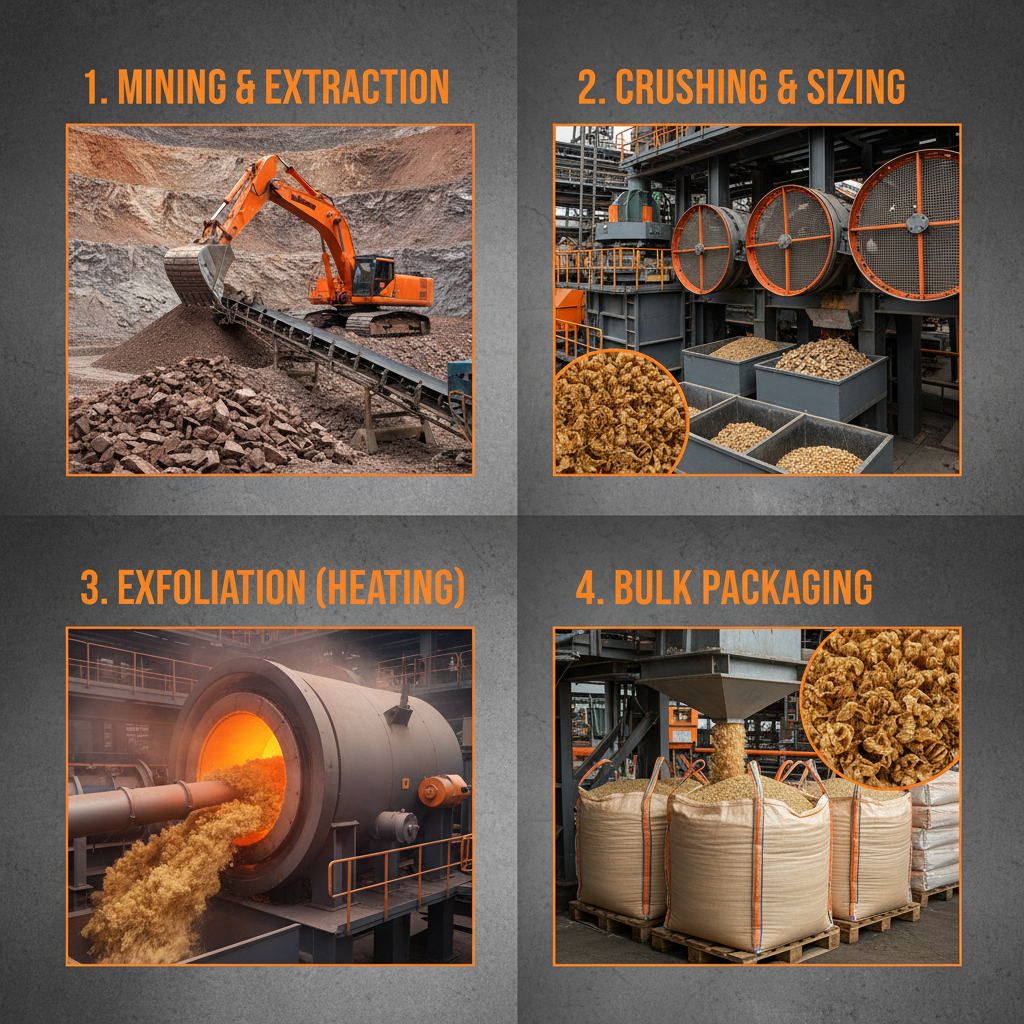
Perlite and vermiculite, despite originating from volcanic origins, possess vastly different characteristics and applications. Perlite, when heated, expands dramatically like popcorn, creating a lightweight aggregate prized for its excellent drainage and aeration properties. This makes it a cornerstone of soilless growing mixes and lightweight concrete formulations.
Vermiculite, conversely, expands into accordion-like layers when heated, resulting in a material known for its exceptional water retention and insulating capabilities. It’s widely used in potting mixes to conserve moisture, in fireproofing materials, and as a carrier for fertilizers and pesticides. Understanding the distinctions between these two materials is crucial for selecting the optimal one for a specific application.
Defining Perlite and Vermiculite
Perlite is a volcanic glass that hydrates and expands significantly when heated. This expansion creates a material with a unique cellular structure, making it incredibly lightweight and porous. It’s essentially amorphous aluminum silicate, formed from the rapid cooling of volcanic magma. Its primary composition dictates its inertness and resistance to chemical alteration.
Vermiculite, also a hydrated magnesium aluminum iron silicate mineral, undergoes a similar expansion process when heated, but its structure is fundamentally different. It forms flexible, accordion-like layers that excel at water absorption and retention. Its layered structure, resulting from its unique mineral composition, accounts for its excellent insulation properties.
Both minerals are crucial components of modern industry and address critical humanitarian needs. In regions facing water scarcity, vermiculite’s water-retention capabilities can enhance agricultural productivity. Similarly, perlite’s lightweight nature contributes to sustainable construction practices by reducing the overall weight of structures, thus lowering transportation costs and energy consumption.
Key Properties of perlite or vermiculite
The defining characteristic of both perlite and vermiculite is their lightweight nature. This is a direct result of their expanded cellular structure, which drastically reduces their density. This low density makes them ideal for applications where weight reduction is paramount, such as in lightweight concrete and potting mixes. perlite or vermiculite play a significant role in this aspect.
Porosity is another crucial property. Perlite's high porosity facilitates excellent drainage and aeration, crucial for root health in horticulture. Vermiculite’s porosity, however, allows for exceptional water retention, providing a reservoir of moisture for plants. This difference in porosity dictates their specific applications in plant cultivation and beyond.
Inertness is a shared trait, meaning they are chemically stable and don’t react with other materials. This makes them safe for use in various applications, including food processing and pharmaceutical industries. This stability ensures that they won’t contaminate the substances they come into contact with.
Global Applications of perlite or vermiculite
The horticultural industry is by far the largest consumer of perlite and vermiculite. They are essential components of soilless growing media, providing optimal drainage, aeration, and nutrient retention for a wide range of plants. From professional greenhouses to home gardening, perlite or vermiculite are used extensively.
In construction, both materials find application in lightweight concrete, offering improved insulation and reduced structural load. Perlite is also used in plaster and gypsum boards for fire resistance. Vermiculite excels as a thermal insulation material in buildings, reducing energy consumption and lowering heating and cooling costs.
Beyond these primary applications, perlite and vermiculite are used in industrial filtration, cryogenics (due to their insulating properties), and even as carriers for herbicides and pesticides. In post-disaster relief operations, their lightweight nature facilitates easier transportation of essential supplies.
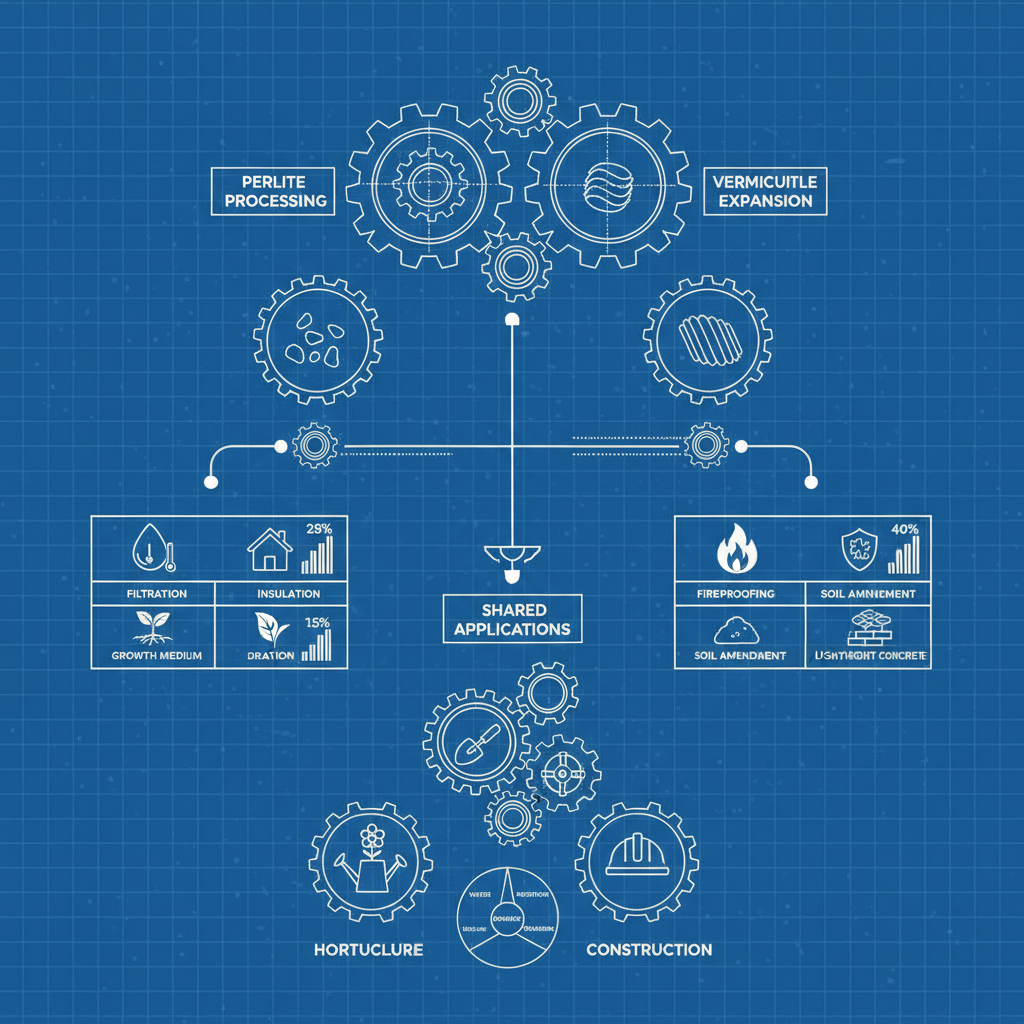
perlite or vermiculite Application Breakdown by Industry
Advantages and Long-Term Value
The cost-effectiveness of perlite and vermiculite is a major advantage, particularly when compared to synthetic alternatives. Their natural abundance and relatively simple processing methods contribute to their competitive pricing. This makes them accessible to a wide range of users, from large-scale agricultural operations to individual gardeners.
Sustainability is another key benefit. They are naturally occurring minerals, requiring minimal processing and producing no harmful byproducts. Their contribution to energy efficiency in buildings, through insulation, further enhances their sustainability profile. perlite or vermiculite provides long term sustainability.
Future Trends in perlite or vermiculite
Research is ongoing to explore new applications for perlite and vermiculite, particularly in the realm of sustainable materials. Scientists are investigating their potential as additives in bio-based plastics and as components of advanced composite materials. These innovations could significantly expand their market reach.
The increasing emphasis on green building practices and energy efficiency is expected to drive demand for vermiculite as a thermal insulation material. Similarly, the growing adoption of vertical farming and hydroponics will likely boost demand for perlite and vermiculite in soilless growing systems.
Challenges and Solutions
One challenge associated with perlite and vermiculite is dust generation during handling and processing. This can pose a health hazard to workers and requires appropriate mitigation measures, such as dust control systems and personal protective equipment.
Another challenge is the potential for inconsistent quality, depending on the source of the raw materials. Implementing rigorous quality control procedures and sourcing from reputable suppliers can help address this issue. Furthermore, research into advanced processing techniques could lead to more consistent and reliable product characteristics.
Finally, transportation costs can be a significant factor, especially for remote locations. Developing regional processing facilities and optimizing logistics can help reduce transportation expenses and improve accessibility.
Summary of perlite or vermiculite Challenges and Potential Solutions
| Challenge |
Impact on Industry |
Potential Solution |
Implementation Cost (1-10) |
| Dust Generation |
Worker Health & Safety, Environmental Concerns |
Dust Control Systems, PPE |
6 |
| Inconsistent Quality |
Reduced Product Performance, Customer Dissatisfaction |
Rigorous Quality Control, Reputable Sourcing |
7 |
| Transportation Costs |
Increased Product Price, Limited Accessibility |
Regional Processing Facilities, Optimized Logistics |
8 |
| Limited Awareness of Benefits |
Slower Adoption Rate, Missed Opportunities |
Educational Campaigns, Industry Partnerships |
5 |
| Competition from Synthetic Alternatives |
Market Share Erosion, Price Pressure |
Highlighting Sustainability Advantages, Innovation |
7 |
| Raw Material Supply Chain Disruptions |
Production Delays, Price Volatility |
Diversifying Sourcing, Strategic Stockpiling |
6 |
FAQS
Vermiculite significantly outperforms perlite in water retention. Its layered structure allows it to absorb and hold several times its weight in water, making it ideal for plants requiring consistently moist soil. Perlite, on the other hand, primarily provides aeration and drainage, offering limited water retention capabilities. Selecting the appropriate material depends on the specific plant's water needs and the growing environment.
Both perlite and vermiculite are generally considered safe for organic gardening, though it's worth noting that some vermiculite sources may contain trace amounts of asbestos. However, most reputable suppliers now offer asbestos-free vermiculite. Both materials are inert and do not decompose, ensuring they won't introduce harmful substances into the soil. Ensure you choose a certified organic product for optimal compliance.
Perlite and vermiculite create an ideal environment for seed germination. Perlite promotes excellent drainage, preventing seeds from rotting, while vermiculite provides consistent moisture, essential for successful sprouting. Combining both in a seed starting mix offers a balanced approach, ensuring optimal aeration, drainage, and water retention, contributing to higher germination rates and healthier seedlings.
Vermiculite's unique layered structure contains bound water, which is released as steam when exposed to high temperatures. This process absorbs heat and effectively inhibits combustion. It's widely used in fireproofing sprays, boards, and loose-fill insulation in buildings to protect against fire damage. It's a passive fire protection material, slowing down the spread of flames.
While perlite doesn't break down, it can become compacted over time, reducing its aeration properties. It can be reused, but it's often beneficial to refresh it by rinsing and breaking up any clumps. Vermiculite, however, tends to decompose and loses its water-retention capabilities after repeated use. It’s generally recommended to replace vermiculite annually for optimal results.
Mining both perlite and vermiculite can have localized environmental impacts, including habitat disruption and dust generation. However, these impacts are generally less severe compared to mining other materials. Reputable suppliers are increasingly adopting sustainable mining practices, including land reclamation and dust control measures, to minimize their environmental footprint. Choosing responsibly sourced products is essential.
Conclusion
In conclusion, perlite and vermiculite are versatile and invaluable minerals with a wide range of applications spanning horticulture, construction, and industrial processes. Their unique properties – lightweight nature, porosity, and inertness – contribute to enhanced sustainability, improved resource efficiency, and increased safety. Understanding the distinct characteristics of each material allows for optimized use in diverse applications.
Looking ahead, continued research and innovation will unlock even more potential for these remarkable minerals. From advanced materials science to sustainable building practices, perlite and vermiculite are poised to play an increasingly important role in addressing global challenges. For more information and to explore our range of perlite and vermiculite products, please visit our website: www.xingtailuxi.com.