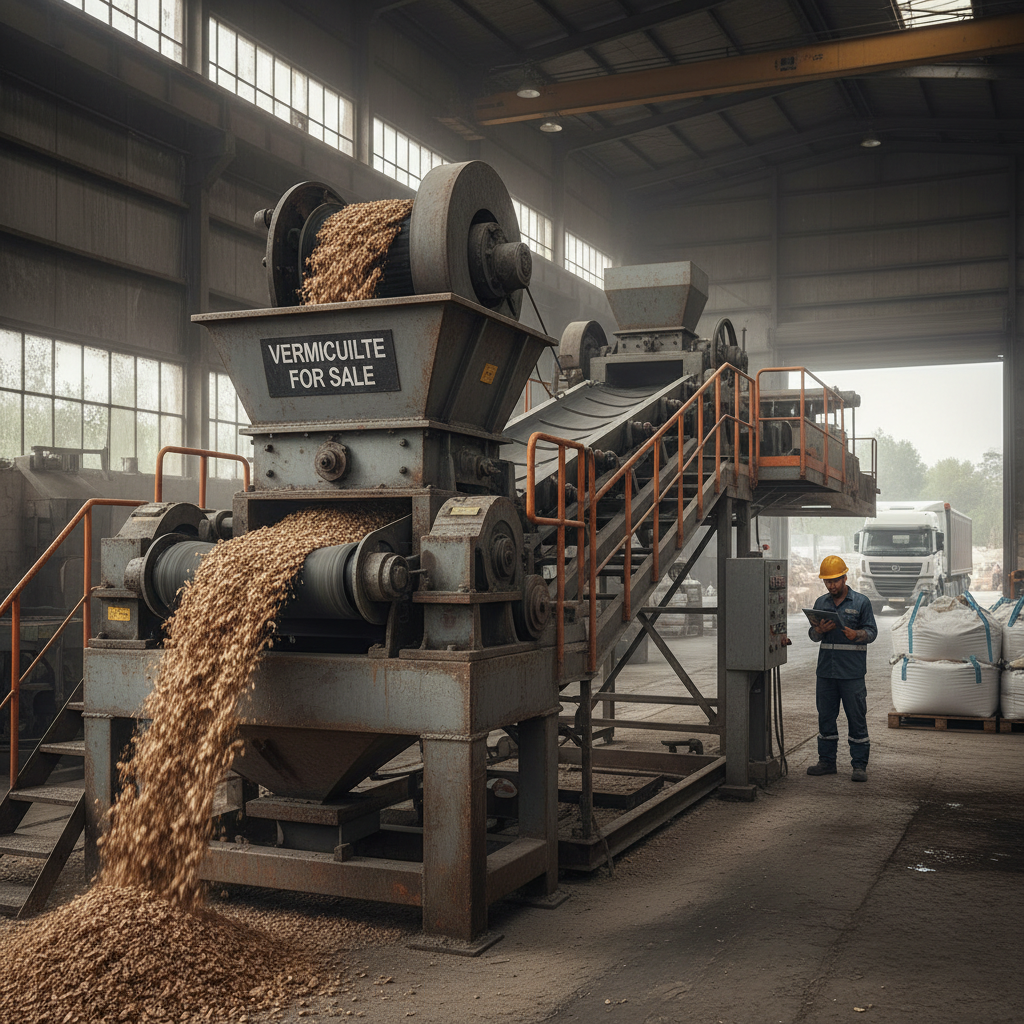
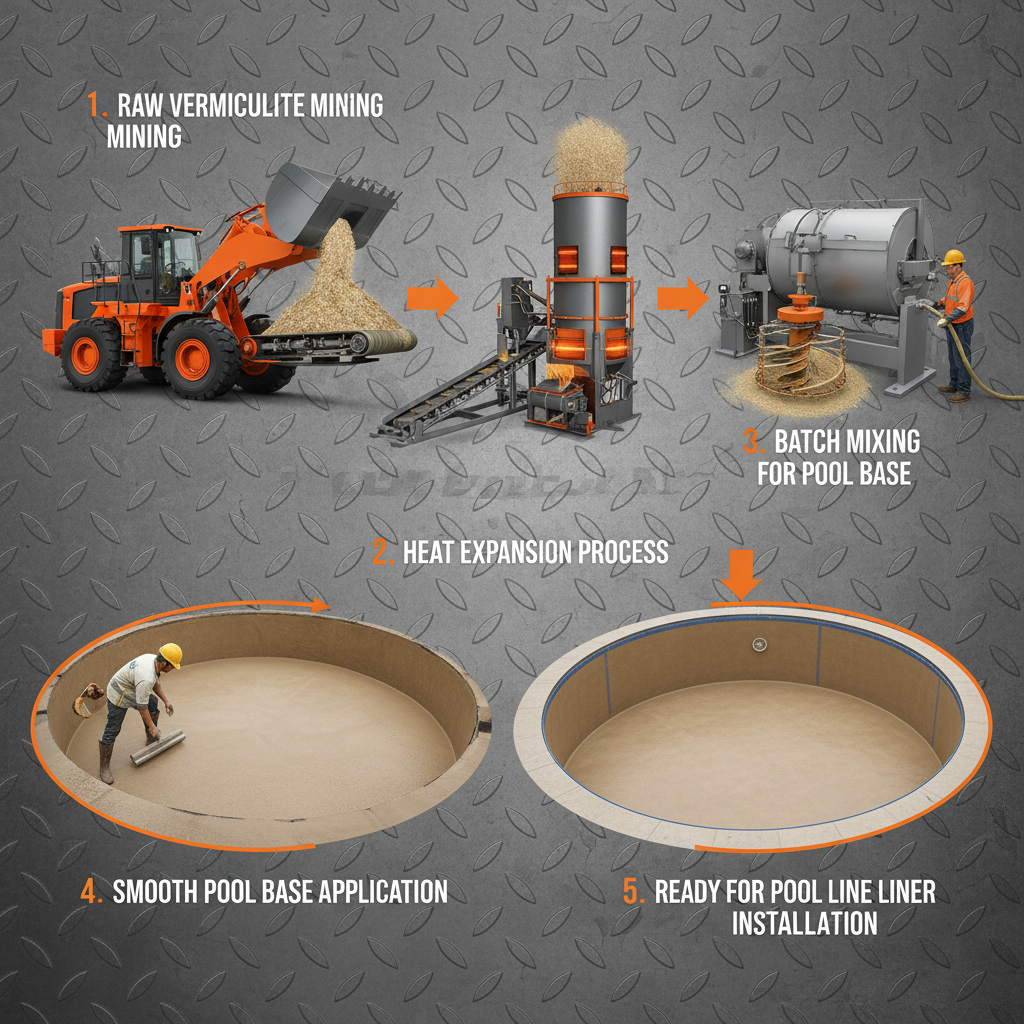
Vermiculite insulation asbestos represents a complex intersection of building materials, historical practices, and significant health concerns. For decades, vermiculite, a naturally occurring mineral, was widely used as insulation due to its fire-resistant and thermal properties. However, a major source of vermiculite – the Libby, Montana mine – was heavily contaminated with asbestos. This contamination has led to widespread health issues, including mesothelioma, lung cancer, and asbestosis, impacting countless individuals and prompting extensive cleanup efforts. Understanding the risks associated with vermiculite insulation asbestos is crucial for homeowners, contractors, and public health officials.
The global relevance of vermiculite insulation asbestos stems from its widespread past use in construction across numerous countries, including the United States, Canada, and Australia. Although the Libby mine has been closed, buildings insulated with the contaminated vermiculite remain a persistent source of exposure. This necessitates ongoing awareness campaigns, testing procedures, and safe removal protocols. Addressing the issue isn’t just a matter of regulatory compliance, but also a moral imperative to protect public health and ensure responsible building practices.
The economic impact of dealing with vermiculite insulation asbestos is substantial, encompassing testing costs, remediation expenses, healthcare burdens, and legal settlements. Effective management of this legacy issue requires a multi-faceted approach involving government agencies, private companies, and community engagement. The understanding of vermiculite insulation asbestos is not simply a historical concern, but a continuing challenge that requires sustained attention and investment.
The Historical Development of vermiculite insulation asbestos
The story of vermiculite insulation asbestos begins with the mining of vermiculite, a hydrated magnesium aluminum iron silicate mineral. While vermiculite itself is benign, the Libby, Montana mine, the primary source for much of the world's vermiculite from the 1920s to the 1990s, contained significant deposits of naturally occurring asbestos, primarily tremolite and amphibole asbestos. This contamination wasn't initially recognized, and the vermiculite was widely used in numerous applications.
During the mid-20th century, vermiculite became a popular insulation material due to its excellent fireproofing qualities, lightweight nature, and affordability. It was commonly used in residential and commercial buildings, particularly in attic insulation, wall cavities, and as a component in cementitious products. The widespread use of contaminated vermiculite, unknowingly exposing millions to asbestos fibers, represents a significant public health tragedy.
Understanding Asbestos Contamination in Vermiculite
The asbestos contamination in vermiculite from the Libby mine wasn’t a result of deliberate mixing, but rather a natural co-occurrence within the geological formation. The asbestos fibers were inextricably intertwined with the vermiculite ore, making separation incredibly difficult and costly. Despite early warnings and internal company memos acknowledging the presence of asbestos, production continued for decades, prioritizing profits over worker and public safety.
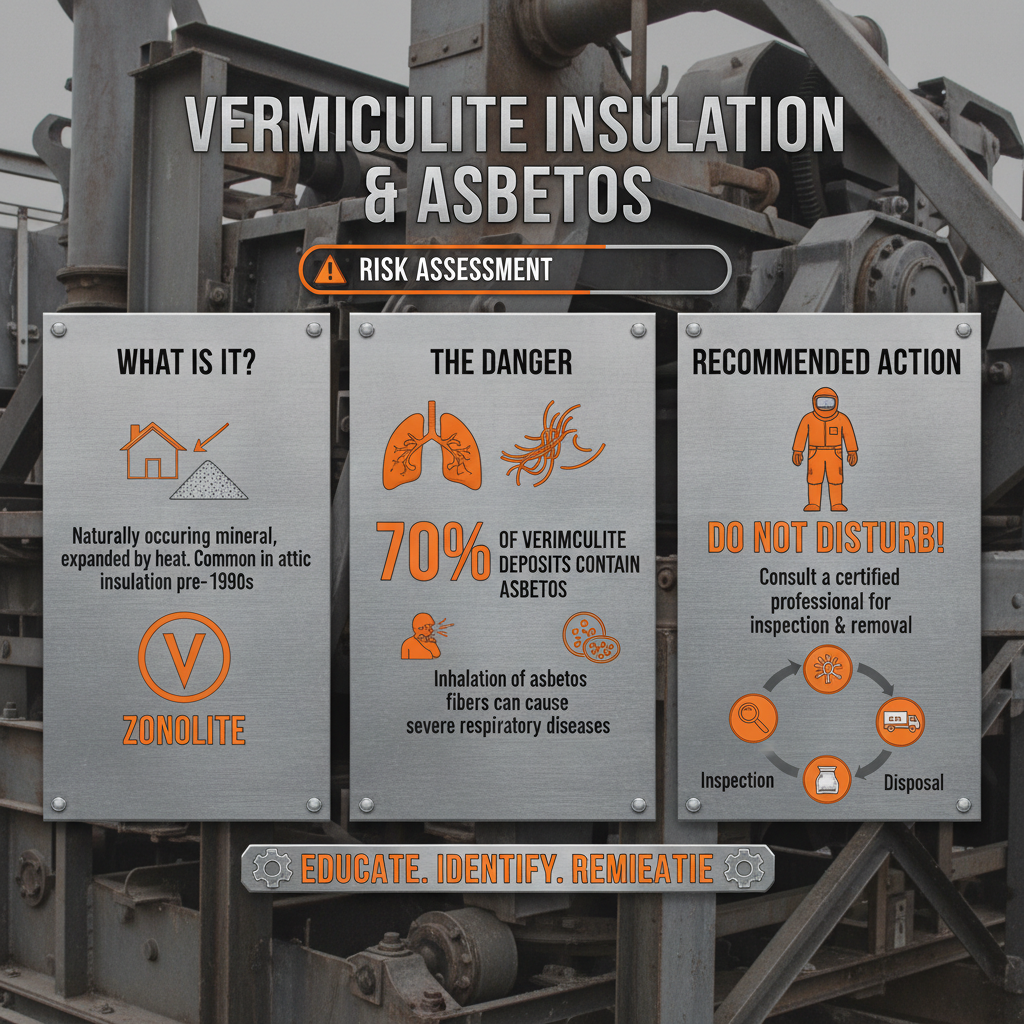
The primary concern with vermiculite insulation asbestos is the inhalation of asbestos fibers. These microscopic fibers, when airborne, can become lodged in the lungs and other tissues, leading to inflammation, scarring, and ultimately, serious diseases. The latency period between asbestos exposure and the development of disease can be decades, making diagnosis and treatment challenging.
The extent of asbestos contamination varies depending on the source and grade of vermiculite. However, any vermiculite insulation originating from the Libby mine should be considered potentially contaminated and handled with extreme caution. Proper testing is essential to determine the asbestos content and assess the risk level before any disturbance or renovation work is undertaken.
Health Risks Associated with vermiculite insulation asbestos
Exposure to vermiculite insulation asbestos poses a significant threat to human health, primarily through the development of asbestos-related diseases. The most prominent of these is mesothelioma, a rare and aggressive cancer that affects the lining of the lungs, abdomen, or heart. Mesothelioma has a poor prognosis, and its development is almost exclusively linked to asbestos exposure.
Other serious health risks include lung cancer, particularly among smokers who have been exposed to asbestos. Asbestosis, a chronic lung disease characterized by scarring and reduced lung function, is another common consequence of asbestos inhalation. These conditions often manifest decades after the initial exposure, making early detection and intervention crucial.
Even relatively low levels of asbestos exposure can increase the risk of developing these diseases, emphasizing the importance of minimizing disturbance to vermiculite insulation and implementing proper safety measures during removal or renovation projects. Individuals who suspect they may have been exposed should consult with a medical professional for monitoring and appropriate health screenings.
Safe Handling and Removal of vermiculite insulation asbestos
Due to the inherent health risks, attempting to remove or disturb vermiculite insulation asbestos yourself is strongly discouraged. Professional asbestos abatement contractors are trained and equipped to handle these materials safely, minimizing the release of asbestos fibers into the air. These contractors follow strict protocols and regulations to protect themselves, building occupants, and the environment.
Prior to any abatement work, thorough testing is crucial to confirm the presence and concentration of asbestos. Once confirmed, the area must be properly contained using plastic sheeting and negative air pressure systems to prevent the spread of fibers. Workers wear specialized protective gear, including respirators, coveralls, and gloves, and follow specific procedures for removing, packaging, and disposing of the contaminated material.
Comparative Costs of vermiculite insulation asbestos Abatement Methods
Global Regulations and Standards for vermiculite insulation asbestos
Regulations concerning vermiculite insulation asbestos vary significantly across the globe. In the United States, the Environmental Protection Agency (EPA) and the Occupational Safety and Health Administration (OSHA) have established comprehensive rules regarding asbestos identification, handling, and removal. These regulations aim to minimize exposure and protect workers and the public.
Other countries, such as Canada and Australia, have similarly strict regulations. However, in some regions, regulations may be less stringent or enforcement may be lacking, leading to continued risks. International organizations, such as the World Health Organization (WHO), advocate for a global ban on asbestos and promote safe management practices where asbestos is still present.
Cost Analysis of vermiculite insulation asbestos Remediation
The cost of vermiculite insulation asbestos remediation can vary widely depending on several factors, including the size of the affected area, the extent of contamination, the chosen abatement method, and local labor rates. Full containment and removal typically represents the most expensive option, while encapsulation or air sealing may offer more cost-effective solutions in certain situations.
Beyond the direct remediation costs, homeowners may also incur expenses for testing, inspections, and potential relocation during the abatement process. It’s crucial to obtain multiple quotes from reputable asbestos abatement contractors and to carefully review the scope of work before making a decision.
Financial assistance programs may be available in some areas to help offset the cost of asbestos remediation, particularly for low-income homeowners. It’s worth exploring these options to alleviate the financial burden associated with this necessary undertaking.
Future Innovations in Asbestos-Free Insulation Alternatives
The ongoing concerns surrounding vermiculite insulation asbestos have spurred innovation in the development of asbestos-free insulation alternatives. These include materials such as cellulose, mineral wool, spray foam, and fiberglass, each offering varying levels of thermal performance, fire resistance, and environmental sustainability.
Researchers are also exploring novel insulation materials derived from renewable resources, such as hemp, straw, and mycelium. These bio-based materials offer promising alternatives to traditional insulation options, reducing reliance on potentially hazardous substances and minimizing environmental impact.
Advancements in insulation technology are focused not only on finding safer materials but also on improving energy efficiency and reducing the overall carbon footprint of buildings. This holistic approach is essential for creating a more sustainable and healthy built environment.
A Comparative Analysis of vermiculite insulation asbestos Remediation Strategies
| Remediation Method |
Cost (USD) |
Effectiveness |
Disruption Level |
| Full Containment & Removal |
$8 - $15/sq ft |
10/10 |
High |
| Encapsulation |
$3 - $7/sq ft |
7/10 |
Low |
| Air Sealing |
$2 - $5/sq ft |
6/10 |
Very Low |
| Partial Containment |
$5 - $10/sq ft |
8/10 |
Medium |
| HEPA Vacuuming (Post-Abatement) |
$1 - $3/sq ft |
4/10 (for residual fibers) |
Low |
| DIY Removal (Not Recommended) |
$0 - $50 (materials) |
1/10 (high risk) |
Variable |
FAQS
If you suspect your home contains vermiculite insulation asbestos, the most important step is to avoid disturbing the material. Do not attempt to remove or sample it yourself. Contact a qualified asbestos testing and inspection company to confirm the presence of asbestos and assess the risk level. They will collect a sample and send it to a certified laboratory for analysis. Based on the results, they can advise you on the appropriate course of action, which may include professional abatement.
Generally, undisturbed vermiculite insulation asbestos poses a relatively low risk. The danger arises when the material is disturbed, releasing asbestos fibers into the air. However, even undisturbed vermiculite can release some fibers over time due to age and degradation. It's advisable to have the material inspected periodically and to take precautions to prevent disturbance, such as avoiding attic renovations or drilling into walls. Encapsulation can also reduce fiber release.
The cost of vermiculite insulation asbestos removal varies significantly depending on the size of the affected area, the accessibility of the insulation, and local labor rates. On average, you can expect to pay between $5 and $15 per square foot for professional abatement. Factors such as the need for containment, air filtration, and proper disposal will also influence the overall cost. Obtaining quotes from multiple contractors is highly recommended.
Some states and local municipalities offer financial assistance programs to help homeowners cover the cost of asbestos removal. These programs may include grants, low-interest loans, or tax credits. The availability and eligibility criteria vary widely, so it's essential to research the programs in your area. Organizations like the EPA and state environmental agencies can provide information on available resources.
Symptoms of asbestos-related diseases often don’t appear for decades after exposure. Mesothelioma symptoms include shortness of breath, chest pain, and abdominal swelling. Lung cancer symptoms are similar to those of other lung cancers. Asbestosis causes shortness of breath, coughing, and fatigue. If you suspect you have been exposed to asbestos and are experiencing these symptoms, consult a doctor immediately for proper diagnosis and treatment.
Encapsulation, which involves sealing the vermiculite insulation with a specialized coating, can be a viable alternative to full removal in certain cases. It’s generally more cost-effective and less disruptive than abatement. However, encapsulation is only suitable if the material is in good condition and not significantly disturbed. It's crucial to have a professional assess the situation and determine if encapsulation is an appropriate solution. Regular inspections are also necessary to ensure the coating remains intact.
Conclusion
Vermiculite insulation asbestos represents a legacy environmental and public health challenge. Understanding the history of its use, the associated health risks, and the available remediation options is paramount for protecting individuals and communities. While the Libby mine has been closed, the widespread presence of contaminated vermiculite in buildings worldwide necessitates ongoing vigilance, testing, and safe management practices.
Looking ahead, continued research into asbestos-free insulation alternatives, coupled with stricter regulations and increased public awareness, is crucial for minimizing future exposure. By proactively addressing this issue, we can create a healthier and more sustainable built environment. For expert advice and comprehensive services related to vermiculite insulation asbestos, visit our website: www.xingtailuxi.com.