Vermiculite for soil is a naturally occurring mineral that’s rapidly gaining prominence in modern agriculture and horticulture. Its unique properties – including excellent water retention, aeration, and insulating capabilities – make it a versatile amendment for a wide range of growing applications. Understanding its benefits is crucial for anyone seeking to improve soil health, boost plant growth, and promote sustainable gardening practices.
Globally, the demand for sustainable agricultural solutions is increasing, driven by concerns about climate change, food security, and resource depletion. Vermiculite for soil offers an eco-friendly alternative to traditional soil amendments, reducing the need for chemical fertilizers and improving water use efficiency. Its lightweight nature also makes it cost-effective for transportation, especially in remote areas.
From large-scale commercial farming to small home gardens, vermiculite for soil is proving to be an invaluable resource. As awareness of its benefits grows, so too does the need for accessible information about its proper use and potential applications. This article provides a comprehensive overview of this remarkable mineral and its role in fostering healthy, thriving plants.
Introduction to vermiculite for soil
Vermiculite for soil is a hydrated magnesium aluminum iron silicate mineral, commonly expanded through a high-temperature heating process. This expansion creates a lightweight, porous material with remarkable properties beneficial to plant growth. Its ability to improve aeration and drainage, while simultaneously retaining moisture and essential nutrients, makes it a standout soil amendment.
The expanded vermiculite used in horticulture is a sustainable resource, mined from naturally occurring deposits worldwide. Its inert nature ensures it won’t decompose or release harmful substances into the soil, making it a safe and environmentally responsible choice for gardeners and farmers alike. This mineral truly represents a harmony between natural resource and effective agricultural enhancement.
Global Relevance and Applications
The global agricultural sector faces increasing pressure to produce more food with fewer resources. Water scarcity, soil degradation, and the need to reduce reliance on chemical fertilizers are driving the demand for innovative and sustainable solutions. Vermiculite for soil is proving to be a key component in addressing these challenges, particularly in regions experiencing arid or semi-arid climates.
According to the Food and Agriculture Organization (FAO) of the United Nations, improving soil health is paramount to achieving global food security. Vermiculite’s ability to enhance soil structure, water-holding capacity, and nutrient availability directly contributes to increased crop yields and reduced water consumption. Its use is spreading across continents, from commercial nurseries in North America and Europe to smallholder farms in Africa and Asia.
Furthermore, the ISO 14000 family of standards promotes environmental management systems, and the use of naturally sourced, sustainable products like vermiculite aligns perfectly with these principles. The ongoing search for eco-friendly alternatives in agriculture ensures that the relevance of vermiculite for soil will only continue to grow in the years to come.
Defining vermiculite for soil
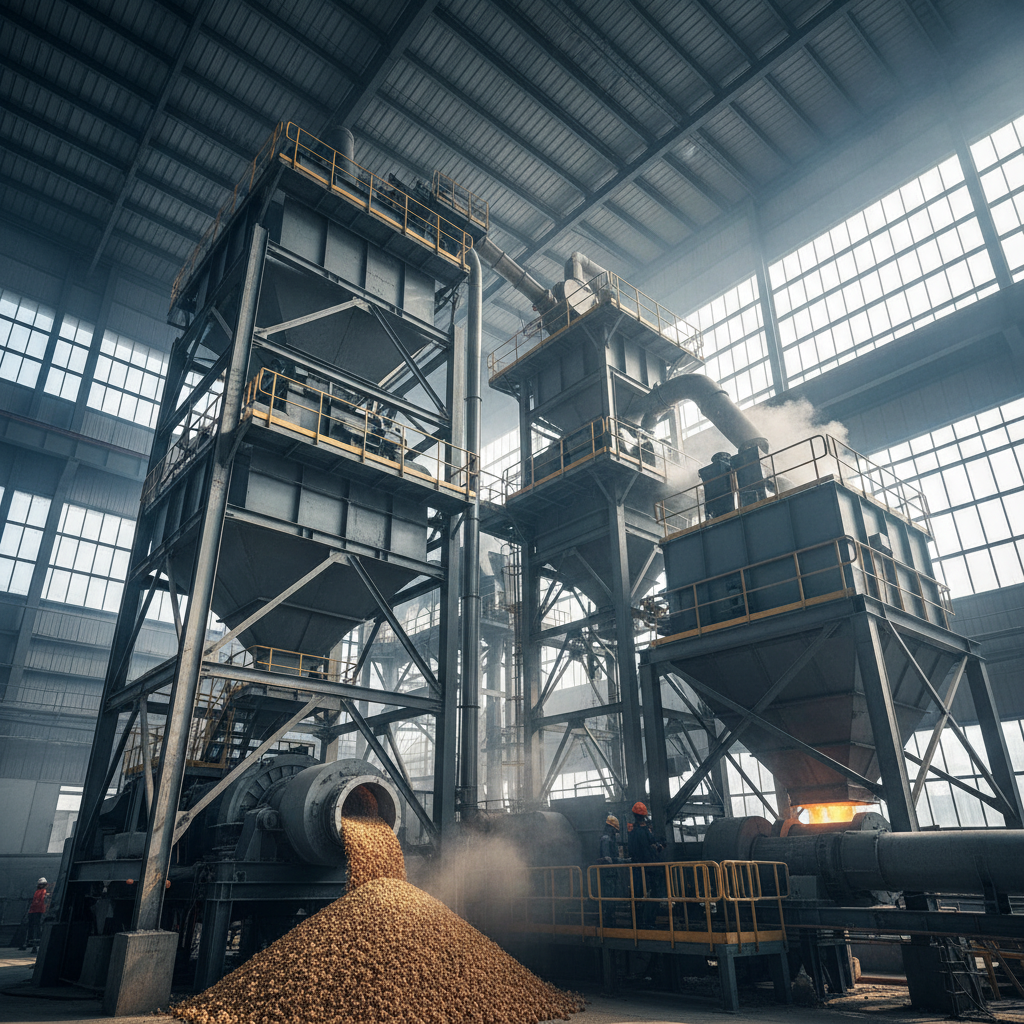
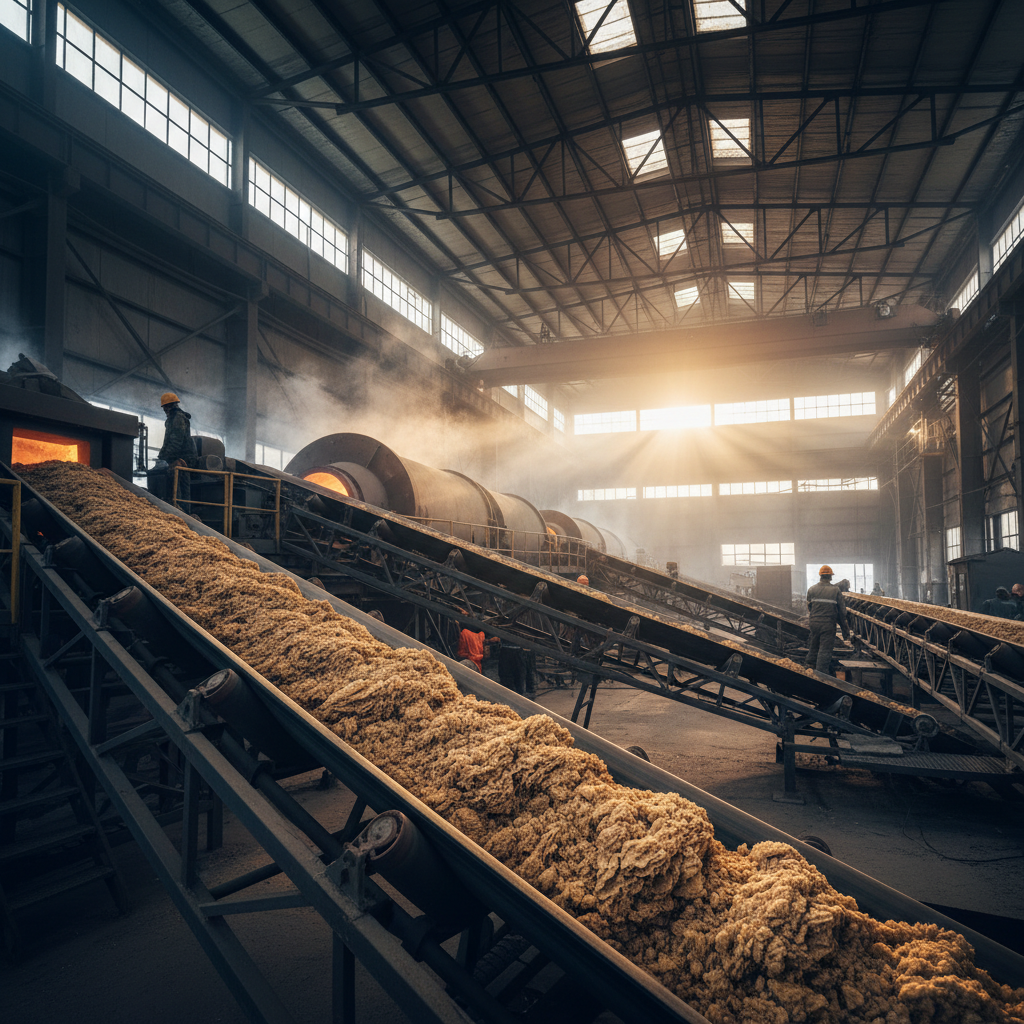
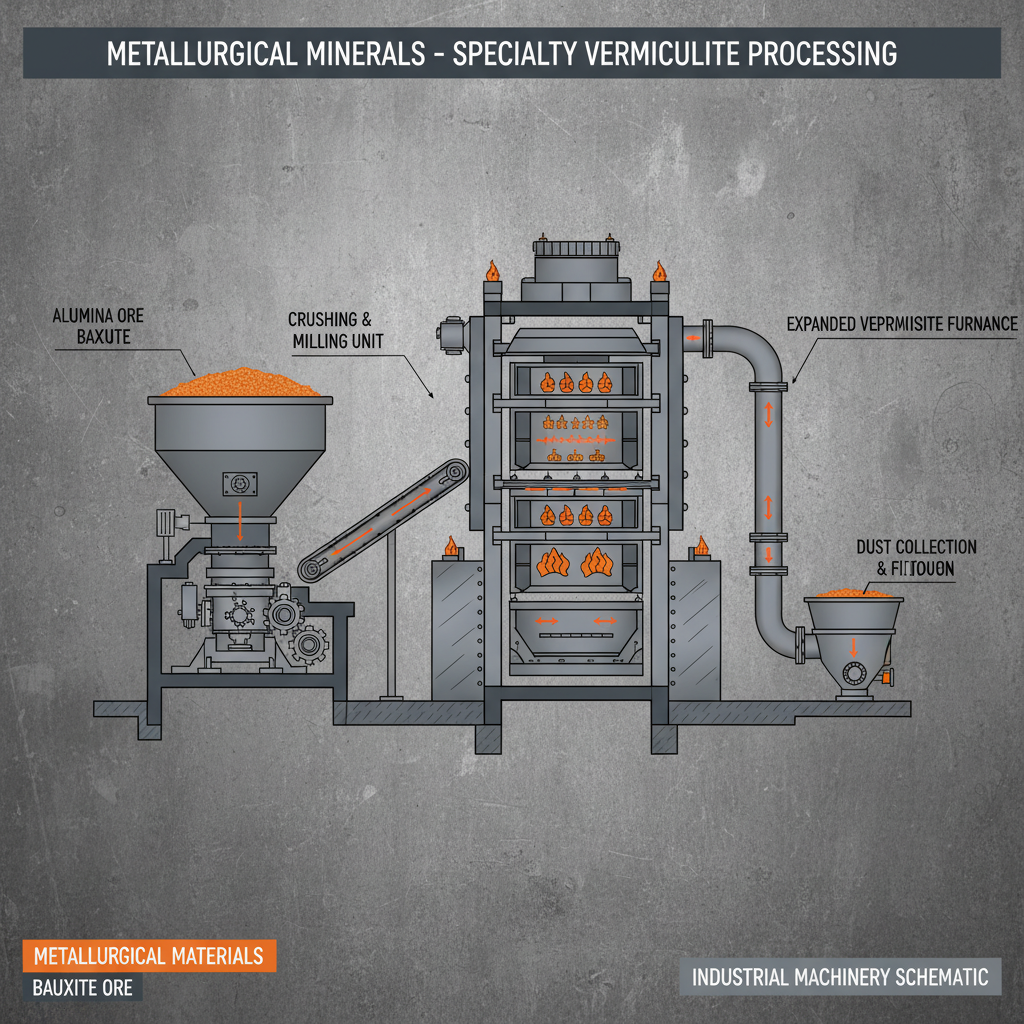
Vermiculite for soil, in its simplest form, is an expanded mineral used to amend and improve soil conditions. It’s derived from the mineral vermiculite, which is a hydrous magnesium aluminum iron silicate. The raw mineral is heated to extremely high temperatures, causing it to expand like popcorn—increasing its surface area and creating a lightweight, porous material.
This expanded form is what’s commonly referred to as horticultural vermiculite. Its unique structure allows it to hold several times its weight in water, while also providing excellent aeration to the root zone. This duality is crucial for healthy plant growth, as roots need both moisture and oxygen to thrive. Essentially, it's a soil conditioner designed to improve physical and chemical properties.
Its connection to modern industry lies in its role as a sustainable alternative to peat moss and other less environmentally friendly soil amendments. Humanitarian needs are addressed through its use in disaster relief efforts and in arid regions where water conservation is critical for food production. vermiculite for soil is making a substantial impact on global sustainability initiatives.
Key Properties of vermiculite for soil
Several key properties contribute to the effectiveness of vermiculite for soil. Firstly, its exceptional water retention capacity allows it to store moisture, making it readily available to plant roots. Secondly, the porous structure promotes excellent aeration, preventing soil compaction and ensuring adequate oxygen supply.
Thirdly, vermiculite is chemically inert, meaning it won’t alter the soil pH or introduce harmful substances. Fourthly, it possesses a high cation exchange capacity (CEC), enabling it to hold onto essential nutrients like potassium, calcium, and magnesium, preventing them from leaching away. These features, collectively, make vermiculite an ideal component for any growing medium.
Comparative Benefits of vermiculite for soil Methods
Real-World Applications
The versatility of vermiculite for soil allows for applications in diverse settings. In commercial horticulture, it’s frequently used in seed starting mixes, providing a sterile and well-draining medium for germination. In greenhouses, it improves temperature regulation and water management, creating optimal growing conditions.
In agriculture, vermiculite is incorporated into potting soils and garden beds to enhance soil structure and fertility. It’s particularly beneficial for crops that require consistent moisture and good drainage, such as tomatoes, peppers, and blueberries. It is also being utilized in hydroponic systems as a soilless growing medium, offering excellent aeration and water retention.
Advantages and Long-Term Value
The advantages of using vermiculite for soil extend beyond improved plant growth. Its lightweight nature reduces transportation costs, and its inert composition minimizes the risk of soil contamination. From a sustainability perspective, it’s a renewable resource that helps conserve water and reduce reliance on chemical fertilizers.
Long-term, investing in vermiculite for soil translates to increased crop yields, reduced water bills, and a healthier environment. It empowers gardeners and farmers to cultivate thriving plants while minimizing their ecological footprint. This provides a sense of responsibility, a secure food source, and a positive contribution to a more sustainable future.
Future Trends and Innovations
Research is ongoing to explore new applications for vermiculite for soil, including its use in bioremediation – the process of using living organisms to clean up contaminated environments. Scientists are investigating its potential to absorb heavy metals and pollutants from soil, offering a sustainable solution to environmental challenges.
Furthermore, advancements in vermiculite processing techniques are leading to improved product quality and enhanced performance. The integration of digital technologies, such as precision agriculture and sensor-based irrigation systems, will further optimize the use of vermiculite, maximizing its benefits for plant growth and resource conservation.
The trend towards urban farming and vertical agriculture is also driving demand for lightweight and efficient growing media like vermiculite. As populations continue to grow and land resources become increasingly scarce, the role of innovative solutions like vermiculite for soil will become even more critical.
FAQS
Unlike peat moss which decomposes over time, vermiculite for soil remains inert, continuing to provide aeration, water retention, and nutrient holding capacity for years. It’s also a more sustainable choice as it doesn't contribute to the destruction of peat bogs, vital carbon sinks. The ongoing structural benefits translate to healthier plants and reduced soil compaction over the long term, and the reduction in need for fertilizers further protects the environment and saves money.
Generally, yes! Vermiculite for soil benefits almost all plant types. However, plants that prefer very dry conditions, like certain succulents and cacti, might not need the added moisture retention. It’s particularly excellent for plants that require consistent moisture, such as vegetables, fruits, and flowering plants. Adjusting the ratio of vermiculite to other soil components allows customization for a wide range of plant needs.
Absolutely! You can amend existing garden beds by mixing vermiculite for soil into the top 6-12 inches of soil. A general guideline is to incorporate around 25-50% vermiculite by volume, depending on the existing soil type. This will improve drainage, aeration, and water-holding capacity, creating a healthier environment for your plants.
Yes, vermiculite for soil is considered environmentally friendly. It’s a naturally occurring mineral, and the expansion process doesn't involve harmful chemicals. It’s a sustainable alternative to peat moss, helps conserve water by reducing evaporation, and reduces the need for synthetic fertilizers, minimizing nutrient runoff and pollution. It's a great choice for eco-conscious gardeners.
Both vermiculite for soil and perlite improve aeration and drainage, but they differ in water retention. Vermiculite holds significantly more water than perlite, making it ideal for plants that need consistent moisture. Perlite is better suited for plants that prefer drier conditions. Often, a blend of both vermiculite and perlite provides the best overall balance for many plants.
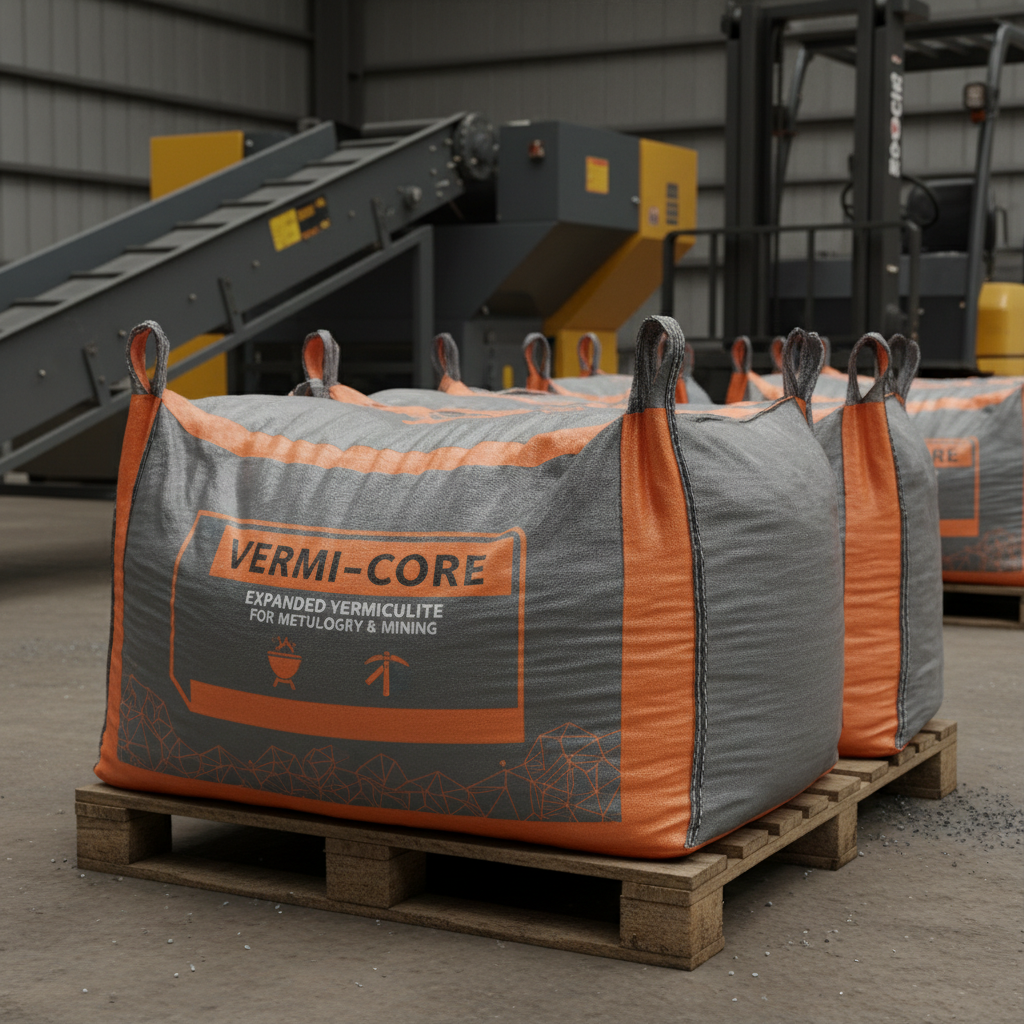
High-quality vermiculite for soil is available at most garden centers, nurseries, and online retailers. When purchasing, look for horticultural grade vermiculite that's been processed for optimal water retention and aeration. Ensure the packaging indicates it's specifically for gardening or horticultural use and consider checking reviews from other gardeners for product reliability. vermiculite for soil is a reputable source for purchasing high-quality vermiculite.
Conclusion
In conclusion, vermiculite for soil represents a significant advancement in sustainable horticulture and agriculture. Its unique combination of properties – exceptional water retention, excellent aeration, inertness, and high CEC – makes it an invaluable soil amendment for a wide range of applications. From enhancing seed germination to improving crop yields and promoting environmental sustainability, the benefits of vermiculite are far-reaching and impactful.
As we move towards a future prioritizing resource conservation and ecological responsibility, the demand for innovative solutions like vermiculite for soil will only continue to grow. By embracing this versatile mineral, gardeners, farmers, and environmental stewards can cultivate thriving plants while contributing to a healthier and more sustainable planet. Visit our website at www.xingtailuxi.com to learn more about how vermiculite can benefit your growing needs.