Large bags of vermiculite are increasingly vital in a world facing growing demands for sustainable building materials, efficient agricultural solutions, and effective disaster relief provisions. This versatile mineral product, often shipped and stored in substantial quantities, offers a unique combination of properties – excellent insulation, water retention, and lightweight nature – that makes it indispensable across diverse sectors. Understanding its applications, benefits, and future potential is crucial for professionals and organizations striving for innovative and resilient solutions.
The global market for vermiculite is experiencing steady growth, driven by increasing awareness of its ecological advantages and expanding applications in horticulture, construction, and industrial processes. Regulations promoting energy efficiency and green building practices are further fueling demand for large bags of vermiculite as a key component in insulation materials. Furthermore, the escalating frequency of natural disasters emphasizes the necessity of readily available, lightweight materials for emergency shelter and soil remediation – areas where large volume packaging of vermiculite proves exceptionally practical.
Investing in knowledge surrounding large bags of vermiculite allows for optimized resource allocation, improved project outcomes, and a proactive approach to addressing global challenges. From enhancing crop yields to mitigating the impacts of climate change, the opportunities presented by this readily available mineral are substantial. This guide aims to provide a comprehensive overview of this material, its diverse applications, and its significance in a rapidly evolving world.
Introduction to Large Bags of Vermiculite
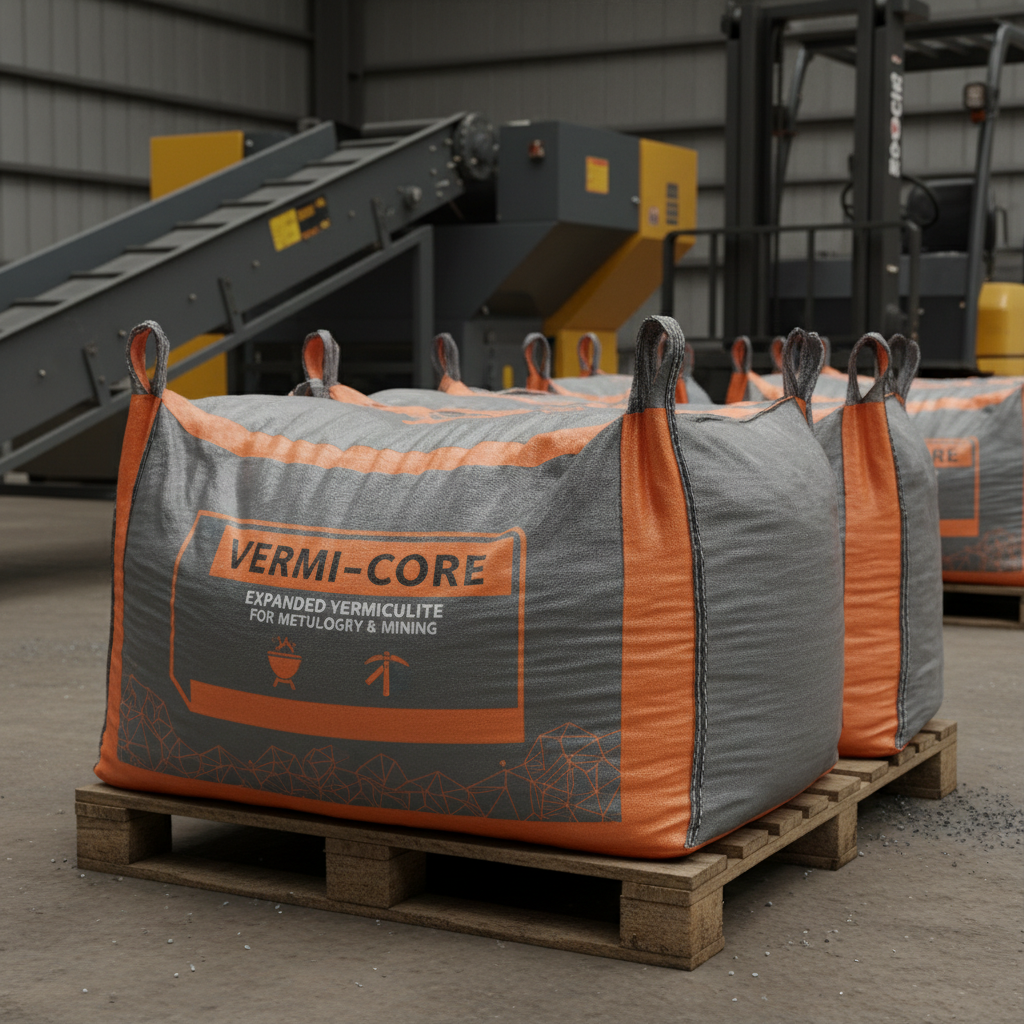
Large bags of vermiculite represent a convenient and cost-effective method for transporting and storing this versatile mineral. These bags, typically ranging from 500kg to 1000kg in capacity, are designed for ease of handling with forklifts or other mechanical equipment. The bulk packaging minimizes handling costs and allows for efficient distribution to construction sites, agricultural facilities, and other end-users.
The use of large bags ensures product integrity during transit and storage, protecting the vermiculite from moisture and contamination. This is particularly important for maintaining the material’s insulating and absorbent properties. Proper packaging and handling are critical to maximizing the lifecycle and effectiveness of large bags of vermiculite, making it a sustainable and reliable resource.
Global Relevance and Market Trends
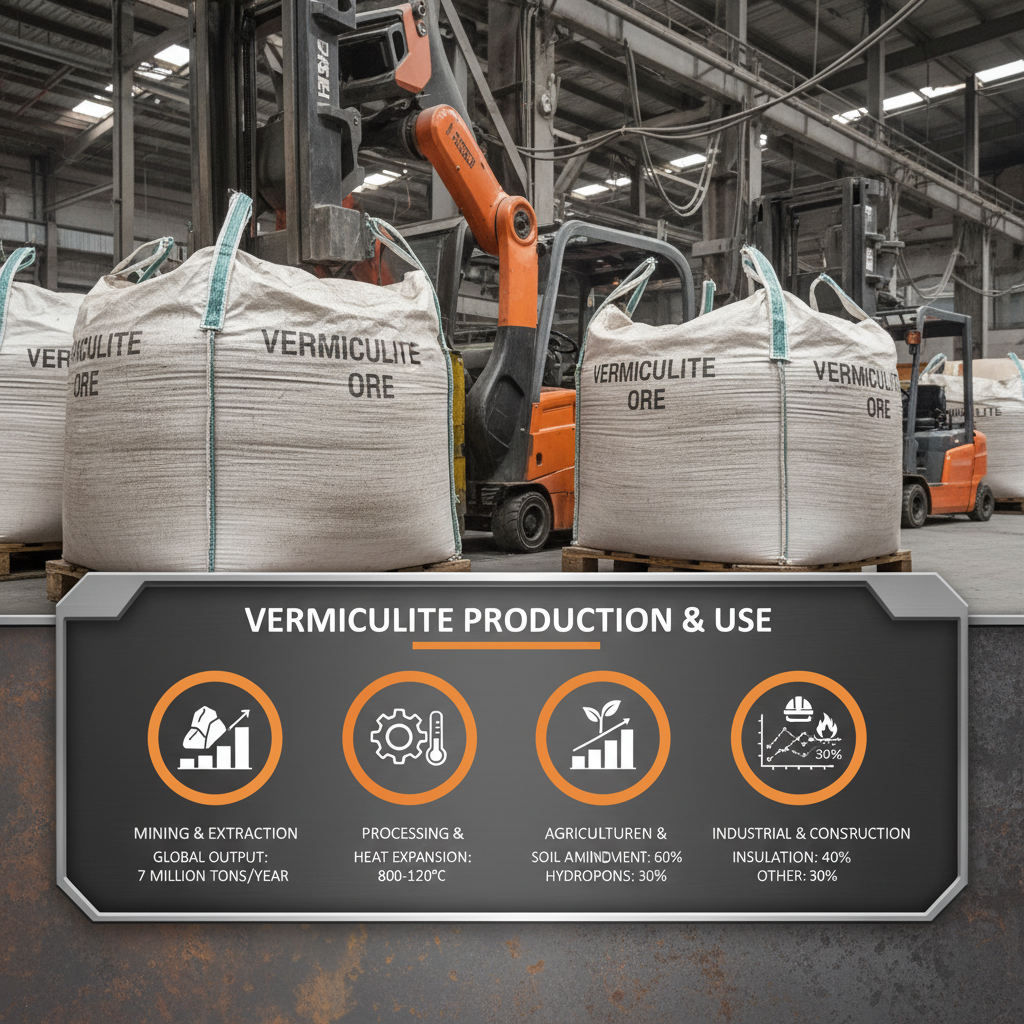
The global vermiculite market, often shipped in large bags of vermiculite for efficient distribution, is experiencing significant growth. According to industry reports, the market was valued at approximately USD 400 million in 2023 and is projected to reach USD 550 million by 2030, registering a CAGR of 4.5% during the forecast period. Major producing countries include China, South Africa, Russia, and the United States.
Increasing demand from the construction sector, driven by the need for energy-efficient building materials, is a key driver of this growth. The growing adoption of vermiculite in horticulture for soil amendment and hydroponics is another significant factor. Furthermore, the use of vermiculite in fireproofing materials and industrial applications contributes to the overall market expansion.
The UN Sustainable Development Goals, particularly those related to sustainable cities and communities (SDG 11) and responsible consumption and production (SDG 12), are indirectly supporting the demand for sustainable materials like vermiculite. As governments and organizations prioritize environmentally friendly solutions, the role of large bags of vermiculite in providing a versatile and sustainable resource will continue to increase.
Defining Large Bags of Vermiculite
Large bags of vermiculite refer to bulk packaging solutions used for the transportation and storage of expanded vermiculite, a hydrated magnesium aluminum iron silicate mineral. These bags are typically woven polypropylene, often with a polyethylene inner liner to provide moisture protection. The size and capacity of these bags vary, but commonly range from 500kg (1100 lbs) to 1000kg (2200 lbs).
The connection to modern industry is strong. The large scale packaging optimizes logistics for a material used in a wide array of sectors. Consider construction, where large bags of vermiculite allow for efficient delivery of insulation to building sites. Similarly, in agriculture, large volumes of vermiculite are needed for soil conditioning across farms and horticultural operations. This bulk handling is a critical component of supply chains.
The demand for large bags of vermiculite directly responds to the growing need for sustainable and efficient material handling. They facilitate the distribution of a valuable resource to areas requiring improved building practices, agricultural yields, and disaster preparedness measures. This packaging method ensures that a crucial ingredient for a more sustainable future is readily accessible.
Key Properties of Vermiculite
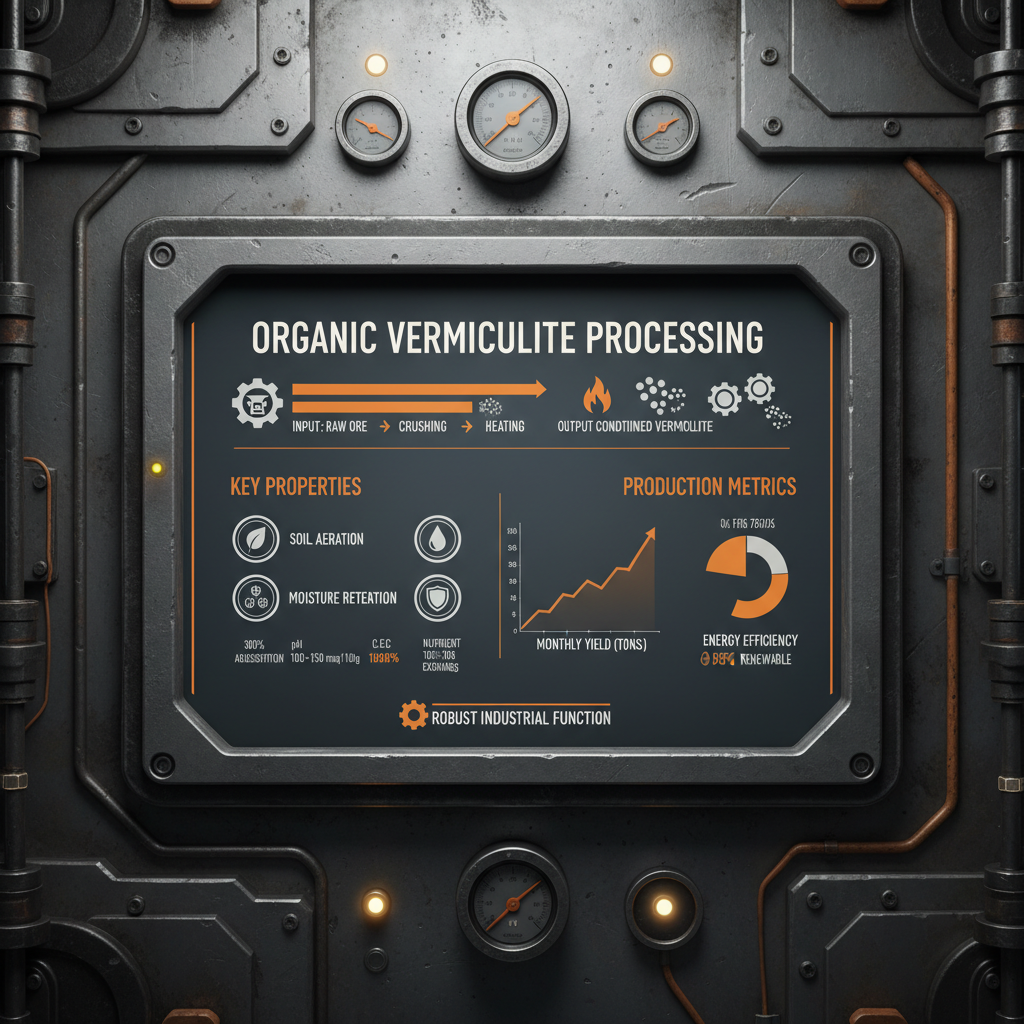
Several key properties make vermiculite, particularly when supplied in large bags of vermiculite, a highly desirable material. First, its excellent insulation capabilities are crucial for energy efficiency in buildings. Second, its high water retention capacity makes it invaluable for horticultural applications.
Vermiculite Property Ratings
Applications Across Industries
Large bags of vermiculite find application in numerous industries. The construction sector utilizes vermiculite in loose-fill insulation, vermiculite concrete, and fireproofing boards. The horticultural industry relies on vermiculite as a soil amendment to improve aeration, water retention, and nutrient availability.
Beyond these core applications, vermiculite is also used in industrial processes such as foundry castings, brake linings, and as a carrier for pesticides and fertilizers. In post-disaster relief operations, large bags of vermiculite are invaluable for soil remediation, absorbing oil spills, and providing temporary shelter insulation. In remote industrial zones, it serves as a cost-effective and readily available resource for diverse applications.
Advantages and Long-Term Value
The benefits of using large bags of vermiculite are multifaceted. From a cost perspective, vermiculite is a relatively inexpensive material compared to many alternatives, especially when purchased in bulk. Its sustainability profile is strong, as it is a naturally occurring mineral and requires minimal processing.
The long-term value stems from its durability and effectiveness. Vermiculite insulation can last for decades, reducing energy costs and improving building comfort. The use of vermiculite in agriculture enhances soil health and increases crop yields, contributing to food security. The emotional benefit is peace of mind—knowing your building is well insulated, your garden is thriving, or you have a reliable resource in an emergency.
Reliability is a key advantage. Vermiculite is a stable material that does not degrade over time, ensuring consistent performance. The trust built through consistent quality and performance enhances its reputation as a valuable resource for a wide range of applications.
Future Innovations and Challenges
Future trends in vermiculite utilization point towards increased focus on green building practices and sustainable agriculture. Innovations in processing techniques may lead to enhanced vermiculite properties and new applications. The integration of vermiculite with digital monitoring systems in agricultural settings could optimize water and nutrient delivery, maximizing crop yields.
Challenges include ensuring the responsible sourcing of vermiculite, addressing potential environmental concerns related to mining operations, and competing with alternative materials. Research into new applications, such as energy storage and carbon sequestration, could unlock further potential for large bags of vermiculite.
Analysis of Large Bag of Vermiculite Supply Chain Dynamics
| Supply Chain Stage |
Key Risk Factors |
Mitigation Strategies |
Overall Efficiency Score (1-10) |
| Mining & Extraction |
Geopolitical instability, environmental regulations |
Diversification of sourcing, adherence to environmental standards |
7 |
| Processing & Expansion |
Energy costs, equipment maintenance |
Energy efficiency investments, proactive maintenance schedules |
8 |
| Packaging (Large Bags) |
Bag quality control, raw material price fluctuations |
Rigorous quality testing, long-term contracts with suppliers |
9 |
| Transportation & Logistics |
Shipping costs, port congestion, fuel prices |
Strategic route planning, optimized container utilization |
6 |
| Warehousing & Distribution |
Storage capacity, inventory management |
Optimized warehouse layout, just-in-time inventory systems |
7 |
| Customer Delivery |
Delivery delays, damage during transit |
Reliable transportation partners, secure packaging |
8 |
FAQS
Large bags of vermiculite offer significant cost savings due to reduced packaging material and lower handling labor. They also streamline logistics, allowing for more efficient transport and storage of bulk quantities. This is particularly beneficial for large-scale construction projects or agricultural operations requiring substantial amounts of the material. Additionally, reduced packaging contributes to a lower environmental impact.
While vermiculite is generally considered a safe material, dust inhalation should be avoided. Wear a dust mask when handling large bags of vermiculite, especially when pouring or breaking the bags. Ensure proper ventilation in the work area. Use appropriate lifting equipment, such as forklifts, to avoid manual handling injuries. Check the bags for any damage before lifting to prevent spillage.
Store large bags of vermiculite in a dry, well-ventilated area, protected from direct sunlight and moisture. Stack bags securely to prevent damage or collapse. Avoid storing them near sources of heat or flammable materials. Following these guidelines will ensure that the vermiculite retains its insulating and absorbent properties, maximizing its effectiveness.
Vermiculite itself has a virtually unlimited shelf life as it is an inert mineral. However, the integrity of the packaging (the large bags) is crucial. If stored properly, in dry conditions and protected from physical damage, large bags of vermiculite can remain usable for several years without significant degradation of the material’s properties. Regularly inspect the bags for any signs of damage.
Yes, vermiculite is considered an environmentally friendly material. It's a naturally occurring mineral and is non-toxic. Large bag packaging, while polypropylene, is increasingly being explored for recycled content or reusable options. Vermiculite itself contributes to sustainability by enhancing energy efficiency in buildings and improving soil health in agriculture, reducing the need for chemical fertilizers.
You can purchase high-quality large bags of vermiculite from specialized mineral suppliers, construction material distributors, and agricultural supply companies. Look for reputable vendors that provide quality certifications and have a proven track record of reliable service. For competitive pricing and bulk orders, consider contacting us at large bags of vermiculite.
Conclusion
In conclusion, large bags of vermiculite represent a versatile, cost-effective, and sustainable solution for a wide range of applications, from construction and horticulture to disaster relief and industrial processes. Its unique properties, coupled with efficient bulk packaging, make it an invaluable resource for professionals and organizations seeking innovative and resilient solutions. The increasing demand for environmentally friendly materials and the growing focus on sustainable practices will further drive the adoption of large bags of vermiculite in the years to come.
Looking ahead, continued research and development into new applications, coupled with responsible sourcing and efficient supply chain management, will unlock even greater potential for this remarkable mineral. Investing in knowledge and embracing innovative solutions utilizing large bags of vermiculite is crucial for building a more sustainable and resilient future. Visit our website at www.xingtailuxi.com to learn more.