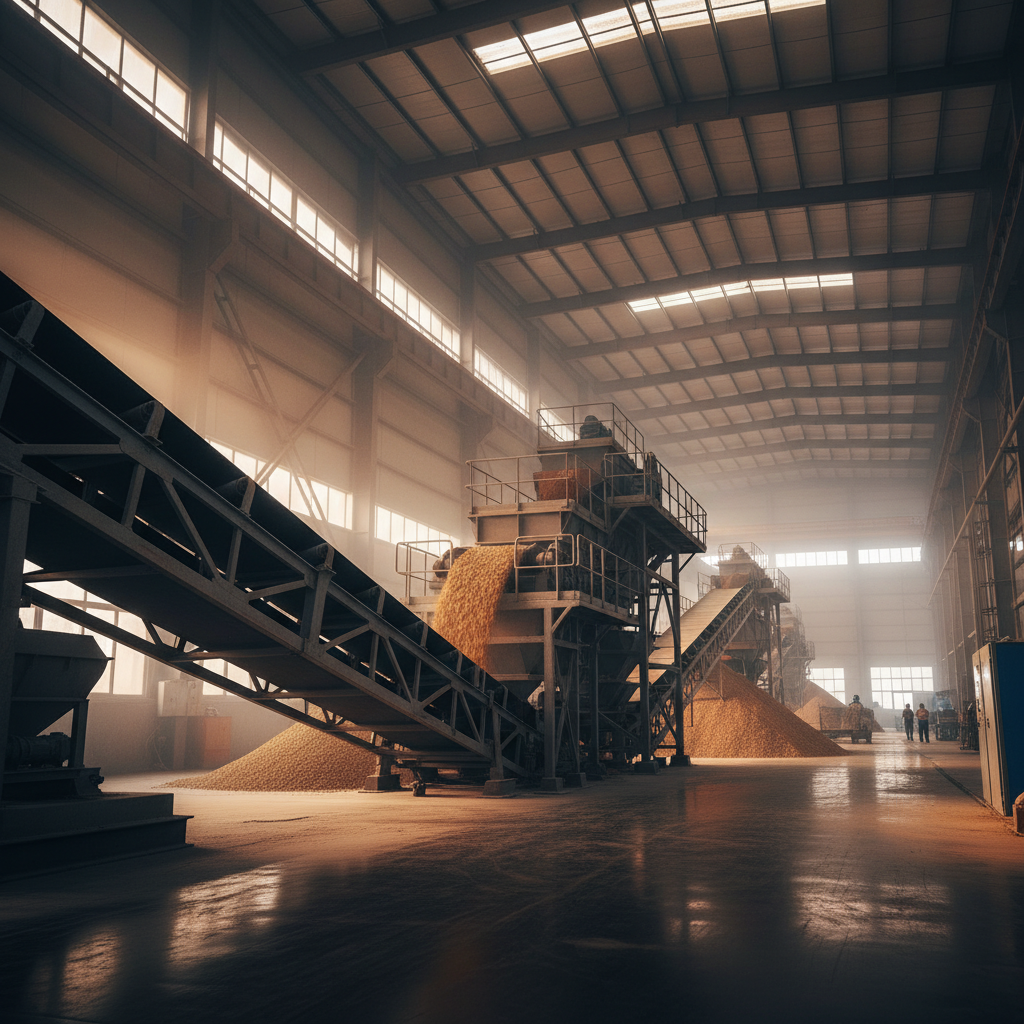
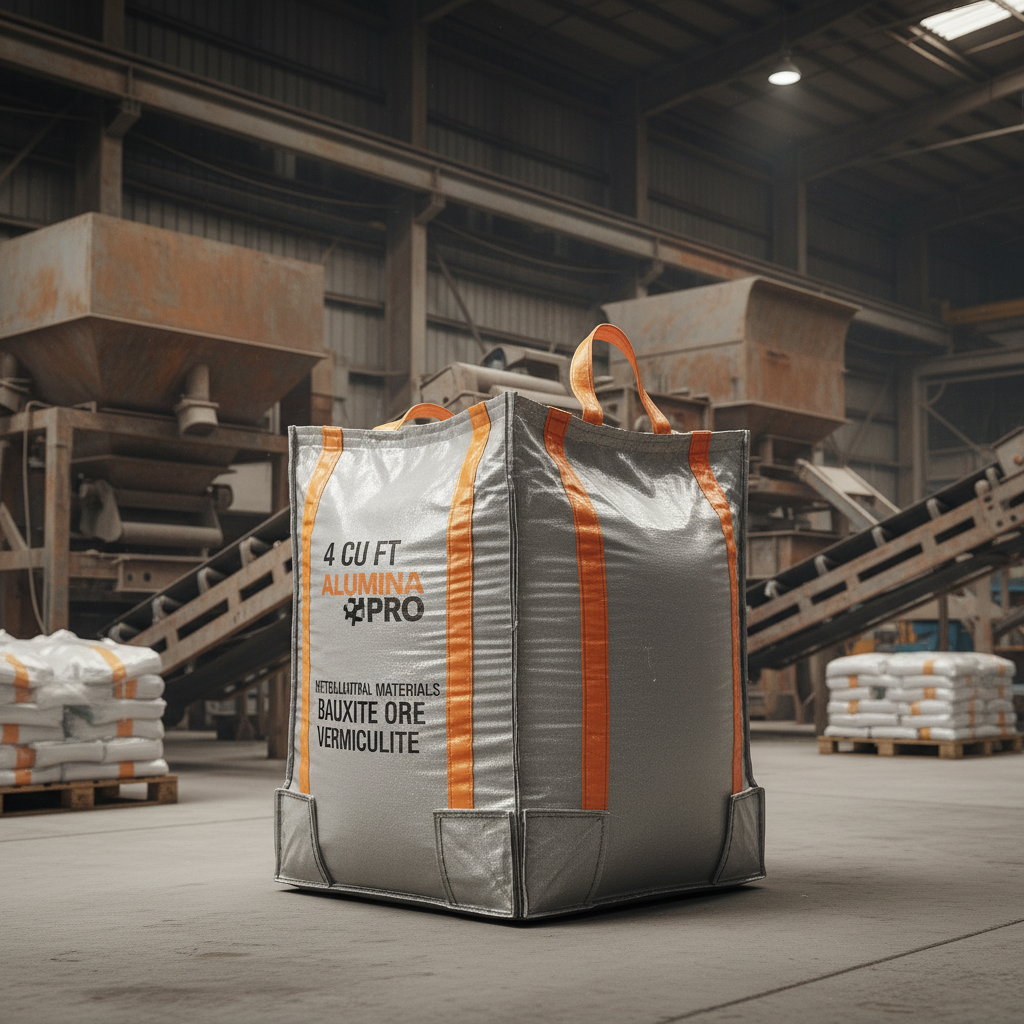
Look, I've spent the last fifteen years walking construction sites, getting my hands dirty, and talking to the folks actually building things. And let me tell you, there's a quiet revolution happening with vermiculite and concrete. It’s not some flashy new tech, but a smart, practical combination that’s changing how we think about building – lighter weight, better insulation, and frankly, just easier to work with. We're seeing it pop up everywhere, from residential builds to large-scale industrial projects, because it solves real problems on the ground.
For too long, construction has been stuck in its ways. Heavy materials, complicated pours, constant issues with thermal performance... it’s a headache. Vermiculite mixed into concrete offers a way out. It’s about doing more with less, improving efficiency, and building structures that are more durable and sustainable. I’ve seen crews save significant time and money just by switching over.
The key isn’t just what it is, but how it addresses the daily challenges we face on site. It’s about finding solutions that make the job easier for the guys and gals doing the actual work, and ultimately, delivering a better product for the client. That's where the real value of vermiculite and concrete lies.
The Role of vermiculite and concrete in Modern Construction
The construction industry is constantly searching for materials that balance performance, cost, and sustainability. Vermiculite, when incorporated into concrete mixes, offers a unique solution. It’s not about replacing traditional concrete, it's about enhancing it. We're seeing a shift towards lighter-weight concrete for structural applications, and vermiculite plays a huge role in achieving that. It allows us to reduce dead loads, which is critical for everything from high-rise buildings to precast elements.
I’ve worked on projects where using vermiculite concrete meant we could reduce foundation costs, simplify transportation logistics, and speed up the overall construction timeline. Those savings add up quickly, and that’s what owners and contractors care about. It's a practical approach to address the increasing demands of modern building design and infrastructure development.
Understanding the Composition and Properties of vermiculite and concrete
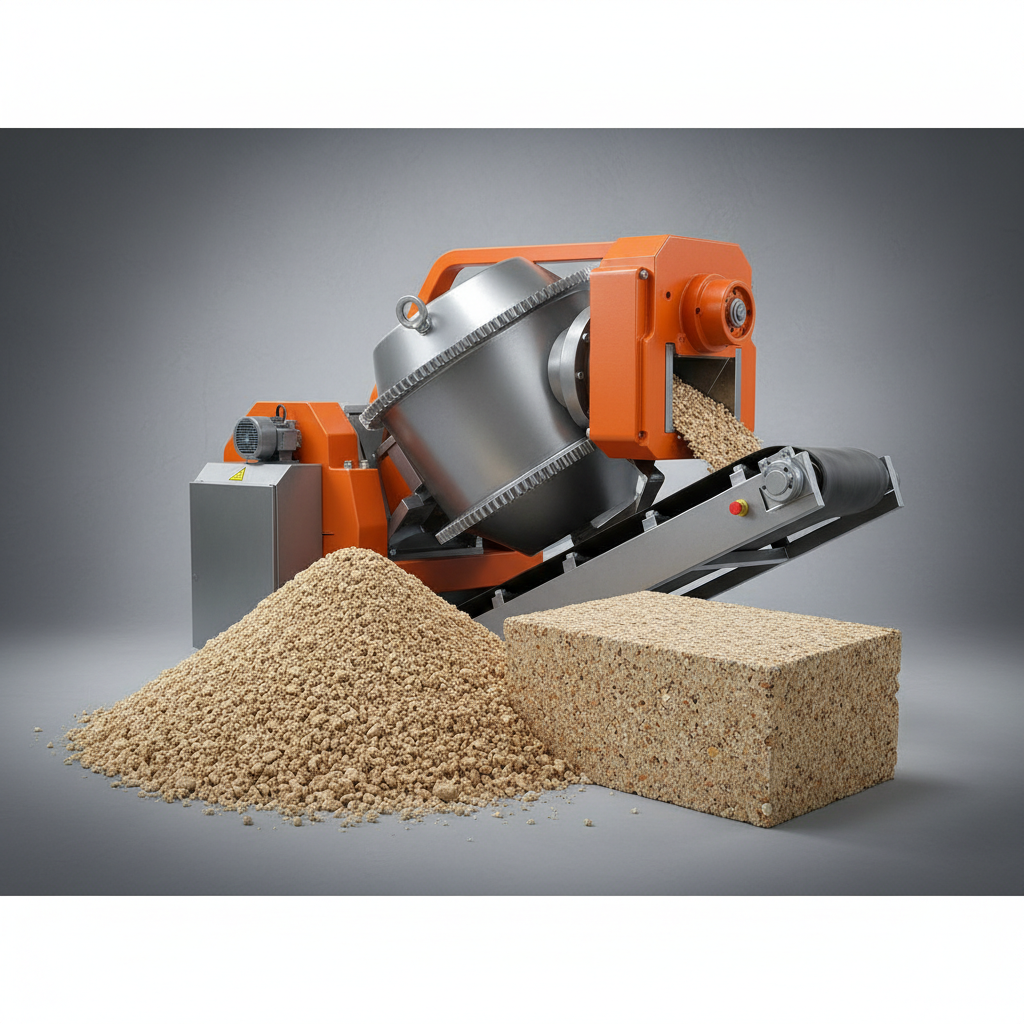
Let’s break it down. Concrete is essentially a composite material – cement, aggregates, water, and often admixtures. Vermiculite is a naturally occurring mineral that expands when heated, creating a lightweight, porous material. When you add vermiculite to the concrete mix, you're essentially introducing millions of tiny air pockets. This significantly reduces the density of the concrete while improving its thermal insulation properties.
What this means on site is a material that's easier to handle, cut, and shape. It also has better resistance to cracking and shrinkage, which minimizes the need for repairs down the line. Plus, that increased porosity leads to better sound absorption, making it ideal for applications where noise reduction is important.
The key is getting the right mix design. Too much vermiculite and you weaken the concrete. Too little and you don’t get the benefits. It’s a balancing act, and experienced concrete technicians understand how to optimize the mix for specific project requirements.
Key Benefits: Why Choose vermiculite and concrete?
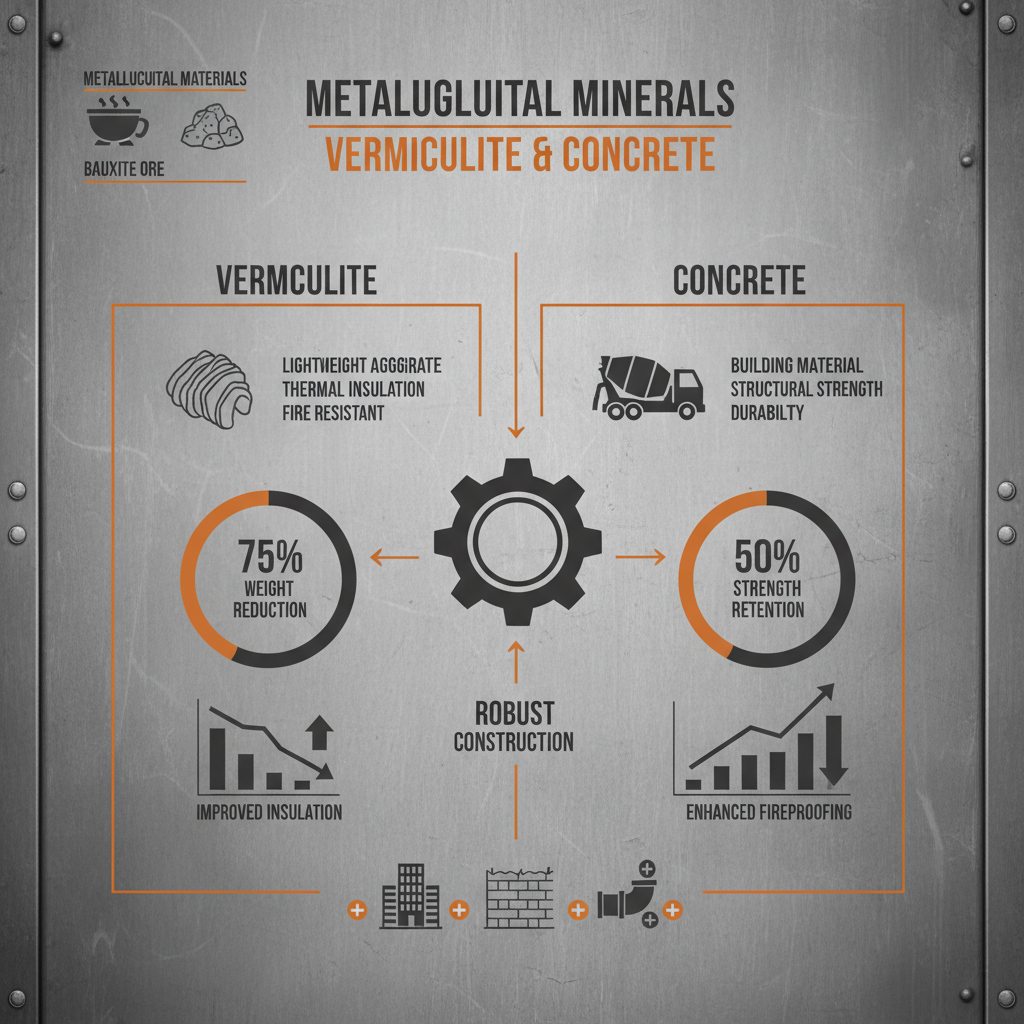
The benefits of using vermiculite and concrete are numerous. First and foremost, it's about weight reduction. This translates to lower transportation costs, reduced structural loads, and easier handling on site. It's a game-changer, especially for projects in challenging locations or with limited access.
Beyond weight, the thermal insulation properties are a major draw. Vermiculite concrete significantly reduces heat transfer, lowering energy consumption and reducing heating and cooling costs. This makes it an attractive option for sustainable building projects aiming for higher energy efficiency ratings.
And let’s not forget fire resistance. Vermiculite is naturally fireproof, and incorporating it into concrete enhances its ability to withstand high temperatures, providing an added layer of safety. It’s a critical consideration for many commercial and industrial applications.
Performance Characteristics of vermiculite and concrete in Different Applications
The performance of vermiculite concrete varies depending on the application. For example, in precast concrete elements, the reduced weight allows for larger spans and simpler installation. In floor slabs, the improved thermal and acoustic insulation creates more comfortable and energy-efficient buildings.
We've used it extensively in fireproofing applications – around steel structures, for instance. The vermiculite actually expands when exposed to heat, creating a protective barrier. It's a proven method for enhancing fire resistance and protecting critical infrastructure.
Performance Comparison of Vermiculite Concrete Mixes
Global Applications and Emerging Trends in vermiculite and concrete Use
We're seeing increased adoption of vermiculite concrete in Europe, particularly in countries focused on sustainable building practices. In North America, it's gaining traction in the precast concrete industry. And in regions prone to earthquakes, the lightweight nature of the material is a significant advantage.
One emerging trend is the use of vermiculite concrete in 3D printing of buildings. The material's workability and reduced weight make it ideal for automated construction processes. It’s still early days, but the potential is huge.
Sustainability and the Environmental Impact of vermiculite and concrete
Let's be real, concrete has a significant carbon footprint. Vermiculite concrete isn’t a silver bullet, but it can help reduce that impact. By reducing the amount of cement needed – thanks to the lightweight aggregate – we can lower the overall CO2 emissions associated with concrete production.
Plus, vermiculite is a naturally occurring mineral, and its mining and processing have a relatively low environmental impact compared to some other building materials. It's a step in the right direction towards more sustainable construction practices.
And don’t underestimate the energy savings from improved thermal insulation. Reducing heating and cooling loads translates to lower energy consumption and a smaller carbon footprint over the life of the building.
Challenges and Future Innovations in vermiculite and concrete Technology
One challenge is cost. Vermiculite is generally more expensive than traditional aggregates. However, when you factor in the long-term benefits – reduced transportation costs, lower energy bills, increased durability – the overall lifecycle cost can be competitive.
Future innovations will likely focus on optimizing vermiculite concrete mixes for specific applications, developing new admixtures to enhance performance, and exploring the use of recycled vermiculite materials.
I’m also excited about the potential of combining vermiculite concrete with other sustainable materials, like hempcrete, to create even more environmentally friendly building solutions.
Summary of Key Research Areas for Advancing Vermiculite Concrete Technology
| Research Area |
Current Status |
Potential Impact |
Implementation Challenges |
| Mix Design Optimization |
Ongoing research to identify optimal vermiculite content for varying applications. |
Enhanced strength, durability, and cost-effectiveness. |
Balancing performance with economic viability. |
| Admixture Development |
Exploration of novel admixtures to improve workability and reduce water demand. |
Improved concrete properties and reduced environmental impact. |
Ensuring compatibility with vermiculite and long-term stability. |
| Recycled Vermiculite Utilization |
Investigation into the feasibility of using recycled vermiculite in concrete mixes. |
Reduced waste and lower material costs. |
Maintaining consistent quality and performance. |
| 3D Printing Applications |
Preliminary studies on the use of vermiculite concrete in automated construction. |
Faster construction times and reduced labor costs. |
Developing printable mixes with sufficient strength and stability. |
| Durability Assessment |
Long-term testing of vermiculite concrete's resistance to weathering and chemical attack. |
Ensuring long-term structural integrity and reducing maintenance requirements. |
Accelerated aging tests and field monitoring. |
| Life Cycle Assessment |
Comprehensive evaluation of the environmental impact of vermiculite concrete from cradle to grave. |
Identifying areas for improvement and promoting sustainable building practices. |
Data collection and accurate impact modeling. |
FAQS
While vermiculite itself can be more expensive upfront than traditional aggregates, you need to look at the bigger picture. Reduced transportation costs due to lower weight, faster installation times, and potential long-term energy savings from improved insulation can often offset the initial material cost. It’s about a lifecycle cost analysis, not just the price per cubic yard. We've found that on projects with difficult access or tight schedules, the savings are significant.
The lighter weight of vermiculite concrete is a major advantage in seismic zones. Reduced mass translates to lower inertial forces during an earthquake, meaning less stress on the structure. It's not a complete solution for earthquake resistance, but it's a valuable component of a robust seismic design. It often allows for reduced foundation requirements as well, further reducing costs.
Not necessarily. While it can be used for many foundation types, it’s crucial to consider the soil conditions and the specific load requirements. In areas with poor soil bearing capacity, you might need to increase the foundation size to compensate for the reduced weight. A geotechnical engineer should always be consulted to determine the best foundation design for the specific project.
Adding vermiculite typically reduces the compressive strength of concrete compared to traditional mixes. Therefore, it's not ideal for applications requiring extremely high strength. However, you can optimize the mix design – adjusting the vermiculite content and using appropriate admixtures – to achieve a satisfactory strength level for many structural applications. It’s about finding the right balance between weight reduction and strength.
Vermiculite is inherently non-combustible and expands when exposed to heat, creating an insulating barrier. This significantly enhances the fire resistance of concrete. The expanding vermiculite helps to prevent the spread of flames and protects the structural integrity of the building. It’s a passive fire protection measure that adds an extra layer of safety.
Yes, proper mixing is critical. Vermiculite is lightweight and can float on the surface of the concrete mix if not properly dispersed. It’s essential to ensure thorough mixing to achieve a homogenous distribution of the vermiculite throughout the concrete. Using a high-quality mixer and following the manufacturer’s recommendations are crucial for optimal results.
Conclusion
Vermiculite and concrete isn't a revolutionary material, but a smart, practical evolution. It's about using a readily available resource to address real-world challenges in construction – reducing weight, improving insulation, and enhancing fire resistance. I've seen it make a tangible difference on sites, saving time, money, and ultimately, building better structures.
I encourage anyone involved in construction to explore the possibilities of vermiculite concrete. Do your research, talk to experienced professionals, and consider how it might benefit your next project. It’s a solid investment in a more sustainable, efficient, and resilient future for the building industry. Learn more about vermiculite and concrete today!