0%

Table of Contents

Asbestos vermiculite, a naturally occurring mineral, has a complex history intertwined with both beneficial applications and significant health concerns. Initially lauded for its fire-resistant properties and insulating capabilities, it was widely utilized across various industries, from construction and insulation to horticulture. However, the discovery of asbestos contamination in many vermiculite deposits, particularly those sourced from Libby, Montana, has led to widespread health issues and environmental remediation efforts. Understanding the risks associated with asbestos vermiculite is crucial for protecting public health and ensuring responsible environmental management.

The global relevance of asbestos vermiculite extends far beyond the United States, impacting numerous countries where it was imported and used. The United Nations Environment Programme (UNEP) and the World Health Organization (WHO) have recognized asbestos as a global health hazard, and regulations surrounding its use and disposal are increasingly stringent. The legacy of asbestos vermiculite contamination continues to pose challenges for communities worldwide, requiring ongoing monitoring, medical surveillance, and remediation projects. The situation highlights the need for thorough material testing, transparent supply chains, and effective public health communication.

The importance of understanding asbestos vermiculite lies in mitigating ongoing risks and preventing future exposures. Proper identification, safe handling procedures, and responsible disposal methods are essential for protecting workers, residents, and the environment. Furthermore, research into alternative materials and innovative remediation technologies is crucial for addressing the long-term consequences of asbestos vermiculite contamination and promoting a healthier future.
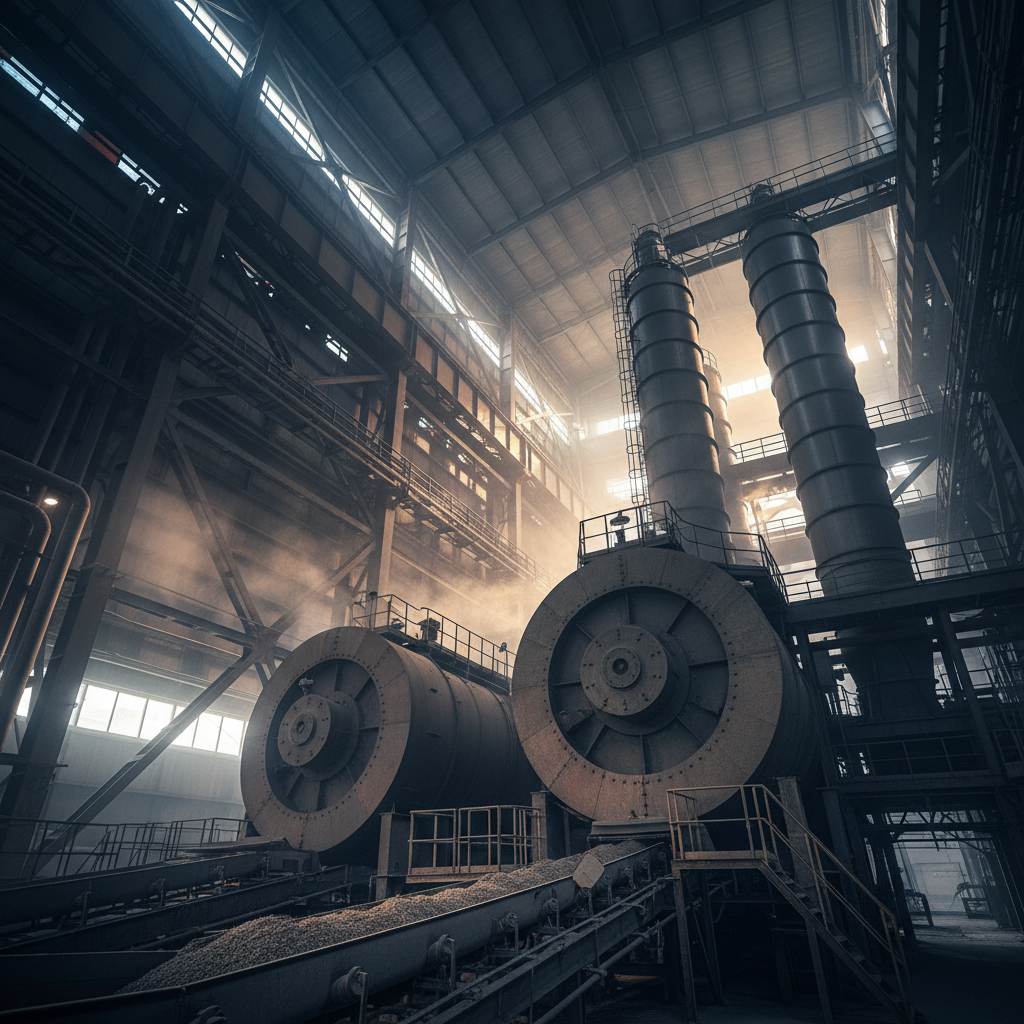
Understanding the Risks of Asbestos Vermiculite and Global Health Impacts

The Definition and Properties of asbestos vermiculite

Understanding the Risks of Asbestos Vermiculite and Global Health Impacts

Asbestos vermiculite is a material composed of vermiculite ore that is naturally contaminated with asbestos fibers. Vermiculite itself is a hydrated magnesium aluminum iron silicate mineral, prized for its excellent insulating properties, lightweight nature, and ability to absorb water. When heated, vermiculite expands dramatically, creating a lightweight, porous material. However, certain vermiculite deposits, most notably the mine in Libby, Montana, contain significant amounts of asbestos, particularly tremolite, anthophyllite, and chrysotile.

The combination of vermiculite's physical properties and asbestos's fire resistance led to its widespread use in a variety of applications. The material was often used as insulation in buildings, particularly in attic insulation and fireproofing materials. It was also utilized in horticultural products, soil amendments, and industrial applications such as brake linings and cement products. The presence of asbestos within the vermiculite structure creates a significant health risk when the material is disturbed, releasing asbestos fibers into the air.

Historical Context and Applications of asbestos vermiculite

The story of asbestos vermiculite is largely defined by the Libby, Montana mine, which operated from 1919 to 1990. This mine became the largest source of vermiculite in the world, supplying a significant portion of the global market. Initially, the presence of asbestos in the vermiculite ore was not fully understood or adequately addressed. As demand for vermiculite grew, so did the exposure of miners, mill workers, and ultimately, consumers to asbestos fibers. The material was shipped worldwide, impacting communities across the United States, Canada, and beyond.

Asbestos vermiculite found applications in numerous sectors. In the building industry, it was commonly used as loose-fill insulation, a cost-effective and efficient way to insulate attics and walls. It also appeared in cement products, providing fire resistance and durability. Horticultural uses included soil conditioning and plant propagation. Beyond these applications, asbestos vermiculite was utilized in industrial settings, such as in the manufacture of brake linings and fireproofing materials. The widespread adoption of this material underscores the lack of awareness regarding the dangers of asbestos for much of the 20th century.

The realization of the health consequences associated with asbestos vermiculite began to emerge in the late 20th century, leading to increased research, stricter regulations, and ultimately, the closure of the Libby mine. The legacy of this contamination continues to impact communities today, requiring ongoing monitoring, medical care, and remediation efforts.

The Health Risks Associated with asbestos vermiculite

Exposure to asbestos vermiculite poses serious health risks, primarily due to the inhalation of asbestos fibers. These microscopic fibers can become lodged in the lungs and other organs, causing inflammation, scarring, and ultimately, debilitating diseases. The most well-known asbestos-related illness is mesothelioma, a rare and aggressive cancer that affects the lining of the lungs, abdomen, or heart.

Other asbestos-related diseases include lung cancer, asbestosis (a chronic lung disease causing shortness of breath and scarring), and pleural thickening (inflammation of the lining around the lungs). The latency period between exposure and the onset of these diseases can be decades, making it difficult to directly link current health problems to past asbestos vermiculite exposure. This long latency period also emphasizes the importance of early detection and preventative measures.

The severity of health risks depends on several factors, including the duration and intensity of exposure, the type of asbestos fibers inhaled, and individual susceptibility. Individuals who worked in the Libby mine or lived in homes insulated with asbestos vermiculite are at particularly high risk. Regular medical monitoring is crucial for those with a history of exposure to asbestos vermiculite, enabling early diagnosis and potentially improving treatment outcomes.

Regulations and Safety Standards for asbestos vermiculite

Due to the severe health risks associated with asbestos vermiculite, numerous regulations and safety standards have been implemented to control its use, handling, and disposal. In the United States, the Environmental Protection Agency (EPA) plays a key role in regulating asbestos, including asbestos vermiculite. The EPA has established rules for the identification, removal, and disposal of asbestos-containing materials, aimed at minimizing public exposure.

Asbestos Vermiculite Risk Assessment


Global Distribution and Environmental Impact of asbestos vermiculite

Asbestos vermiculite, primarily sourced from the Libby, Montana mine, was distributed globally, reaching numerous countries including Canada, Australia, and various European nations. This widespread distribution has resulted in contamination in diverse geographic locations, posing ongoing environmental and health challenges. The material's lightweight nature allowed it to be easily transported, contributing to its broad reach.

The environmental impact of asbestos vermiculite includes soil and water contamination, as well as airborne asbestos fibers. Disturbed asbestos vermiculite can release fibers into the air, impacting air quality and increasing the risk of inhalation exposure. Contaminated soil can also pose a risk through dust generation and potential uptake by plants. The long-term environmental consequences of asbestos vermiculite contamination are still being studied, but it is clear that remediation efforts are crucial for minimizing the risks.

Remediation Strategies for asbestos vermiculite Contamination

Remediating sites contaminated with asbestos vermiculite is a complex and costly undertaking. The primary goal of remediation is to prevent the release of asbestos fibers into the environment and minimize human exposure. Common remediation strategies include removal, encapsulation, and in-situ treatment. Removal involves the complete removal of asbestos-containing materials from a site, followed by proper disposal in designated landfills.

Encapsulation involves sealing the asbestos-containing materials to prevent fiber release. This method is often used for materials that are difficult to remove or that pose a low risk of disturbance. In-situ treatment involves stabilizing the asbestos fibers in place, often using chemical agents or physical barriers. The choice of remediation strategy depends on the specific characteristics of the contaminated site, the extent of the contamination, and the available resources.

Current Research and Future Perspectives on asbestos vermiculite

Ongoing research focuses on developing more effective and cost-efficient remediation technologies for asbestos vermiculite contamination. This includes exploring innovative methods for asbestos fiber capture, stabilization, and disposal. Researchers are also investigating the long-term health effects of asbestos vermiculite exposure and developing improved diagnostic and treatment options for asbestos-related diseases.

Future perspectives involve a continued emphasis on preventative measures, including thorough material testing, responsible sourcing, and effective risk communication. The development of alternative materials that offer similar properties to vermiculite without the asbestos risk is also a priority. Furthermore, increased international collaboration and data sharing are essential for addressing the global challenges posed by asbestos vermiculite contamination.

The lessons learned from the Libby, Montana experience underscore the importance of prioritizing public health and environmental protection in all aspects of material handling and industrial practices.

Summary of Asbestos Vermiculite Remediation Effectiveness

Remediation Method Cost Effectiveness (1-10) Long-Term Durability (1-10) Environmental Impact (1-10)
Complete Removal & Disposal 6 9 7
Encapsulation 8 5 8
In-Situ Stabilization 7 6 6
Controlled Demolition 5 7 5
Air Filtration & Monitoring 9 4 9
Vegetative Capping 7 5 7

FAQS

What are the key signs that a property may contain asbestos vermiculite insulation?

Identifying asbestos vermiculite insulation can be challenging. Look for a lightweight, pebble-like material, often gray-brown or silver-gold in color. It’s commonly found in attic floors, between ceiling joists, and around chimneys. If you suspect its presence, do not disturb the material. Instead, have a qualified asbestos inspector collect a sample for laboratory testing. Disturbing the material can release dangerous asbestos fibers into the air, posing a health risk. Proper identification is crucial before undertaking any renovation or demolition work.

What is the best way to safely remove asbestos vermiculite from an attic?

Removing asbestos vermiculite is not a DIY project. It requires specialized training, equipment, and adherence to strict regulations. The safest approach is to hire a licensed asbestos abatement contractor. They will follow protocols for containing the material, removing it safely, and disposing of it properly. This typically involves wetting the material to prevent fiber release, using HEPA vacuums, and sealing off the work area. Attempting to remove it yourself without proper training can significantly increase your risk of asbestos exposure.

How can I protect myself if I discover asbestos vermiculite in my home?

If you discover asbestos vermiculite, the most important step is to avoid disturbing it. If the material is in good condition and undisturbed, it may be best to leave it in place and encapsulate it to prevent fiber release. Regularly inspect the area for any signs of damage or deterioration. If you need to work near the material, wear appropriate respiratory protection (a properly fitted N95 or higher respirator). Consult with a professional asbestos consultant for guidance on managing the risk.

What are the long-term health effects of exposure to asbestos vermiculite?

Long-term exposure to asbestos vermiculite can lead to several serious health conditions, including mesothelioma (a rare cancer affecting the lining of the lungs, abdomen, or heart), lung cancer, asbestosis (a chronic lung disease causing shortness of breath), and pleural thickening. These diseases often have a long latency period, meaning symptoms may not appear for decades after exposure. Regular medical monitoring, including chest X-rays and pulmonary function tests, is recommended for individuals with a history of exposure.

Are there financial assistance programs available for asbestos vermiculite remediation?

Financial assistance programs for asbestos vermiculite remediation vary depending on location. Some government agencies and non-profit organizations offer grants or low-interest loans to help homeowners cover the costs of asbestos abatement. Check with your local and state environmental agencies for information on available programs. Additionally, some insurance policies may cover asbestos remediation costs, depending on the terms of the policy. It’s worth exploring all available options to help offset the expenses.

What are some alternatives to asbestos vermiculite for insulation purposes?

Fortunately, many safe and effective alternatives to asbestos vermiculite are available for insulation. These include cellulose insulation (made from recycled paper), fiberglass insulation, mineral wool insulation, spray foam insulation, and cotton insulation. Each option has its own advantages and disadvantages in terms of cost, R-value, and environmental impact. Consider your specific needs and consult with a qualified insulation contractor to determine the best alternative for your home.

Conclusion

Asbestos vermiculite presents a complex legacy of both beneficial application and serious health risks. While it once offered valuable insulation and fire-resistant properties, its contamination with asbestos has led to widespread health concerns and environmental challenges. Understanding the historical context, health risks, regulations, and remediation strategies associated with asbestos vermiculite is crucial for protecting public health and ensuring responsible environmental management. Continuous research and proactive measures are essential to mitigating the ongoing impact of this material.

Looking ahead, a continued commitment to preventative measures, safe handling practices, and innovative remediation technologies is vital. Prioritizing public health, investing in research, and fostering international collaboration are essential for addressing the long-term consequences of asbestos vermiculite contamination. For more information and resources on asbestos vermiculite, visit our website: www.xingtailuxi.com.

Brandon Moore

Brandon Moore

Brandon Moore is the Quality Control Supervisor at Xingtai Luxi. Responsible for maintaining the integrity of our product line, Brandon oversees all testing and inspection procedures, ensuring adherence to the ISO9001 quality management system. He leads a team dedicated to precise measurements of key product characteristics like particle size and
Previous The Growing Importance of Vermiculite for Garden and Sustainable Horticulture
Next Enhancing Plant Growth with Gardening Vermiculite A Comprehensive Guide