Gardening vermiculite, a naturally occurring mineral, has become increasingly vital in modern horticulture and agriculture. Its unique properties – exceptional water retention, aeration, and insulation – make it an invaluable soil amendment, promoting robust plant growth and improving overall garden health. Understanding the benefits and applications of gardening vermiculite is crucial for both seasoned gardeners and those just starting their horticultural journey.
The global demand for gardening vermiculite is steadily rising, driven by a growing awareness of sustainable gardening practices and the need for efficient resource management. Reports indicate a consistent increase in vermiculite consumption across key agricultural regions, including North America, Europe, and Asia. This surge is partly due to its role in mitigating the effects of climate change by reducing water usage and improving soil quality.
Vermiculite isn't just beneficial for individual gardens; it contributes to larger-scale food security and environmental sustainability. Its use in commercial nurseries and agricultural settings supports increased crop yields, reduced fertilizer dependency, and healthier ecosystems. Furthermore, the relatively low cost and widespread availability of gardening vermiculite make it an accessible solution for improving soil conditions worldwide.
Introduction to Gardening Vermiculite
Gardening vermiculite is a naturally occurring magnesium aluminum iron silicate mineral, formed through the weathering of mica. Its unique accordion-like structure allows it to expand dramatically when heated, creating a lightweight, porous material ideal for improving soil conditions. This expansion process also gives it excellent insulating properties, beneficial for seed starting and protecting roots from temperature fluctuations.
The versatility of gardening vermiculite makes it a favorite among both amateur and professional growers. From enhancing seed germination to improving drainage in heavy clay soils, it addresses a wide range of gardening challenges. It’s a sustainable alternative to peat moss, contributing to environmentally responsible gardening practices.
Defining Gardening Vermiculite
Gardening vermiculite differs significantly from other soil amendments. While perlite offers excellent aeration, vermiculite excels in water retention, holding several times its weight in moisture. Unlike sand, which can compact soil, vermiculite creates air pockets that promote healthy root development. It’s a relatively inert material, meaning it doesn’t decompose or release harmful chemicals into the soil.
The connection to modern agricultural needs is undeniable. With increasing concerns about water conservation and sustainable food production, vermiculite provides a practical solution for optimizing resource use. Its ability to improve nutrient availability also reduces the need for synthetic fertilizers, contributing to a more environmentally friendly approach to gardening.
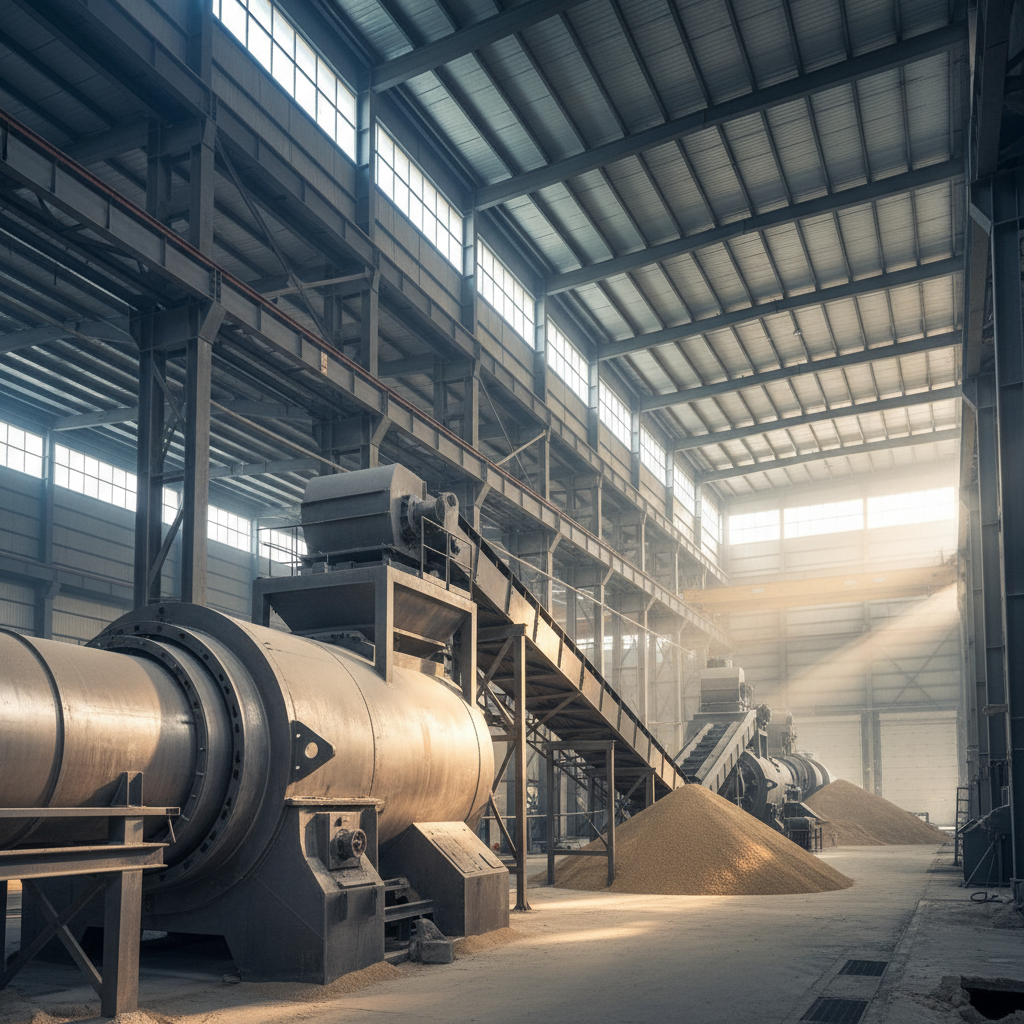
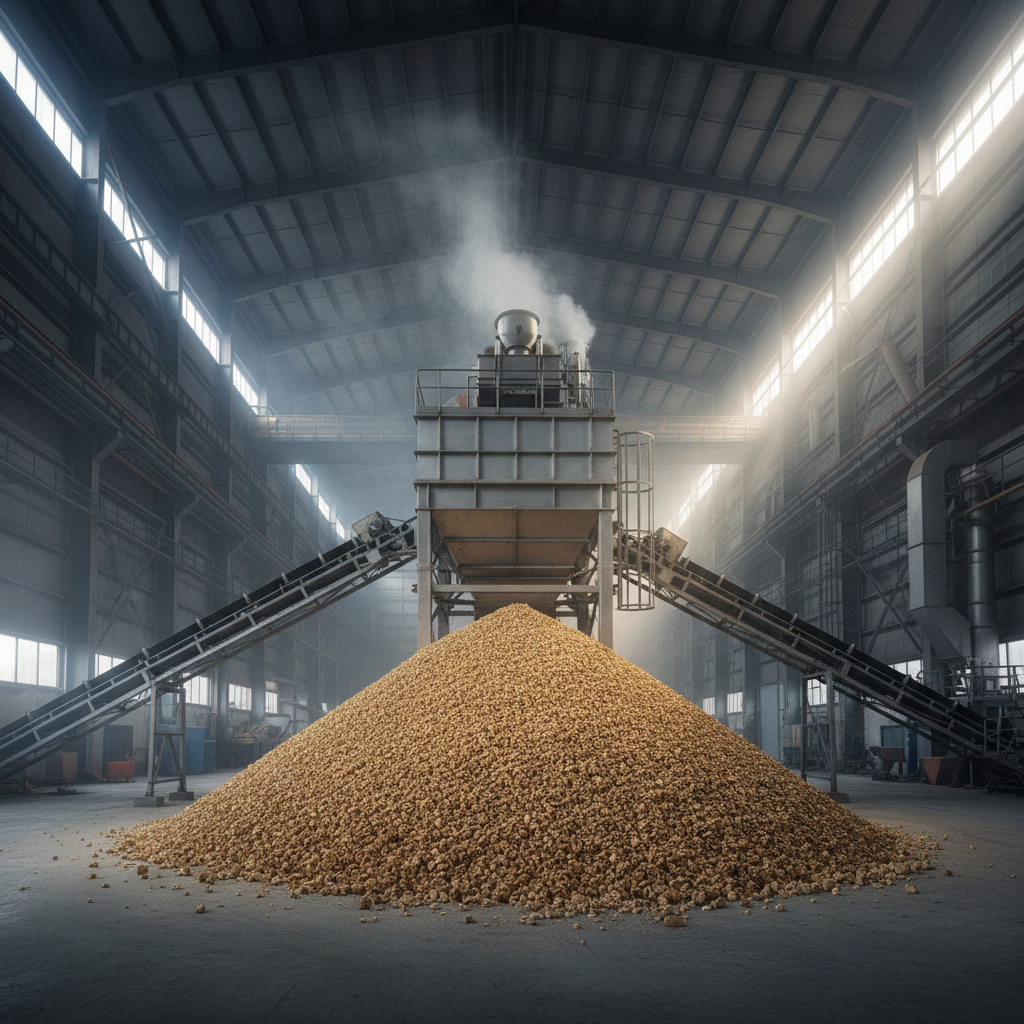
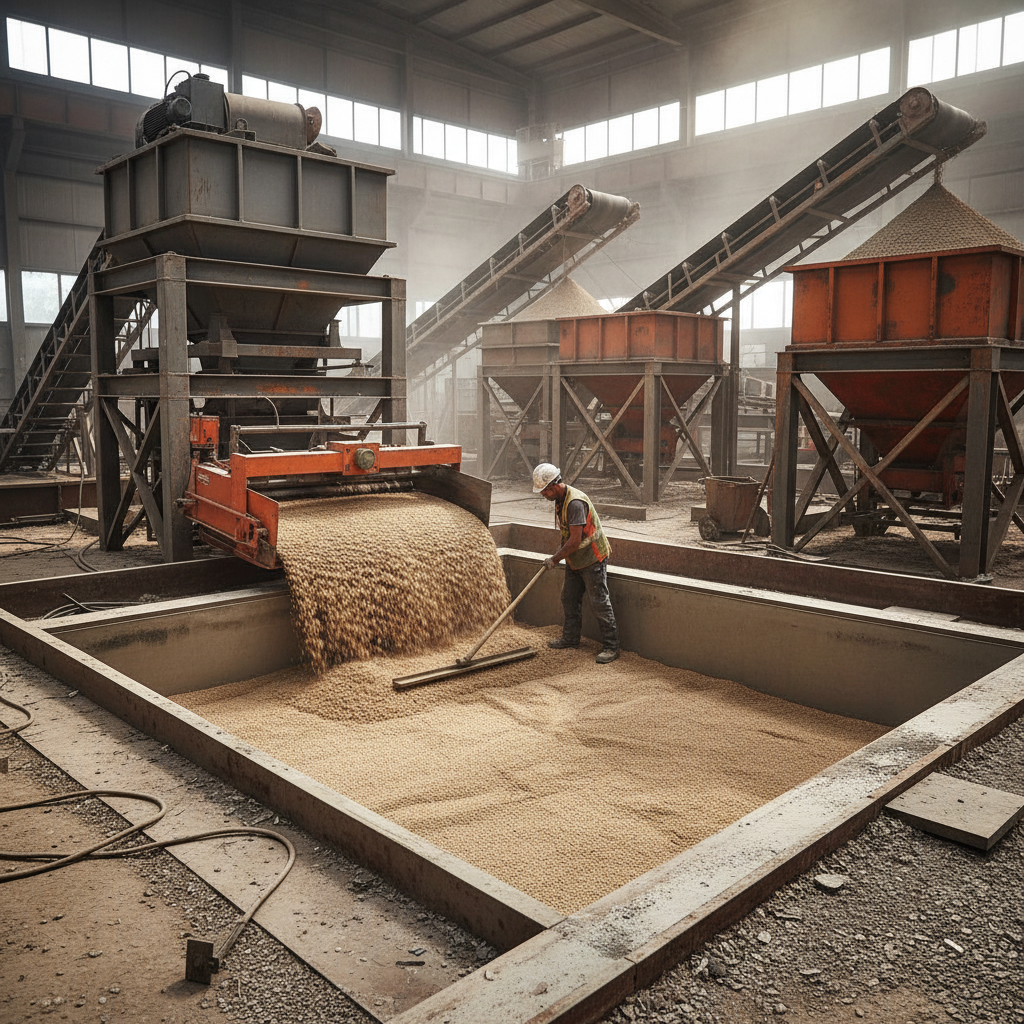
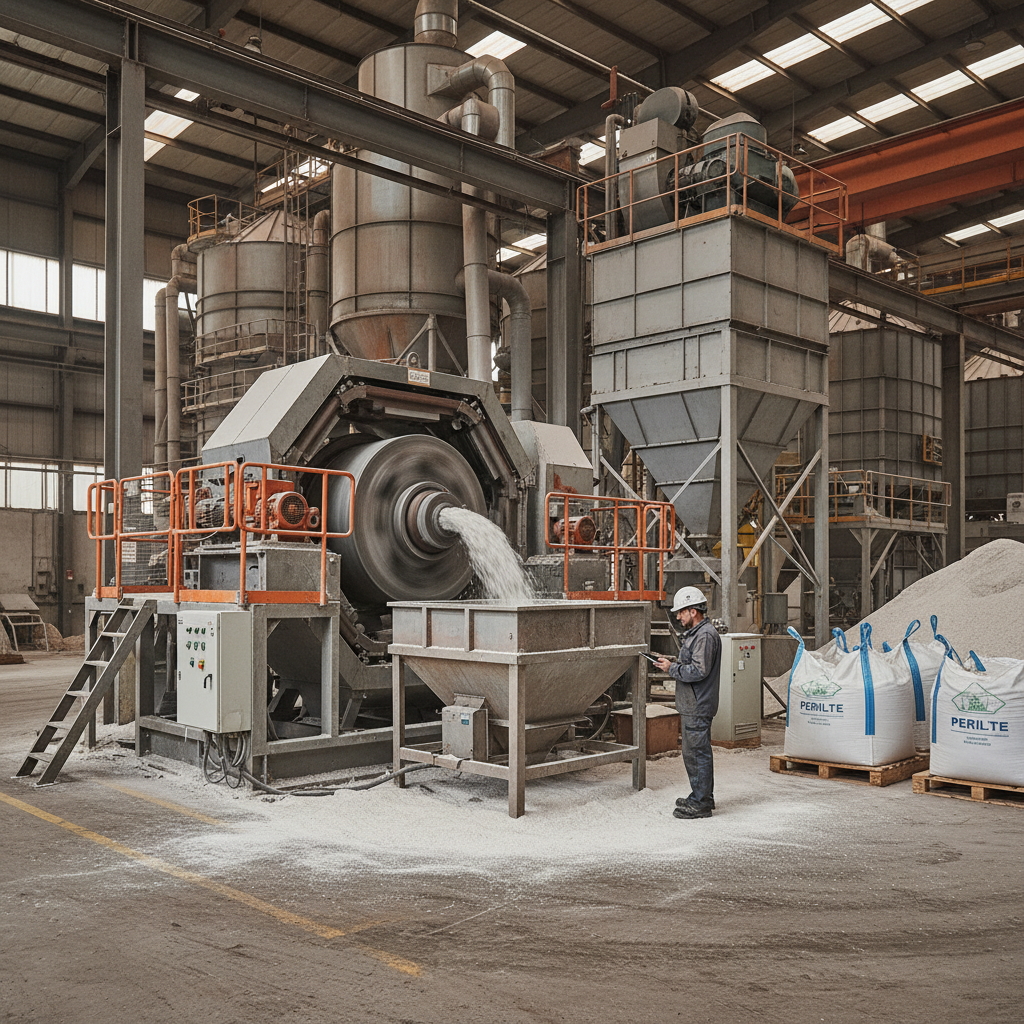
The industrial process of expanding vermiculite involves heating the raw mineral to approximately 1,800°F (982°C). This causes the layers of the mineral to separate and expand, resulting in a lightweight, white to pale brown material ready for use in gardening applications. The expanded form is what gardeners commonly purchase and utilize.
Key Properties of Gardening Vermiculite
One of the most important properties of gardening vermiculite is its exceptional water-holding capacity. It can absorb and retain up to three times its weight in water, slowly releasing it to plant roots as needed. This is particularly beneficial in sandy soils that drain quickly, and during periods of drought.
Aeration is another crucial benefit. Despite its water-holding abilities, vermiculite doesn’t become waterlogged. The porous structure allows for ample air circulation around roots, preventing root rot and promoting healthy growth. This combination of water retention and aeration is what sets vermiculite apart from many other soil amendments.
Vermiculite also possesses excellent insulating properties. It helps to moderate soil temperature, protecting roots from extreme heat or cold. This makes it particularly valuable for seed starting, where consistent temperatures are essential for successful germination. It's also chemically inert, meaning it doesn’t alter the soil’s pH or introduce harmful substances.
Practical Applications in Gardening
Gardening vermiculite is incredibly versatile and can be used in numerous gardening applications. Seed starting is perhaps the most common use, providing a sterile and moisture-retentive medium for germinating seeds. Its insulating properties help maintain consistent temperatures, leading to higher germination rates.
Beyond seed starting, vermiculite is often mixed into potting mixes to improve drainage, aeration, and water retention. It’s also used to amend heavy clay soils, breaking them up and improving their structure. Gardeners can also use it to root cuttings, as it provides a stable and moist environment for root development.
Gardening Vermiculite Application Effectiveness
Global Usage and Regional Trends
North America and Europe currently represent the largest markets for gardening vermiculite, driven by established horticultural industries and a growing demand for sustainable gardening solutions. However, demand is rapidly increasing in Asia, particularly in countries with intensive agricultural practices.
In regions facing water scarcity, gardening vermiculite is proving to be particularly valuable. Its ability to reduce water consumption in agriculture is a key factor driving adoption. Furthermore, the use of vermiculite is becoming more common in urban gardening initiatives, where space is limited and efficient resource management is crucial.
Benefits and Long-Term Value
The most immediate benefit of using gardening vermiculite is improved plant growth. Better water retention, aeration, and insulation create an optimal environment for root development and overall plant health, resulting in higher yields and more vibrant blooms.
Looking long-term, gardening vermiculite contributes to more sustainable gardening practices. By reducing water usage and the need for synthetic fertilizers, it minimizes environmental impact. Its durability also means it doesn’t need to be replaced frequently, offering cost savings over time.
From a social perspective, gardening vermiculite empowers individuals to grow their own food, promoting food security and self-sufficiency. Its ease of use and accessibility make it a valuable tool for community gardens and educational programs, fostering a greater appreciation for horticulture and sustainable living.
Future Innovations and Considerations
Research is ongoing to explore new applications of gardening vermiculite, including its use in hydroponic systems and as a carrier for beneficial microbes. Innovations in processing techniques could also lead to even more efficient and sustainable production methods.
A key consideration for the future is the development of more eco-friendly sourcing and processing methods. While vermiculite is a naturally occurring mineral, responsible mining practices are essential to minimize environmental impact. Exploring alternative, renewable sources of similar materials is also an area of interest.
The integration of smart gardening technologies, such as soil sensors and automated irrigation systems, could further optimize the benefits of using gardening vermiculite. These technologies can help gardeners monitor soil moisture levels and adjust watering schedules accordingly, maximizing water efficiency and plant health.
Core Advantages of Utilizing Gardening Vermiculite
| Application Area |
Benefit Category |
Impact Level (1-10) |
Long-Term Sustainability |
| Seed Starting |
Germination Rate |
9 |
High |
| Potting Mixes |
Water Retention |
8 |
Medium |
| Clay Soil Amendment |
Soil Structure |
7 |
Medium |
| Rooting Cuttings |
Root Development |
7 |
Medium |
| Hydroponics |
Nutrient Delivery |
6 |
Low |
| Drought Mitigation |
Water Conservation |
9 |
High |
FAQS
While both vermiculite and perlite improve soil aeration, vermiculite excels at water retention, holding several times its weight in moisture. Perlite primarily enhances drainage, making vermiculite a better choice for plants needing consistently moist soil, while perlite is ideal for plants prone to root rot. Using a mix of both often provides the best overall results for a balanced growing medium.
Generally, yes. Most gardening vermiculite is a naturally occurring mineral and doesn't contain synthetic chemicals. However, it’s important to check the source, as some vermiculite deposits may contain trace amounts of asbestos. Look for vermiculite specifically labeled as asbestos-free for peace of mind and to ensure compliance with organic gardening standards.
The amount of vermiculite to add depends on your soil type and the plant's needs. For seed starting, a 50/50 mix of vermiculite and peat moss or compost is common. For amending garden soil, 20-30% vermiculite is a good starting point. In heavy clay soils, you can add up to 50% to improve drainage and aeration. It’s best to experiment to find what works best for your specific plants and conditions.
While it’s technically possible, reusing vermiculite isn’t generally recommended. Over time, it can break down and lose its beneficial properties. It may also harbor pathogens or accumulated salts. For best results, it’s more effective to use fresh vermiculite each planting season. You can compost used vermiculite to add organic matter to your garden.
Gardening vermiculite's exceptional water-holding capacity significantly reduces the frequency of watering. By absorbing and retaining moisture, it minimizes water loss through evaporation and runoff. This makes it an invaluable tool for gardeners in arid climates or during periods of drought, helping to conserve precious water resources and maintain healthy plant growth.
Gardening vermiculite offers several sustainability benefits. It reduces the need for frequent watering and synthetic fertilizers, minimizing environmental impact. It is a naturally occurring mineral. However, responsible sourcing from mines that adhere to environmental regulations is crucial. Choosing asbestos-free vermiculite also contributes to sustainable practices.
Conclusion
In conclusion, gardening vermiculite is a remarkably versatile and beneficial soil amendment with a wide range of applications. Its unique properties – water retention, aeration, insulation, and chemical inertness – contribute to healthier plant growth, sustainable gardening practices, and increased food security. From seed starting to amending heavy clay soils, it provides gardeners with a valuable tool for overcoming common challenges.
Looking ahead, continued research and innovation will undoubtedly unlock even more potential uses for gardening vermiculite. Prioritizing responsible sourcing and exploring alternative materials will further enhance its sustainability. By embracing this natural resource, we can cultivate healthier gardens, conserve precious resources, and build a more sustainable future for all. Visit our website at gardening vermiculite for more information and to purchase high-quality vermiculite products.