Perlite and vermiculite are both naturally occurring mineral materials increasingly vital in modern vegetable gardening. Their unique properties dramatically improve soil structure, aeration, and water retention, leading to healthier plant growth and increased yields. Understanding their individual characteristics and appropriate applications is crucial for both hobby gardeners and large-scale agricultural operations seeking to optimize their growing conditions and achieve sustainable results.
Globally, the demand for efficient and sustainable agricultural practices is rising due to population growth and increasing environmental concerns. Perlite and vermiculite offer solutions to these challenges by reducing water usage, minimizing the need for chemical fertilizers, and enhancing overall soil health. According to the Food and Agriculture Organization of the United Nations (FAO), improving soil health is fundamental to achieving food security and sustainable agriculture.
The growing awareness of organic gardening and sustainable living further fuels the demand for these soil amendments. The ease of use and proven benefits of perlite or vermiculite for vegetables make them accessible to a wide range of growers, from beginners to experienced professionals.
Introduction to Perlite and Vermiculite
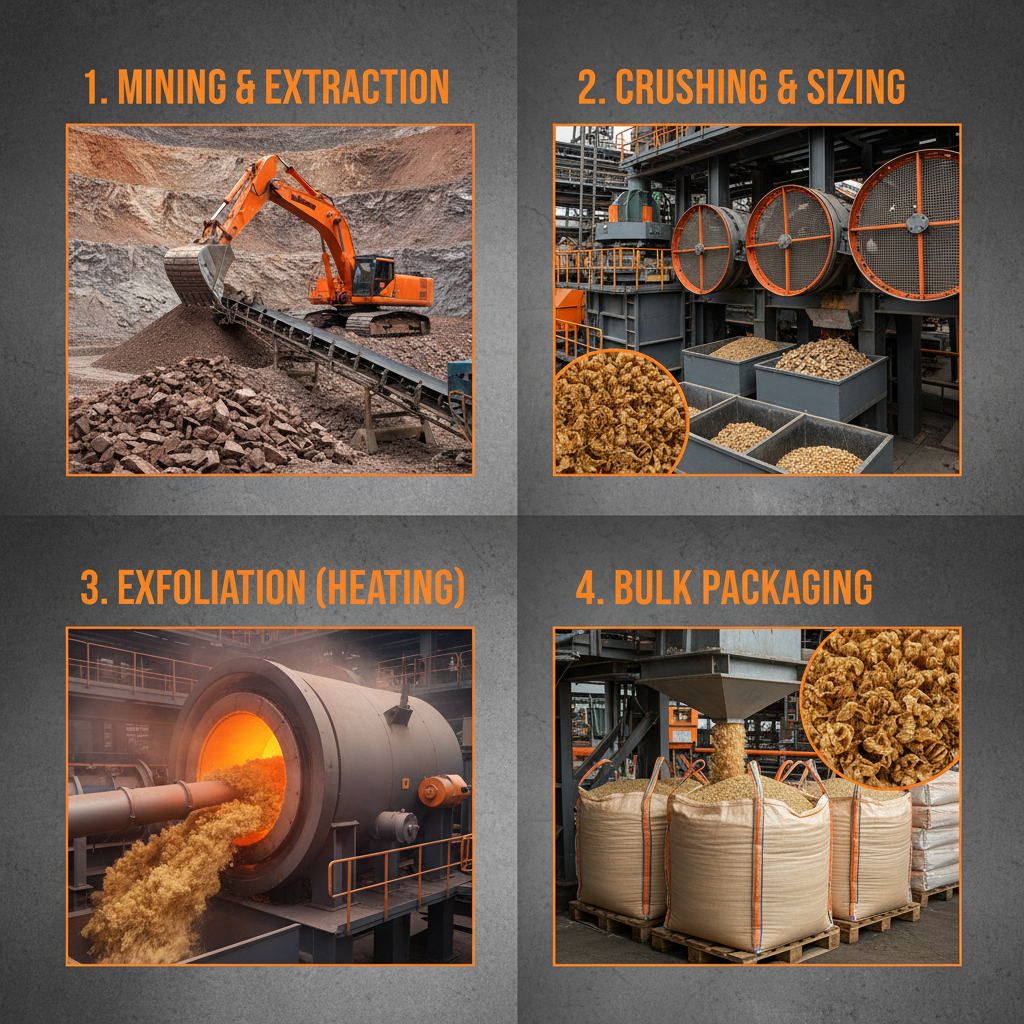
Perlite and vermiculite are both lightweight, naturally occurring minerals used extensively in horticulture. Perlite, a volcanic glass, expands dramatically when heated, creating a porous material excellent for aeration and drainage. Vermiculite, a hydrated magnesium aluminum iron silicate, expands when heated too, but retains water exceptionally well, making it ideal for moisture retention.
These properties make them invaluable amendments for growing a wide variety of vegetables, improving root development, and promoting overall plant health. Understanding the unique benefits of each material and how they interact with different soil types is key to maximizing their effectiveness in your garden. perlite or vermiculite for vegetables can be a game-changer.
Defining Perlite or Vermiculite for Vegetables
When discussing perlite or vermiculite for vegetables, we're referring to the use of these expanded mineral materials as soil amendments. These aren't fertilizers, but rather physical enhancers that improve the physical characteristics of the growing medium. They don’t directly provide nutrients, but they create a more hospitable environment for roots to access those nutrients.
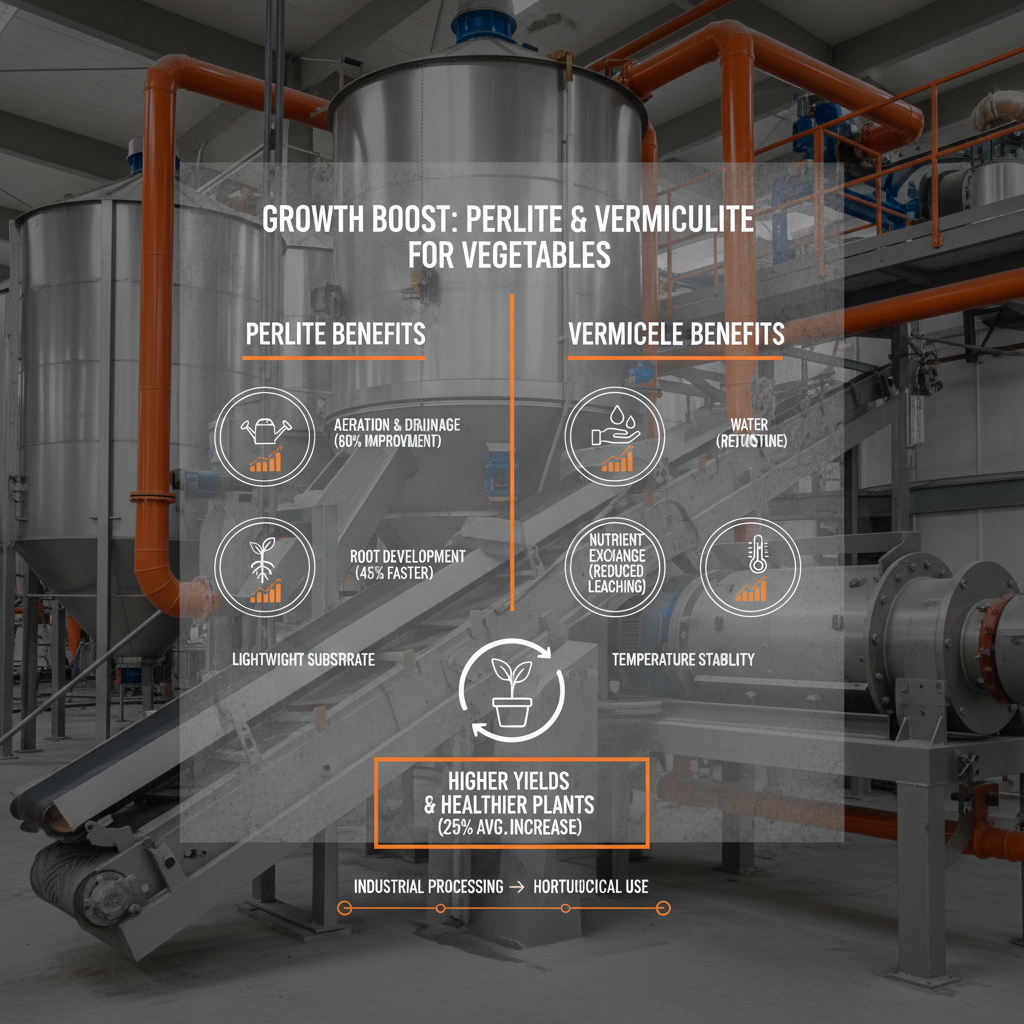
Perlite improves aeration, preventing soil compaction and allowing roots to breathe. It also facilitates drainage, preventing root rot. Vermiculite, on the other hand, acts like a sponge, holding onto water and nutrients and slowly releasing them to the plant roots.
Their application connects directly to modern agricultural needs. With increasing concerns about water scarcity and soil degradation, using amendments like perlite and vermiculite is a proactive step towards sustainable and efficient food production.
Key Characteristics of Perlite and Vermiculite
One of the primary characteristics of perlite is its inertness. It doesn't decompose or compact over time, maintaining its structural integrity in the soil for years. This makes it a long-lasting amendment. It’s also pH neutral, making it suitable for almost any plant.
Vermiculite, unlike perlite, does possess some cation-exchange capacity, meaning it can hold onto essential plant nutrients like potassium, calcium, and magnesium. This makes it not only a great water retainer but also a nutrient reservoir. The grade of vermiculite matters: coarser grades are best for aeration, while finer grades are better for moisture retention.
Both materials are lightweight, making them easy to handle and incorporate into the soil. Their porous structure also provides a habitat for beneficial microorganisms that contribute to healthy soil ecosystems. The combination of perlite and vermiculite often provides the most balanced soil amendment for a variety of vegetable crops.
Applications in Vegetable Gardening
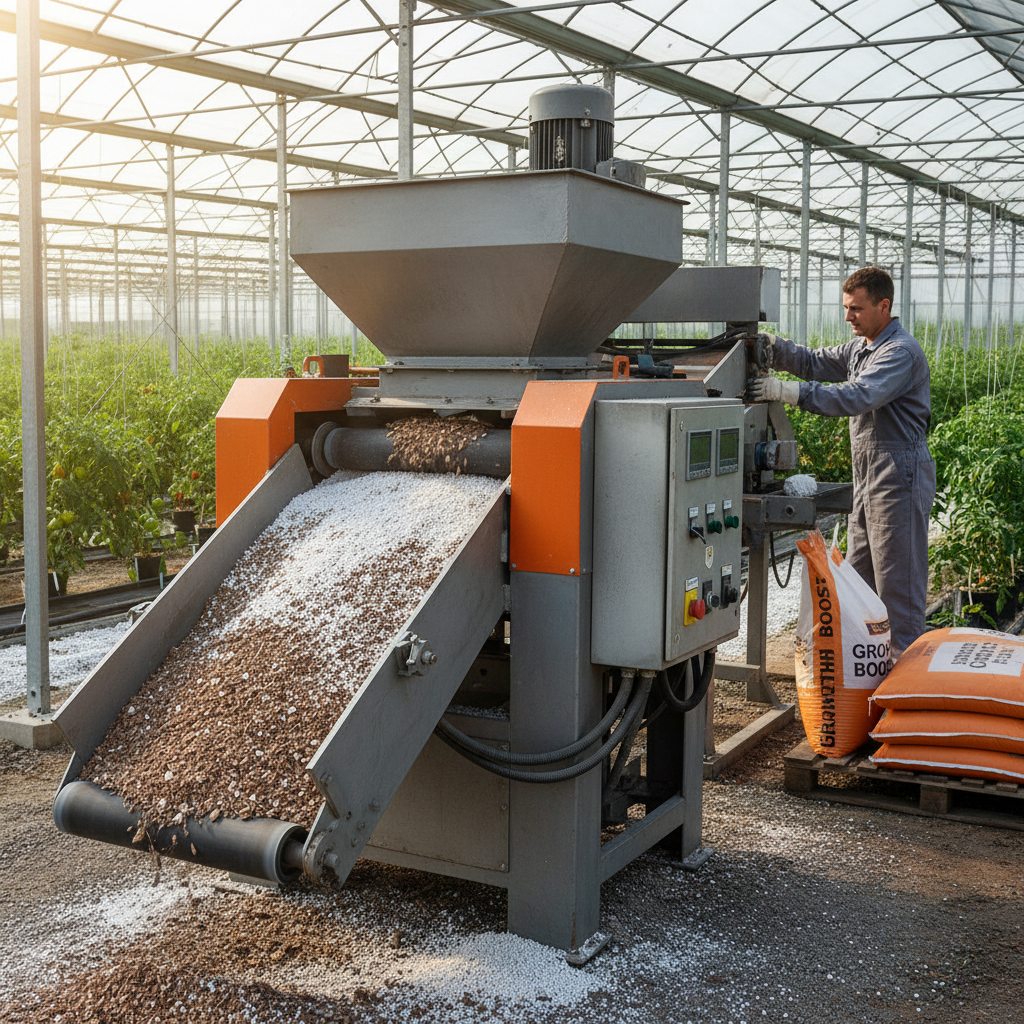
Perlite or vermiculite for vegetables is highly versatile. In seed starting, a mix of perlite and vermiculite provides excellent drainage and aeration, preventing damping-off disease. For container gardening, they lighten the soil mix, improving drainage and preventing compaction.
For in-ground gardens, incorporating perlite or vermiculite into heavy clay soils improves drainage and aeration. In sandy soils, vermiculite helps retain moisture and nutrients. They’re commonly used in hydroponic systems as a growing medium due to their inertness and ability to support roots.
Effectiveness of Perlite/Vermiculite Mixes on Vegetable Growth
Global Usage and Regional Trends
The global market for perlite and vermiculite is significant, with major production centers in the United States, China, Russia, and Greece. Asia, particularly China, is currently the largest consumer, driven by its massive agricultural sector. North America and Europe also represent substantial markets.
There's a growing trend towards the use of these materials in organic farming practices globally, spurred by consumer demand for pesticide-free produce. In regions facing water scarcity, like parts of Africa and the Middle East, perlite and vermiculite are becoming increasingly important for water conservation in agriculture.
In post-disaster relief operations, these materials are also used in creating temporary growing spaces to aid food security in affected communities. The lightweight nature of perlite and vermiculite makes them easier to transport to remote or challenging locations.
Benefits and Long-Term Value
The cost-effectiveness of using perlite or vermiculite for vegetables is a major benefit. A relatively small amount can significantly improve soil quality, resulting in higher yields and reducing the need for frequent replanting. They also contribute to sustainable gardening practices by reducing water consumption and minimizing reliance on synthetic fertilizers.
From a social impact perspective, promoting the use of these materials empowers gardeners to grow their own food, enhancing food security and promoting healthier eating habits. The long-term reliability of these materials – they don’t decompose – adds to their value, making them a worthwhile investment for any gardener.
Future Innovations and Challenges
Research is ongoing to explore new ways to enhance the properties of perlite and vermiculite. This includes coating them with beneficial microorganisms or slow-release fertilizers to further improve their effectiveness. There is also a focus on developing more sustainable mining and processing techniques to minimize the environmental impact of production.
One challenge is the potential for dust inhalation during handling, requiring the use of masks and proper ventilation. Another is the transportation cost, particularly for remote locations. Innovations in packaging and distribution are needed to address this issue. The increasing demand also requires responsible sourcing and sustainable production practices to avoid depleting natural resources.
The integration of sensor technology to monitor moisture levels in perlite/vermiculite amended soil could lead to precision irrigation systems, further optimizing water usage and plant health.
Summary of Perlite/Vermiculite Performance Factors
| Soil Type |
Recommended Amendment |
Optimal Ratio |
Expected Benefits |
| Clay |
Perlite |
100% |
Improved Drainage & Aeration |
| Sandy |
Vermiculite |
100% |
Increased Water Retention |
| Loam |
Perlite & Vermiculite |
70/30 |
Balanced Drainage & Moisture |
| Potting Mix |
Perlite & Vermiculite |
50/50 |
Enhanced Root Growth |
| Hydroponics |
Perlite |
100% |
Root Support & Aeration |
| Seed Starting |
Perlite & Vermiculite |
50/50 |
Optimal Drainage & Moisture |
FAQS
The main difference lies in their water retention capabilities. Perlite is excellent for drainage and aeration, preventing soil compaction, while vermiculite retains moisture and nutrients, slowly releasing them to plants. Perlite's porous structure doesn't hold water, whereas vermiculite acts like a sponge. Choosing between them depends on your soil type and the specific needs of your vegetables.
Yes, generally! Both are versatile and can be used in in-ground gardens, raised beds, and container gardening. However, the ratio might change based on your soil composition. For clay soils, prioritize perlite for drainage. For sandy soils, vermiculite is better for water retention. A mix is often ideal for loam soils, providing a balance of both.
To incorporate, simply spread a layer of perlite or vermiculite over the soil surface and gently work it in using a garden fork or tiller. For container gardens, mix the amendments directly into your potting mix. The amount to use depends on your soil type; a general guideline is 10-30% by volume.
Both are naturally occurring minerals, making them a more sustainable option than many synthetic soil amendments. They reduce water usage, minimize the need for chemical fertilizers, and don't contribute to harmful runoff. However, mining and processing do have environmental impacts, so sourcing from responsible suppliers is crucial.
Both materials can create dust when dry, which can irritate the lungs. It's recommended to wear a dust mask and work in a well-ventilated area when handling them. Avoid breathing in the dust and wash your hands thoroughly after use.
While perlite doesn't break down, vermiculite can compact over time and lose some of its water-holding capacity. Perlite can be reused indefinitely after cleaning. Vermiculite is best replaced after a few seasons to maintain optimal performance. Consider composting spent vermiculite to enrich your soil.
Conclusion
In conclusion, perlite and vermiculite are invaluable tools for any vegetable gardener, offering significant benefits in terms of soil health, water conservation, and plant productivity. Understanding their unique properties and appropriate applications allows you to tailor your growing environment to the specific needs of your plants, resulting in healthier, more abundant harvests. Their long-term value extends beyond yield, contributing to more sustainable and environmentally responsible gardening practices.
Looking ahead, continued research and innovation will likely lead to even more effective and sustainable uses for these versatile materials. By embracing these advancements and adopting responsible sourcing practices, we can unlock the full potential of perlite and vermiculite to ensure food security and promote thriving gardens for generations to come. For high-quality perlite or vermiculite for your vegetable garden, visit our website: www.xingtailuxi.com.