0%

Table of Contents

Perlite vermiculite mix is a cornerstone material in modern horticulture, construction, and even industrial applications. Its unique blend of properties – lightweight nature, excellent insulation, and water retention – makes it indispensable for a wide range of uses. Understanding the intricacies of this mixture is crucial for professionals and enthusiasts alike, contributing to more efficient growing practices, sustainable building solutions, and optimized industrial processes globally.

The global demand for perlite vermiculite mix is steadily increasing, driven by the growing emphasis on sustainable agriculture and eco-friendly building materials. According to recent reports, the horticultural perlite market alone is projected to reach \$2.5 billion by 2028, demonstrating a significant growth trajectory. This demand isn’t merely economic; it addresses critical challenges like water scarcity in agriculture and the need for energy-efficient building designs, particularly in a world grappling with climate change.

Perlite vermiculite mix isn’t just about improved plant growth or better insulation. It’s a versatile material that supports innovation across sectors. From creating lightweight concrete for affordable housing to providing a safe medium for hydroponic farming, the applications are continually expanding, showcasing its adaptability and importance in addressing contemporary needs.
Exploring the Versatility of Perlite Vermiculite Mix for Horticulture and Beyond

Introduction to perlite vermiculite mix

Exploring the Versatility of Perlite Vermiculite Mix for Horticulture and Beyond

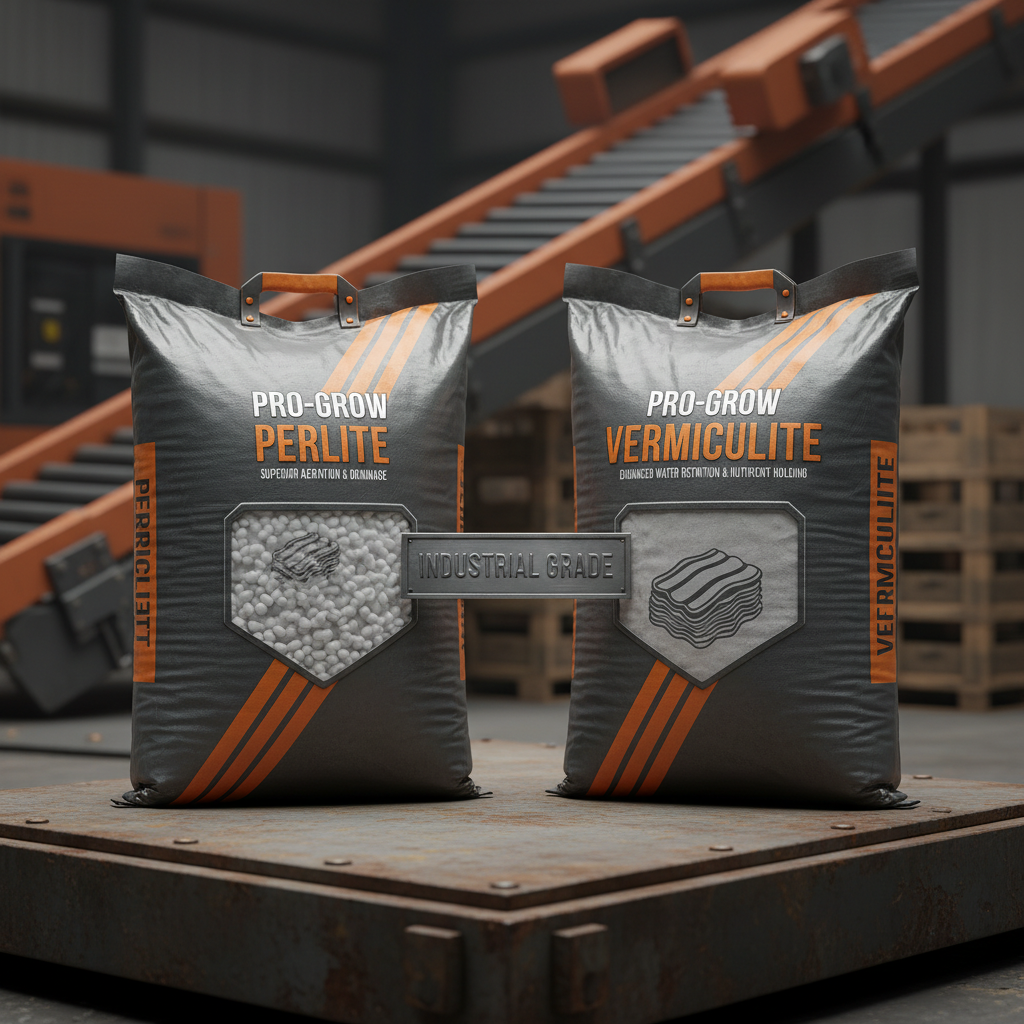
Perlite and vermiculite, when combined, create a remarkably versatile growing medium and construction additive. Perlite, a volcanic glass, provides aeration and drainage, preventing soil compaction and promoting healthy root development. Vermiculite, a hydrated magnesium-aluminum-iron silicate, excels at water retention and nutrient holding capacity. This synergistic relationship is the foundation of their widespread use.

This mixture is increasingly favored in sustainable gardening and commercial agriculture due to its ability to reduce water consumption and minimize the need for chemical fertilizers. It’s a significant advancement over traditional soil-based growing methods, contributing to a more environmentally responsible approach to food production and landscaping.

Defining Perlite Vermiculite Mix

Perlite vermiculite mix is, simply put, a blend of expanded perlite and vermiculite. Expanded perlite is created by rapidly heating volcanic glass, causing it to expand dramatically – often 4 to 20 times its original volume – creating a lightweight, porous material. Vermiculite undergoes a similar expansion process when heated, resulting in a material that’s absorbent and retains moisture.

This combination addresses a fundamental need in various industries: the requirement for a medium that provides both aeration and water retention. In horticulture, this translates to healthier plant growth. In construction, it leads to improved insulation and lighter-weight concrete. The specific ratio of perlite to vermiculite is adjusted based on the intended application and desired properties.

The connection to modern industry and humanitarian needs is profound. From supporting large-scale agricultural operations to providing a crucial component in disaster relief housing, perlite vermiculite mix plays a quiet yet vital role in improving lives and fostering sustainability. Consider its application in creating lightweight growing mediums for rooftop gardens in urban environments, addressing food security in densely populated areas.

Core Components and Their Roles

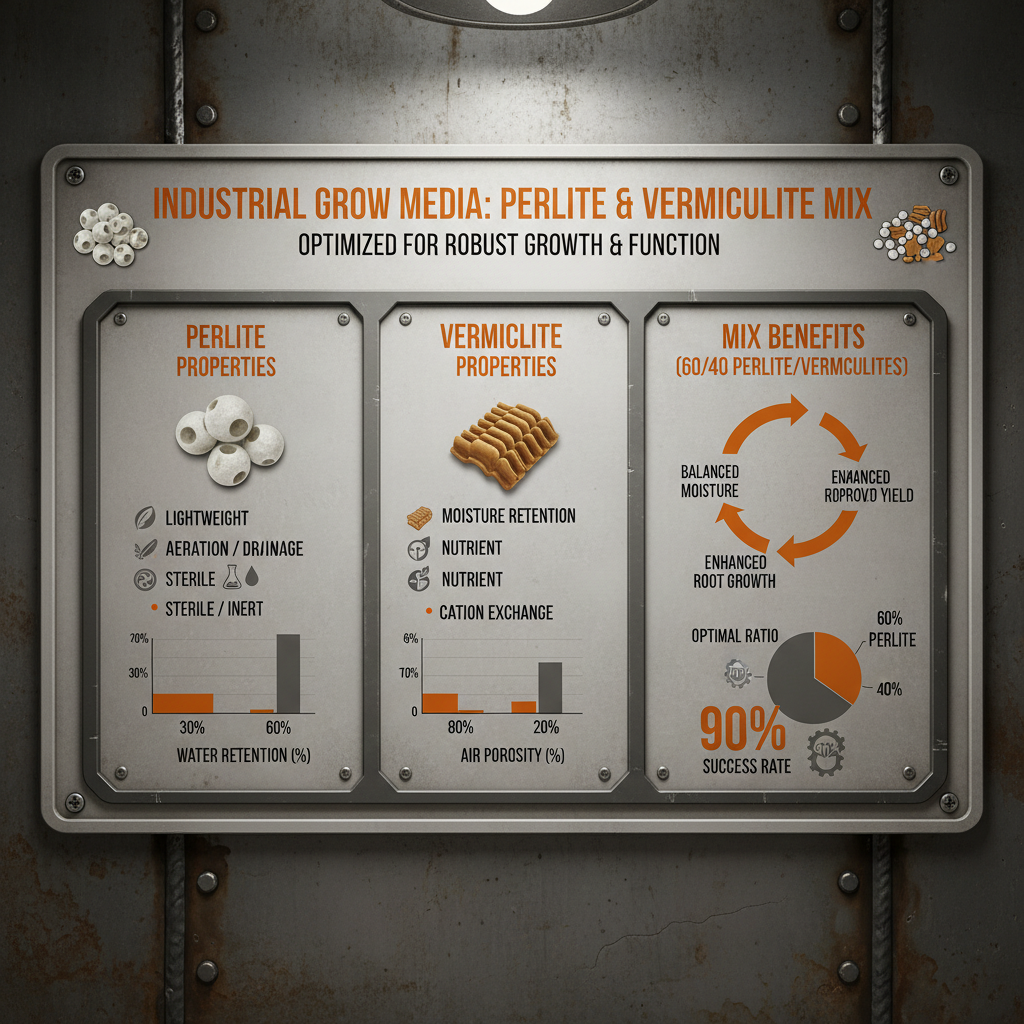
The effectiveness of perlite vermiculite mix lies in the distinct properties of each component. Perlite's primary role is to improve aeration and drainage. Its irregular, porous structure creates air pockets within the mix, preventing soil compaction and allowing roots to breathe. This is especially important for plants susceptible to root rot.

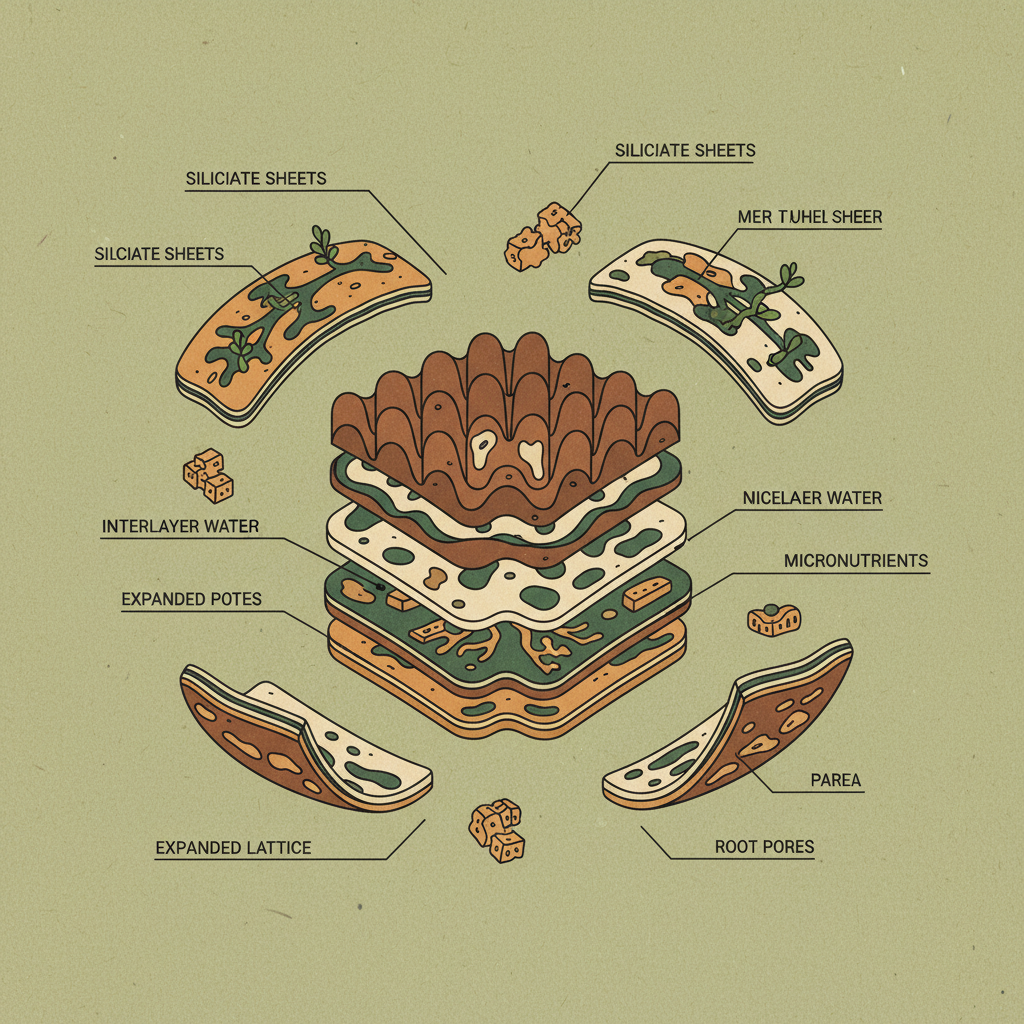
Vermiculite, on the other hand, excels at water and nutrient retention. Its layered structure acts like a sponge, absorbing and holding moisture and essential nutrients, making them readily available to plant roots. This reduces the frequency of watering and fertilization, benefiting both the plants and the environment.

The ratio between perlite and vermiculite is critical, determined by the specific needs of the application. A higher perlite ratio is generally used for plants requiring excellent drainage, like cacti and succulents, while a higher vermiculite ratio is favored for plants that prefer consistently moist soil, such as ferns and seedlings. Understanding this balance is key to optimizing the mix for any given purpose.

Key Factors Influencing Mix Quality

Several factors influence the overall quality and effectiveness of a perlite vermiculite mix. The grade of both perlite and vermiculite is paramount. Finer grades offer greater water retention but can reduce aeration, while coarser grades improve drainage but may not hold as much moisture.

The sourcing and processing of the raw materials also play a significant role. High-quality perlite and vermiculite are sourced from reliable suppliers and undergo rigorous testing to ensure purity and consistency. Improperly processed materials can contain impurities that can negatively impact plant growth or building performance.

Perlite Vermiculite Mix Performance Metrics


Global Applications and Industries

The applications of perlite vermiculite mix are incredibly diverse. In horticulture, it's widely used for seed starting, propagation, potting mixes, and hydroponic systems. Its lightweight nature and excellent drainage make it ideal for container gardening, especially in urban environments.

Beyond horticulture, the construction industry utilizes perlite vermiculite mix in lightweight concrete, insulation materials, and fireproofing compounds. Its low density reduces the structural load of buildings, while its insulating properties contribute to energy efficiency. In remote industrial zones, the material's insulating properties are essential for maintaining temperature control in sensitive operations.

Advantages and Long-Term Value

The benefits of using perlite vermiculite mix are multifaceted. Cost-effectively, it offers a long-term solution for improving growing conditions and building performance. Its ability to reduce water consumption in agriculture translates to lower operating costs for farmers and contributes to water conservation efforts.

From a sustainability perspective, perlite and vermiculite are naturally occurring minerals, making them environmentally friendly alternatives to synthetic materials. The reduced need for chemical fertilizers in horticulture and the improved energy efficiency in buildings further enhance its sustainability profile. The mix promotes a sense of trust and reliability, offering a proven solution for both individual gardeners and large-scale operations.

Future Trends and Innovations

The future of perlite vermiculite mix lies in ongoing research and development aimed at optimizing its properties and expanding its applications. Innovations in processing techniques are leading to even lighter and more porous materials, further enhancing their performance.

Integrating perlite vermiculite mix with biochar and other organic amendments is another emerging trend, creating super-charged growing mediums with enhanced nutrient retention and microbial activity. The increasing adoption of precision agriculture and controlled environment agriculture will also drive demand for customized perlite vermiculite mix formulations tailored to specific plant needs.

FAQS

What is the ideal perlite to vermiculite ratio for starting vegetable seeds?

For starting vegetable seeds, a 1:1 ratio of perlite to vermiculite is generally recommended. This provides excellent drainage, preventing damping-off, while still retaining enough moisture for germination. Some growers prefer a slightly higher vermiculite content (e.g., 1:2) for seeds that require consistently moist conditions. Adjusting the ratio based on the specific seed type and environmental conditions can further optimize germination rates.

Can perlite vermiculite mix be reused, and if so, how should it be prepared?

Perlite vermiculite mix can be reused, but it requires thorough preparation to remove accumulated salts and pathogens. After use, discard any plant debris and large root masses. Sterilize the mix by baking it in an oven at 200°F (93°C) for 30 minutes. Alternatively, you can treat it with a fungicide or compost tea. It’s important to note that the texture and structure will degrade with each reuse, so supplementing with fresh perlite and vermiculite is recommended.

Is perlite vermiculite mix suitable for all types of plants?

While incredibly versatile, perlite vermiculite mix isn’t ideal for all plants. Plants that prefer very heavy, poorly draining soil (like some bog plants) won’t thrive. Succulents and cacti generally do best with a mix with a much higher perlite content. It's also important to consider the plant's pH preference, as perlite and vermiculite are relatively neutral. Always research the specific needs of your plants before using this mix.

What are the environmental considerations associated with perlite and vermiculite mining?

Both perlite and vermiculite are mined from naturally occurring deposits, and mining operations can have environmental impacts. Responsible mining practices, including land reclamation and water management, are crucial to minimize these impacts. Some vermiculite deposits have historically contained asbestos, though regulations now require testing and mitigation. Choosing reputable suppliers who prioritize sustainable mining practices is essential.

How does perlite vermiculite mix compare to coco coir as a growing medium?

Coco coir is a popular alternative to perlite vermiculite mix, derived from coconut husks. Coco coir generally holds more water than perlite vermiculite, and it's considered a more sustainable option due to its renewable source. However, perlite vermiculite is often less expensive and provides better aeration. Both mediums require proper buffering to balance pH levels, and the best choice depends on the specific plant needs and grower preferences.

What is the shelf life of perlite vermiculite mix?

Perlite vermiculite mix has a very long shelf life, essentially indefinite, if stored properly. It should be kept dry and protected from contamination. While the physical properties won't significantly degrade over time, exposure to moisture can lead to mold growth or compaction. Always inspect the mix before use and discard it if it shows signs of contamination.

Conclusion

Perlite vermiculite mix stands as a testament to the power of combining natural materials to achieve exceptional results. From boosting horticultural productivity to enhancing building sustainability, its versatility and benefits are undeniable. Understanding the core properties of perlite and vermiculite, and how they interact when combined, empowers users to optimize this mixture for a wide range of applications.

Looking ahead, continued innovation in processing techniques and the integration of this mix with other sustainable materials hold the key to unlocking even greater potential. By embracing responsible sourcing and mindful application, we can harness the full benefits of perlite vermiculite mix to create a more sustainable and resilient future. Visit our website at www.xingtailuxi.com to learn more and explore our range of perlite vermiculite mix products.
David Miller

David Miller

David Miller is a Senior Metallurgical Consultant at Xingtai Luxi. With over 15 years of experience in the steel industry, David specializes in optimizing recarburization processes. He joined Luxi in 2018, bringing a wealth of knowledge in special steel production and quality control. He’s been instrumental in assisting domestic clients
Previous Exploring the Versatility and Benefits of Stagreen Vermiculite Applications
Next Discover Premium Vermiculite for Sale and Its Diverse Applications