The volatility of carbon additives in metallurgical processes often creates significant budgetary pressures for steel plants and foundries. Among these, the trajectory of the petroleum coke price 2023 serves as a critical indicator of operational costs for those relying on high-carbon recarburisers.
Fluctuations in these prices are rarely isolated; they are typically driven by a complex interplay of refinery outputs, global energy demands, and shifting environmental regulations regarding carbon emissions. For procurement managers, understanding whether a price spike is a temporary anomaly or a structural shift is essential for maintaining the cost-efficiency of the smelting cycle.
This analysis explores the technical drivers behind carbon material pricing and how optimized material selection, such as high-absorptivity GPC recarburisers, can mitigate the financial impact of raw material price swings.


The pricing of petroleum coke is fundamentally linked to the delayed coke production of oil refineries. When refineries adjust their cracking processes to favor lighter distillates, the supply of heavy coke residues decreases, putting upward pressure on the market price.
In 2023, the market witnessed a shift where the demand for high-purity, low-sulfur carbon materials outpaced the available supply of premium grades. This created a price bifurcation between standard industrial coke and specialized graphitized versions used in precision steelmaking.
The value of a carbon additive is not determined solely by its weight, but by its carbon recovery rate. In the metallurgical industry, the goal is to increase the carbon content of liquid steel as quickly and efficiently as possible. Materials with high porosity and a graphitized structure allow for faster dissolution, reducing the amount of raw material required to reach the target carbon level.
Furthermore, chemical purity plays a decisive role. High nitrogen and sulfur levels in low-grade coke can introduce brittleness into the final steel product, necessitating additional refining steps that increase overall energy consumption. Consequently, the market premiums for "clean" carbon sources are justified by the reduction in secondary processing costs.
Particle size distribution also affects the "floating" phenomenon in the furnace. Uniformly sized particles prevent segregation and ensure that the additive is absorbed consistently across the melt, preventing localized carbon concentrations that can lead to quality defects in the billets.
Many enterprises focus exclusively on the unit price of the raw material, overlooking the "yield per ton" metric. A cheaper, non-graphitized petroleum coke may appear economical on a purchase order, but its lower absorptivity often requires a higher dosage to achieve the same metallurgical result.
True cost-efficiency in recarburization is achieved when the high absorptivity of the material reduces the production cycle time and minimizes carbon waste through oxidation.
Xingtai Luxi Environmental Protection Technology Co., Ltd. addresses this by providing GPC recarburisers. By emphasizing strong carbonization ability and low nitrogen content, these materials help steel plants shorten their production cycles, which effectively lowers the "cost per ton of steel" regardless of the fluctuating raw material market.
To compare different carbon sources, it is useful to look at an efficiency index that weighs the unit price against the absorption rate and the impact on the steel's toughness. While raw coke has the lowest entry price, the processed GPC (Graphitized Petroleum Coke) typically offers the highest value relative to the final product quality.
The following chart illustrates a conceptual comparison of different carbon additive types based on their combined performance index (considering absorption speed, purity, and waste reduction).
In a typical industrial setting, a foundry might experience "nitrogen brittleness" when using low-cost petroleum coke. This occurs because the carbon source contains impurities that migrate into the molten steel, compromising the plasticity of the final product. To counter this, engineers often shift to GPC recarburisers during the production of special steels or high-precision components where toughness is non-negotiable.
Another critical scenario involves the use of auxiliary materials like tundish dry vibrating materials to maintain the quality of continuous casting billets. By pairing high-efficiency carbon additives with stable casting materials—such as magnesia-based vibrating materials that offer erosion resistance for over 35 hours—steel mills can reduce the overall cost per ton of steel by minimizing downtime and rejected batches.
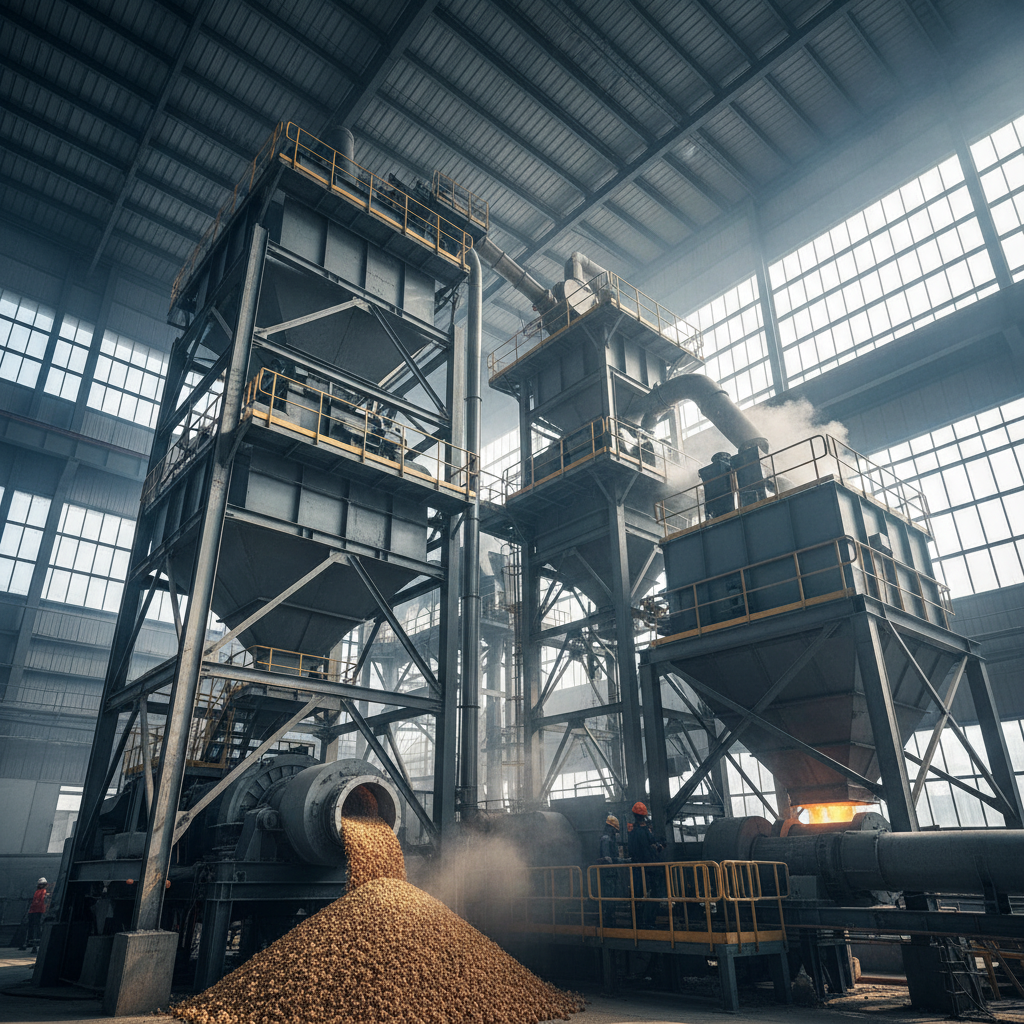
The transition from raw petroleum coke to graphitized carbon represents a significant leap in metallurgical efficiency. The graphitization process rearranges the carbon atoms into a more ordered crystalline structure, which dramatically increases the material's surface area and reactivity within the molten metal.
Current trends indicate a move toward "eco-friendly" additives that reduce the carbon footprint of the smelting process. This is achieved by maximizing the carbon recovery rate—meaning less material is lost to the atmosphere as CO2—thereby aligning industrial productivity with tightening environmental standards.
Looking ahead, the integration of customized carbon grades, tailored to specific steel grades (such as CHQ wire or bearing steel), will allow manufacturers to optimize their additive mix, reducing reliance on bulk market pricing and focusing on precise chemical dosing.
When evaluating the trade-off between the petroleum coke price 2023 and the performance of higher-grade alternatives, procurement teams should utilize a multi-dimensional evaluation matrix. The goal is to identify the "equilibrium point" where the cost of the additive is offset by the gains in productivity and quality.
Key considerations include the required carbon absorption speed, the maximum allowable nitrogen content for the specific steel grade, and the impact on the continuous casting timeline. A material that allows for a shorter baking time or lower slagging rate often provides hidden savings that far exceed the initial purchase price.
The following table provides a comparison framework for evaluating different carbon additive options based on industrial requirements.
| Material Type | Absorption Rate | Nitrogen Risk | Primary Use Case |
|---|---|---|---|
| Raw Pet Coke | Low | High | General Smelting |
| Calcined Coke | Moderate | Moderate | Standard Foundry |
| Standard GPC | High | Low | Specialty Steel |
| Premium GPC | Very High | Very Low | Precision Engineering |
| Fe-C Alloy | Moderate | Low | Rapid Adjustments |
| Custom Mix | Variable | Controlled | Optimized Production |
The 2023 pricing was primarily driven by changes in refinery configurations, where a shift toward lighter distillates reduced the supply of heavy residues. Additionally, global energy volatility and increased demand for low-sulfur, high-purity carbon for specialized steel applications created significant price premiums for refined grades compared to standard industrial coke.
GPC (Graphitized Petroleum Coke) undergoes a high-temperature graphitization process that transforms the amorphous carbon structure into a crystalline one. This results in significantly higher absorptivity, lower nitrogen content, and more uniform particle size, which allows it to dissolve into molten steel faster and more completely than raw petroleum coke.
Nitrogen acts as an impurity in liquid steel that can lead to "nitrogen brittleness." This reduces the toughness, plasticity, and overall fatigue resistance of the final steel product. Using high-purity additives like GPC reduces the nitrogen intake during the recarburization phase, ensuring the mechanical integrity of special steel wires and CHQ wires.
Yes. Although the unit price of GPC is higher than raw coke, its strong carbonization ability reduces the time required for the steel to reach the target carbon level. This shortens the production cycle, reduces energy consumption per heat, and minimizes material waste, leading to a lower total cost per ton of finished steel.
The choice depends on the required precision and volume. Fe-C alloys are often used for very rapid, small-scale carbon adjustments due to their high reactivity. GPC is generally more cost-effective for primary recarburization in larger batches, offering a superior balance of high absorption, low impurity, and lower cost compared to alloy-based methods.
While recarburisers manage the chemistry of the melt, tundish dry vibrating materials ensure the physical stability of the continuous casting process. High-quality magnesia-based materials prevent erosion and maintain a low slagging rate, which purifies the molten steel and ensures that the carbon-adjusted billets maintain their quality during the final solidification phase.
Navigating the fluctuations of the carbon market requires a shift in perspective from "lowest purchase price" to "lowest operational cost." The trends observed in the petroleum coke price 2023 underscore the vulnerability of relying on low-grade raw materials.
By investing in high-performance additives like GPC recarburisers and pairing them with durable refractory solutions, metallurgical plants can decouple their productivity from raw material volatility and ensure a consistent, high-quality output.