
Jan . 28, 2026 11:00 Back to list
Comprehensive Guide to Choosing the Best Insulation Material for Air Conditioning Pipe Foil
Choosing the Right Insulation Material for Air Conditioning Pipe Foil: A Comprehensive Guide
Maintaining the efficiency of your air conditioning system is vital, and a key component is proper insulation material for air conditioning pipe foil. Effective insulation minimizes energy loss, reduces condensation, and ultimately lowers your cooling costs. This article will provide a detailed overview of various insulation materials, their benefits, applications, and how to choose the best option for your needs. We'll explore different types of foil insulation, considering factors like thermal resistance, cost, and ease of installation. Selecting the correct insulation is an investment in the longevity and performance of your AC system.
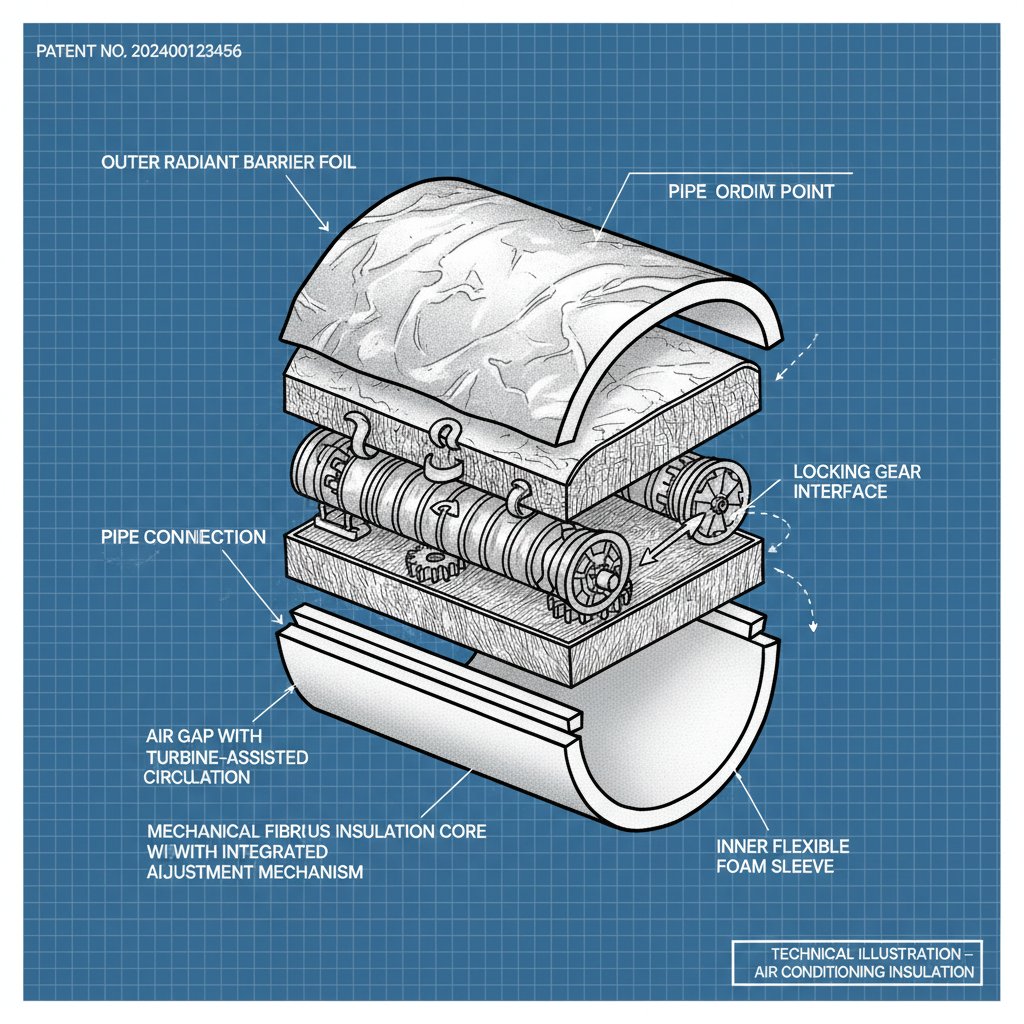
Understanding the Importance of AC Pipe Insulation
Air conditioning pipes, particularly those carrying chilled water or refrigerant, are prone to heat gain or loss. Without proper insulation material for air conditioning pipe foil, this can significantly reduce the system’s efficiency. Cool air can be lost as it travels through uninsulated pipes, forcing the AC unit to work harder and consume more energy. Conversely, warm air can condense on cold pipes, leading to water damage and potential mold growth. Effective insulation acts as a barrier, minimizing these issues and maximizing the system’s performance. Furthermore, insulation helps to maintain consistent temperatures throughout the conditioned space, enhancing comfort.
Key Benefits: Minimizes energy loss, reduces condensation, prevents mold growth, maintains consistent temperatures, extends AC system lifespan.
Types of Insulation Material for Air Conditioning Pipe Foil
Several materials are commonly used for AC pipe insulation. These include fiberglass, polyethylene foam, rubber foam, and foil-faced materials. Each material possesses unique properties in terms of thermal resistance (R-value), cost, and ease of installation. Fiberglass is a traditional option known for its cost-effectiveness, but it requires careful handling to avoid irritation. Polyethylene foam is lightweight and easy to install, offering good insulation. Rubber foam provides excellent thermal and acoustic insulation, but it can be more expensive. Foil-faced materials, often used in conjunction with other insulation types, act as a vapor barrier, preventing moisture penetration.
Material Comparison:
• Fiberglass: Cost-effective, requires careful handling.
• Polyethylene Foam: Lightweight, easy to install, good insulation.
• Rubber Foam: Excellent thermal and acoustic insulation, more expensive.
• Foil-Faced Materials: Acts as vapor barrier, prevents moisture.
Comparing Key Insulation Materials: R-Value and Cost
When selecting insulation material for air conditioning pipe foil, understanding the R-value and cost is crucial. R-value measures the material’s resistance to heat flow – a higher R-value indicates better insulation. However, higher R-values often come with increased costs. The following table compares the R-value and approximate cost per roll for some common insulation materials:
Installation Considerations for Insulation Material for Air Conditioning Pipe Foil
Proper installation is just as important as selecting the right material. Ensure the insulation is cut to the correct length and securely fastened to the pipes using appropriate adhesives, tape, or straps. Avoid compressing the insulation, as this reduces its R-value. Pay close attention to seams and joints, sealing them properly to prevent air leakage and moisture penetration. For foil-faced materials, ensure the foil side faces outwards to act as a vapor barrier. Consult with a professional if you are unsure about any aspect of the installation process. You can find high quality insulation materials and expert advice at Xingtai LuXi.
Selecting the Best Insulation for Your Needs
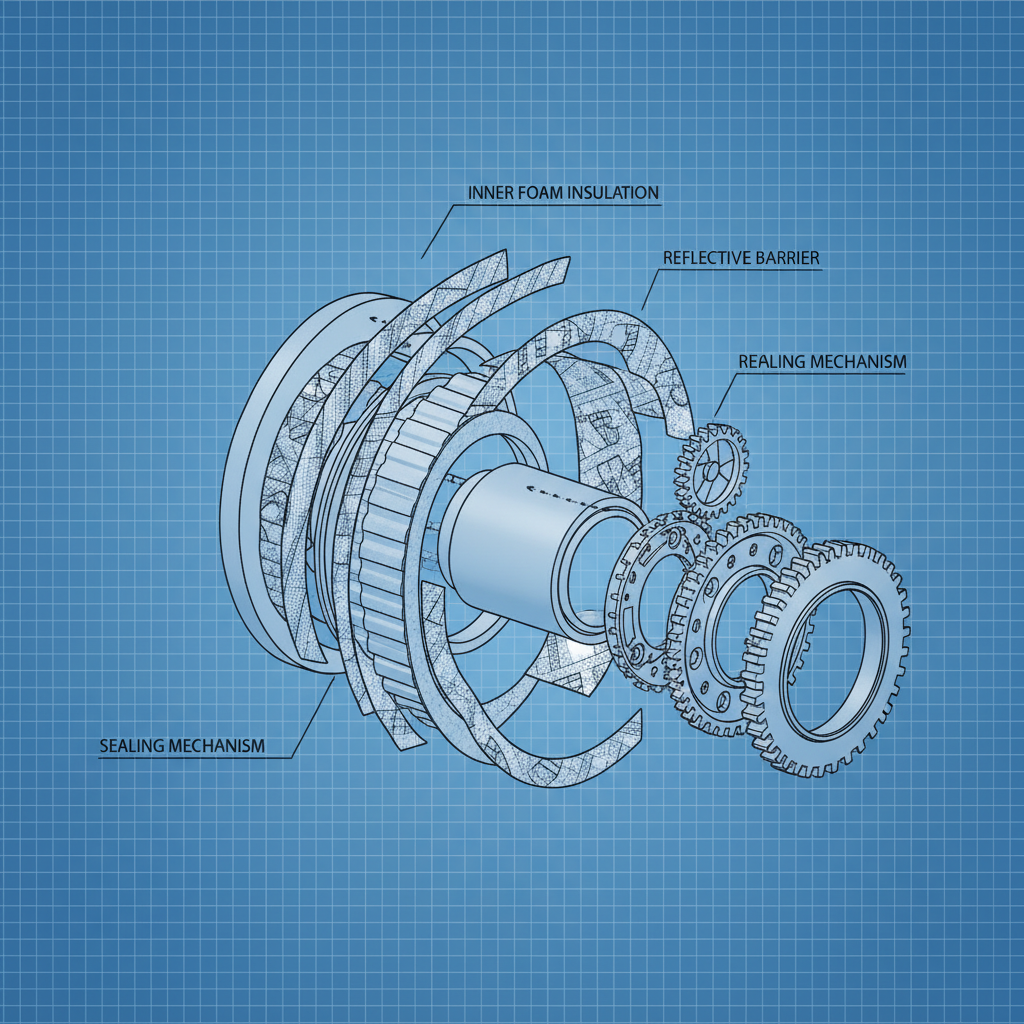
Choosing the best insulation material for air conditioning pipe foil depends on your specific requirements and budget. Consider factors such as climate, pipe location (indoor/outdoor), and the level of thermal performance needed. For areas with high humidity, a vapor barrier is essential. If you are concerned about noise reduction, rubber foam may be a good choice. And for cost-effective insulation, fiberglass remains a viable option.
Conclusion: Investing in Efficient AC Insulation
Investing in quality insulation material for air conditioning pipe foil is a smart choice for long-term energy savings and system efficiency. By carefully considering your needs and choosing the right material, you can optimize your AC’s performance and reduce your environmental footprint. Don’t hesitate to explore the diverse range of insulation options available and consult with professionals for personalized recommendations.
Frequently Asked Questions (FAQs)
What R-value is sufficient for AC pipe insulation?
The required R-value depends on your climate and local building codes. Generally, an R-value of 2 or higher is recommended for most applications. In colder climates, a higher R-value (e.g., 3 or more) may be necessary to prevent heat loss. It’s best to consult with a local HVAC professional or building inspector to determine the appropriate R-value for your specific location and system.
Can I insulate AC pipes myself?
Yes, many homeowners can successfully insulate AC pipes themselves, especially with easy-to-install materials like polyethylene foam. However, it's important to follow the manufacturer's instructions carefully and take appropriate safety precautions. If you're uncomfortable working with tools or dealing with potential hazards, it’s best to hire a professional HVAC technician.
How do I prevent condensation on AC pipes?
To prevent condensation, ensure the pipes are adequately insulated with a material that has a high R-value. Additionally, use a vapor barrier, such as foil-faced insulation, to prevent moisture from penetrating the insulation. Proper ventilation in the area surrounding the pipes can also help reduce condensation. Make sure there aren’t any sources of water nearby causing the humidity to rise.
What are the benefits of using foil-faced insulation?
Foil-faced insulation provides an excellent vapor barrier, preventing moisture from entering the insulation and reducing condensation. It also reflects radiant heat, further enhancing its thermal performance. This makes it an ideal choice for areas with high humidity or temperature fluctuations, and offers an extra layer of protection against energy loss. It's a popular choice for insulation applications where moisture control is paramount.
-
Professional Boiler Refractory Material Supplier for Industrial Efficiency
NewsApr.16,2026
-
How to Choose the Best refractory materials suppliers for Success
NewsApr.09,2026
-
Understanding Refractory Bricks Raw Materials for High Temperature Applications
NewsApr.07,2026
-
PLIbrico Refractory Materials Understanding Applications and Benefits
NewsApr.04,2026
-
Advancements in Reversible Thermal Expansion Refractory Materials for High Temperature Applications
NewsMar.31,2026
-
Comprehensive Guide to Refractory Kiln Lining Material Selection and Applications
NewsMar.28,2026