
Introduction
In the dynamic world of steel production, ferro-carbon balls have emerged as a critical innovation, offering a sustainable and efficient alternative to traditional carbon sources. Developed by Xingtai Luxi Environmental Protection Technology Co., Ltd., these products are designed to optimize the basic oxygen furnace (BOF) process, enhancing both operational efficiency and product quality. This article delves into the technical specifications, advantages, and applications of ferro-carbon balls, supported by insights from authoritative sources like the National Institute of Standards and Technology (NIST).
Product Overview
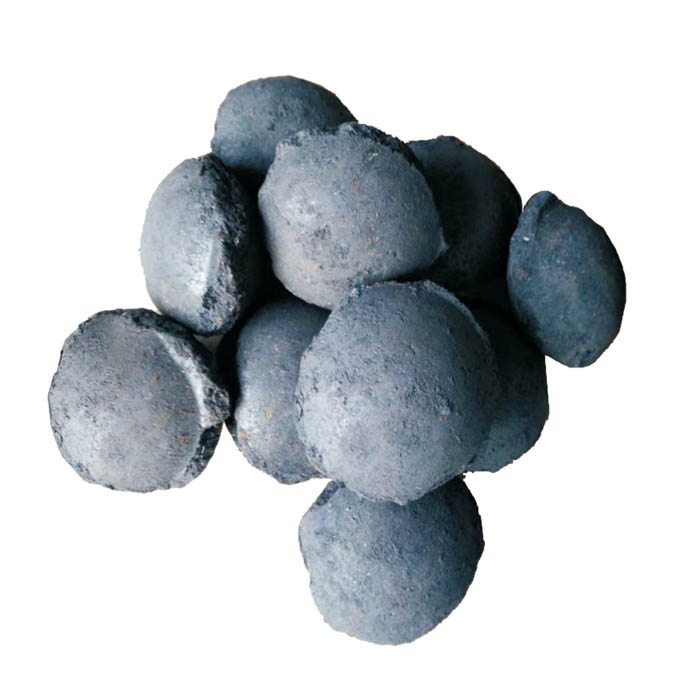
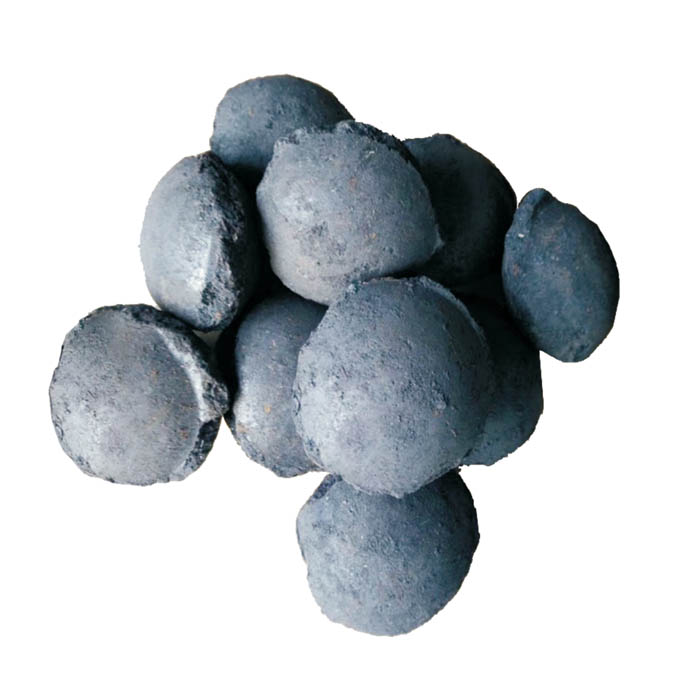
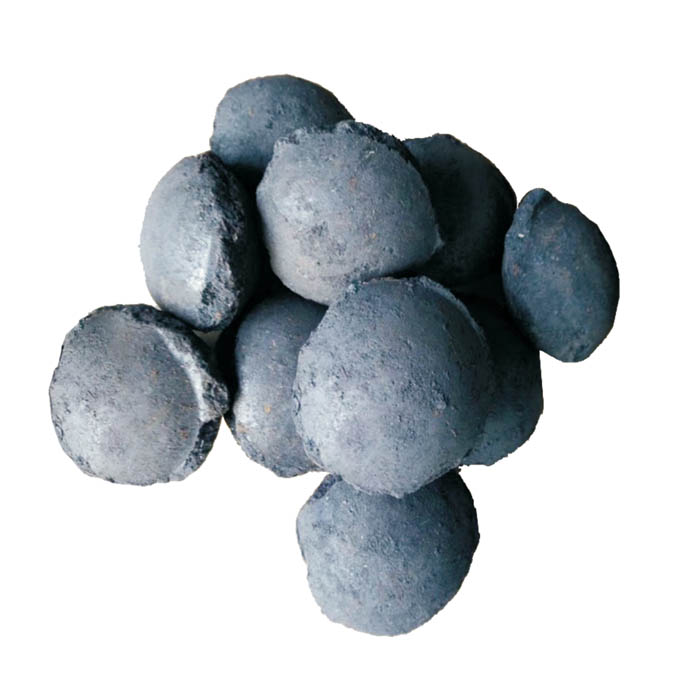
Ferro-carbon balls are specialized materials composed primarily of iron (Fe) and carbon (C), with precise control over impurities such as silicon dioxide (SiO₂), sulfur (S), and phosphorus (P). These balls are engineered to meet the stringent demands of modern steelmaking processes, particularly in the BOF. Their unique composition allows for consistent performance, reducing the need for additional carbon sources and minimizing energy consumption.
Manufactured by Xingtai Luxi Environmental Protection Technology Co., Ltd., these products are a testament to the company's commitment to innovation and environmental sustainability. As a leading manufacturer of building materials, the company leverages advanced technology to produce high-quality ferro-carbon balls that meet international standards.
Technical Specifications
The technical specifications of ferro-carbon balls are critical to their performance in steel production. The following table outlines the key parameters:
| Component | Specification |
|---|---|
| Iron (Fe%) | ≥40% |
| Carbon (C%) | ≥25% |
| Silicon Dioxide (SiO₂%) | ≤10% |
| Sulfur (S%) | ≤0.4% |
| Phosphorus (P%) | ≤0.1% |
| Or as requested | |
Key Advantages
The advantages of using ferro-carbon balls in the BOF process are multifaceted, offering significant benefits to steel producers:
- Temperature Optimization: Adding 1 kg/ton of ferro-carbon balls can increase the end-point temperature of the BOF by approximately 1.4°C, ensuring consistent molten steel quality.
- Cost Efficiency: The use of ferro-carbon balls reduces steel material consumption by about 1.2 kg/ton, contributing to substantial cost savings over time.
- Environmental Benefits: The low trace element content minimizes the production of impurities, supporting the creation of clean steel and aligning with global sustainability goals.
- Operational Flexibility: The product can be tailored to specific requirements, offering customization for different steelmaking scenarios.
These advantages are further validated by NIST standards, which emphasize the importance of precise material composition in industrial applications.
Usage Guide
Proper usage of ferro-carbon balls is essential to maximize their benefits. The following steps outline the recommended procedure:
- Loading Process: Control the loading of molten iron and scrap as usual to ensure a stable foundation for the process.
- Addition Timing: Introduce ferro-carbon balls into the converter after scrap loading but before blowing begins. The total amount should not be less than 15 kg/ton, with 2-3 kg/ton added in each batch based on temperature and slag conditions.
- Additional Materials: Other bulk materials should be added following standard protocols to maintain process consistency.
- Monitoring: Track performance metrics during experiments and adjust the loading time and quantity based on the converter's actual conditions for optimal results.
This structured approach ensures that ferro-carbon balls are utilized effectively, enhancing both efficiency and product quality.
Applications in Steel Production
Ferro-carbon balls are widely used in the steel industry, particularly in the BOF process. Their primary applications include:
- Carbon Source: They serve as a reliable carbon source, replacing traditional materials like coke and coal, which are often associated with higher emissions.
- Temperature Control: By increasing the end-point temperature, they help achieve the desired steel composition and properties.
- Slag Management: Their composition aids in managing slag formation, improving the overall efficiency of the steelmaking process.
- Cost Reduction: By reducing material consumption and energy requirements, they contribute to lower production costs.
These applications highlight the versatility and importance of ferro-carbon balls in modern steel production, as noted by NIST in its guidelines for industrial materials.
Company Background
Xingtai Luxi Environmental Protection Technology Co., Ltd. is a leading manufacturer and supplier of high-quality steelmaking materials, with a focus on sustainable solutions. Established with a commitment to innovation and environmental responsibility, the company has become a trusted partner for steel producers worldwide. Their expertise in developing advanced materials like ferro-carbon balls underscores their dedication to improving industrial processes while minimizing environmental impact.
As a manufacturer of building materials, Xingtai Luxi has expanded its portfolio to include specialized products tailored to the needs of the steel industry. Their products are designed to meet rigorous quality standards, ensuring reliability and performance in demanding applications.
Conclusion
Ferro-carbon balls represent a significant advancement in steel production technology, offering a blend of efficiency, cost-effectiveness, and environmental benefits. Their precise composition and versatile applications make them an indispensable tool for modern steelmakers. With the support of NIST standards and the expertise of Xingtai Luxi Environmental Protection Technology Co., Ltd., these products are poised to drive the future of sustainable steelmaking.
For more information about ferro-carbon balls or to explore other products from Xingtai Luxi, visit their official website.