
Sep . 23, 2025 00:55 Back to list
Ferro-Carbon Balls for BOF-Xingtai Luxi|Steelmaking Efficiency,Sustainability
Ferro-Carbon Balls for BOF (Basic Oxygen Furnace) represent a critical innovation in modern steelmaking processes. These specialized materials are designed to optimize the production of high-quality steel while reducing energy consumption and material waste. This article provides an in-depth analysis of their composition, technical specifications, advantages, and real-world applications, alongside insights into the company behind this technology, Xingtai Luxi Environmental Protection Technology Co., Ltd.
Product Overview: What Are Ferro-Carbon Balls for BOF?
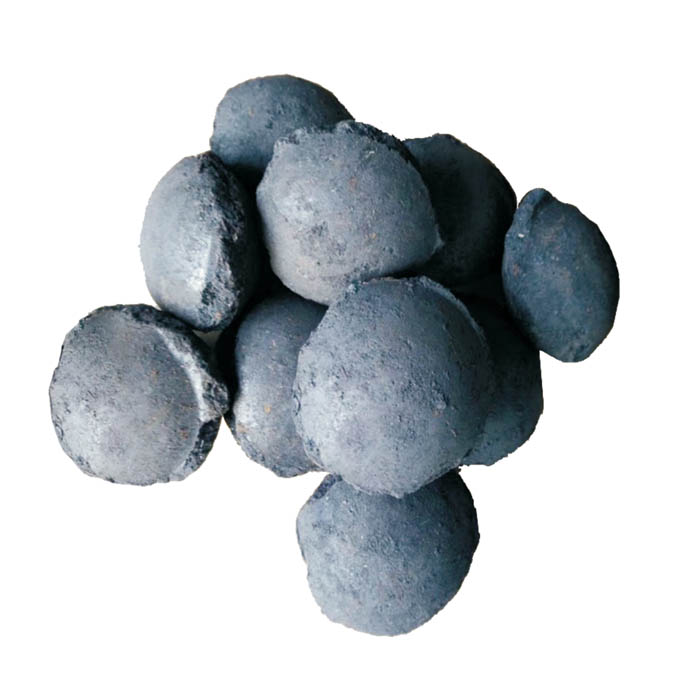
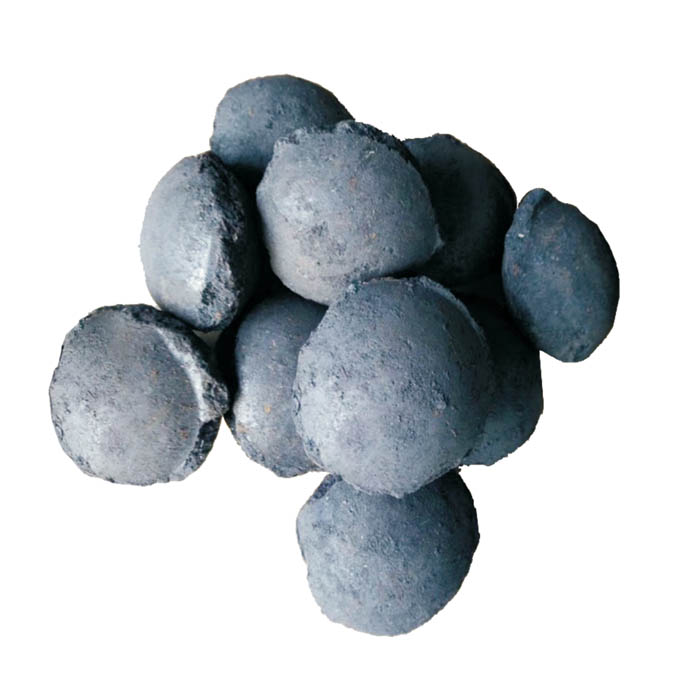
Ferro-Carbon Balls are a type of iron-carbon composite pellet used in the Basic Oxygen Furnace (BOF) process. They serve as a supplementary material to control the chemical composition of molten iron, improve temperature regulation, and enhance the overall efficiency of steel production. These balls are engineered to meet stringent industry standards, ensuring consistency and performance in demanding industrial environments.
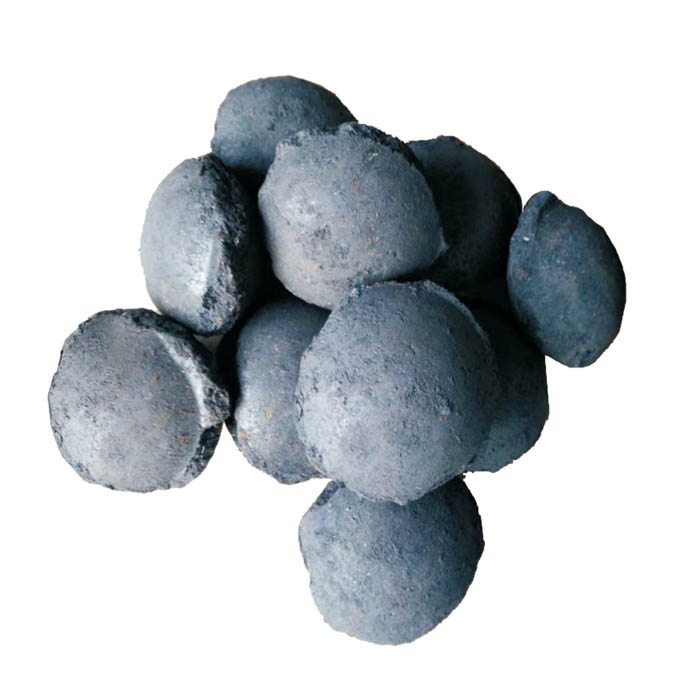
Key Applications: Ferro-Carbon Balls are primarily used in the steelmaking industry to adjust the carbon content of molten iron, control slag formation, and improve the quality of final steel products. Their unique composition allows them to dissolve efficiently in the furnace, minimizing energy loss and maximizing resource utilization.
Technical Specifications: Precision in Composition
The performance of Ferro-Carbon Balls is directly tied to their precise chemical composition. Below is a detailed breakdown of their technical specifications:
| Component | Minimum/Maximum |
|---|---|
| Fe (%) | ≥40 |
| C (%) | ≥25 |
| SiO₂ (%) | ≤10 |
| S (%) | ≤0.4 |
| P (%) | ≤0.1 |
| Or as requested. | |
These specifications ensure that the balls maintain a high iron-to-carbon ratio while minimizing impurities such as sulfur and phosphorus. This low trace element content is critical for producing clean steel, which is essential for applications requiring high purity and mechanical strength.
Key Advantages of Ferro-Carbon Balls for BOF
Ferro-Carbon Balls offer several advantages that make them a preferred choice in steelmaking operations:
- Temperature Control: Adding 1 kg/ton of Ferro-Carbon Balls can increase the end-point temperature of the BOF by approximately 1.4°C, improving process efficiency.
- Material Savings: They reduce steel material consumption by about 1.2 kg/ton, directly lowering production costs.
- Environmental Benefits: The low sulfur and phosphorus content minimizes harmful emissions, aligning with global sustainability goals.
- Operational Flexibility: The balls can be added in controlled batches, allowing operators to adjust quantities based on furnace conditions.
Usage Guidelines: Optimizing Performance in the BOF Process
To achieve optimal results, the following steps are recommended for using Ferro-Carbon Balls in the BOF process:
- Scrap Loading: Begin by loading molten iron and scrap as usual.
- Ball Addition: Add Ferro-Carbon Balls to the converter after scrap loading but before blowing starts. The total amount should be at least 15 kg/ton, with 2–3 kg/ton added in each batch, depending on temperature and slag conditions.
- Additional Materials: Other bulk materials can be introduced following standard procedures.
- Data Monitoring: Track performance metrics during experiments and adjust loading quantities based on converter conditions for continuous improvement.
Following these guidelines ensures that the balls are utilized effectively, maximizing their benefits while maintaining process stability.
Company Background: Xingtai Luxi Environmental Protection Technology Co., Ltd.
Xingtai Luxi Environmental Protection Technology Co., Ltd. is a leading manufacturer of iron-carbon composite materials and other industrial solutions. With a focus on innovation and sustainability, the company has established itself as a trusted supplier in the steelmaking and construction sectors. Their products are designed to meet global standards, supported by rigorous quality control measures and a commitment to customer satisfaction.
For more information about the company, visit their official website: Xingtai Luxi Environmental Protection Technology Co., Ltd.
Industry Relevance and Standards
The use of Ferro-Carbon Balls aligns with industry standards for metallurgical efficiency and environmental compliance. According to the National Institute of Standards and Technology (NIST), precise material composition and process control are critical for optimizing industrial operations. NIST's research on metallurgical standards emphasizes the importance of reducing impurities and improving energy efficiency in steel production (NIST Standards).
By adhering to these principles, Xingtai Luxi ensures that their Ferro-Carbon Balls contribute to cleaner steel production and sustainable manufacturing practices.
Conclusion: A Game-Changer for Modern Steelmaking
Ferro-Carbon Balls for BOF represent a significant advancement in steelmaking technology. Their precise composition, operational flexibility, and environmental benefits make them an indispensable tool for modern steel producers. As the industry continues to prioritize efficiency and sustainability, products like these will play a vital role in shaping the future of metallurgy.
For detailed product specifications and to explore other offerings from Xingtai Luxi, visit their product page: Ferro-Carbon Balls for BOF.
References
NIST (National Institute of Standards and Technology): https://www.nist.gov
This article incorporates data and standards from NIST, reflecting the organization's role in advancing industrial technologies and measurement science.
-
Professional Boiler Refractory Material Supplier for Industrial Efficiency
NewsApr.16,2026
-
How to Choose the Best refractory materials suppliers for Success
NewsApr.09,2026
-
Understanding Refractory Bricks Raw Materials for High Temperature Applications
NewsApr.07,2026
-
PLIbrico Refractory Materials Understanding Applications and Benefits
NewsApr.04,2026
-
Advancements in Reversible Thermal Expansion Refractory Materials for High Temperature Applications
NewsMar.31,2026
-
Comprehensive Guide to Refractory Kiln Lining Material Selection and Applications
NewsMar.28,2026