
Sep . 08, 2025 17:50 Back to list
Ferro-Carbon Balls for BOF-Xingtai Luxi|Temperature Optimization&Material Conservation
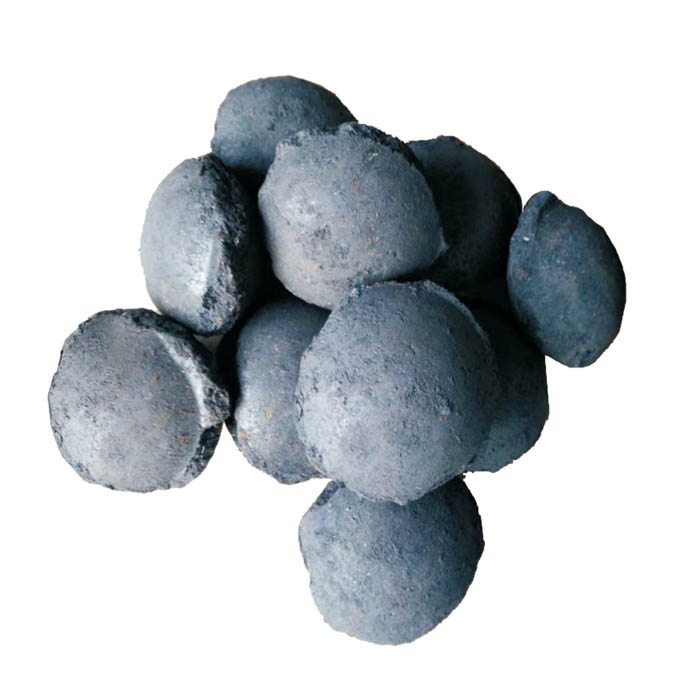
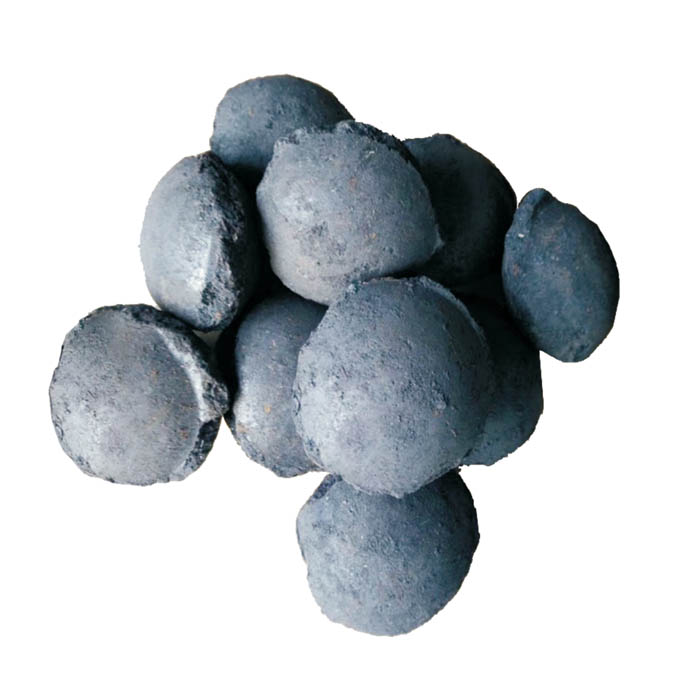
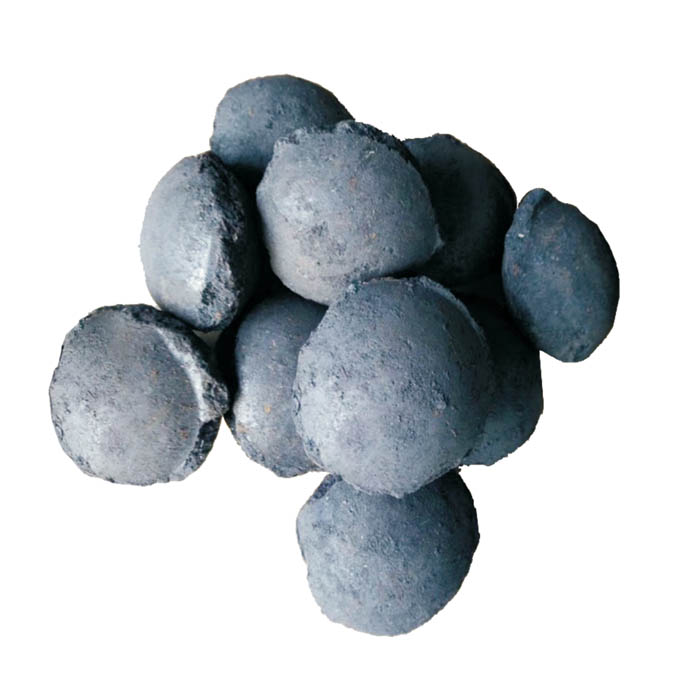
Ferro-carbon balls have emerged as a critical component in modern steelmaking processes, particularly in Basic Oxygen Furnace (BOF) operations. These specialized materials offer a unique combination of performance, cost-efficiency, and environmental benefits, making them indispensable for manufacturers aiming to optimize their production. This article provides an in-depth analysis of the Ferro-Carbon Ball for BOF, including its technical specifications, advantages, applications, and the company behind its innovation—Xingtai Luxi Environmental Protection Technology Co., Ltd.
Product Overview
Ferro-Carbon Balls are engineered to enhance the efficiency of steelmaking by serving as a carbon source while maintaining precise chemical compositions. These balls are designed for use in the BOF process, where they contribute to temperature regulation, material reduction, and clean steel production. The product is a key solution for industries seeking to improve their operational metrics while adhering to stringent quality standards.
Read More About Fe-C Composite Pellets [Product Page]
Technical Specifications
The Ferro-Carbon Ball for BOF is formulated to meet rigorous industrial requirements. Below is a detailed specification table outlining its chemical composition and performance parameters:
| Component | Specification |
|---|---|
| Iron (Fe%) | ≥40% |
| Carbon (C%) | ≥25% |
| SiO₂ (%) | ≤10% |
| Sulfur (S%) | ≤0.4% |
| Phosphorus (P%) | ≤0.1% |
| Or as requested | |
The composition ensures optimal performance in high-temperature environments, with low trace element content that minimizes impurities in the final steel product. This precision is critical for producing clean steel, a key requirement in modern metallurgy.
Read More About Fe-C Composite Pellets [Product Page]
Key Advantages
Ferro-Carbon Balls offer several advantages that make them a preferred choice in steel production:
- Temperature Optimization: Adding 1 kg/ton of ferro-carbon balls can increase the end-point temperature of the BOF by approximately 1.4°C, enhancing process efficiency.
- Material Conservation: The balls reduce steel material consumption by about 1.2 kg/ton, contributing to cost savings and sustainability.
- Clean Steel Production: Their low trace element content ensures minimal contamination, supporting the production of high-purity steel.
Read More About Fe-C Composite Pellets [Product Page]
Usage and Application
The proper application of ferro-carbon balls is crucial to achieving their full potential. The following steps outline the recommended usage:
- Scrap Loading: Control the loading of molten iron and scrap as per standard procedures.
- Ball Addition: Add ferro-carbon balls to the converter after scrap loading but before blowing starts. The total amount should be at least 15 kg/ton, with 2–3 kg/ton added in batches based on temperature and slag conditions.
- Additional Materials: Other bulk materials can be added as usual.
- Optimization: Monitor performance during experiments and adjust loading times and quantities based on converter conditions.
This method ensures that the balls are effectively integrated into the steelmaking process, maximizing their benefits while minimizing waste.
Industry Applications
Ferro-carbon balls are versatile and applicable across various steelmaking scenarios, including:
- Basic Oxygen Furnace (BOF) Operations: Ideal for temperature control and carbon addition in BOF processes.
- Steel Production Optimization: Reduces material consumption and improves yield in high-volume production environments.
- Environmental Compliance: Their low impurity content aligns with regulations for clean steel production.
Company Background: Xingtai Luxi Environmental Protection Technology Co., Ltd.
Xingtai Luxi Environmental Protection Technology Co., Ltd. is a leading manufacturer of advanced materials for the metallurgical industry. With a focus on innovation and sustainability, the company has established itself as a reliable supplier of high-quality ferro-carbon balls. Their commitment to clean steel production and eco-friendly solutions positions them as a key player in the global steelmaking sector.
For more information about the company, visit their official website.
Ensuring Quality: NIST Standards and Industry Compliance
The National Institute of Standards and Technology (NIST) plays a pivotal role in defining measurement standards and ensuring the reliability of industrial materials. While NIST does not directly regulate ferro-carbon balls, its work in metallurgical standards and material testing provides a framework for evaluating the quality and performance of such products. According to NIST, "Precise measurements and standardized testing are essential for ensuring the consistency and reliability of industrial materials" (NIST.gov). This aligns with the rigorous specifications of ferro-carbon balls, which must meet exacting standards to function effectively in high-temperature environments.
Conclusion
Ferro-carbon balls for BOF represent a significant advancement in steelmaking technology. Their ability to enhance temperature control, reduce material consumption, and support clean steel production makes them an invaluable asset for modern manufacturers. With Xingtai Luxi Environmental Protection Technology Co., Ltd. at the forefront of innovation, these products continue to drive efficiency and sustainability in the industry. As the demand for high-quality steel grows, the role of ferro-carbon balls will only become more critical, supported by the robust standards and research initiatives of institutions like NIST.
References
NIST (National Institute of Standards and Technology). "What We Do." https://www.nist.gov
-
Professional Boiler Refractory Material Supplier for Industrial Efficiency
NewsApr.16,2026
-
How to Choose the Best refractory materials suppliers for Success
NewsApr.09,2026
-
Understanding Refractory Bricks Raw Materials for High Temperature Applications
NewsApr.07,2026
-
PLIbrico Refractory Materials Understanding Applications and Benefits
NewsApr.04,2026
-
Advancements in Reversible Thermal Expansion Refractory Materials for High Temperature Applications
NewsMar.31,2026
-
Comprehensive Guide to Refractory Kiln Lining Material Selection and Applications
NewsMar.28,2026