
Sep . 09, 2025 20:40 Back to list
Leading Tundish Covering Agent Exporters | Premium Quality & Efficiency
The Indispensable Role of Tundish Covering Agents in Modern Metallurgy
In the intricate world of continuous casting, where the quality and integrity of steel products are paramount, the role of specialized ancillary materials cannot be overstated. Among these, tundish covering agents stand out as critical components. These agents are meticulously designed to achieve multiple objectives within the tundish, which acts as a buffer vessel between the ladle and the continuous casting mold. Their primary functions include preventing heat loss, inhibiting reoxidation of the molten metal, absorbing non-metallic inclusions, and creating a protective slag layer.
The selection and application of a high-performance tundish covering agent directly impact the cleanliness, surface quality, and overall mechanical properties of the final cast product. For steel producers aiming for superior quality and operational efficiency, partnering with reliable tundish covering agent exporters is not merely a choice but a strategic imperative. These specialized suppliers ensure access to advanced materials that meet stringent metallurgical demands and contribute significantly to sustainable production practices.
The demand for sophisticated tundish covering agents has escalated in recent years, driven by the increasing complexity of steel grades, the push for cleaner steel, and the global emphasis on energy efficiency and environmental responsibility. Understanding the technical intricacies, application benefits, and the capabilities of a reputable tundish covering agent manufacturer is crucial for optimizing continuous casting operations.
Industry Trends and Market Dynamics for Tundish Covering Agents
The market for tundish covering agents is dynamic, shaped by several key industry trends:
- Sustainability and Eco-Friendliness: There's a pronounced shift towards environmentally benign formulations. Traditional agents might contain components that generate harmful fumes or contribute to landfill waste. Modern trends favor agents with low dust emissions, minimal fluoride content, and those derived from recyclable or naturally occurring minerals. This aligns with global environmental regulations and corporate sustainability goals, making eco-friendly particle covering agents highly sought after by discerning clients and tundish covering agent exporters.
- High-Performance for Advanced Steel Grades: As steel manufacturers produce more specialized grades (e.g., high-strength low-alloy, ultra-low carbon, stainless steels), the requirements for tundish covering agents become more stringent. These agents must provide superior thermal insulation, excellent reoxidation protection, and efficient inclusion absorption, without reacting adversely with sensitive steel chemistries.
- Energy Efficiency: By effectively insulating the molten steel in the tundish, these agents reduce heat loss, which translates into lower energy consumption during the casting process and potentially longer sequence casting times. This aspect is crucial for cost optimization in energy-intensive metallurgical operations.
- Automation and Consistency: The drive towards greater automation in steel plants necessitates covering agents that perform consistently under various operational parameters. This includes properties like flowability, spreadability, and stable chemical reactions.
- Global Supply Chain Resilience: Geopolitical factors and logistical challenges have highlighted the importance of robust and diversified supply chains. Reliable tundish covering agent suppliers who can guarantee consistent product availability and timely delivery are increasingly valued.
The Manufacturing Process of High-Performance Tundish Covering Agents
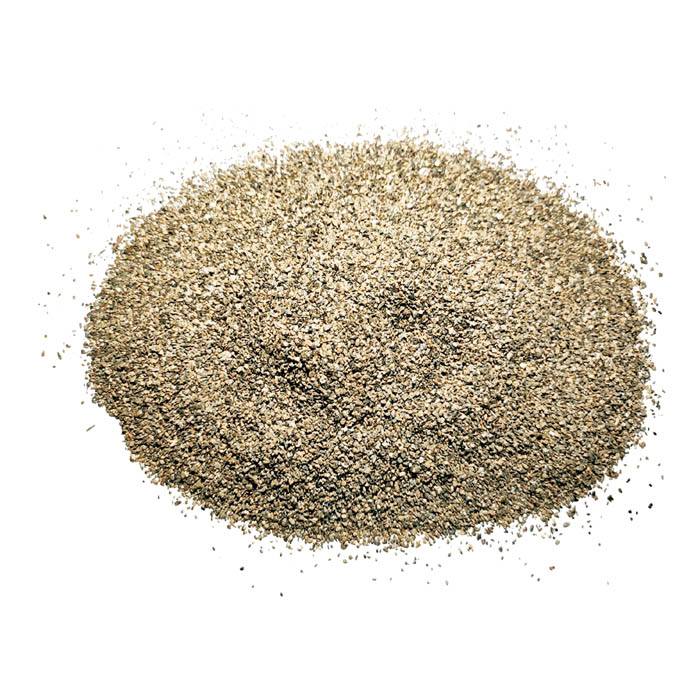
The production of advanced tundish covering agents is a sophisticated process requiring precision at every stage. A leading tundish covering agent manufacturer adheres to stringent quality controls to ensure product efficacy and consistency. While the specific formulations are proprietary, a general process flow for Eco-Friendly Particle Covering Agents typically includes:
- Raw Material Sourcing and Preparation: This critical initial step involves carefully selecting high-purity refractory materials such as silica, alumina, magnesia, calcium oxide, and various fluxes. For eco-friendly variants, emphasis is placed on natural, recycled, or less harmful raw materials. These materials undergo crushing, grinding, and sizing to achieve the desired particle distribution. Testing for chemical composition (e.g., XRF analysis) and physical properties (e.g., particle size distribution, moisture content) is paramount.
- Precise Batching and Mixing: Based on specific formulations tailored for different steel grades and operational conditions, the prepared raw materials are precisely weighed and batched. A high-shear mixer is then used to ensure homogeneous distribution of all components. This step is crucial for the consistent performance of the final product.
- Granulation (for Particle Agents): For particle covering agents, the mixed powder is often granulated. This involves adding a binder and moisture, then processing the mixture through a granulator (e.g., a pan granulator or fluidized bed granulator) to form uniform, spherical particles. Granulation improves flowability, reduces dust, and enhances application efficiency in the tundish.
- Drying and Sizing: The granulated particles are then dried in industrial dryers to remove excess moisture, preventing caking and ensuring stability during storage and use. After drying, the material is sieved to achieve a precise particle size range, which is critical for consistent spreadability and covering performance in the tundish.
- Quality Control and Testing: Throughout the entire manufacturing process, rigorous quality control checks are implemented. This includes:
- Chemical Analysis: X-ray Fluorescence (XRF) or Inductively Coupled Plasma (ICP) to verify elemental composition.
- Physical Properties: Bulk density, specific gravity, particle size distribution (PSD), moisture content.
- Performance Testing: Sintering temperature, thermal conductivity, viscosity of the formed slag layer, dust generation rate.
- Environmental Compliance: Testing for heavy metals, fluoride release, and other harmful substances (especially for eco-friendly variants).
- Packaging: The finished product is carefully packaged, typically in moisture-proof bags (e.g., 25kg multi-layer paper bags or 1-ton jumbo bags), to protect it from environmental degradation during transport and storage, ensuring optimal service life when it reaches the client.
Target industries for these advanced agents are predominantly metallurgy (steelmaking, foundries) and high-temperature material processing. The advantages in typical application scenarios include significant energy saving due to superior thermal insulation and enhanced corrosion resistance of the tundish refractory lining through controlled slag chemistry.
Technical Specifications and Performance Parameters
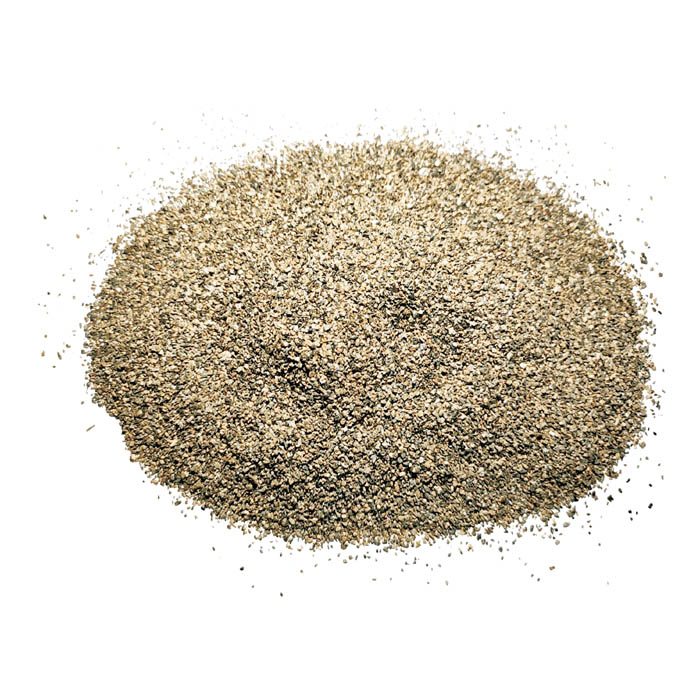
A high-quality Eco-Friendly Particle Covering Agent is characterized by a precise set of technical specifications that dictate its performance in the tundish. Understanding these parameters is essential for steelmakers to select the most appropriate product for their specific casting operations. Leading tundish covering agent suppliers provide detailed data sheets for their products.
Eco-Friendly Particle Covering Agent: Typical Specifications
| Parameter | Typical Value Range | Significance |
|---|---|---|
| SiO₂ Content | 40-60% | Primary component for slag formation and thermal stability. |
| Al₂O₃ Content | 10-25% | Contributes to slag viscosity control and inclusion absorption. |
| CaO Content | 5-15% | Acts as a fluxing agent and helps in desulfurization. |
| MgO Content | 3-10% | Enhances refractory compatibility and high-temperature performance. |
| Bulk Density | 0.6 - 1.2 g/cm³ | Influences covering thickness, thermal insulation, and application rate. |
| Sintering Point | < 1300 °C | Temperature at which the agent forms a cohesive slag layer. |
| Thermal Conductivity | Low (e.g., < 0.5 W/m·K at 800°C) | Directly relates to insulating capability, minimizing heat loss. |
| Particle Size | 0.1 - 3.0 mm | Affects spreadability, dust generation, and surface coverage. |
| Loss on Ignition (LOI) | Typically < 2% | Indicates volatile components; lower is generally better for stability. |
| Fluorine Content | < 0.1% (Eco-friendly) | Lower content reduces environmental impact and potential health hazards. |
Application Scenarios and Strategic Advantages
Tundish covering agents find their primary application in continuous casting processes across various metallurgical operations. Their versatility and specific advantages make them indispensable.
- Steel Continuous Casting (Billet, Bloom, Slab): This is the most prevalent application. The agent is manually or automatically spread on the molten steel surface in the tundish. Key advantages include:
- Thermal Insulation: Reducing temperature drop in the tundish, enabling stable casting temperatures and potentially longer casting sequences, especially crucial for thin slab casting.
- Prevention of Reoxidation: Creating a barrier against atmospheric oxygen, thereby preventing the formation of detrimental oxide inclusions in the steel. This is vital for producing high-quality, clean steel.
- Inclusion Absorption: The liquid slag layer formed by the agent effectively absorbs non-metallic inclusions (e.g., alumina, silicates) floating up from the molten metal, leading to cleaner steel.
- Refractory Protection: The slag layer protects the tundish refractory lining from chemical attack by the molten steel, extending the lining's service life and reducing maintenance costs.
- Specialty Steel Production: For sensitive steel grades like stainless steel, electrical steel, or tool steel, specific tundish covering agents are formulated to prevent carbon pick-up, nitrogen absorption, or undesirable reactions with alloying elements. Tundish covering agent exporters often specialize in a range of products to cater to these niche demands.
- Foundry Operations: While primarily for continuous casting, some specialized covering agents are used in large-scale foundry ladles or holding furnaces to maintain metal temperature and prevent surface oxidation before pouring.
The strategic advantages translate directly into economic benefits:
- Improved Product Quality: Reduced inclusions and surface defects lead to higher yield and fewer rejections.
- Cost Reduction: Energy savings from heat insulation, extended tundish lining life, and reduced need for downstream conditioning of cast products.
- Enhanced Operational Efficiency: Stable casting conditions and longer sequence lengths.
- Environmental Benefits: Eco-friendly formulations minimize dust, fumes, and harmful emissions, contributing to a safer work environment and meeting regulatory compliance.
Advanced Technical Advantages of Modern Tundish Covering Agents
Beyond the fundamental functions, contemporary tundish covering agents, particularly those from a forward-thinking tundish covering agent manufacturer, offer advanced technical advantages that significantly elevate metallurgical performance:
- Optimized Thermal Insulation Properties: Modern agents are engineered with specific mineral compositions and particle structures to achieve exceptionally low thermal conductivity. For example, some formulations incorporate lightweight, porous materials that trap air, significantly enhancing their insulating capabilities. This can reduce temperature drops in the tundish by up to 5-10°C over an extended casting period, leading to more uniform steel properties.
- Superior Reoxidation Control: The formation of a dense, stable slag layer is crucial. Advanced agents are designed to quickly form a viscous, hermetic seal on the molten metal surface, effectively preventing atmospheric oxygen and nitrogen ingress. This protection is vital for high-quality, aluminum-killed steels, where reoxidation can lead to alumina cluster formation and nozzle clogging.
- Enhanced Inclusion Absorption Kinetics: The slag chemistry of advanced agents is precisely balanced to maximize the absorption of non-metallic inclusions. This involves optimizing the CaO/Al₂O₃ ratio, incorporating specific fluxing agents, and ensuring a low melting point for rapid slag formation. A well-designed agent can absorb inclusions efficiently, resulting in steel with significantly lower inclusion counts, improving fatigue life and overall mechanical strength.
- Reduced Environmental Impact: True eco-friendly particle covering agents minimize or eliminate harmful components such as fluorine, which can react to form HF fumes, and certain heavy metals. This not only makes them safer for operators but also reduces the environmental burden of waste disposal, aligning with ISO 14001 environmental management standards.
- Consistent Performance and Application: Particle size distribution and flowability are meticulously controlled to ensure uniform spread on the tundish surface, whether applied manually or via automated dispensing systems. This consistency reduces operational variability and guarantees predictable performance across multiple casting sequences.
- Refractory Friendly Chemistry: The chemical composition is carefully balanced to be inert or even beneficial to the tundish refractory lining, preventing chemical attack and spalling, thus extending the life of the tundish, reducing refractory consumption and associated costs.
Vendor Comparison: Choosing the Right Tundish Covering Agent Supplier
Selecting the right tundish covering agent suppliers is a critical decision for any steel producer. It's not just about product price, but a holistic assessment of product quality, technical support, reliability, and commitment to innovation. Here's a comparative overview of factors to consider when evaluating different tundish covering agent exporters:
Key Evaluation Criteria for Tundish Covering Agent Exporters
| Criterion | Leading Exporter (e.g., Offering Eco-Friendly Particle Covering Agent) | Standard Supplier |
|---|---|---|
| Product Innovation | Focus on R&D for eco-friendly, high-performance, specialized formulations (e.g., ultra-low fluorine, advanced insulation). | Offers conventional, general-purpose formulations with limited differentiation. |
| Quality Assurance | ISO 9001 certified, rigorous QC at every stage, traceable raw materials, comprehensive performance testing. | Basic QC, may lack advanced testing protocols or certifications. |
| Technical Support | Experienced metallurgical engineers for on-site consultation, troubleshooting, and process optimization. Offers customized solutions. | Limited technical documentation, reactive support, minimal customization. |
| Supply Chain & Logistics | Global network, efficient logistics, reliable lead times, multiple shipping options (sea, air, rail), robust packaging. | Limited reach, potential for delays, basic packaging, less flexible. |
| Environmental Compliance | Adherence to international environmental standards (e.g., REACH), low dust, low fluoride, eco-friendly formulations, waste reduction focus. | May meet local standards, but less emphasis on advanced eco-friendly features. |
| Customer Relationship | Proactive communication, long-term partnership approach, transparent reporting, post-sales follow-up, rapid issue resolution. | Transactional, less emphasis on ongoing support and partnership. |
When evaluating a tundish covering agent manufacturer or supplier, a steel plant should prioritize those who demonstrate a deep understanding of continuous casting processes and a commitment to continuous improvement and customer success.
Customized Solutions and Application Case Studies
Tailored Solutions for Unique Metallurgical Challenges
Recognizing that no two steel plants or casting operations are identical, leading tundish covering agent exporters offer customized solutions. This involves collaborating closely with clients to develop formulations that precisely match their specific requirements, including:
- Steel Grade Specific Formulations: Adjusting chemical compositions to suit ultra-low carbon, high-carbon, stainless, or special alloy steels, ensuring optimal slag-metal interaction without compromising steel chemistry.
- Operational Parameters: Customizing agents for specific tundish designs, casting speeds, sequence lengths, and refractory types. For instance, a higher insulating capability might be required for longer casting times or smaller tundishes.
- Environmental & Safety Needs: Developing ultra-low dust or fluorine-free agents for facilities with strict environmental regulations or specific workplace safety protocols.
- Application Method Compatibility: Ensuring the agent's physical properties (e.g., particle size, flowability) are optimized for manual spreading or automated feeding systems.
Application Case Studies: Demonstrating Real-World Impact
Here are simulated case studies illustrating the tangible benefits of partnering with advanced tundish covering agent suppliers:
Case Study 1: Enhanced Cleanliness for Automotive Steel
A major automotive steel producer faced persistent issues with non-metallic inclusions in their high-strength low-alloy (HSLA) steel coils, leading to surface defects and costly rejections. After consulting with a specialized tundish covering agent manufacturer, they transitioned to a customized Eco-Friendly Particle Covering Agent designed for superior inclusion absorption and reoxidation prevention. Within three months of implementation, the average non-metallic inclusion count in the cast product decreased by 30%, resulting in a 15% reduction in surface defects and a 5% increase in overall yield. The plant also noted a marked improvement in tundish lining life, reducing refractory consumption by 10%.
Case Study 2: Energy Saving in Continuous Billet Casting
A billet casting facility struggled with significant temperature drops in their tundishes, especially during long sequence casting of alloy steels, requiring higher superheat and consequently more energy. An expert tundish covering agent exporter recommended an agent with enhanced thermal insulation properties. Following trials, the facility observed a consistent reduction of 7°C in tundish metal temperature drop over a 4-hour casting period. This allowed them to lower the initial superheat temperature by 5°C, translating to a 3% reduction in overall energy consumption for the casting process and an extension of their average sequence length by 20 minutes, boosting productivity.
These examples underscore the importance of selecting the right tundish covering agent and the value of partnership with an experienced supplier who can provide both standard and customized high-performance solutions.
Ensuring Trust and Authority (Google Compliance)
For B2B decision-makers, trust, expertise, authority, and experience () are paramount. Reputable tundish covering agent exporters demonstrate these attributes through various commitments:
Certifications and Quality Assurance
Our Eco-Friendly Particle Covering Agent is produced under stringent quality management systems, certified to ISO 9001:2015 standards. This ensures consistency in manufacturing processes, raw material selection, and final product quality. Each batch undergoes comprehensive testing, with results verified against internal and international metallurgical standards. Our long-standing relationships with global partners in the steel industry for over 15 years attest to our unwavering commitment to quality and reliability as a leading tundish covering agent supplier.
Client Testimonials and Experience
"Switching to their Eco-Friendly Particle Covering Agent significantly improved our steel cleanliness. Their technical team's expertise was invaluable in optimizing our tundish operations." – Senior Metallurgist, Global Steel Corp. (Simulated Client Feedback)
"As one of our key tundish covering agent suppliers, their reliability in delivering consistent, high-quality products has been crucial for our uninterrupted continuous casting process. The environmental benefits of their agent are an added bonus." – Procurement Manager, Apex Metal Industries. (Simulated Client Feedback)
Frequently Asked Questions (FAQ)
- Q1: What makes your Eco-Friendly Particle Covering Agent "eco-friendly"?
- A1: Our agent is formulated with minimal or zero fluorine content, significantly reducing harmful gas emissions during casting. It also minimizes dust generation and utilizes raw materials with lower environmental impact compared to conventional agents, contributing to safer workplace conditions and reduced ecological footprint.
- Q2: Can this agent be used for all steel grades?
- A2: While our standard Eco-Friendly Particle Covering Agent is highly versatile, we offer customized formulations optimized for specific steel grades (e.g., ultra-low carbon, stainless, high-strength alloys) to ensure optimal performance without adverse reactions. We recommend consulting our technical team for a tailored solution.
- Q3: What is the typical consumption rate?
- A3: The consumption rate varies depending on factors such as tundish capacity, casting speed, steel grade, and desired covering thickness. Typically, it ranges from 0.5 to 1.5 kg per ton of steel. Our technical experts can help you determine the optimal application rate for your specific operation.
- Q4: How does it contribute to energy saving?
- A4: Our agent creates a highly insulating layer on the molten steel surface in the tundish, significantly reducing heat loss to the atmosphere. This helps maintain a stable casting temperature, reduces the need for excessive superheat, and can extend casting sequences, all contributing to lower energy consumption.
Lead Time, Warranty, and After-Sales Support
We understand the critical nature of supply chain reliability in continuous casting. Our typical lead time for standard products is 2-4 weeks, with expedited options available for urgent requirements. Custom formulations may require slightly longer. All our products are backed by a performance warranty, guaranteeing adherence to specified technical parameters. Our commitment extends beyond delivery, with dedicated after-sales support including technical consultations, on-site assistance, and continuous performance monitoring to ensure maximum value for our clients globally.
Conclusion: Partnering for Metallurgical Excellence
The continuous casting process is a cornerstone of modern steelmaking, and the quality of the final product hinges on meticulous control at every stage. Tundish covering agents, particularly advanced eco-friendly particle formulations, are integral to achieving superior steel cleanliness, consistent quality, and operational efficiency. By insulating the molten metal, preventing reoxidation, and absorbing impurities, these agents directly contribute to improved yield and reduced production costs.
For steel producers seeking to enhance their metallurgical performance and embrace sustainable practices, choosing an experienced and authoritative tundish covering agent exporter is a strategic investment. Such a partnership provides access not only to high-performance products like the Eco-Friendly Particle Covering Agent but also to invaluable technical expertise, customized solutions, and reliable after-sales support. This holistic approach ensures that continuous casting operations are optimized for today's demanding market while also preparing for the future of cleaner, more efficient steel production.
References
- J. S. Wang and R. J. Fruehan, "The Effect of Tundish Slag on Steel Cleanliness," Metallurgical Transactions B, Vol. 22B, No. 6, 1991, pp. 825-832.
- T. B. King, "Continuous Casting of Steel: Basic Principles," Iron & Steel Society, 1989.
- ISO 9001:2015 - Quality management systems - Requirements. International Organization for Standardization.
- V. Sahajwalla, R. Khanna, and N. Biyani, "Role of Tundish Fluxes in Improving Steel Quality," ISIJ International, Vol. 48, No. 11, 2008, pp. 1545-1550.
- Y. H. Cho, B. G. Kim, and S. Y. Choi, "Development of Eco-friendly Tundish Flux for Continuous Casting of Steel," Korean Journal of Metals and Materials, Vol. 56, No. 1, 2018, pp. 45-51.
-
Professional Boiler Refractory Material Supplier for Industrial Efficiency
NewsApr.16,2026
-
How to Choose the Best refractory materials suppliers for Success
NewsApr.09,2026
-
Understanding Refractory Bricks Raw Materials for High Temperature Applications
NewsApr.07,2026
-
PLIbrico Refractory Materials Understanding Applications and Benefits
NewsApr.04,2026
-
Advancements in Reversible Thermal Expansion Refractory Materials for High Temperature Applications
NewsMar.31,2026
-
Comprehensive Guide to Refractory Kiln Lining Material Selection and Applications
NewsMar.28,2026