
Sep . 22, 2025 13:30 Back to list
Reliable Vermiculite in Soil Exporters | Premium Quality & Global
The Strategic Role of High-Quality Vermiculite in Soil for Global Horticulture
In the rapidly evolving global agricultural and horticultural landscape, the demand for advanced soil amendments that enhance plant growth, optimize water usage, and promote sustainable practices is paramount. Among these, vermiculite stands out as a critical component, widely recognized for its exceptional physical and chemical properties. For B2B stakeholders, understanding the intricacies of sourcing, quality assurance, and global supply chains for horticultural vermiculite is essential. This article delves into the expertise of leading vermiculite in soil exporters, offering insights into technical specifications, application advantages, and market trends.
The Manufacturing and Export Process of Horticultural Vermiculite
The journey of vermiculite from raw ore to a premium soil amendment involves a meticulously controlled manufacturing and export process, ensuring the final product meets stringent horticultural demands. As a leading vermiculite in soil manufacturer, our process prioritizes purity, consistency, and performance.
Process Flow: From Mine to Market
- Raw Material Sourcing: High-grade vermiculite ore is sourced from established mines known for their geological purity. The raw material is a hydrated magnesium aluminum silicate mineral, characterized by its lamellar structure. Quality checks at this stage ensure minimal impurities and optimal chemical composition.
- Crushing and Screening: The raw ore undergoes primary crushing to reduce its size, followed by precise screening processes to separate particles into various size fractions. This step is crucial for achieving consistent particle sizes required for different horticultural applications.
- Exfoliation (Expansion): This is the most critical stage. The screened vermiculite is subjected to rapid heating at temperatures typically ranging from 700°C to 1100°C in specialized furnaces. The absorbed water within the mineral layers turns into steam, causing the flakes to expand significantly (up to 8-20 times their original volume), creating a lightweight, porous material. This expanded vermiculite exhibits excellent insulation, water retention, and aeration properties. The exothermic exfoliation process is carefully monitored for temperature and dwell time to ensure optimal expansion ratio and structural integrity.
- Grading and Classification: Post-exfoliation, the expanded vermiculite is further classified by particle size into different grades (e.g., fine, medium, coarse). These grades are tailored for specific uses, from seed starting to hydroponics. Strict adherence to ASTM standards for particle size distribution ensures product consistency.
- Quality Control and Testing: Each batch undergoes rigorous testing for bulk density, water holding capacity (WHC), cation exchange capacity (CEC), pH neutrality, and absence of pathogens. Our internal standards often exceed ISO 9001 quality management system requirements to guarantee superior performance.
- Packaging and Logistics: The final product is packaged into durable bags (e.g., 100L, 1m³) or bulk container111s, designed to protect the material during transit. Efficient logistics, overseen by experienced vermiculite in soil exporters, ensure timely and secure delivery to global clients. Our extensive network allows us to serve diverse target industries including commercial horticulture, nurseries, hydroponic farms, and specialty agriculture.
The service life of vermiculite in soil applications is considerable, often remaining effective for multiple growing seasons due to its stable mineral structure. Its inherent advantages in typical application scenarios include significantly improved water and nutrient retention, superior aeration for root development, and temperature buffering capabilities, indirectly contributing to energy saving in controlled environments by moderating soil temperature fluctuations.
Technical Specifications and Advantages of Quality Horticultural Vermiculite
The performance of vermiculite in soil applications is directly attributable to its unique physicochemical properties. A thorough understanding of these specifications is crucial for horticultural professionals selecting a reliable vermiculite in soil supplier.
Key Technical Parameters:
| Property | Typical Range (Horticultural Grade) | Significance in Soil |
|---|---|---|
| Bulk Density (Loose) | 90 - 150 kg/m³ | Extremely lightweight, reduces weight of potting mixes, improves aeration. |
| Water Holding Capacity (WHC) | 300 - 500% (by weight) | Exceptional moisture retention, reducing irrigation frequency and runoff. |
| Cation Exchange Capacity (CEC) | 80 - 150 meq/100g | Ability to retain and release essential nutrients (K+, Ca2+, Mg2+) to plants. |
| pH | 6.5 - 7.5 (Neutral) | Stable pH, buffers soil acidity/alkalinity, ideal for most plants. |
| Thermal Conductivity | Low (0.06 - 0.07 W/mK) | Provides insulation, moderating soil temperature fluctuations. |
| Particle Size (Grade Dependent) | Fine (0.5-1mm), Medium (1-3mm), Coarse (3-6mm) | Allows customization for different drainage and aeration requirements. |
These properties collectively offer significant advantages:
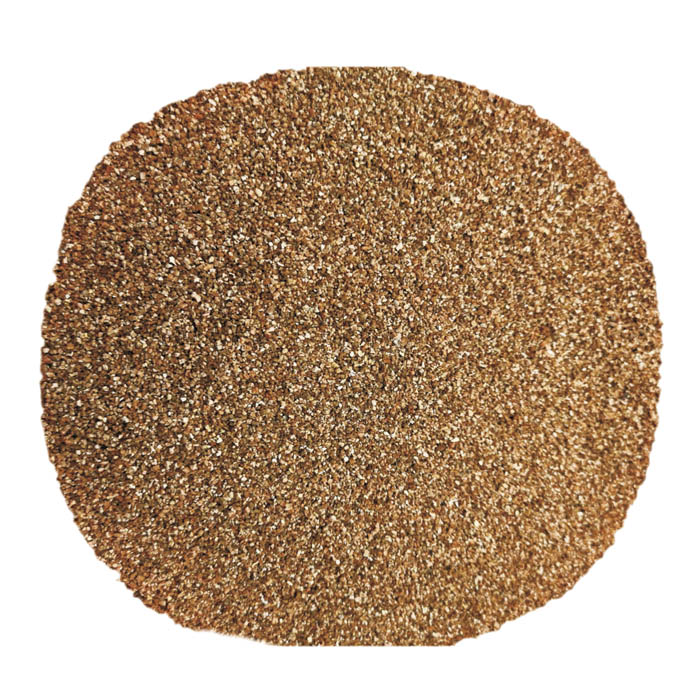
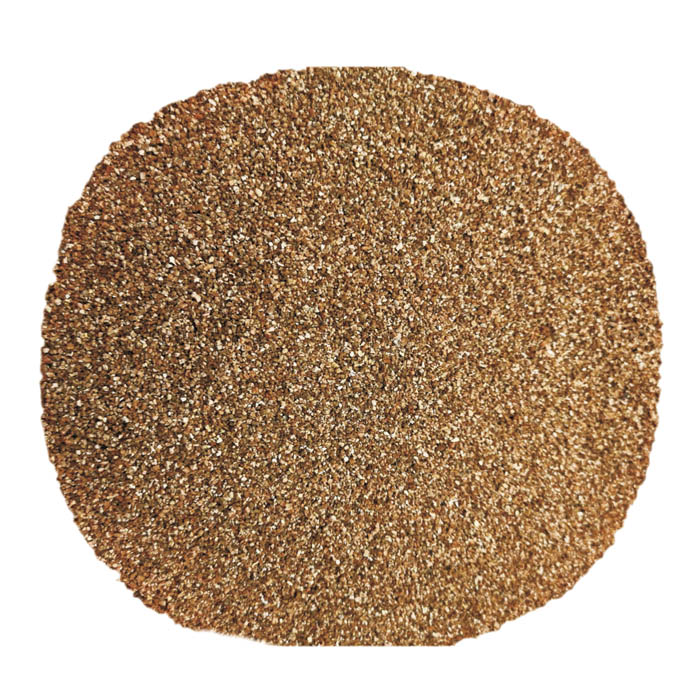
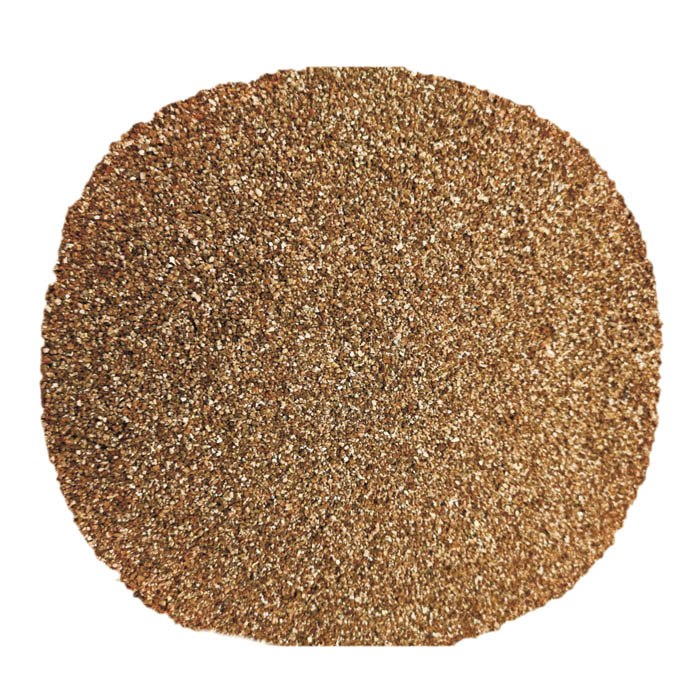
- Enhanced Aeration: The unique accordion-like structure of exfoliated vermiculite creates air pockets, improving soil structure and promoting healthy root development by preventing compaction.
- Superior Moisture Retention: Its layered structure acts like a sponge, holding significant amounts of water and releasing it slowly, ensuring consistent moisture availability to plants and reducing watering frequency.
- Nutrient Retention: High CEC means vermiculite can effectively capture and store essential plant nutrients, preventing leaching and making them available to roots over time, thereby improving fertilizer efficiency.
- pH Buffering: Its near-neutral pH helps stabilize soil pH levels, creating an optimal environment for nutrient uptake for a wide range of plants.
- Thermal Insulation: Vermiculite moderates soil temperature, protecting roots from extreme heat or cold, which is particularly beneficial for delicate seedlings and in varying climates.
Industry Trends and Market Dynamics for Vermiculite in Soil
The global market for horticultural amendments, particularly vermiculite in soil suppliers, is experiencing robust growth, driven by several macro-environmental factors. Key trends include the escalating adoption of protected agriculture (greenhouses, vertical farms), the increasing focus on sustainable and organic farming practices, and the rising global demand for food security.
- Sustainable Agriculture Push: Governments and consumers worldwide are advocating for environmentally friendly farming. Vermiculite, being a natural mineral, aligns perfectly with these goals by improving water-use efficiency and reducing the need for chemical fertilizers due to its nutrient retention properties.
- Growth in Controlled Environment Agriculture (CEA): Hydroponics, aeroponics, and aquaponics are becoming mainstream. Vermiculite's sterile, lightweight, and moisture-retentive characteristics make it an ideal inert substrate or component in soilless growing media for these high-tech systems.
- Urban Farming Expansion: With urbanization, urban farming initiatives are gaining traction. Vermiculite is crucial for creating lightweight, high-performance potting mixes suitable for rooftop gardens, container111 gardening, and vertical farms, where weight and efficiency are critical.
- Demand for Organic Products: As a natural, inert material, vermiculite is approved for use in organic farming, further fueling its demand among producers catering to the organic food market.
- Technological Advancements in Blending: Innovation in horticultural media focuses on tailor-made blends. Vermiculite in soil suppliers are increasingly offering customized mixes, combining vermiculite with peat, coco coir, or perlite to achieve specific aeration, drainage, and water-holding profiles for diverse crops and growing conditions.
The market is characterized by a balance between established suppliers and emerging regional players, all vying for market share through product quality, logistical efficiency, and competitive pricing. Reliable vermiculite in soil exporters differentiate themselves by guaranteeing consistent supply, adherence to international quality standards, and providing technical support to their clients.
Application Scenarios and Case Studies
The versatility of vermiculite makes it an indispensable component across various horticultural and agricultural applications. Its unique properties contribute to optimal plant health and resource efficiency.
Primary Application Areas:
- Seed Starting and Propagation: Fine-grade vermiculite (e.g., Grade 3) is ideal for seed germination due to its sterile nature, excellent moisture retention, and aeration. It ensures a consistent environment for delicate seedlings, leading to higher germination rates and stronger initial growth. Its insulative properties protect young roots from temperature fluctuations.
- Potting Mixes and Container Growing: Medium to coarse grades (e.g., Grade 2, 4) are incorporated into potting mixes for houseplants, nursery stock, and container111 vegetables. Vermiculite lightens the mix, prevents compaction, improves drainage while retaining moisture, and provides a stable medium for root anchorage. Many commercial potting mixes leverage vermiculite for its balanced properties.
- Hydroponic Systems: While inert, vermiculite can be used as a standalone or mixed substrate in certain hydroponic systems, particularly those that require good moisture buffering. Its CEC allows for some nutrient retention, which can be advantageous. More commonly, it's used as a top layer for seeds in hydroponic blocks.
- Soil Amendment for Gardens and Landscapes: When mixed into garden beds, vermiculite improves the structure of heavy clay soils by enhancing aeration and drainage, and it boosts the water retention of sandy soils. It's particularly beneficial for vegetable gardens and flower beds, promoting healthier root systems and reducing irrigation needs.
- Turf and Golf Course Management: Vermiculite can be used as a top-dressing or incorporated into soil profiles for turfgrass, improving drainage, moisture retention, and promoting healthier, more resilient grass.
Application Case Study: Large-Scale Greenhouse Operation
A prominent commercial greenhouse specializing in organic vegetable production faced challenges with inconsistent moisture levels and nutrient leaching in their soilless growing media, impacting crop uniformity and yield. By collaborating with a leading vermiculite in soil supplier, they implemented a custom growing mix containing 25% medium-grade vermiculite. Over two growing seasons, the results were significant:
- Water Savings: Irrigation frequency reduced by 20%, leading to substantial water conservation and lower operational costs.
- Yield Improvement: A 12% increase in overall crop yield due to optimized nutrient availability and healthier root development.
- Reduced Fertilizer Runoff: The enhanced CEC minimized nutrient leaching, leading to more environmentally friendly operations and reduced fertilizer inputs.
- Improved Plant Vigor: Noticeable improvement in plant resilience against environmental stresses, attributed to better temperature buffering and consistent moisture.
Vendor Comparison and Customized Solutions
Choosing the right vermiculite in soil exporter is a strategic decision for any large-scale horticultural or agricultural enterprise. It's not merely about purchasing a commodity but about establishing a reliable partnership that guarantees consistent quality and responsive service.
Key Factors for Vendor Selection:
- Quality Consistency: Verification of product specifications through certified lab reports (e.g., SGS, Intertek) is paramount. Inconsistent quality can severely impact crop performance.
- Certifications and Compliance: Look for ISO 9001 (Quality Management), ISO 14001 (Environmental Management), and adherence to specific industry standards like ASTM for particle sizing. Compliance with export regulations is also critical.
- Supply Chain Reliability: A robust logistics network and stable raw material sourcing are indicative of a reliable vermiculite in soil manufacturer. Delays or supply disruptions can have costly consequences for planting schedules.
- Technical Support and Expertise: The ability to provide expert advice on vermiculite grades, blending ratios, and application techniques demonstrates a vendor's commitment beyond mere product sales.
- Customization Capabilities: The flexibility to offer specific particle size distributions, custom blends with other aggregates (e.g., perlite, coco coir), or specialized packaging options tailored to client needs.
Customized Vermiculite Solutions:
Understanding that each horticultural operation has unique requirements, leading vermiculite in soil exporters offer tailored solutions. This includes:
- Specific Grade Blending: Creating a mix of fine, medium, and coarse grades to achieve a precise balance of water retention, aeration, and drainage for particular crop types (e.g., orchids vs. leafy greens).
- Pre-mixed Substrates: Offering vermiculite pre-blended with other inert or organic components, reducing on-site mixing labor and ensuring consistency.
- Packaging Options: From small retail bags to large bulk super sacks (jumbo bags) or loose bulk shipments, customized to match client storage and handling capabilities.
Ensuring Trust and Reliability: Certifications and Support
Trust is paramount in B2B relationships, particularly when dealing with critical agricultural inputs. Reputable vermiculite in soil exporters demonstrate their reliability through transparent certifications, robust quality assurance protocols, and dedicated customer support.
Authoritativeness Through Certification:
- ISO 9001 Certification: This internationally recognized standard for quality management systems ensures that our manufacturing processes are consistently monitored and improved, leading to high-quality products.
- Third-Party Testing: Regular testing by independent laboratories (e.g., SGS, Bureau Veritas) verifies product specifications, confirming bulk density, water holding capacity, pH, and absence of contaminants. This provides impartial data for our clients.
- Compliance with Industry Standards: Our products adhere to relevant ASTM (American Society for Testing and Materials) standards for vermiculite, ensuring consistency in particle size and other physical properties.
- Decades of Experience: With over 20 years in the vermiculite industry, our long-standing relationships with leading agricultural firms globally are a testament to our reliability and product quality.
Trustworthiness and Customer Care:
- Warranty Commitments: We stand behind the quality of our vermiculite. Any product found not to meet specified parameters is subject to our comprehensive warranty and replacement policy.
- Lead Time and Fulfillment: Standard lead times for ex-factory orders typically range from 7-14 business days, depending on volume and customization. For international shipping, we provide detailed fulfillment schedules and real-time tracking through our logistics partners.
- Dedicated Customer Support: Our team of technical experts and sales professionals is available to provide pre-sales consultation, order management, and post-sales support. We offer direct contact via phone, email, and a responsive online portal.
- Transparent Communication: We believe in clear and honest communication regarding product availability, lead times, and any potential supply chain adjustments.
Frequently Asked Questions (FAQ)
Q1: What is vermiculite and how is it used in soil?
Vermiculite is a natural, hydrated magnesium aluminum silicate mineral that undergoes significant expansion when heated (exfoliation). In soil, it's used as a lightweight amendment to improve water retention, aeration, and nutrient exchange (due to its high Cation Exchange Capacity - CEC). It's ideal for seed starting, potting mixes, and soil conditioning.
Q2: What are the different grades of horticultural vermiculite?
Horticultural vermiculite typically comes in fine (Grade 3), medium (Grade 2), and coarse (Grade 4) grades. Fine grades are best for seed germination, medium for general potting mixes, and coarse for larger plants, hydroponics, or improving drainage in heavy soils.
Q3: Is vermiculite safe for organic farming?
Yes, high-quality, natural vermiculite is generally considered safe and is approved for use in organic farming practices by many certification bodies, as it is an inert, natural mineral that doesn't introduce synthetic chemicals to the soil.
Q4: What is the typical lead time for a bulk order from vermiculite in soil exporters?
Standard lead times vary based on order volume and current production schedules, typically ranging from 7 to 14 business days for manufacturing and packaging. Shipping duration will be additional and depends on the destination and chosen freight method. We provide estimated delivery schedules upon order confirmation.
Q5: How should vermiculite be stored?
Vermiculite should be stored in a dry, covered area to prevent moisture absorption, which can increase its weight and reduce its efficiency. Keep bags sealed to protect against dust and contaminants.
Conclusion
The role of high-quality horticultural vermiculite in modern agriculture and horticulture cannot be overstated. From enhancing seed germination to optimizing nutrient delivery in advanced growing systems, its unique properties provide tangible benefits for growers worldwide. As experienced vermiculite in soil exporters, we are committed to delivering products that meet the highest technical specifications and uphold stringent quality standards. Our dedication to innovation, customer satisfaction, and reliable supply chains ensures that our clients receive not just a product, but a strategic advantage in their horticultural endeavors. Partnering with a trusted vermiculite in soil supplier is key to achieving sustainable growth and maximizing yields in an increasingly competitive market.
Citations
- American Society for Testing and Materials (ASTM). (2020). ASTM C516/C516M-19, Standard Specification for Vermiculite Loose Fill Thermal Insulation.
- International Organization for Standardization (ISO). (2015). ISO 9001:2015, Quality management systems — Requirements.
- Brady, N.C., & Weil, R.R. (2017). The Nature and Properties of Soils (15th ed.). Pearson Education.
- Raviv, M., & Lieth, J. H. (2008). Soilless Culture: Theory and Practice. Elsevier.
- Schroeder, F. (2009). Vermiculite: A Valuable Mineral Resource. Minerals & Materials Society (TMS).
-
Professional Boiler Refractory Material Supplier for Industrial Efficiency
NewsApr.16,2026
-
How to Choose the Best refractory materials suppliers for Success
NewsApr.09,2026
-
Understanding Refractory Bricks Raw Materials for High Temperature Applications
NewsApr.07,2026
-
PLIbrico Refractory Materials Understanding Applications and Benefits
NewsApr.04,2026
-
Advancements in Reversible Thermal Expansion Refractory Materials for High Temperature Applications
NewsMar.31,2026
-
Comprehensive Guide to Refractory Kiln Lining Material Selection and Applications
NewsMar.28,2026