
Oct . 17, 2025 09:05 Back to list
Top tundish covering agent exporters | ISO, Low Slag
What’s Really Moving the Market for tundish covering agent exporters in 2025
If you’ve spent nights on the caster floor (I have), you know the tundish lives or dies by the covering layer. The shift away from dusty rice-husk carbonized powders is real—driven by decarbonization, worker safety, and frankly, customers complaining about smoke. In fact, many buyers are looking for cleaner, denser, better-spreading particles that won’t crust or shell-coat under 1600°C.
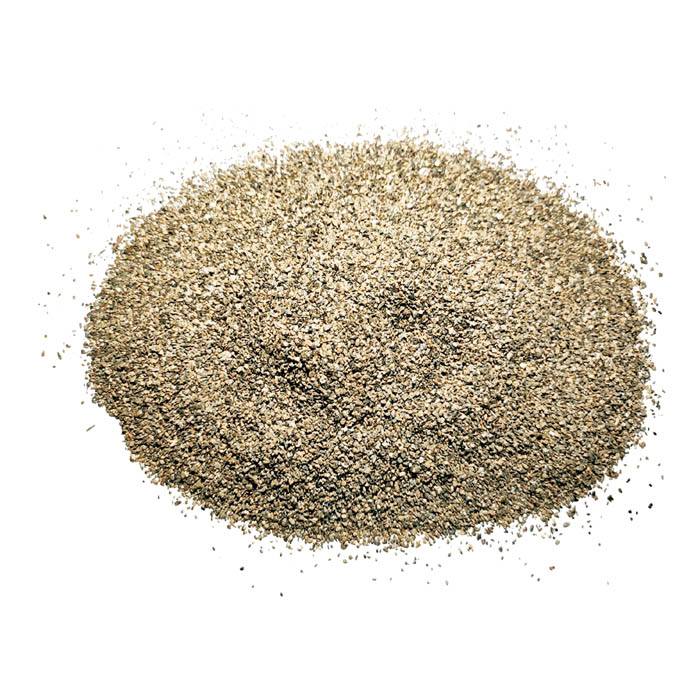
Product snapshot: Eco-Friendly Particle Covering Agent
Origin: No.3 Longyang South Road, Longgang Economic Development Zone, Xindu District, Xingtai, Hebei, China. The pitch: replace smoky husk-based powders with a low-LOI, fast-spreading, thermally efficient particle blend. To be honest, the first thing operators notice is the calmer meniscus and less plume during first 10 minutes of a heat.
| Spec | Typical Value (≈ / around) |
|---|---|
| Particle size | 0.5–3.0 mm, D50 ≈ 1.4 mm |
| Bulk density | 0.35–0.55 g/cm³ |
| Thermal conductivity (1000–1400°C) | ≈ 0.12–0.18 W/m·K (real-world use may vary) |
| Loss on ignition (LOI) | |
| Moisture | |
| Service temperature | Up to 1600°C |
| Recommended dosage | 0.8–1.2 kg per ton of steel |
| Compliance | ISO 9001, ISO 14001 (plant-level) |
Process flow, testing, and service life
- Materials: engineered mineral particles + low-fume additives; no raw rice-husk char.
- Methods: calibrated blending → anti-caking treatment → moisture control → sealed packaging.
- Testing: bulk density (ASTM C29/C29M), thermal conductivity (ISO 8894-1; some labs use ASTM E1461), LOI and ash content (lab SOP aligned with ISO guidance).
- Service life: maintains insulating layer through a heat; many shops report 1–2 extra heats per tundish lining due to reduced heat loss.
- Industries: BOF/EAF long and flat products; billet, bloom, slab casters.
Applications and field feedback
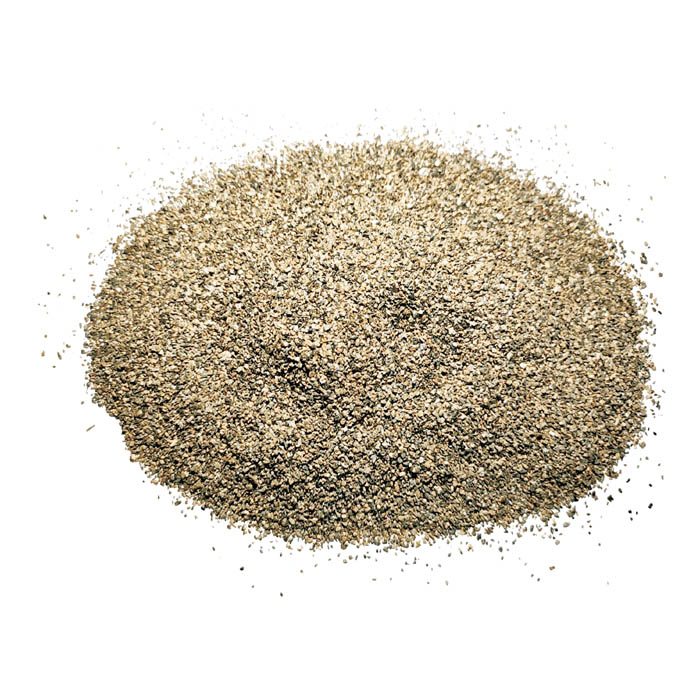
Operators use it during ladle-to-tundish transfer and steady casting to limit heat loss and reoxidation. A mid-size EAF mill told me their steel temp drop shrank by around 18–25°C per heat; nozzle clogging alarms also eased off—surprisingly quick win. Another customer said spreading was “hands-off” after they switched the dispenser wheel setting.
Advantages: faster surface coverage, lower smoke, less shell coating, better tundish thermal stability, and cleaner shop air—compliance teams like that. For tundish covering agent exporters, the eco angle matters when shipping into EU and Middle East tenders.
| Vendor | Lead time | Eco compliance | Customization | Indicative cost |
|---|---|---|---|---|
| Xingtai Luxi (China) | 2–4 weeks | ISO 9001/14001; low-LOI | Particle size, additives | Mid |
| Supplier A (India) | 3–5 weeks | ISO 9001; mixed LOI | Limited | Low–Mid |
| Supplier B (EU) | 4–6 weeks | ISO 9001/14001; REACH-aware | High | High |
Customization and deployment
Custom blends target tundish size, steel grade, and caster speed. Methods: tweak particle gradation for slab vs billet, and add anti-oxidation for high-Al steels. Most tundish covering agent exporters will align packaging (15–25 kg bags or big-bags) with your dispenser type. Typical roll-out: 2-week trial, KPI tracking (temp drop, slag inclusions, fumes), then fine-tune dosage.
Mini case notes
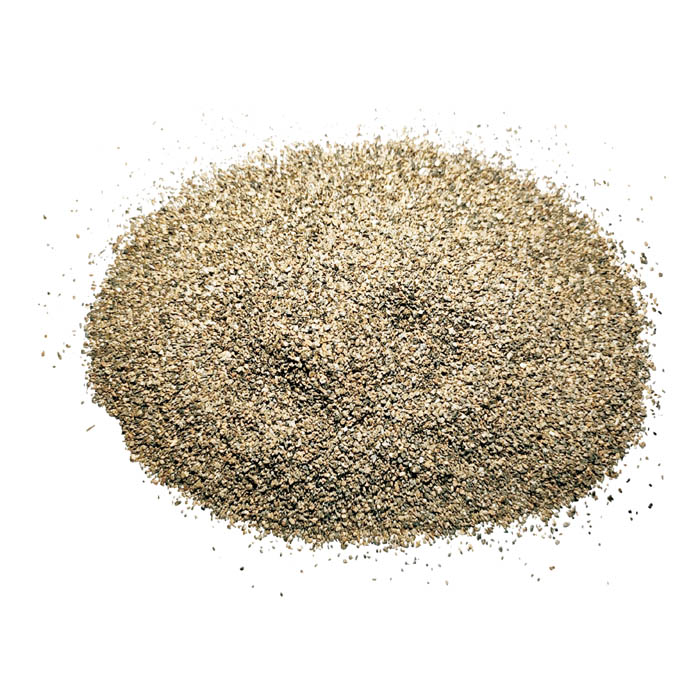
- Billet caster, MENA: dosage ~0.9 kg/t; reported temp drop cut by ≈20°C; fume visibility down; operators kept the blend.
- Slab caster, East Asia: switched from rice-husk char; shell-coating reduced; tundish lining lasted one extra heat per sequence.
Final thought: the quiet winners are shops that pair better powders with disciplined tundish practice—preheats, ladle eye control, and, yes, a covering layer that behaves.
References
- World Steel Association, Continuous Casting Overview. https://worldsteel.org
- ISO 8894-1: Refractory materials—Thermal conductivity—Part 1. https://www.iso.org
- ASTM C29/C29M: Bulk Density of Aggregates (applicable method). https://www.astm.org
- ASTM E1461: Thermal Diffusivity by Laser Flash Method. https://www.astm.org
-
Professional Boiler Refractory Material Supplier for Industrial Efficiency
NewsApr.16,2026
-
How to Choose the Best refractory materials suppliers for Success
NewsApr.09,2026
-
Understanding Refractory Bricks Raw Materials for High Temperature Applications
NewsApr.07,2026
-
PLIbrico Refractory Materials Understanding Applications and Benefits
NewsApr.04,2026
-
Advancements in Reversible Thermal Expansion Refractory Materials for High Temperature Applications
NewsMar.31,2026
-
Comprehensive Guide to Refractory Kiln Lining Material Selection and Applications
NewsMar.28,2026