
Oct . 22, 2025 14:00 Back to list
Top tundish covering agent exporters—low dust, fast melt
Insider’s Guide to Tundish Covering Agent Exporters in Real-World Steel Shops
If you’re shortlisting Tundish Covering Agent Exporters, here’s the truth from the floor: the industry is quietly moving away from raw rice-husk ash to engineered, dust‑controlled particles that seal faster, insulate better, and pass environmental audits without drama. I’ve watched plants struggle with shell coating and smoke; the new breed fixes most of it—honestly, it’s about time.
What’s Changing (and Why It Matters)
- Cleaner chemistries: fluorine‑free and low‑carbon systems to align with plant emissions targets.
- Predictable flow/float: calibrated particle size for smooth spreading and reliable slag capture.
- Real insulation: lower k-values to keep tundish temperatures steady between ladle changes.
Origin spotlight: Xingtai, Hebei, China (No.3 Longyang South Road, Longgang Economic Development Zone, Xindu District) has become a quiet hub for engineered powders. Many customers say lead times are surprisingly stable out of this cluster.
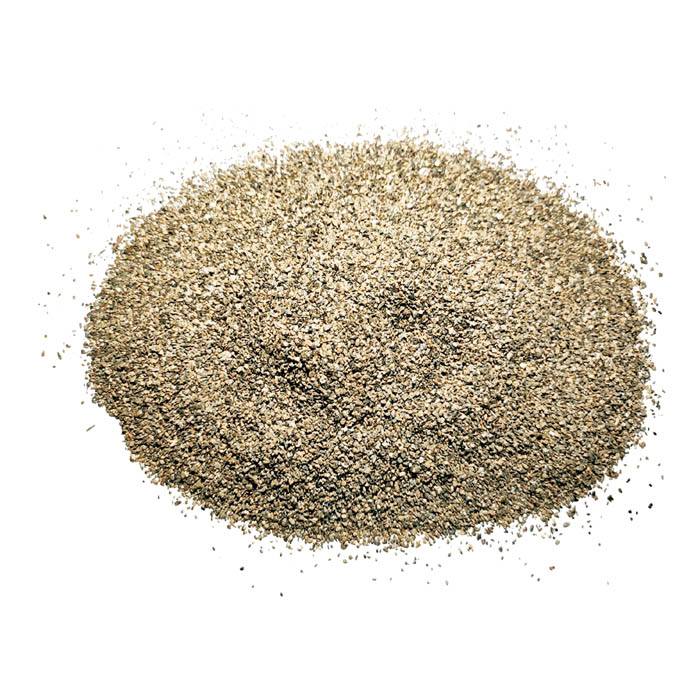
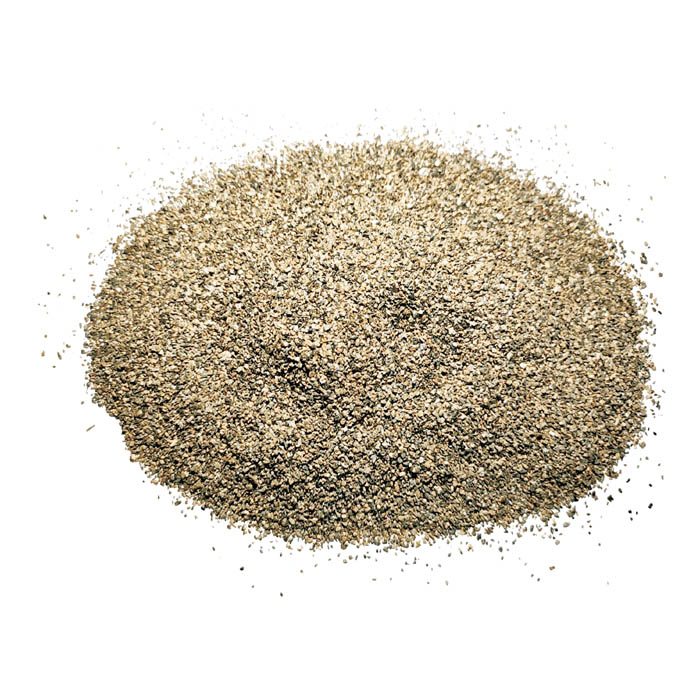
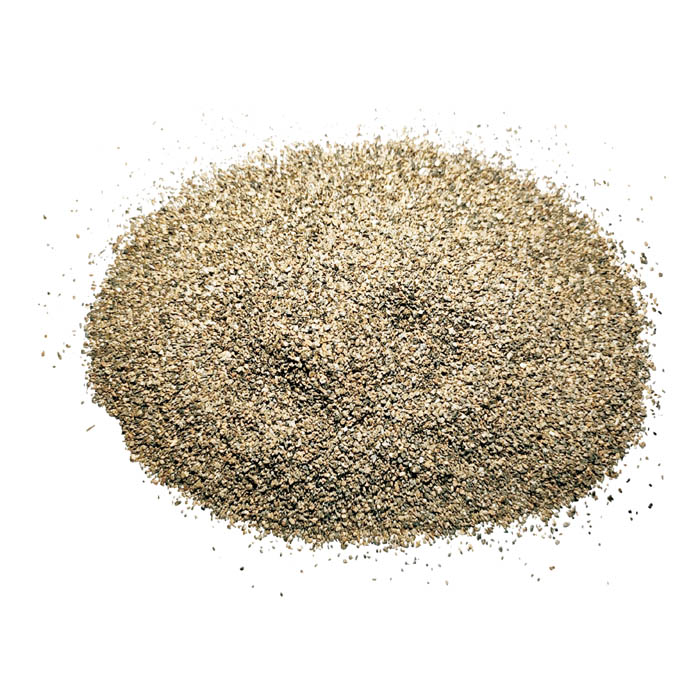
Product Snapshot: Eco-Friendly Particle Covering Agent
Designed to replace conventional carbonized rice husk that tends to smoke, cake, and under‑insulate. In practice, operators note faster surface coverage and fewer cold spots on long sequences.
| Parameter | Typical Value (≈ / range) | Notes (real-world may vary) |
|---|---|---|
| Grain size | 0.5–6 mm | Custom cuts available |
| Bulk density | ≈ 250–380 kg/m³ | Lightweight float layer |
| Thermal conductivity (k) | ≈ 0.08–0.12 W/m·K @ 800–1000°C | ASTM C177 / ISO 8302 |
| Fixed carbon | Low smoke design | |
| Moisture | Sealed bags | |
| Service temp | Up to 1600°C | Continuous casting |
| Shelf life | 12 months | Dry storage |
Process Flow, QA, and Test Methods
Materials: engineered mineral‑organic blend (low‑F, low‑S), with expanding fillers and anti-caking modifiers.
Method (simplified): raw selection → drying → calibrated crushing → multi-stage sieving → dust abatement → surface treatment → packaging (PE-lined bags/big-bags).
Testing: thermal conductivity (ASTM C177 / ISO 8302), hot-wire spot checks (ISO 8894‑1), bulk density/porosity (ISO 5016), moisture, LOI, sieve distribution, and drop-slag index. Certifications typically include ISO 9001 and ISO 14001.
Service life in use: stable cover integrity ≈ 60–90 minutes per heat; supports long sequences with top-up dosing. Operators report calmer meniscus and fewer reoxidation traces.
Applications & Feedback
- Carbon, alloy, and stainless continuous casting (billet, bloom, slab).
- Late-sequence tundish temperature retention between ladle exchanges.
- Shops chasing lower fume/dust numbers—many say housekeeping is noticeably easier.
Vendor Landscape: Quick Comparison
| Vendor | Material System | Fluorine‑Free | k @ 900°C | Dust Emissions | Certs | Customization |
|---|---|---|---|---|---|---|
| Xingtai Luxi (Eco-Friendly Particle) | Engineered mineral-organic | Yes | ≈0.10 W/m·K | Low (treated) | ISO 9001/14001 | Grain/pack/branding |
| Vendor B (Perlite blend) | Perlite + additives | Likely | ≈0.12 W/m·K | Medium | ISO 9001 | Limited |
| Vendor C (Rice-husk based) | Carbonized husk | Varies | ≈0.15–0.18 W/m·K | Higher (smoke) | Varies | Basic |
Case Notes (short and sweet)
A North Asia billet caster shifted from husk to the engineered particle. Ladle‑to‑tundish ΔT tightened by ≈ 4–6°C, meniscus stability improved (operators rated “smoother” on shift logs), and visible fume dropped. Not perfect—early trials needed a slightly higher initial dose—but the second sequence locked in savings on reheats and flux carryover.
Looking for Tundish Covering Agent Exporters? Ask for sieve curves, hot-plate k‑tests, and a one-heat line trial with thermocouples. Customization options typically include 0.5–3 mm for slabs, 1–6 mm for billets, and big‑bags for automated dosing. To be honest, the right grain cut often matters more than the brochure.
Authoritative References
- ISO 8302: Thermal insulation—Guarded hot plate method.
- ISO 8894‑1: Refractory materials—Thermal conductivity—Hot-wire methods.
- ISO 5016: Refractory products—Bulk density and porosity (Archimedes).
- ISO 9001:2015 Quality management systems—Requirements.
- ISO 14001:2015 Environmental management systems—Requirements.
-
Professional Boiler Refractory Material Supplier for Industrial Efficiency
NewsApr.16,2026
-
How to Choose the Best refractory materials suppliers for Success
NewsApr.09,2026
-
Understanding Refractory Bricks Raw Materials for High Temperature Applications
NewsApr.07,2026
-
PLIbrico Refractory Materials Understanding Applications and Benefits
NewsApr.04,2026
-
Advancements in Reversible Thermal Expansion Refractory Materials for High Temperature Applications
NewsMar.31,2026
-
Comprehensive Guide to Refractory Kiln Lining Material Selection and Applications
NewsMar.28,2026