
Mar . 17, 2026 02:05 Back to list
Comprehensive Guide to Boiler Refractory Material for Optimal Performance
Boiler Refractory Material: A Comprehensive Guide
Boiler refractory material is a crucial component in the efficient and safe operation of boilers across numerous industries. These materials are designed to withstand extremely high temperatures and harsh chemical environments, protecting the boiler shell and maximizing thermal efficiency. This article will delve into the types, applications, benefits, and selection criteria for boiler refractory materials, providing a detailed overview for engineers, procurement professionals, and anyone involved in boiler maintenance and operation. Choosing the correct refractory is paramount to ensure long-term reliability and cost-effectiveness.
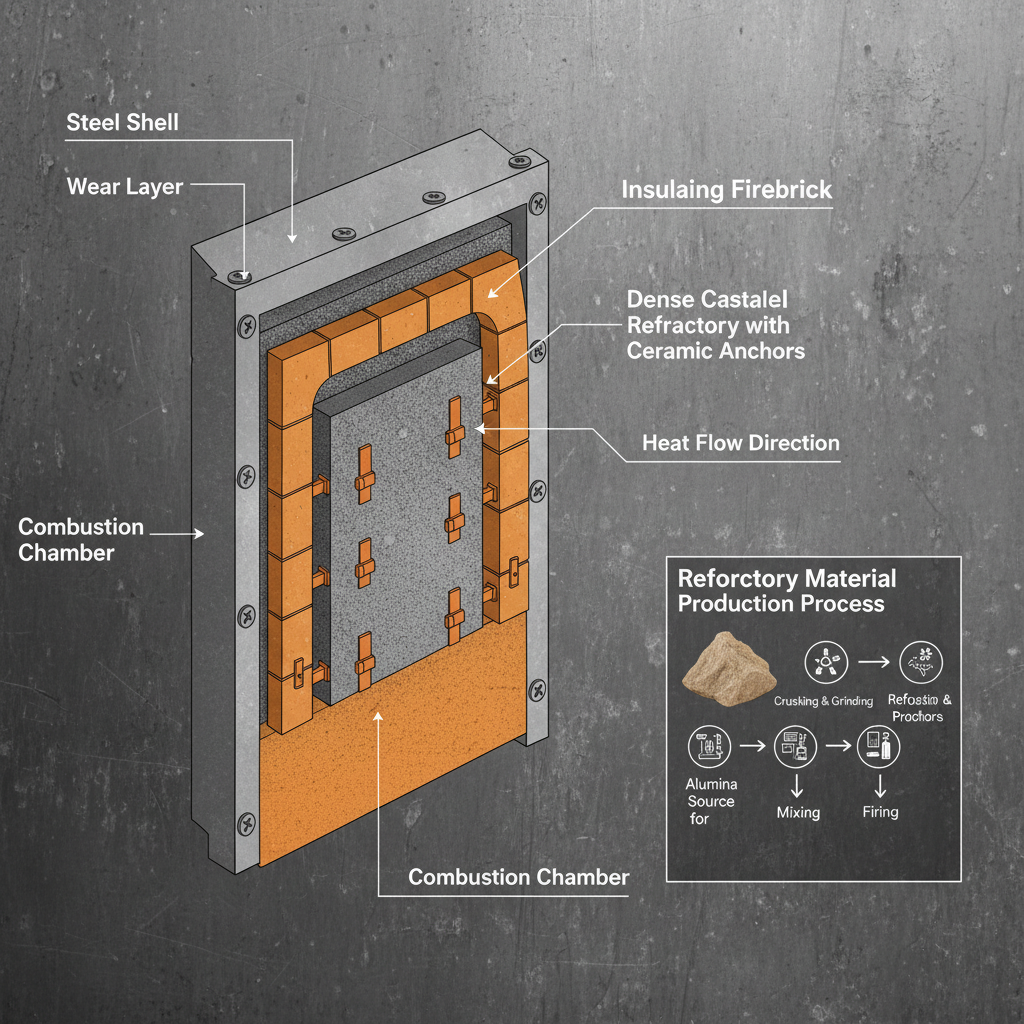
Understanding Boiler Refractory Material
Boiler refractory materials aren’t a single entity; they encompass a diverse range of compounds engineered to withstand the unique stresses inside a boiler. The primary function is to insulate the steel shell from intense heat, preventing deformation and failure. Different types of refractories offer varying levels of thermal resistance, chemical stability, and mechanical strength. Selecting the appropriate material depends heavily on the boiler’s operating temperature, fuel type, and specific application. Common types include ceramic fiber, fireclay bricks, high-alumina bricks, and castables.
Key Benefits of Using Refractory Materials: Protection of the boiler shell, Increased thermal efficiency, Reduced fuel consumption, Extended boiler lifespan, Improved safety.
Types of Boiler Refractory Materials
The choice of refractory material hinges on several factors. Fireclay bricks are a traditional, cost-effective option for lower-temperature applications. High-alumina bricks offer superior resistance to slag attack and higher temperatures. Ceramic fiber provides excellent thermal insulation and is lighter weight, simplifying installation. Castable refractories are versatile and can be molded into complex shapes. Each material has strengths and weaknesses, making a thorough assessment crucial.
Common Refractory Material Types:
• Fireclay Bricks: Cost-effective, lower temperatures.
• High-Alumina Bricks: Excellent slag resistance, high temperatures.
• Ceramic Fiber: Lightweight, excellent insulation.
• Castable Refractories: Versatile, moldable shapes.
Boiler Refractory Material Comparison
Understanding the nuances between different refractory materials is vital for optimal boiler performance and longevity. Below is a comparative analysis of key properties to aid in material selection. Proper selection directly impacts efficiency, maintenance costs, and ultimately, the lifespan of the boiler system.
Applications of Refractory Materials in Boilers
Refractory materials find application in various zones within a boiler. They line the furnace walls to contain the combustion process, insulate the boiler shell to minimize heat loss, and protect areas exposed to flue gas. Specifically, they are used in the waterwalls, roof, and floor of the furnace, as well as in the convection section. Correct application of the proper material is crucial in these areas. For instance, waterwalls, directly exposed to water and high temperatures, require materials with excellent thermal shock resistance.
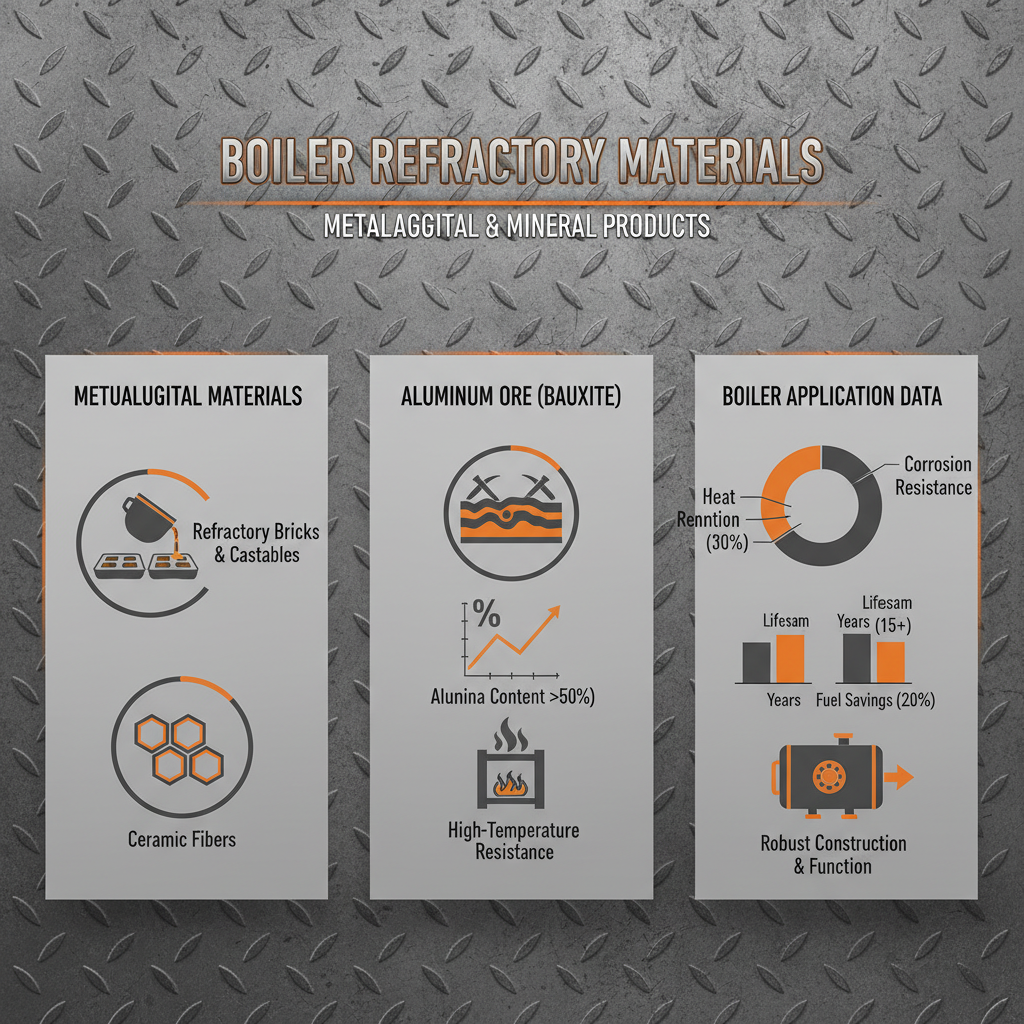
Selecting the Right Boiler Refractory Material
Choosing the optimal boiler refractory material requires careful consideration of several key parameters. These include the maximum operating temperature, the type of fuel being burned, the chemical environment within the boiler, and the mechanical stresses the material will encounter. Consulting with refractory specialists is highly recommended to ensure a tailored solution that maximizes performance and minimizes long-term costs. It’s also vital to consider the installation method and the availability of qualified installers.
Conclusion: Ensuring Boiler Efficiency and Longevity
Selecting the correct refractory material is paramount for the efficient, safe, and long-lasting operation of boilers. By understanding the different types of materials, their properties, and application requirements, operators can optimize performance and reduce maintenance costs. Xingtai LuXi Refractory Co., Ltd. offers a comprehensive range of high-quality refractory solutions tailored to meet the demands of various boiler applications.
Frequently Asked Questions (FAQs)
What is the typical lifespan of boiler refractory linings?
The lifespan of boiler refractory linings varies significantly based on operating conditions, material quality, and maintenance practices. Generally, expect a lifespan of 5-15 years. Factors like fuel type (coal, oil, gas), combustion efficiency, and frequency of temperature fluctuations greatly influence wear and tear. Regular inspections are crucial for identifying areas of deterioration and scheduling timely repairs. Abrupt temperature changes and slag buildup can significantly shorten the lifespan, leading to premature failure. Proper installation and adherence to manufacturer’s recommendations are equally important.
How do I identify when refractory needs replacement?
Signs indicating refractory replacement include spalling (flaking or chipping), cracking, and excessive wear. Visual inspections should be conducted regularly, focusing on areas prone to high stress and erosion. Temperature monitoring can also reveal inefficiencies indicating heat loss through damaged refractory. A noticeable increase in fuel consumption or a decrease in boiler efficiency are strong indicators. Professional refractory surveys using specialized equipment can provide a more detailed assessment of lining condition and remaining lifespan.
What are the benefits of using ceramic fiber over traditional brick refractories?
Ceramic fiber offers several advantages over traditional brick refractories. It’s significantly lighter, reducing structural load and simplifying installation. Its lower thermal conductivity provides superior insulation, leading to increased energy efficiency. Ceramic fiber also exhibits excellent thermal shock resistance, making it less susceptible to cracking under rapid temperature changes. While generally more expensive upfront, the reduced installation costs and energy savings can result in a lower total cost of ownership over the boiler’s lifespan.
What safety precautions should be taken during refractory installation and repair?
Refractory installation and repair involve working with potentially hazardous materials and high temperatures. Workers must wear appropriate personal protective equipment (PPE), including respirators, gloves, and eye protection. Proper ventilation is essential to minimize exposure to dust and fumes. Hot work permits are required for any operations involving welding or cutting. Thorough training on safe work practices is crucial for all personnel involved in refractory maintenance.
-
Professional Boiler Refractory Material Supplier for Industrial Efficiency
NewsApr.16,2026
-
How to Choose the Best refractory materials suppliers for Success
NewsApr.09,2026
-
Understanding Refractory Bricks Raw Materials for High Temperature Applications
NewsApr.07,2026
-
PLIbrico Refractory Materials Understanding Applications and Benefits
NewsApr.04,2026
-
Advancements in Reversible Thermal Expansion Refractory Materials for High Temperature Applications
NewsMar.31,2026
-
Comprehensive Guide to Refractory Kiln Lining Material Selection and Applications
NewsMar.28,2026