
Mar . 24, 2026 02:15 Back to list
Comprehensive Guide to High Temperature Refractory Insulation Materials Selection
High Temperature Refractory Insulation Materials: A Comprehensive Guide
In industries dealing with extreme heat – such as steel production, cement manufacturing, and power generation – maintaining thermal efficiency and safeguarding equipment is paramount. High temperature refractory insulation materials play a critical role in achieving these goals. This article provides an in-depth look at these materials, their applications, key properties, and how to choose the right solution for your specific needs. Effective insulation not only reduces energy consumption but also protects structural components from thermal stress and corrosion. We'll explore the various types available and their benefits.
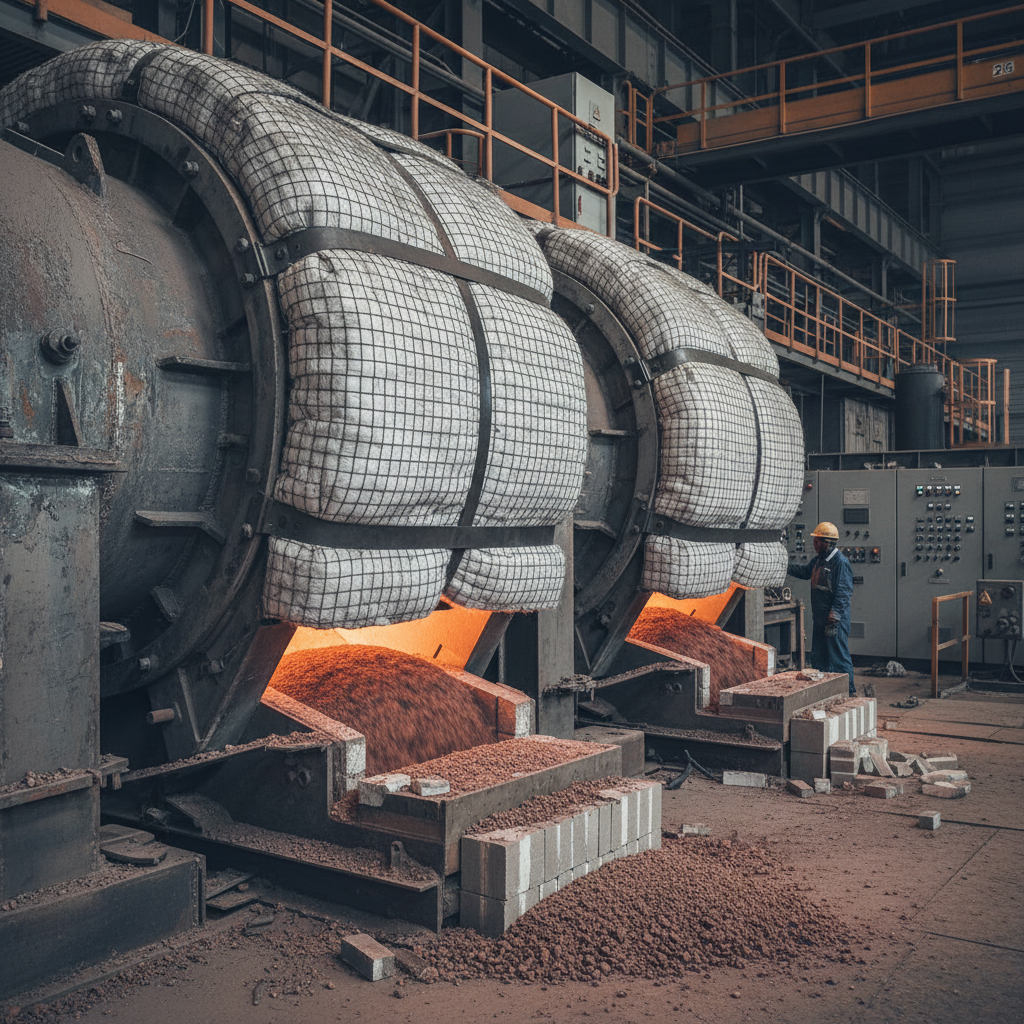
Understanding High Temperature Refractory Insulation
Refractory insulation materials are engineered to withstand incredibly high temperatures without significant degradation. They’re vital for lining furnaces, kilns, incinerators, and other high-heat processing equipment. Unlike traditional insulation, these materials are specifically designed to maintain their structural integrity and insulating properties even when exposed to corrosive environments and thermal shock. The selection of the appropriate material depends on factors like operating temperature, chemical exposure, and mechanical stress. These materials not only minimize heat loss but also protect the underlying structure, extending equipment lifespan and reducing maintenance costs.
Key Benefits: Minimizes heat loss, protects equipment from thermal stress, extends equipment lifespan, reduces energy consumption, and improves process efficiency.
Types of High Temperature Refractory Insulation Materials
Several types of refractory insulation materials are available, each offering unique properties and suited to specific applications. Common types include ceramic fiber, calcium silicate, alumina silica, and refractory bricks. Xingtailuxi specializes in providing a diverse range of these materials. Ceramic fiber is known for its excellent thermal stability and low thermal conductivity. Calcium silicate offers good strength and dimensional stability. Alumina silica provides resistance to corrosion and abrasion. Refractory bricks, while heavier, offer exceptional load-bearing capacity and are suitable for high-stress applications. The choice depends on your specific operational needs.
Key Material Properties:
• Thermal Conductivity: Measures the material’s ability to conduct heat.
• Temperature Resistance: The maximum operating temperature the material can withstand.
• Compressive Strength: The material’s ability to withstand compressive loads.
• Chemical Stability: Resistance to corrosion and chemical attack.
High Temperature Refractory Insulation Materials Comparison
Selecting the correct material requires understanding the differences between them. The following table provides a comparison of some common options:
Applications Across Industries
These materials find widespread use in various sectors. The steel industry utilizes them for lining blast furnaces and ladles. The cement industry relies on them for kiln linings. Power plants use them in boilers and incinerators. Additionally, they are critical in the glass manufacturing, petrochemical, and ceramic industries. The versatility of these materials makes them essential for numerous high-temperature processes. Contact Xingtailuxi today to discuss your specific application requirements.
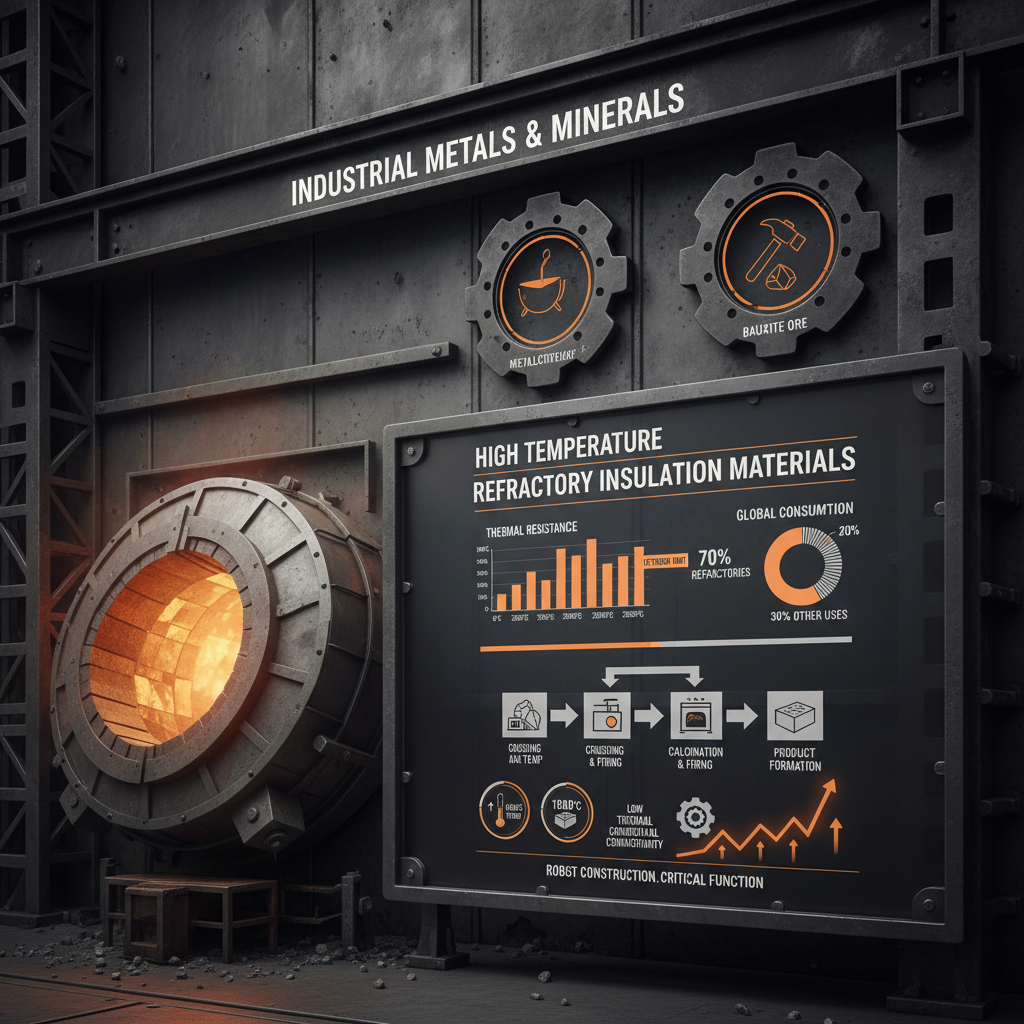
Factors to Consider When Choosing Materials
Selecting the appropriate refractory insulation requires careful consideration of several factors. Operating temperature is paramount, ensuring the material can withstand the maximum expected heat. Chemical compatibility is also crucial, particularly in corrosive environments. Mechanical stress, such as vibrations or impacts, needs to be assessed. Thermal shock resistance is important for applications involving rapid temperature changes. Finally, cost-effectiveness and availability should also be taken into account. A thorough evaluation of these factors will lead to the most suitable and cost-effective solution.
Conclusion: Optimizing Performance with Refractory Insulation
Investing in the right high temperature refractory insulation materials is essential for maximizing efficiency, reducing energy costs, and ensuring the longevity of your high-temperature equipment. By carefully considering the factors outlined in this guide and partnering with a reputable supplier like Xingtailuxi, you can optimize your operations and achieve substantial cost savings.
Frequently Asked Questions (FAQs)
What is thermal conductivity and why is it important?
Thermal conductivity measures a material’s ability to conduct heat. A lower thermal conductivity indicates better insulation performance. In high-temperature applications, minimizing heat loss is critical for energy efficiency and maintaining process temperatures. Selecting materials with low thermal conductivity ensures that heat remains contained within the system, reducing energy consumption and improving overall efficiency.
How do I determine the appropriate thickness of insulation?
The required insulation thickness depends on several factors, including the operating temperature, the desired heat loss, the material’s thermal conductivity, and the size and shape of the equipment. Heat loss calculations are often performed to determine the optimal thickness. It’s important to consult with a qualified thermal engineer or a material supplier to ensure accurate calculations and selection of the appropriate thickness.
What safety precautions should be taken when handling refractory materials?
Refractory materials can be abrasive and irritating to the skin, eyes, and respiratory system. Always wear appropriate personal protective equipment (PPE), including gloves, safety glasses, and a dust mask or respirator. Handle materials in a well-ventilated area and avoid creating dust. Consult the material safety data sheet (MSDS) for specific handling and safety recommendations.
What is the difference between ceramic fiber and mineral wool insulation?
Both ceramic fiber and mineral wool are excellent high-temperature insulation materials, but they differ in their composition and performance characteristics. Ceramic fiber is typically made from alumina-silica, offering higher temperature resistance and lower thermal conductivity. Mineral wool, often made from rock or slag, is generally more affordable but has a lower temperature limit and slightly higher thermal conductivity. The best choice depends on the specific application requirements and budget.
-
Professional Boiler Refractory Material Supplier for Industrial Efficiency
NewsApr.16,2026
-
How to Choose the Best refractory materials suppliers for Success
NewsApr.09,2026
-
Understanding Refractory Bricks Raw Materials for High Temperature Applications
NewsApr.07,2026
-
PLIbrico Refractory Materials Understanding Applications and Benefits
NewsApr.04,2026
-
Advancements in Reversible Thermal Expansion Refractory Materials for High Temperature Applications
NewsMar.31,2026
-
Comprehensive Guide to Refractory Kiln Lining Material Selection and Applications
NewsMar.28,2026