
Jan . 27, 2026 21:15 Back to list
Comprehensive Guide to HVAC Hard Pipe Insulation Material Selection
HVAC Hard Pipe Insulation Material: A Comprehensive Guide
Selecting the right HVAC hard pipe insulation material is crucial for optimizing system efficiency, preventing energy loss, and ensuring long-term performance. This article will delve into the various types of materials available, their properties, applications, and factors to consider when making a selection. Effective pipe insulation is an essential component of any HVAC system, contributing to reduced operational costs and a more sustainable environment. We will explore how to choose the material best suited to your specific needs.
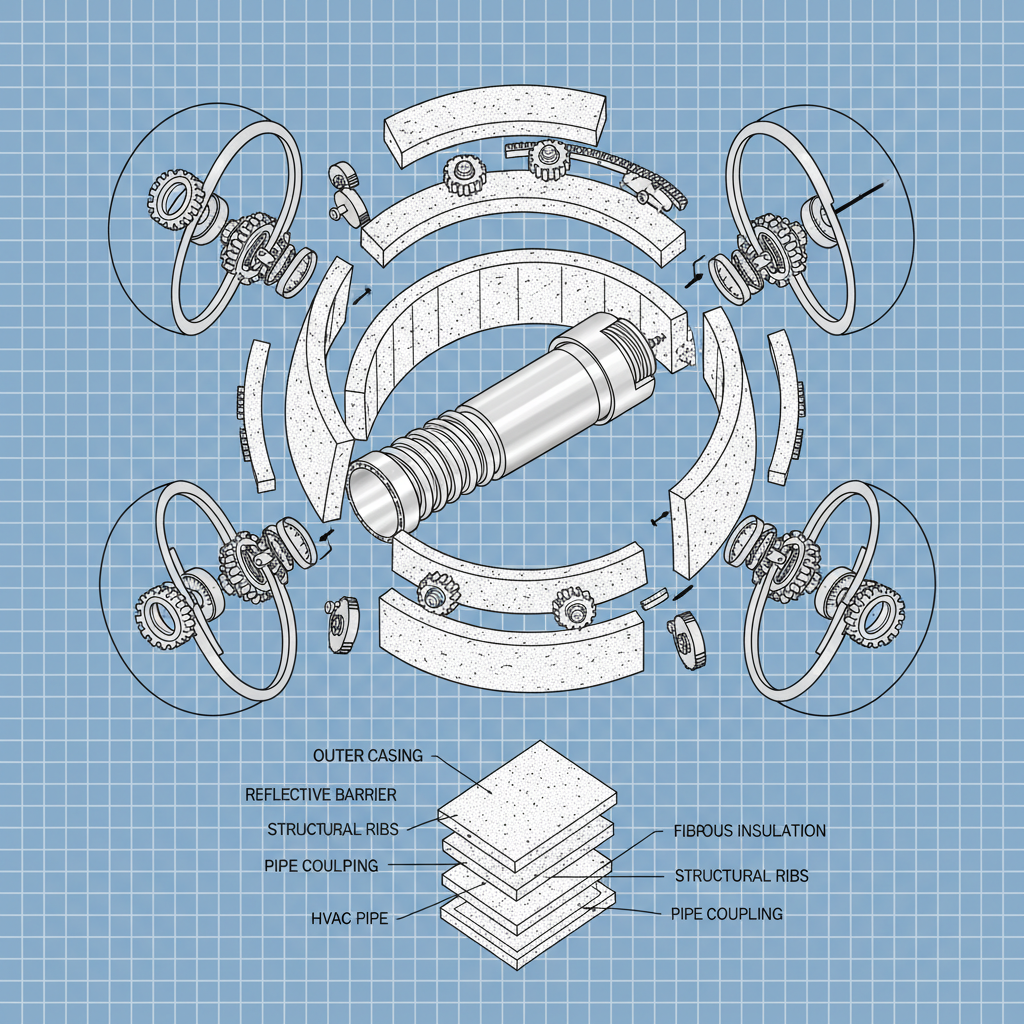
Understanding the Importance of HVAC Hard Pipe Insulation
HVAC systems rely on efficient transport of air and refrigerant. Without proper insulation, significant heat gain or loss can occur, leading to reduced system capacity, increased energy consumption, and potential condensation problems. Hard pipe insulation provides a robust barrier against these issues, maintaining consistent temperatures and minimizing energy waste. It’s also vital for preventing noise transmission from the HVAC equipment, creating a more comfortable indoor environment. Choosing the right material isn't just about temperature control; it's about long-term cost savings and system reliability.
Key Benefits: Reduced energy consumption, prevention of condensation, noise reduction, and increased system efficiency.
Common Types of HVAC Hard Pipe Insulation Materials
Several materials are commonly used for HVAC hard pipe insulation, each with its own advantages and disadvantages. These include fiberglass, polyisocyanurate (polyiso), polyethylene, and rubber-based foams. Fiberglass is a cost-effective option with good thermal performance, while polyiso offers superior insulation value but is typically more expensive. Polyethylene is moisture-resistant and often used in refrigeration applications, and rubber foams provide excellent flexibility and sound dampening. The selection depends on factors like temperature range, moisture exposure, and budget.
Material Comparison:
• Fiberglass: Cost-effective, good thermal performance.
• Polyisocyanurate (Polyiso): High insulation value, more expensive.
• Polyethylene: Moisture-resistant, ideal for refrigeration.
• Rubber Foams: Flexible, excellent sound dampening.
HVAC Hard Pipe Insulation Material Comparison Chart
Understanding the specifics of each material helps in making the most informed decision. The following table details a direct comparison between the most commonly used HVAC hard pipe insulation materials.
Factors to Consider When Selecting Insulation
Beyond the material itself, several factors influence the ideal insulation choice. These include the operating temperature of the pipes, the ambient environment, the presence of moisture, and local building codes. Proper installation is also critical, as gaps or compressions can significantly reduce the insulation’s effectiveness. Working with experienced professionals at Xingtai LuXi can ensure optimal installation and performance.
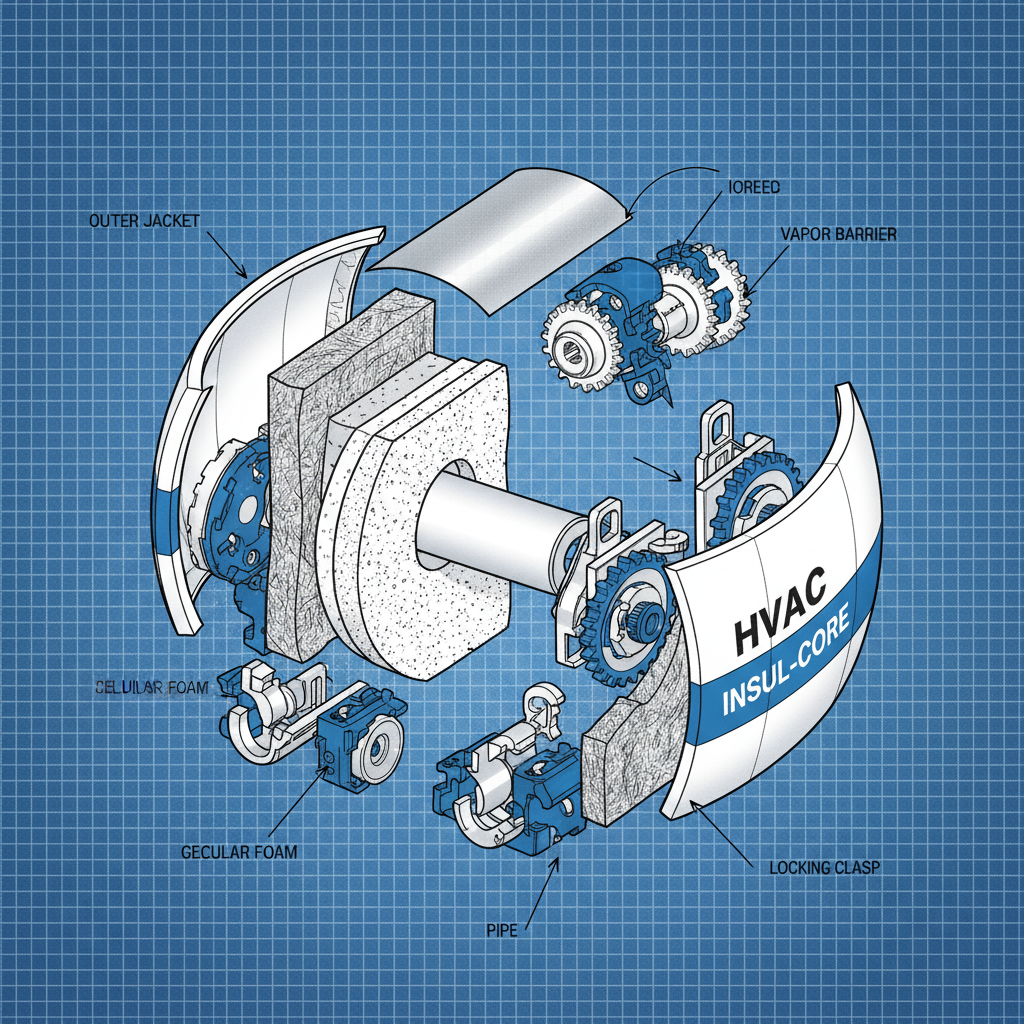
Conclusion: Choosing the Right Solution for Optimal Performance
Investing in Quality HVAC Hard Pipe Insulation
Selecting the correct HVAC hard pipe insulation material is a vital investment for any building owner or HVAC professional. By carefully considering the factors outlined in this guide, you can choose a solution that maximizes energy efficiency, minimizes operating costs, and ensures the long-term reliability of your HVAC system. Don’t hesitate to consult with experts at Xingtai LuXi to determine the best insulation solution for your specific application.
Frequently Asked Questions (FAQs)
What is the recommended thickness for HVAC pipe insulation?
The recommended thickness varies based on several factors, including pipe size, fluid temperature, and climate. Generally, a minimum of 1 inch of insulation is recommended for most applications, but thicker insulation may be necessary in colder climates or for high-temperature systems. Building codes often specify minimum insulation requirements. Consulting with an HVAC professional or insulation specialist is recommended to determine the appropriate thickness for your specific needs. Proper thickness is crucial for achieving optimal energy savings and preventing condensation.
How do I ensure proper installation of hard pipe insulation?
Proper installation is vital for maximizing the effectiveness of pipe insulation. Ensure the pipe surface is clean and dry before applying the insulation. Cut the insulation to the correct size, avoiding gaps or compressions. Secure the insulation with appropriate tape or straps, ensuring a tight fit. For seamless installations, use factory-made elbows and tees. It's highly recommended to hire a qualified insulation contractor to ensure proper installation and adherence to safety standards. Correct installation significantly impacts performance.
What are the long-term benefits of investing in quality pipe insulation?
Investing in quality pipe insulation provides numerous long-term benefits, including reduced energy consumption, lower utility bills, prevention of condensation and mold growth, extended equipment lifespan, and improved indoor comfort. High-quality insulation minimizes heat loss or gain, reducing the strain on your HVAC system and lowering maintenance costs. It also contributes to a more sustainable environment by reducing energy waste. The return on investment from efficient insulation can be substantial over time.
Can pipe insulation help reduce noise levels in my HVAC system?
Yes, certain types of pipe insulation, particularly rubber foams, possess excellent sound-dampening properties. These materials absorb vibrations and reduce noise transmission from the HVAC system, creating a quieter and more comfortable indoor environment. Even fiberglass insulation can offer some noise reduction benefits, but rubber foams are generally more effective for this purpose. Choosing the right insulation can significantly improve the acoustic comfort of your building.
-
Professional Boiler Refractory Material Supplier for Industrial Efficiency
NewsApr.16,2026
-
How to Choose the Best refractory materials suppliers for Success
NewsApr.09,2026
-
Understanding Refractory Bricks Raw Materials for High Temperature Applications
NewsApr.07,2026
-
PLIbrico Refractory Materials Understanding Applications and Benefits
NewsApr.04,2026
-
Advancements in Reversible Thermal Expansion Refractory Materials for High Temperature Applications
NewsMar.31,2026
-
Comprehensive Guide to Refractory Kiln Lining Material Selection and Applications
NewsMar.28,2026