
Feb . 24, 2026 10:52 Back to list
Comprehensive Guide to Indlex Refractory Materials and Their Industrial Applications
Indlex Refractory Materials: A Comprehensive Guide
When selecting materials for high-temperature applications, indlex refractory materials stand out for their exceptional performance and durability. These materials are crucial in industries like steelmaking, cement production, and glass manufacturing, where resistance to extreme heat and corrosion is paramount. This article will explore the characteristics, applications, and benefits of indlex refractory materials, providing a comprehensive overview for engineers, procurement professionals, and anyone involved in high-temperature processing. Understanding the nuances of these materials is key to optimizing operational efficiency and extending the lifespan of critical equipment.
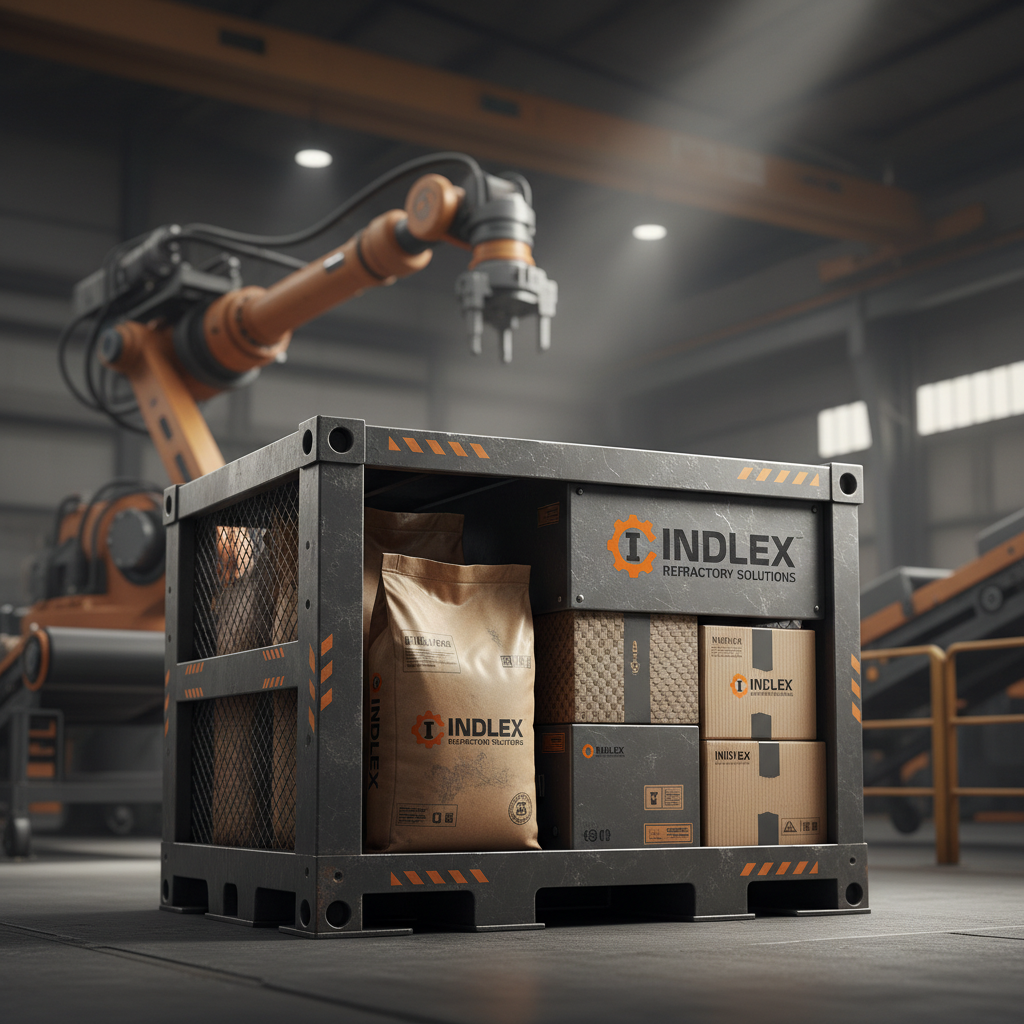
What are Indlex Refractory Materials?
Indlex refractory materials are a group of inorganic, non-metallic materials engineered to withstand extremely high temperatures – often exceeding 1,000°C (1,832°F) – without significant deformation or deterioration. They are essential linings for furnaces, kilns, incinerators, and other high-heat processing equipment. The term “refractory” refers to a material’s resistance to heat and other extreme conditions. Common types of indlex refractory materials include alumina, silica, magnesia, and chromite, each possessing unique properties suited for specific applications. Xingtai LuXi Refractory Co., Ltd. provides a wide array of these materials to meet diverse industrial needs.
Key Highlights: Engineered to withstand extremely high temperatures exceeding 1,000°C, essential linings for furnaces, kilns, and incinerators, and common types include alumina, silica, magnesia, and chromite.
Key Properties of Indlex Refractory Materials
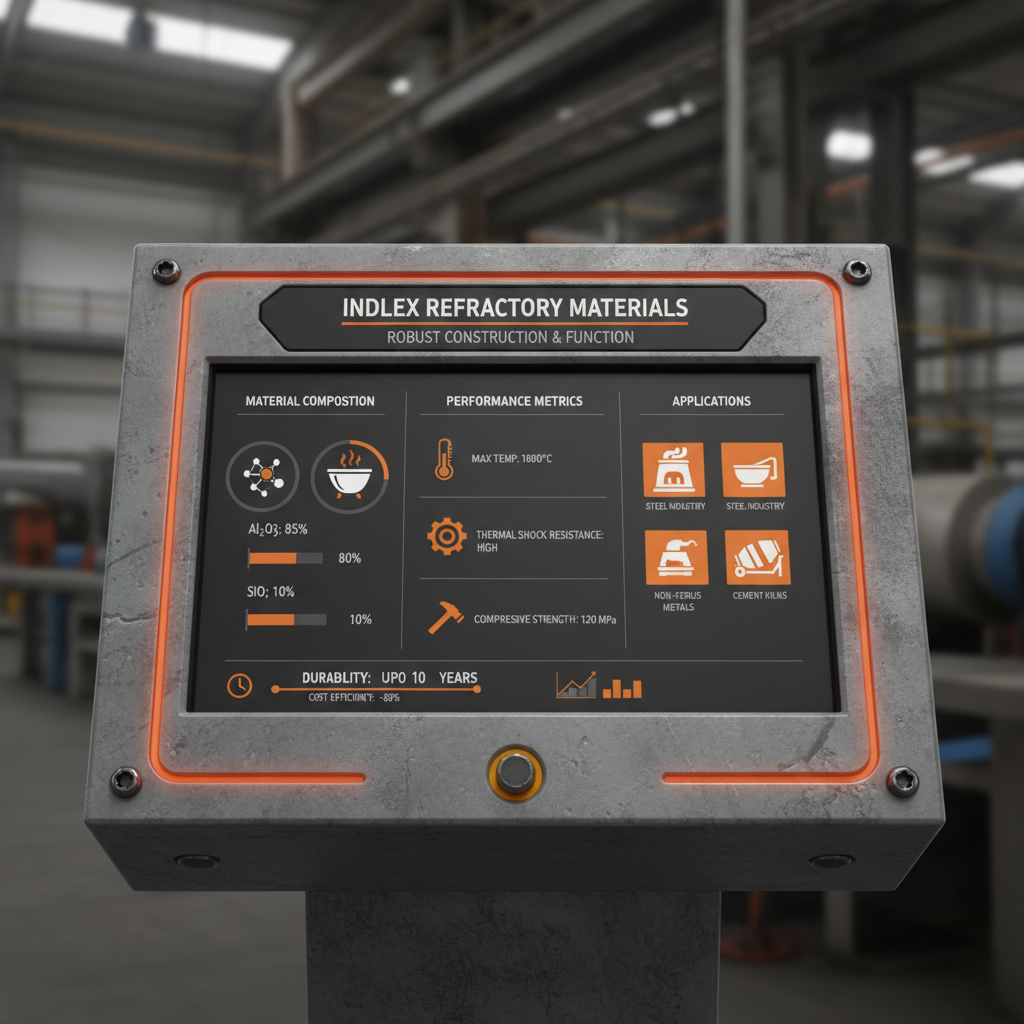
Several key properties define the performance of indlex refractory materials. These include: high-temperature strength, which allows them to maintain structural integrity under extreme heat; thermal shock resistance, preventing cracking or spalling due to rapid temperature changes; chemical inertness, resisting corrosion from aggressive substances; and low thermal conductivity, minimizing heat loss. The specific combination of these properties varies depending on the material's composition and manufacturing process. The ability to withstand both the physical and chemical stresses of high-temperature environments makes indlex refractories indispensable in numerous industrial processes.
Key Properties:
• High-Temperature Strength
• Thermal Shock Resistance
• Chemical Inertness
• Low Thermal Conductivity
Types of Indlex Refractory Materials: A Comparative Overview
Different types of indlex refractory materials are suited for varying applications. Here's a comparison of some common types:
Applications Across Industries
The demand for high-quality indlex refractory materials is driven by a diverse range of industries. In steelmaking, they line blast furnaces and electric arc furnaces. The cement industry relies on them for kiln linings, protecting against the corrosive effects of clinker. Glass manufacturers utilize them to contain molten glass at extremely high temperatures. Other applications include the production of non-ferrous metals, incineration of waste materials, and power generation. Proper material selection and installation are crucial for optimizing performance and minimizing downtime.
Selecting the Right Indlex Refractory Material
Choosing the correct refractory material requires careful consideration of several factors, including operating temperature, chemical environment, mechanical stresses, and thermal cycling. The specific composition of the material must be compatible with the process being used to avoid unwanted reactions or degradation. Factors such as abrasion resistance, porosity, and thermal expansion also play a role in determining the optimal choice. Consulting with experienced refractory engineers can ensure that the selected material meets the specific requirements of the application. Xingtai LuXi Refractory Co., Ltd. offers expert advice and a wide range of materials to suit diverse needs.
Conclusion: Ensuring Operational Efficiency with Quality Refractories
Investing in high-quality indlex refractory materials is crucial for maintaining operational efficiency, extending equipment lifespan, and ensuring workplace safety. By understanding the properties, types, and applications of these materials, industries can optimize their high-temperature processes and minimize costly downtime. Choose a reliable supplier like Xingtai LuXi Refractory Co., Ltd. to ensure you receive materials that meet the highest standards of quality and performance.
Frequently Asked Questions (FAQs)
What is the typical lifespan of indlex refractory materials?
The lifespan of indlex refractory materials varies significantly depending on the application, operating conditions, and material quality. Generally, they last between 1 to 5 years. Factors like temperature fluctuations, chemical attacks, and physical abrasion contribute to wear and tear. Regular inspections are crucial to identify potential issues and schedule replacements before failures occur. Xingtai LuXi Refractory Co., Ltd. can provide guidance on expected lifespan and maintenance strategies.
How important is proper installation of refractory materials?
Proper installation is critical to the performance and longevity of indlex refractory materials. Incorrect installation can lead to premature failure, reduced efficiency, and even safety hazards. Key aspects of proper installation include ensuring proper jointing, minimizing gaps, and allowing for thermal expansion. It’s highly recommended to utilize experienced installers who are familiar with the specific material and application. Xingtai LuXi Refractory Co., Ltd. offers installation guidance and support.
What safety precautions should be taken when working with indlex refractory materials?
When working with indlex refractory materials, it’s essential to wear appropriate personal protective equipment (PPE), including safety glasses, gloves, and respirators, especially when cutting or handling dusty materials. Some refractory materials may contain crystalline silica, which can pose a health risk if inhaled. Ensure adequate ventilation and follow all safety guidelines provided by the material supplier. Always consult the Material Safety Data Sheet (MSDS) before handling any refractory product.
Can indlex refractory materials be repaired, or do they need to be fully replaced?
Minor damage to indlex refractory materials can sometimes be repaired using specialized refractory mortars and patching compounds. However, the extent of repairable damage is limited. Significant cracking, spalling, or erosion generally requires complete replacement. Attempting to repair severely damaged refractories can compromise their structural integrity and lead to unexpected failures. Regular inspections and preventative maintenance can help extend the lifespan of refractories and minimize the need for costly replacements.
-
Professional Boiler Refractory Material Supplier for Industrial Efficiency
NewsApr.16,2026
-
How to Choose the Best refractory materials suppliers for Success
NewsApr.09,2026
-
Understanding Refractory Bricks Raw Materials for High Temperature Applications
NewsApr.07,2026
-
PLIbrico Refractory Materials Understanding Applications and Benefits
NewsApr.04,2026
-
Advancements in Reversible Thermal Expansion Refractory Materials for High Temperature Applications
NewsMar.31,2026
-
Comprehensive Guide to Refractory Kiln Lining Material Selection and Applications
NewsMar.28,2026